




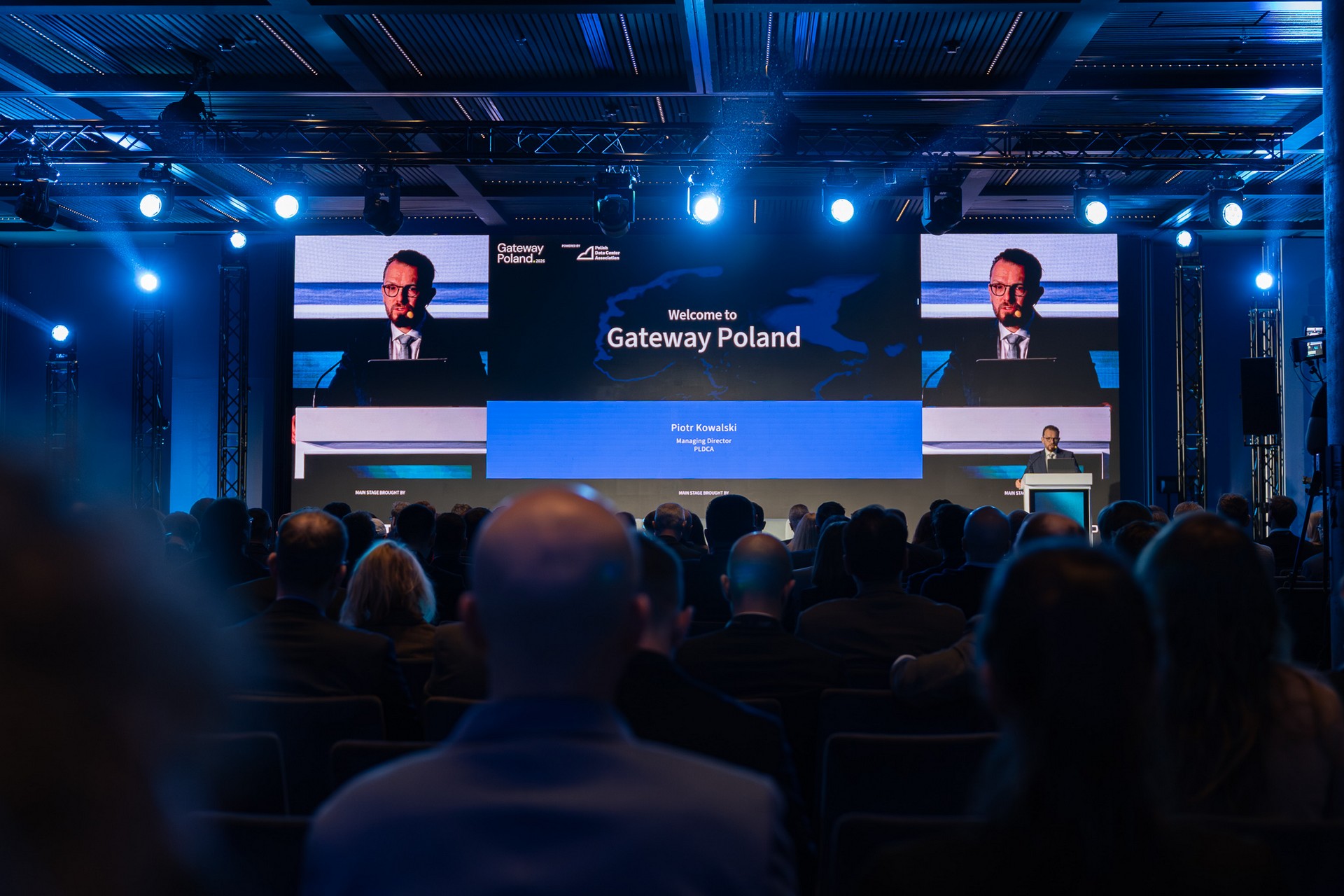
Gateway Poland 2026: post-event reflections
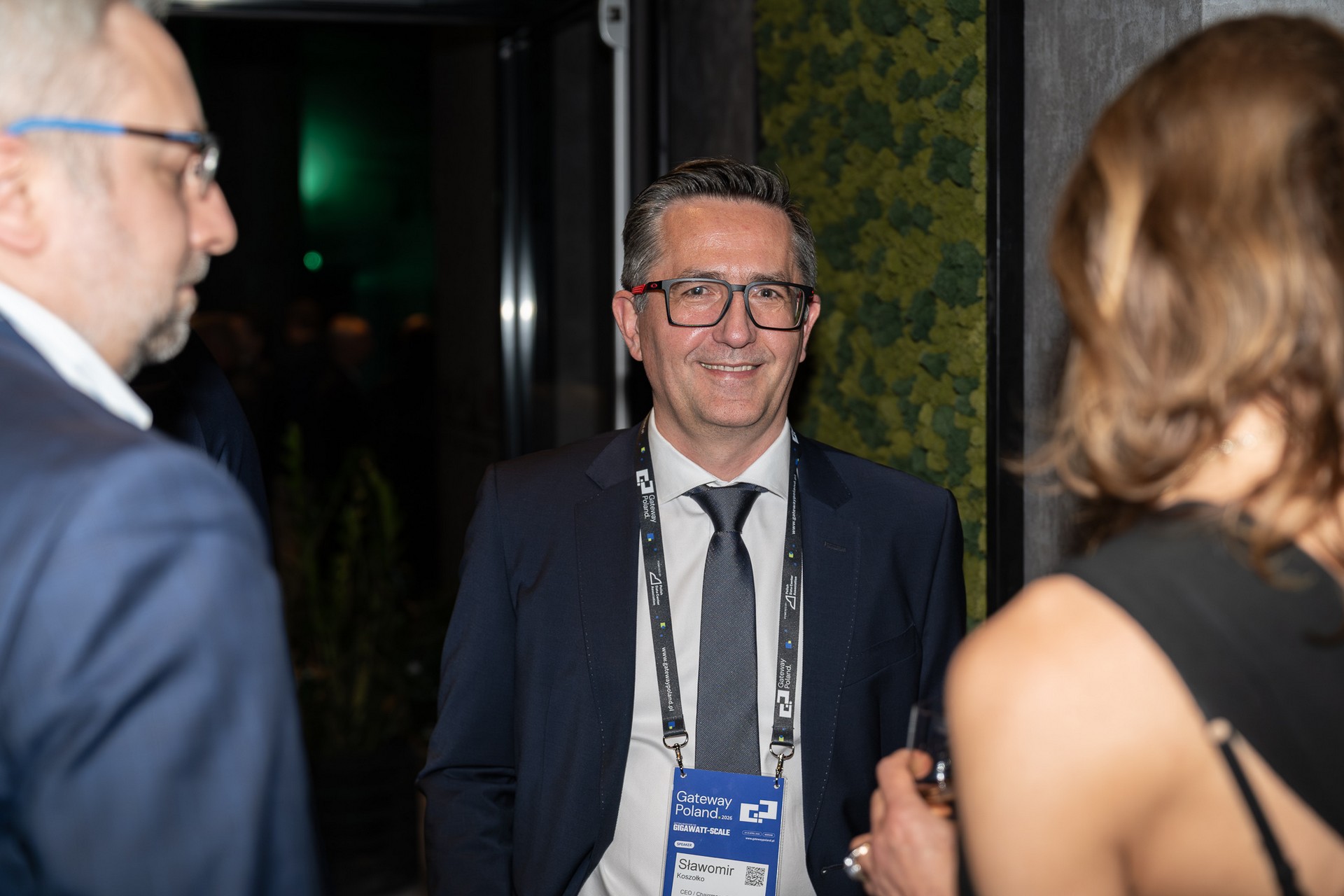
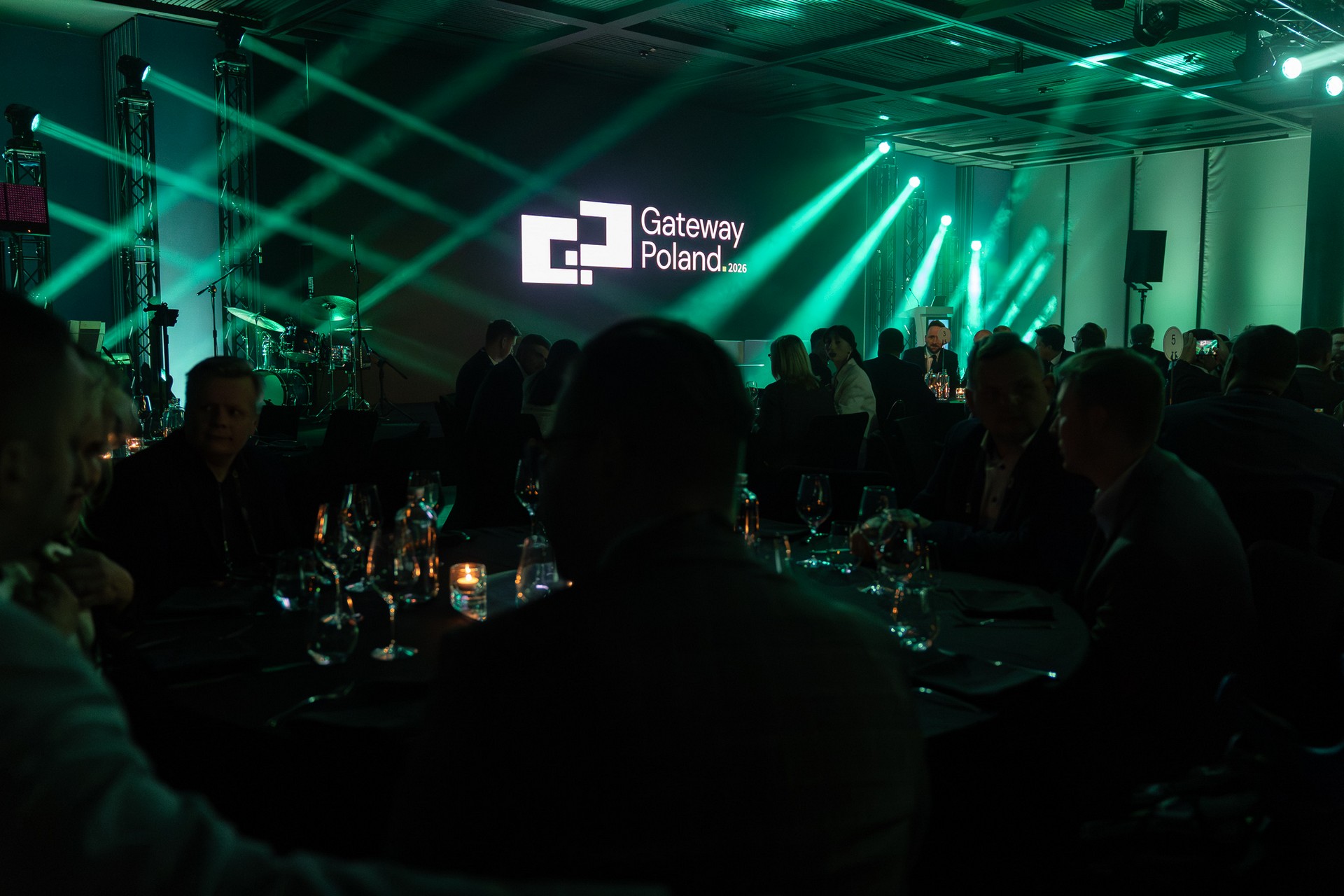
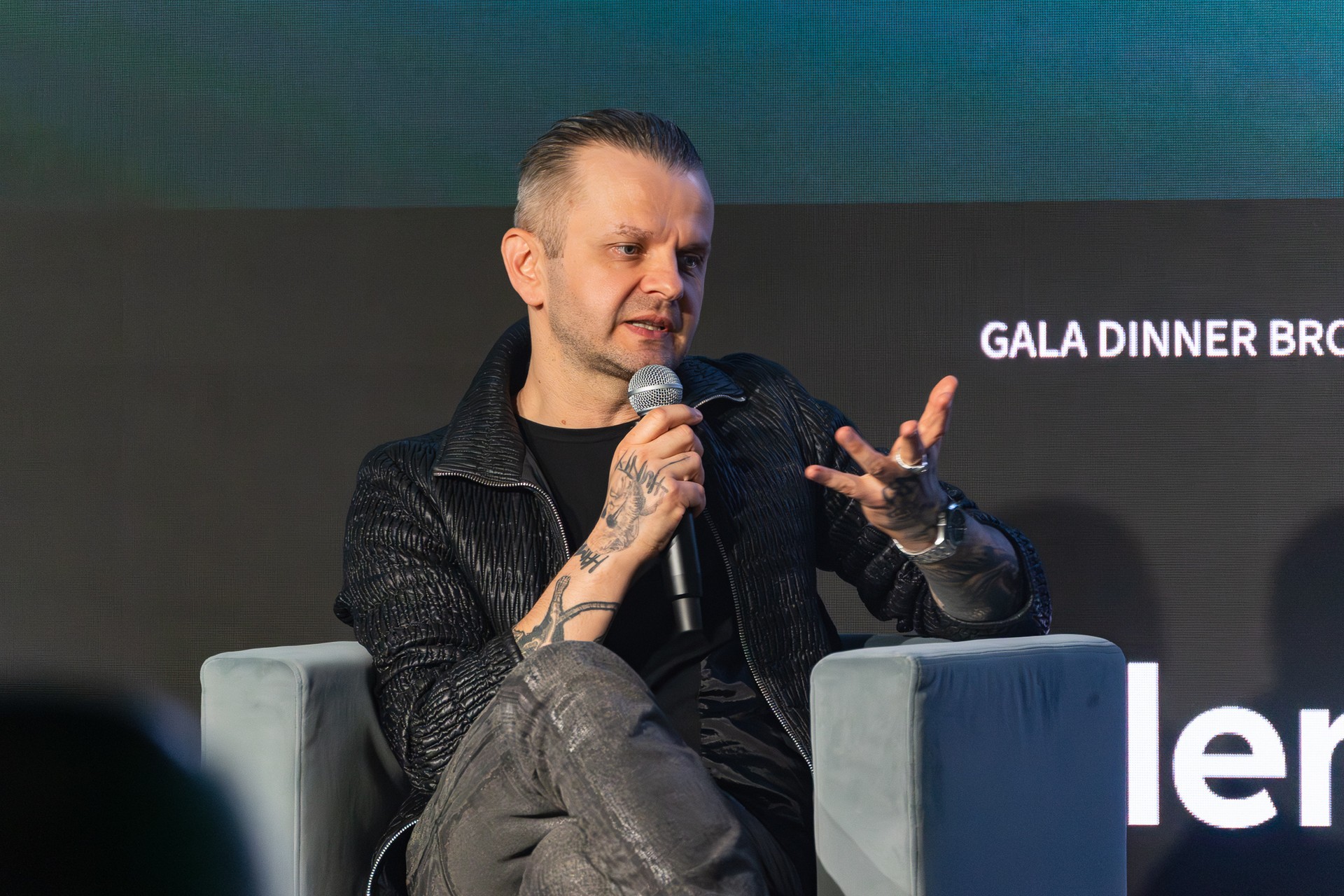
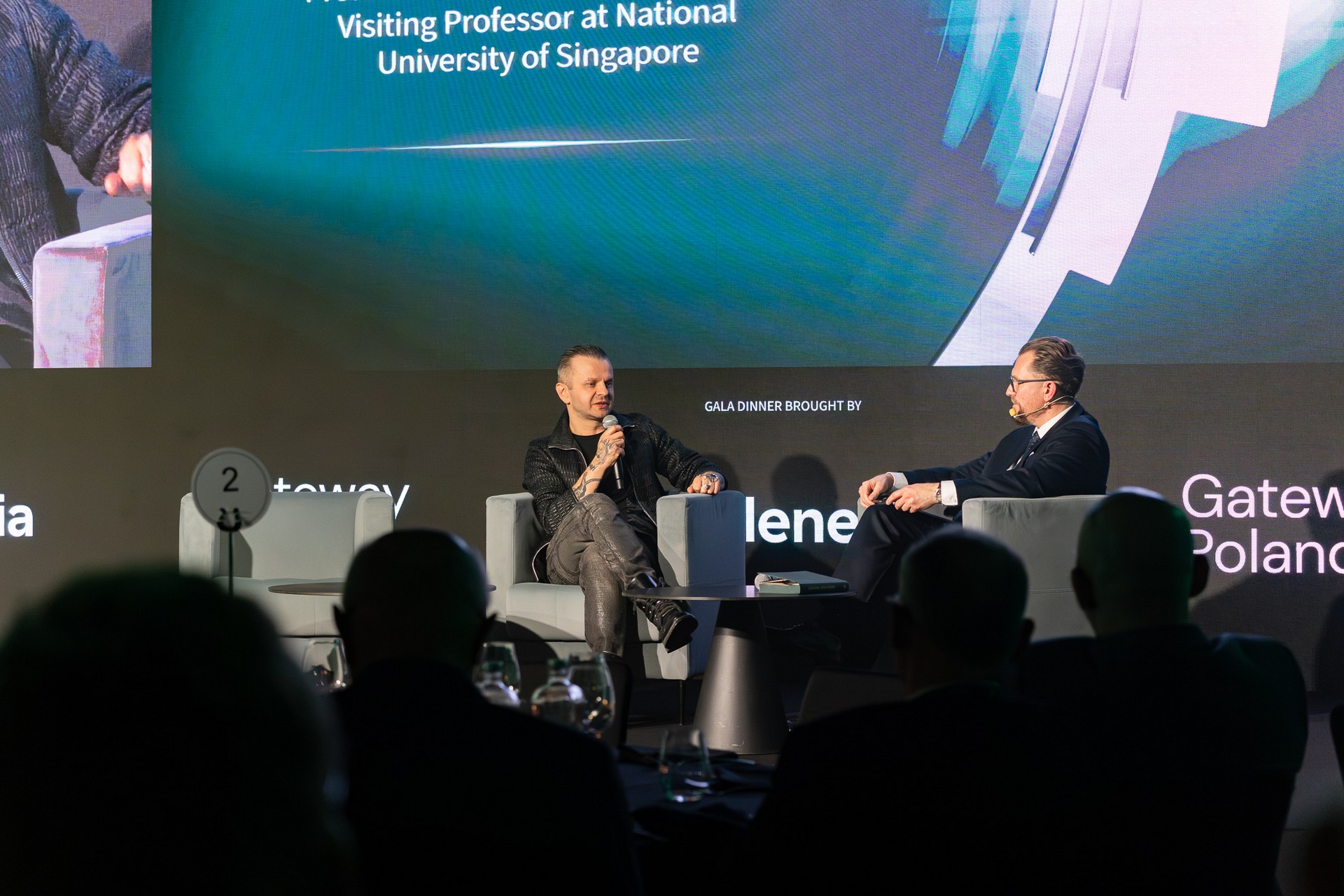
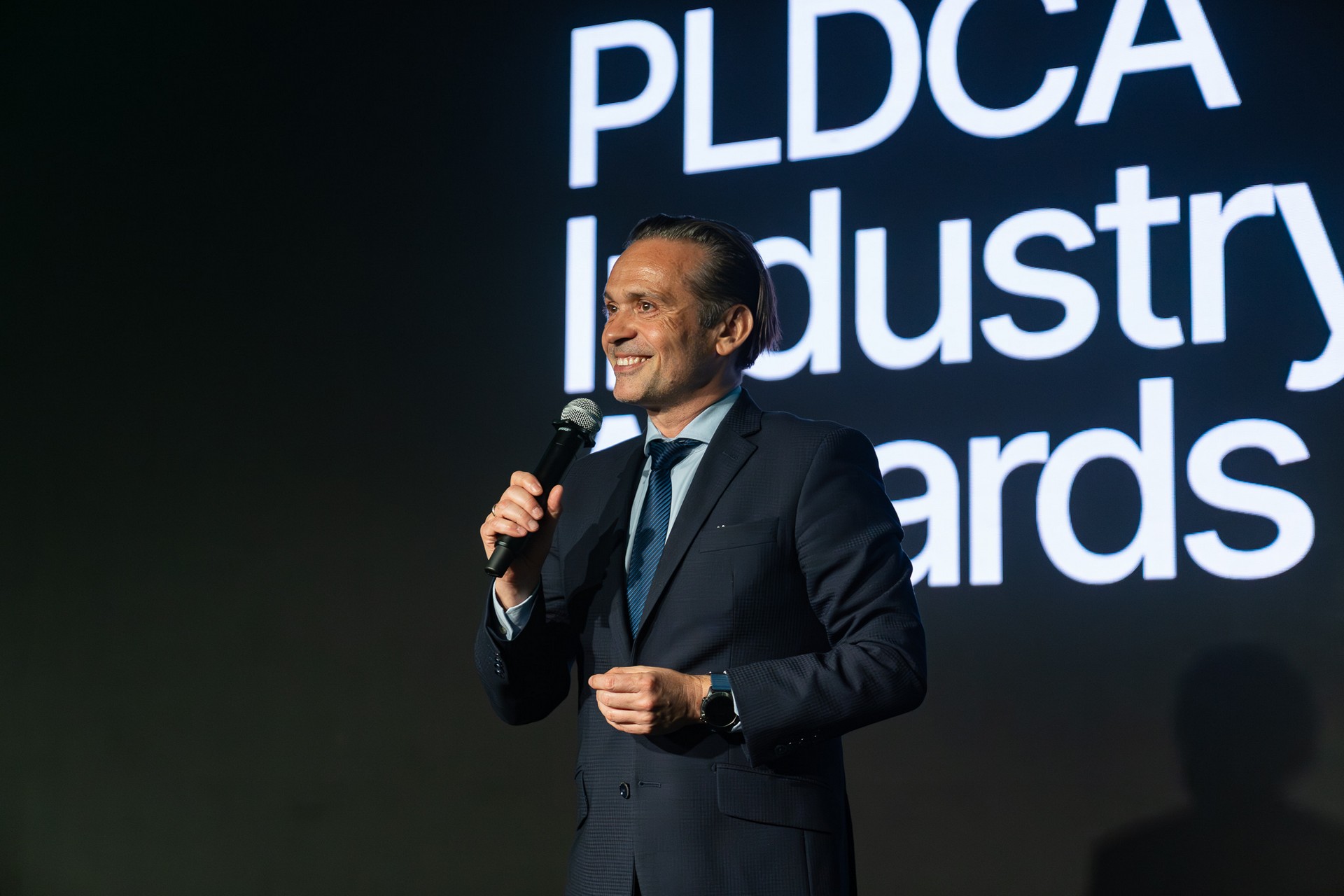
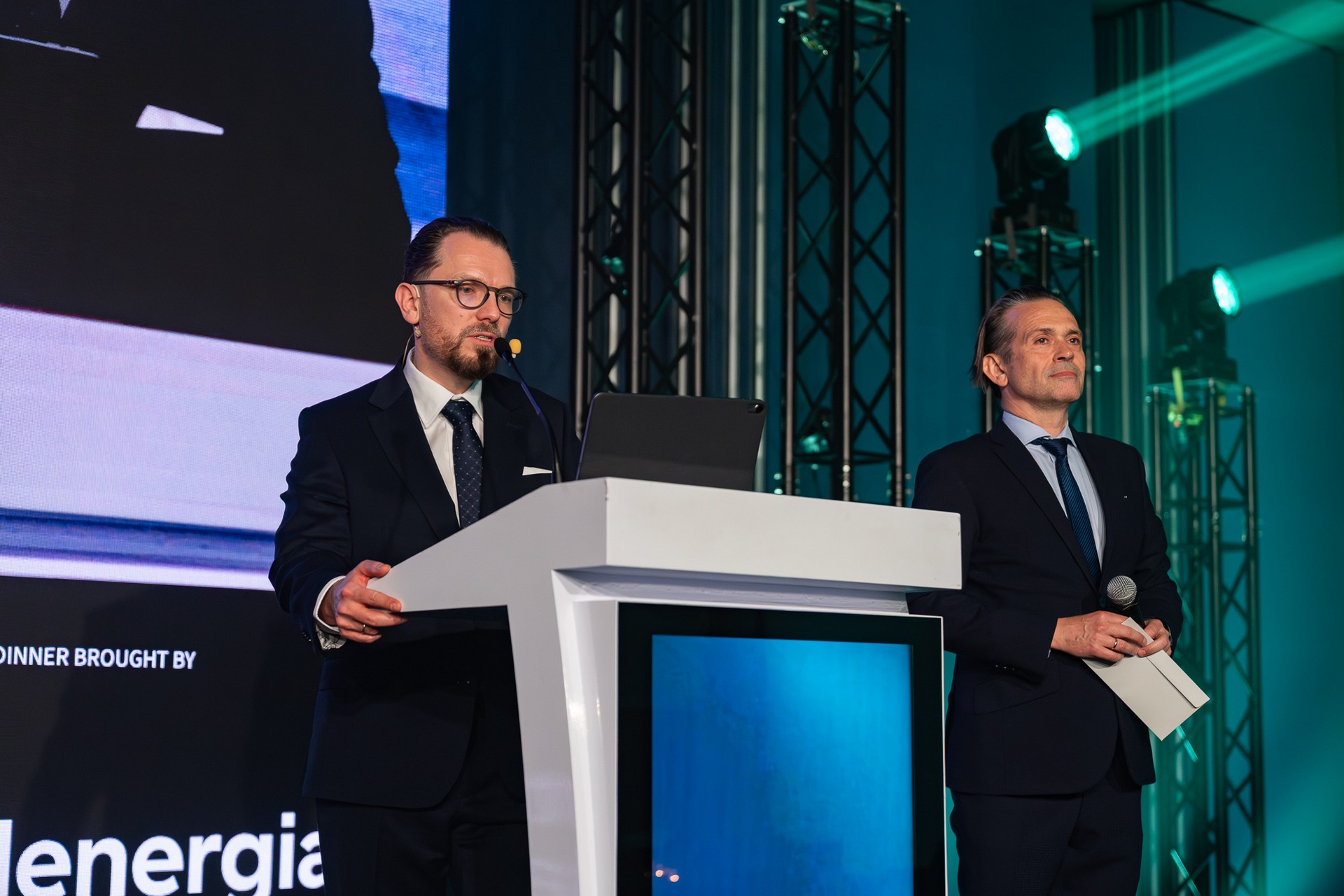
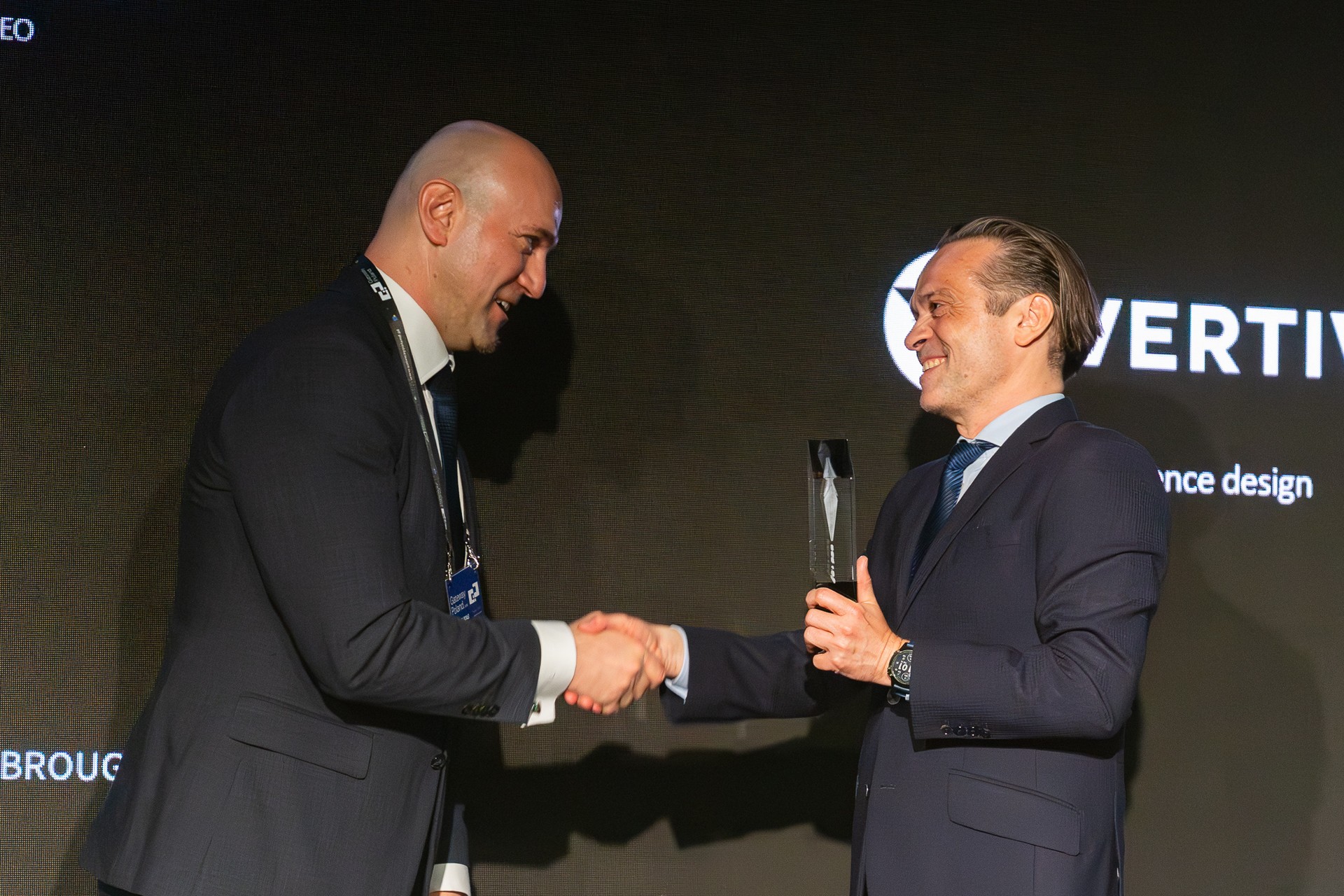
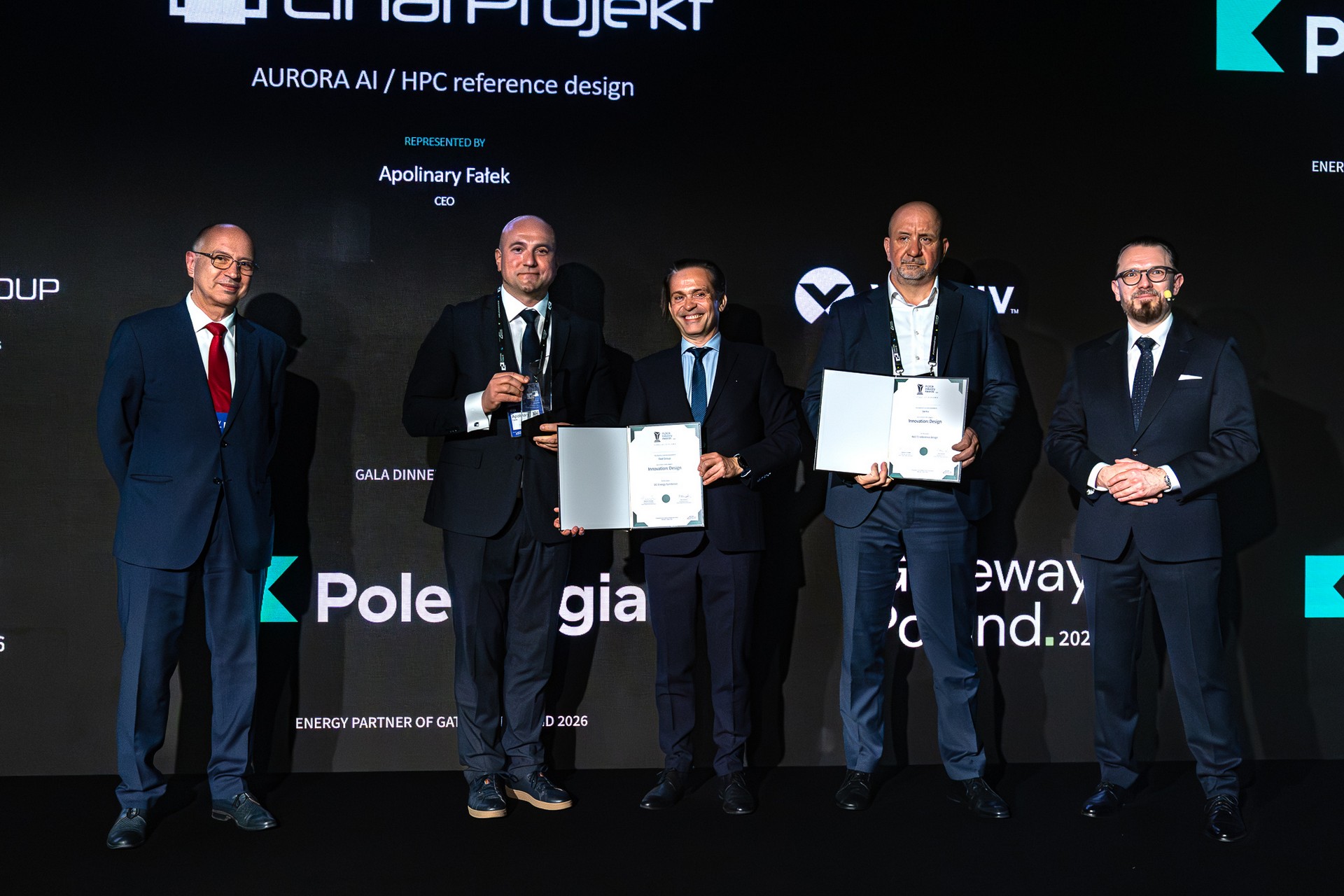
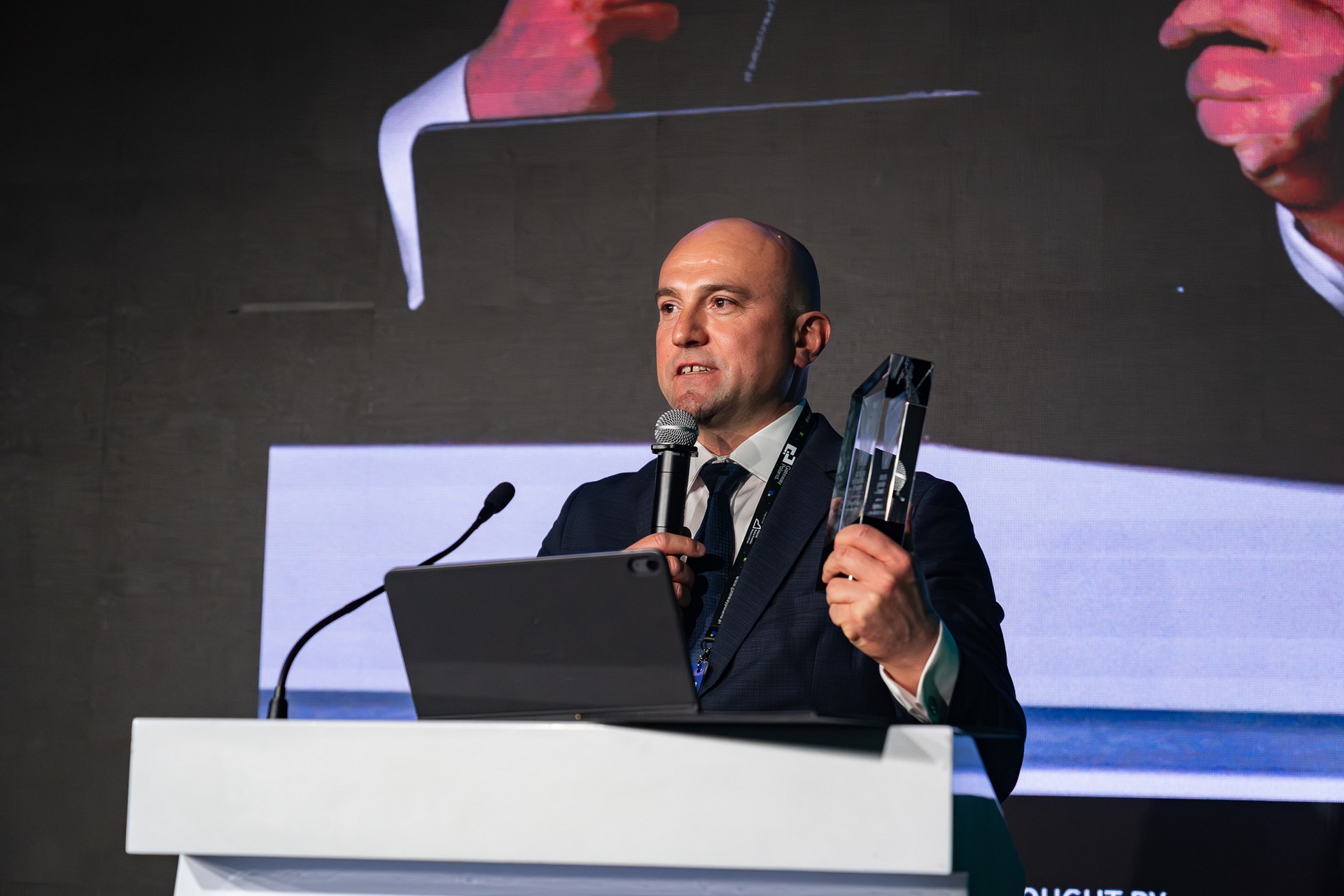
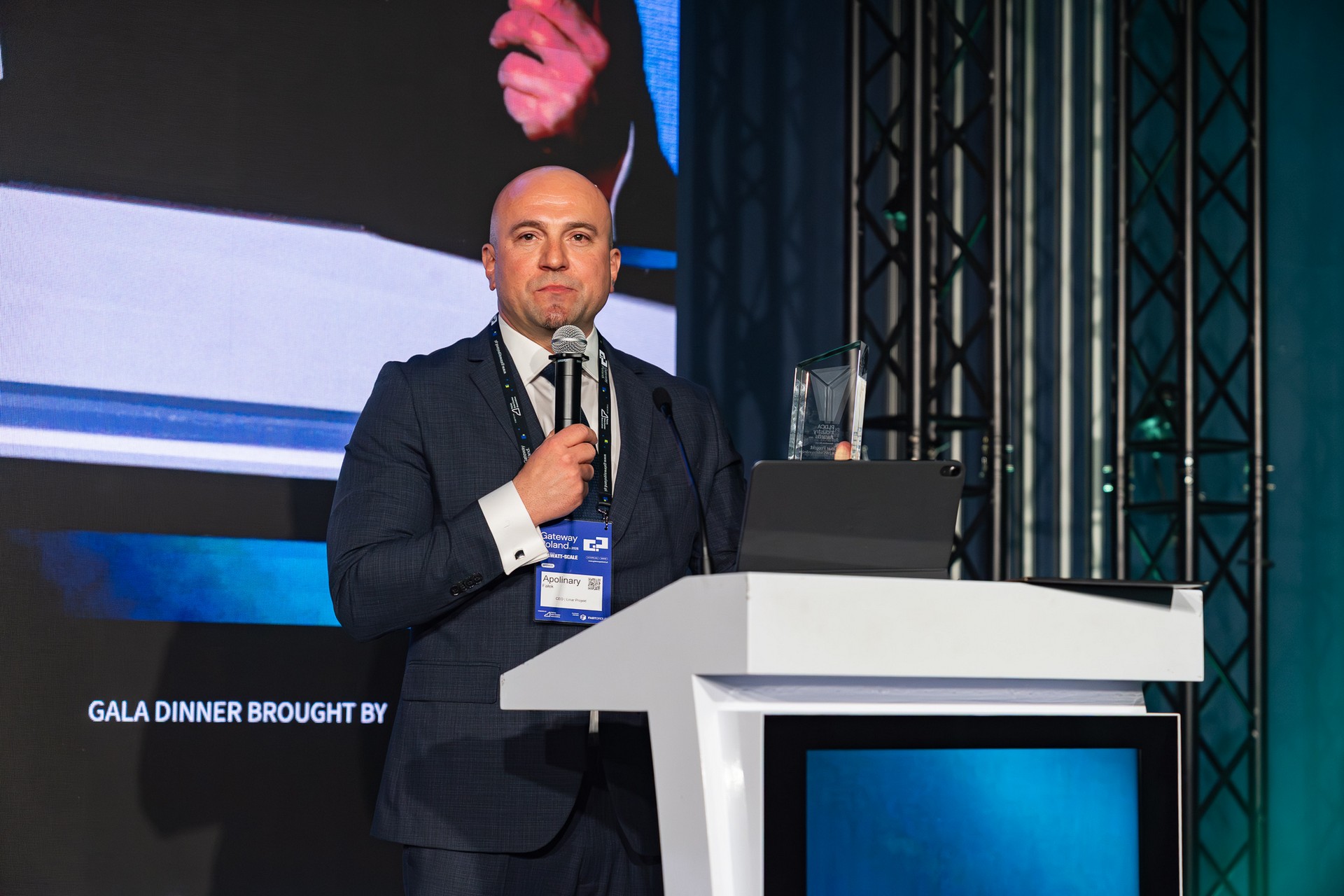
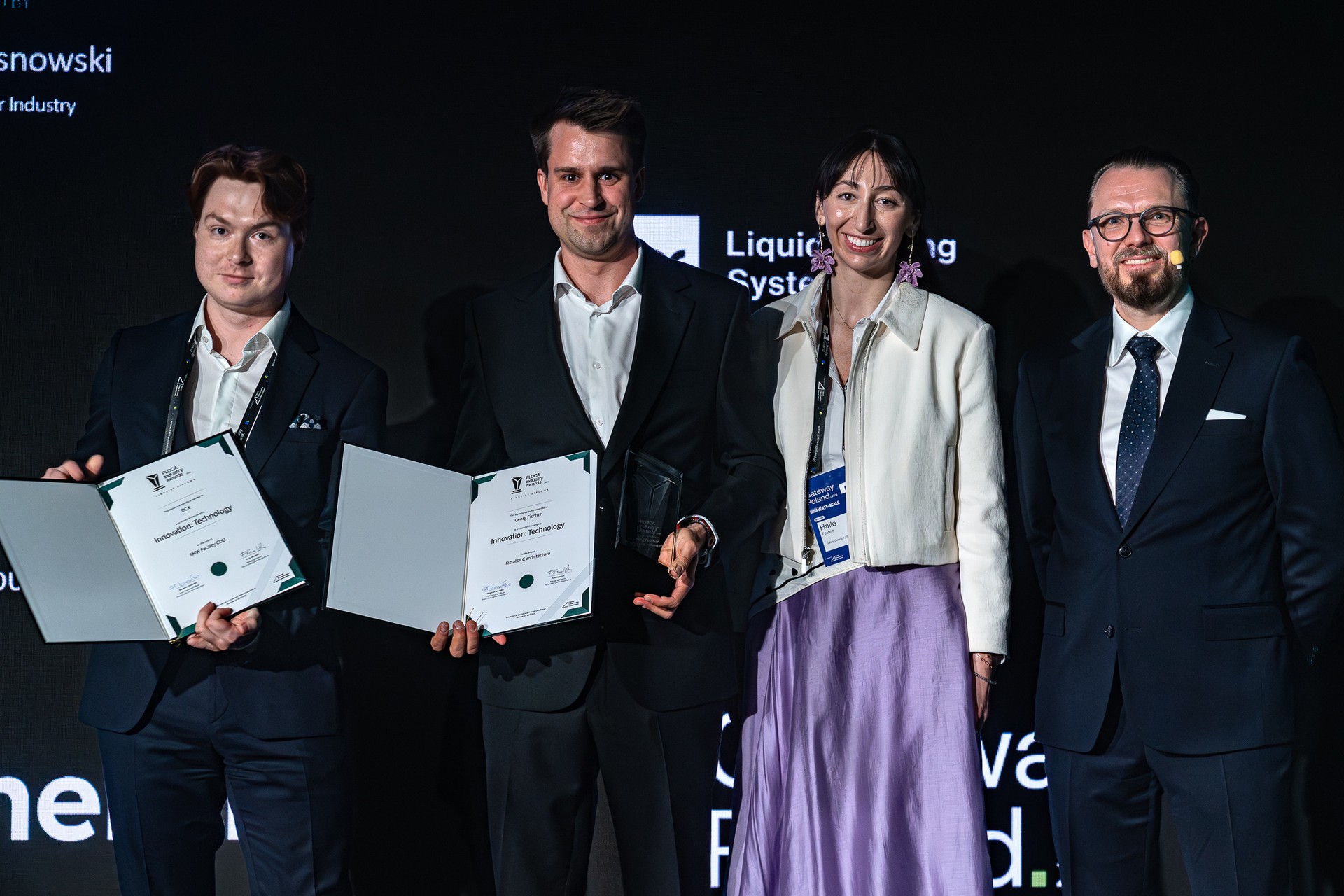
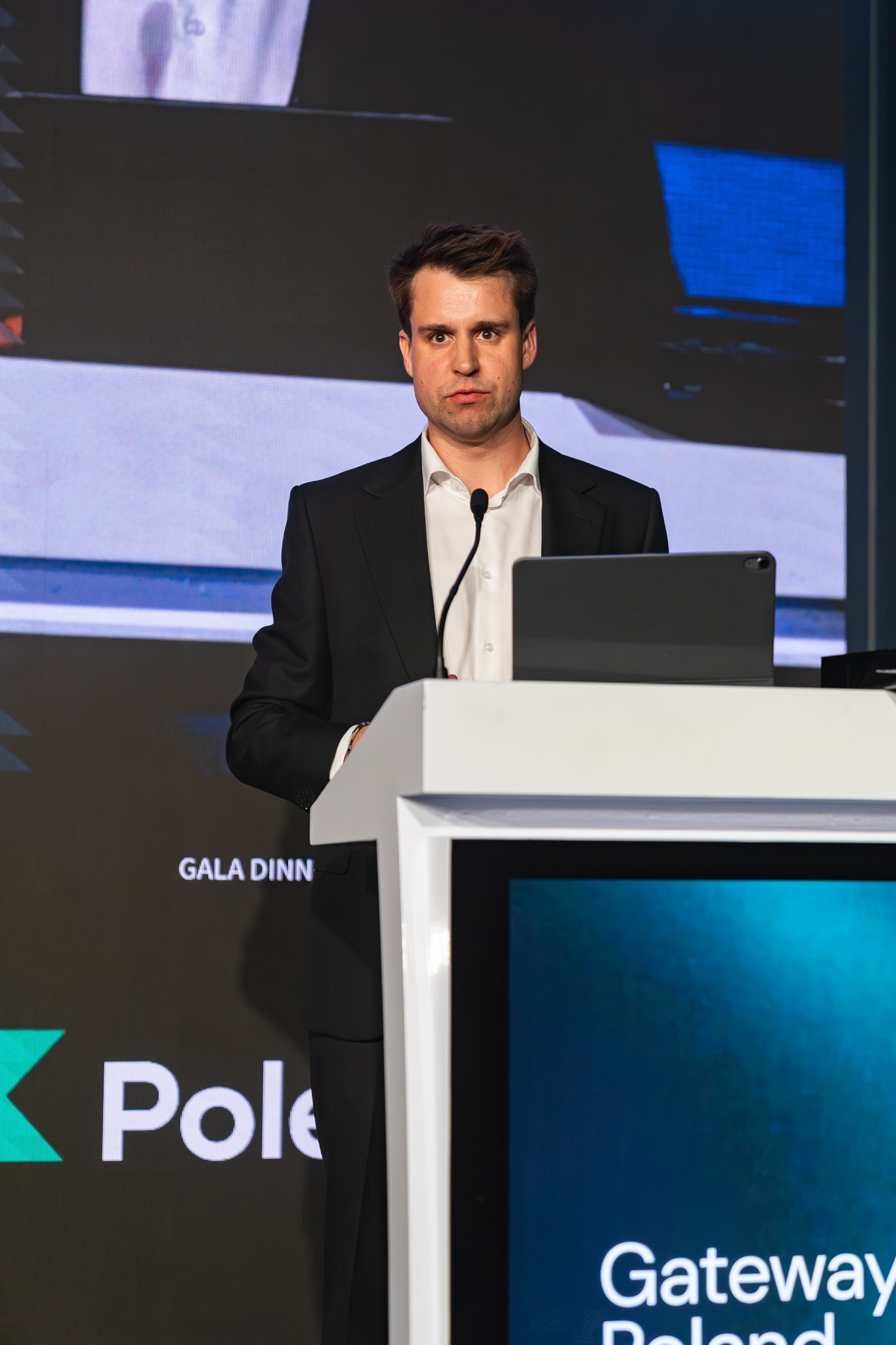
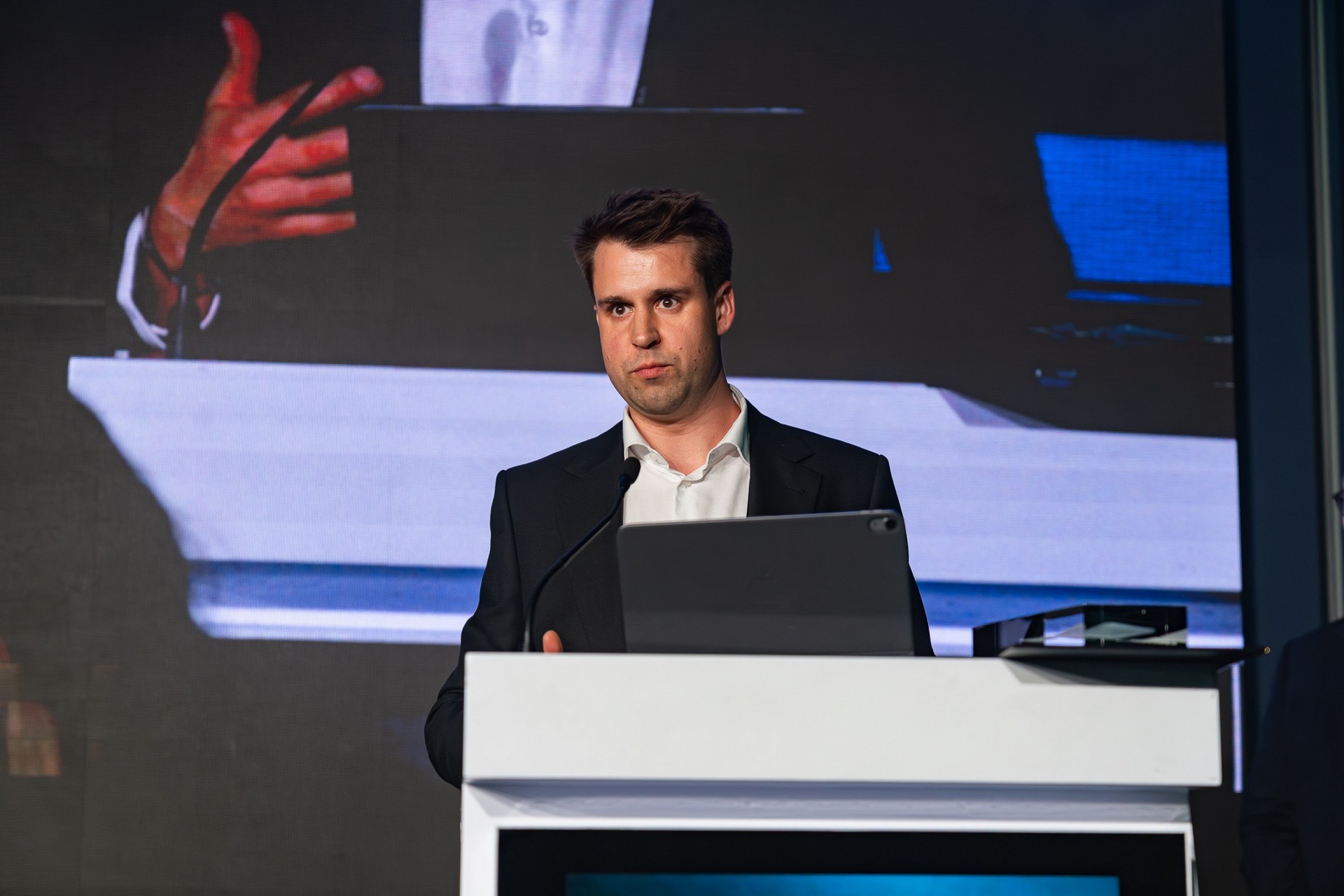
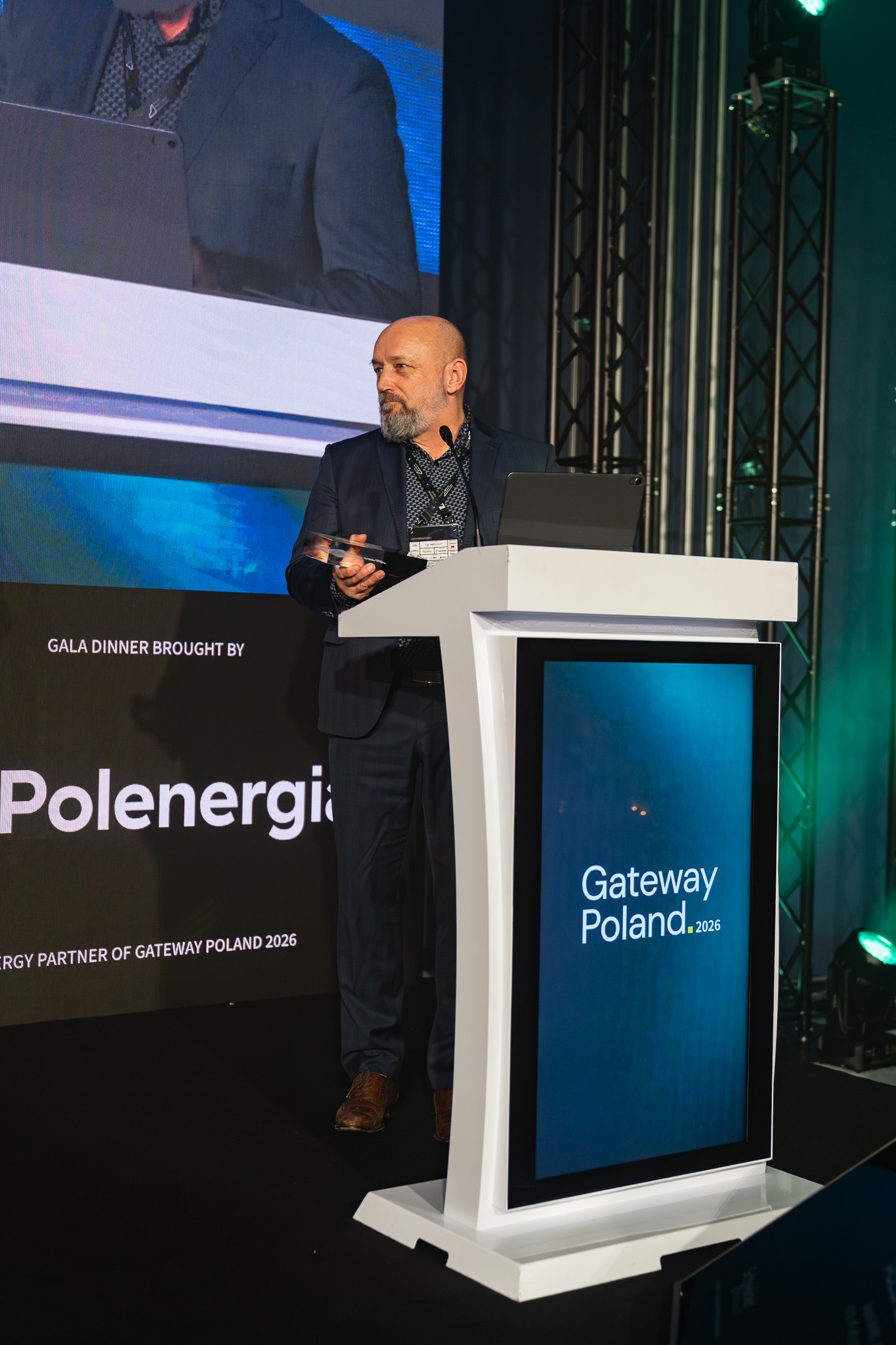
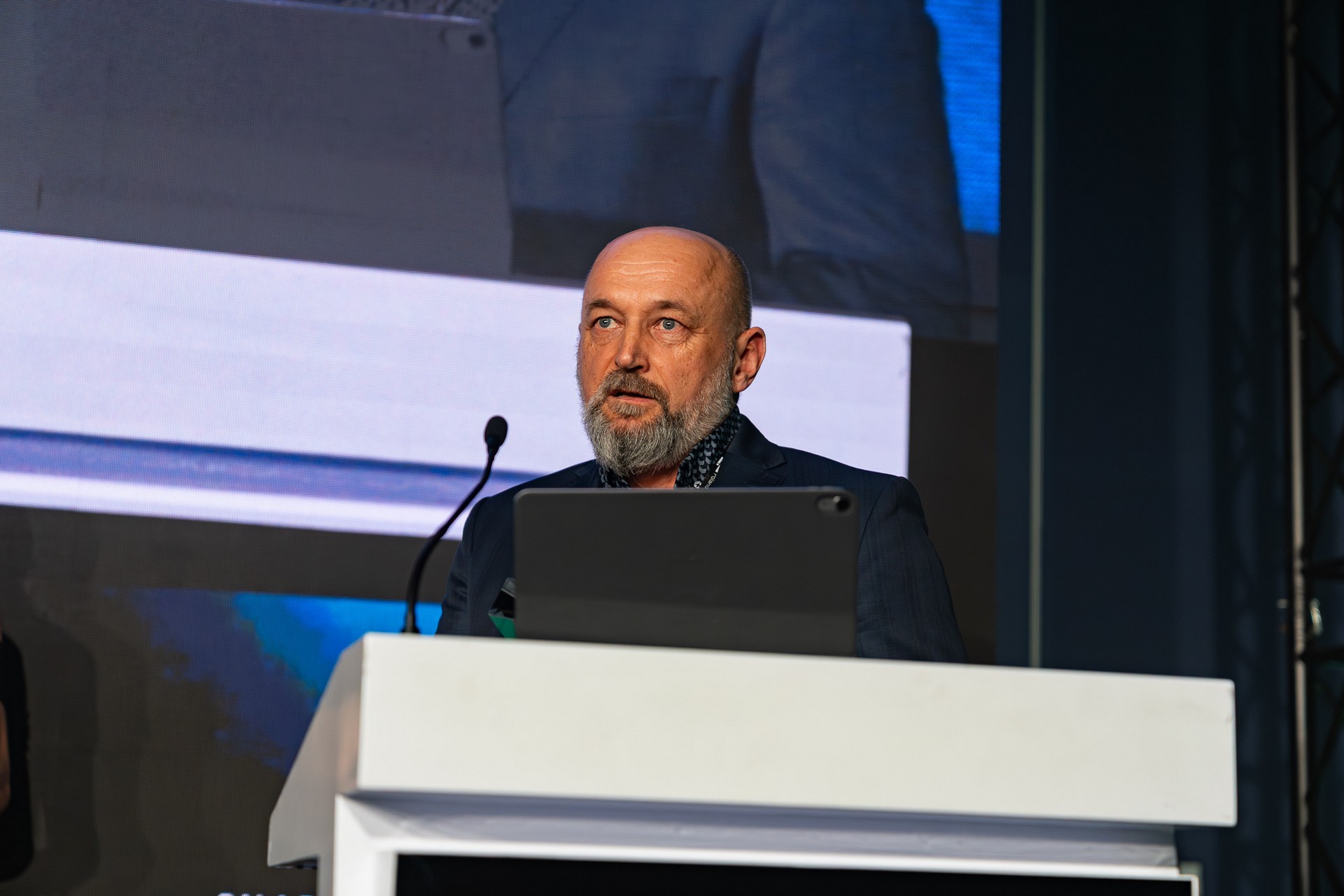
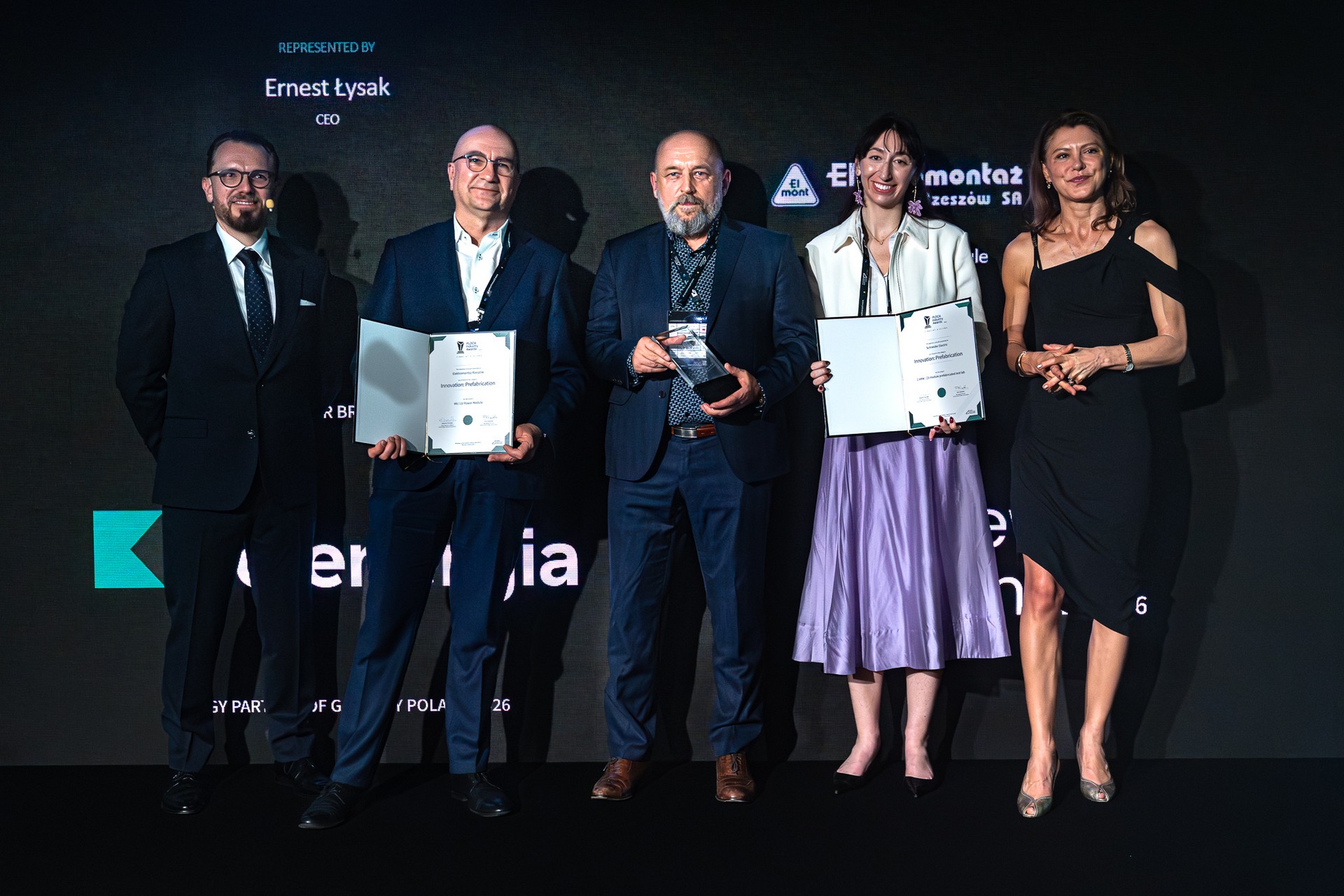
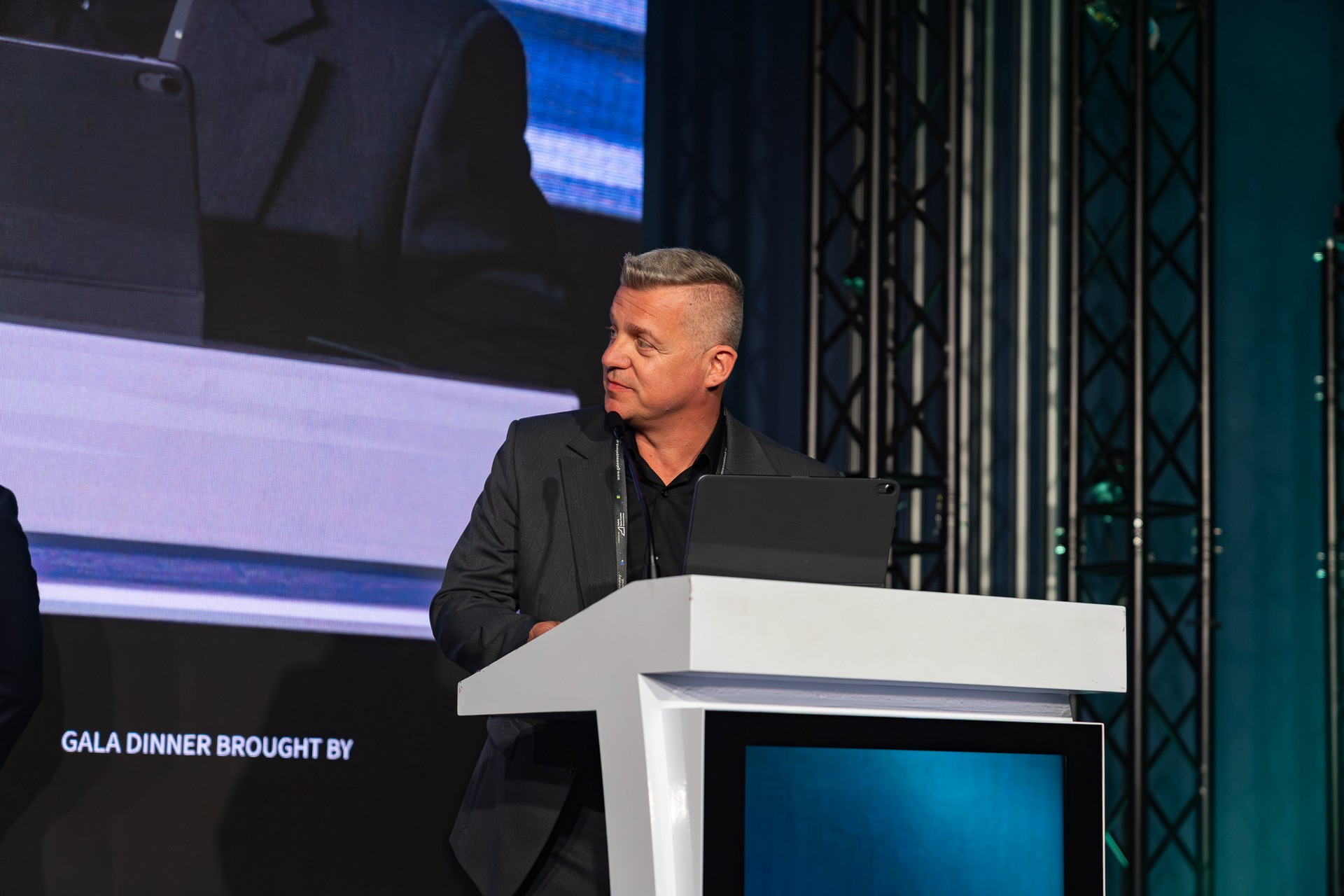
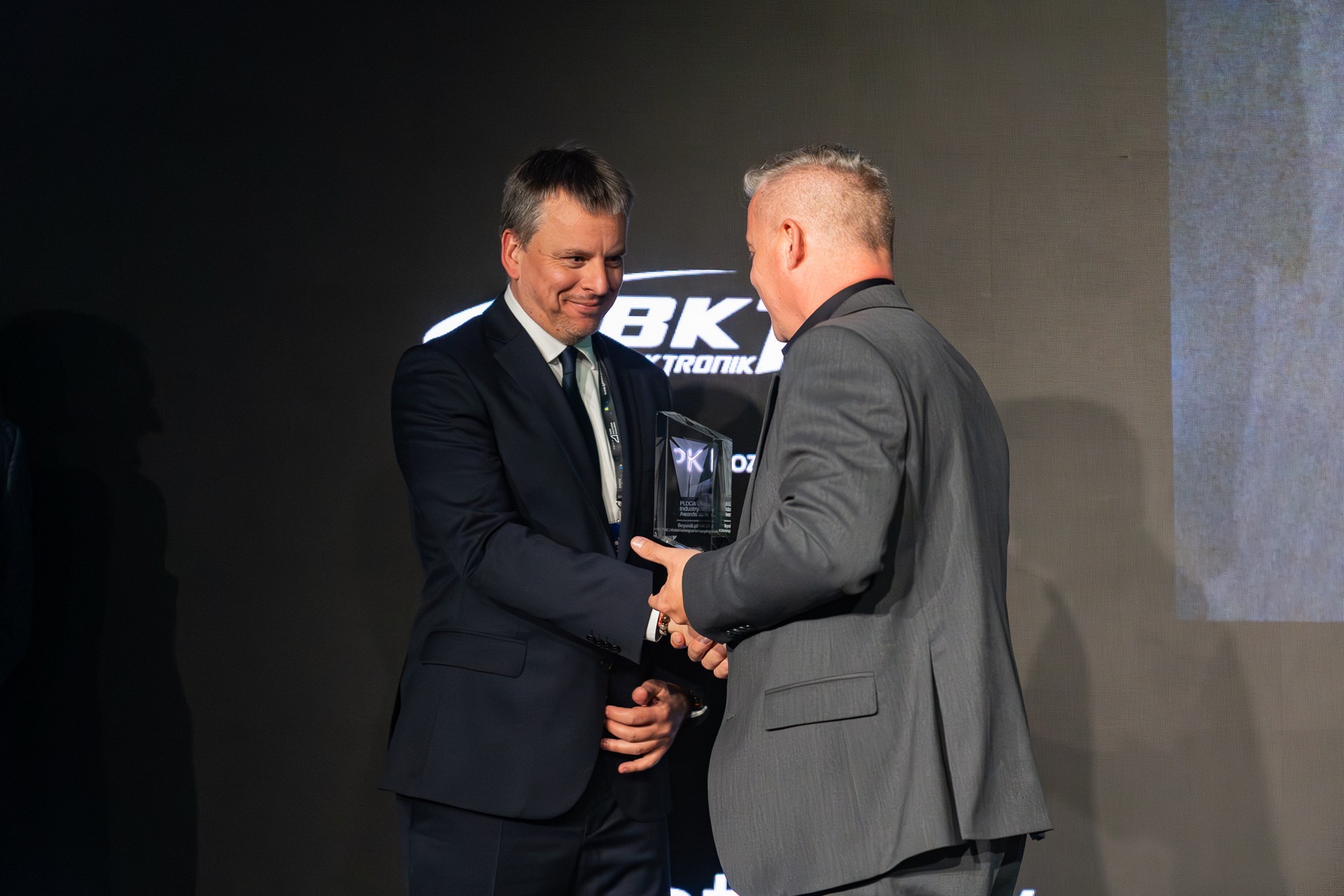
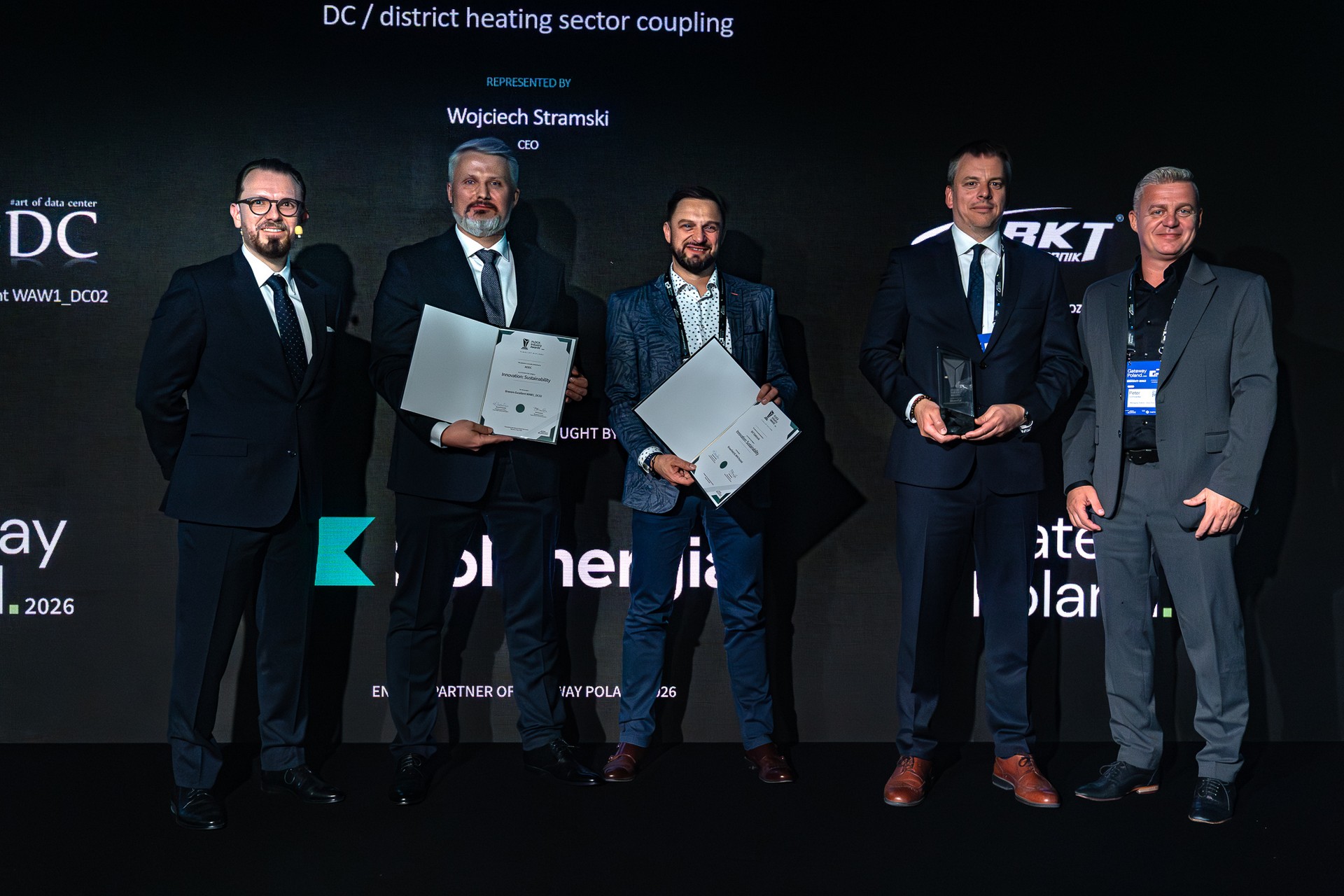
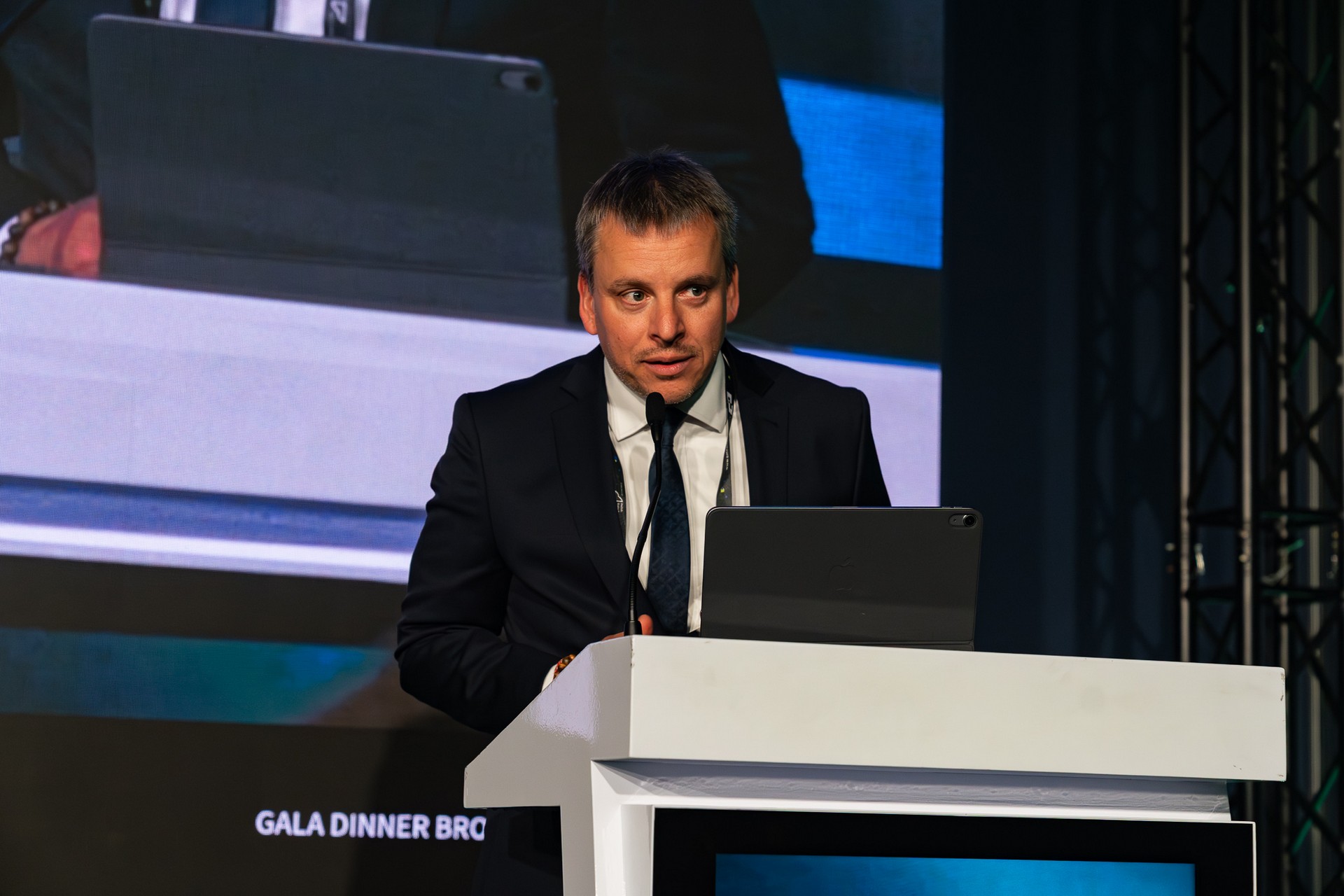
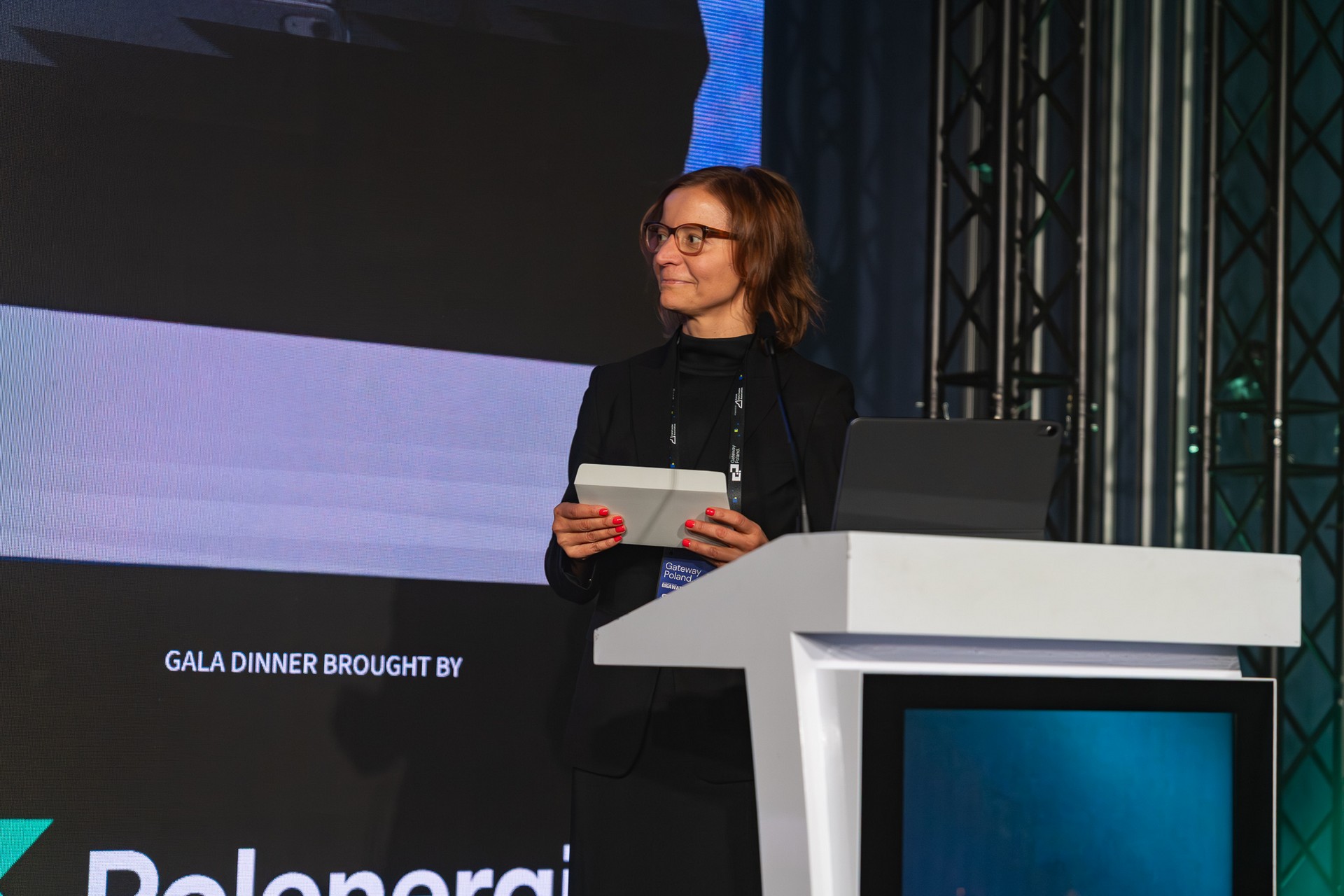
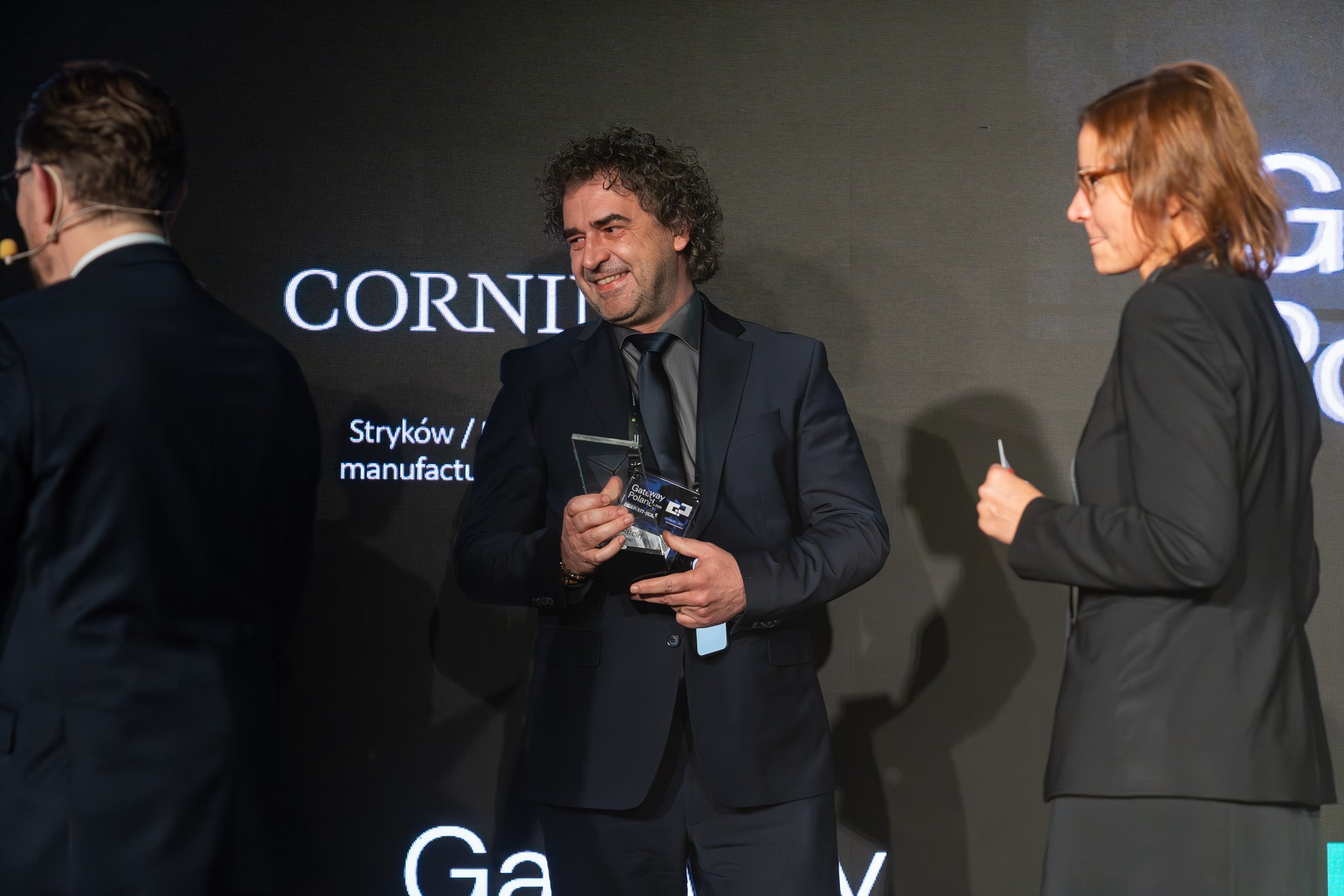
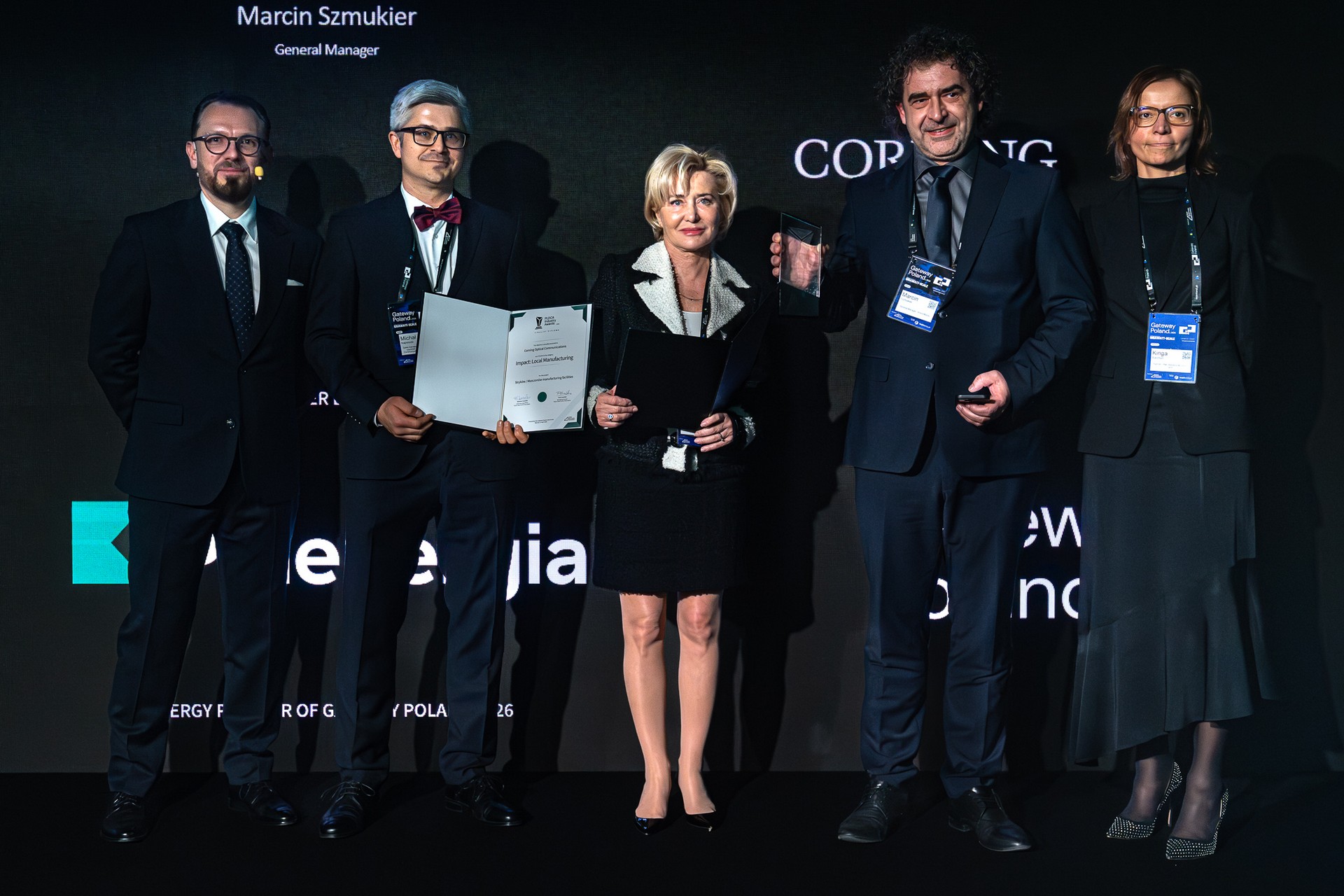
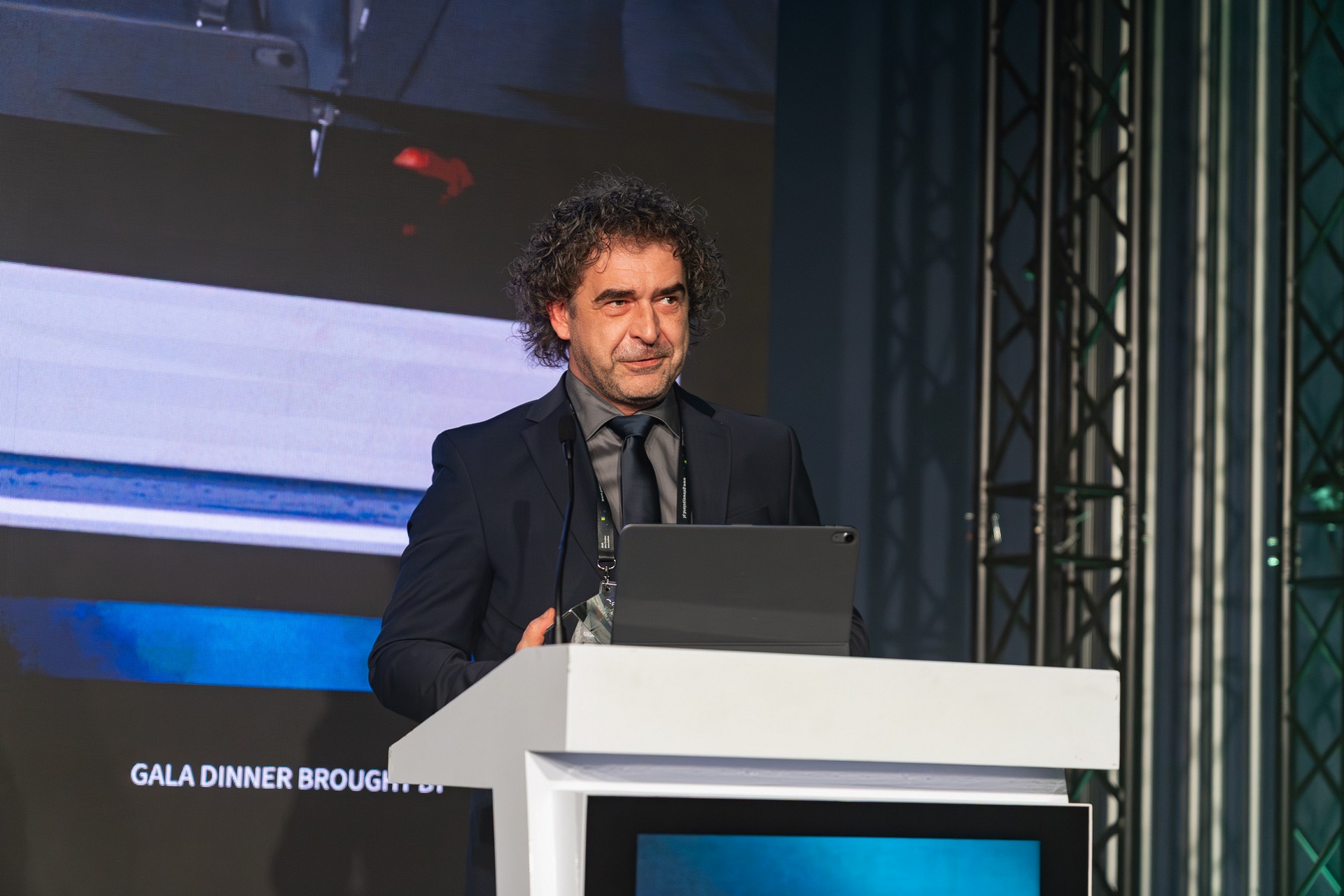
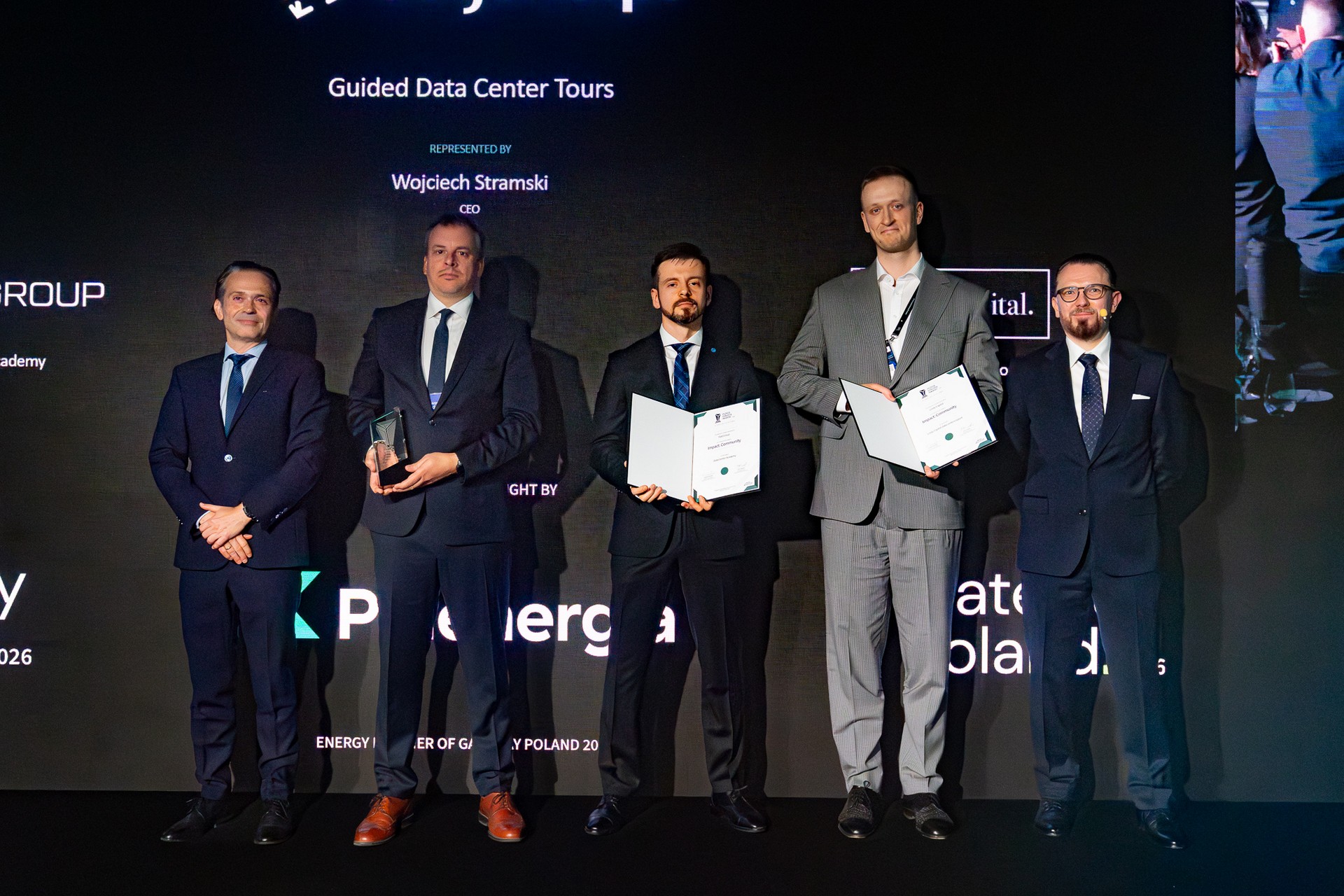
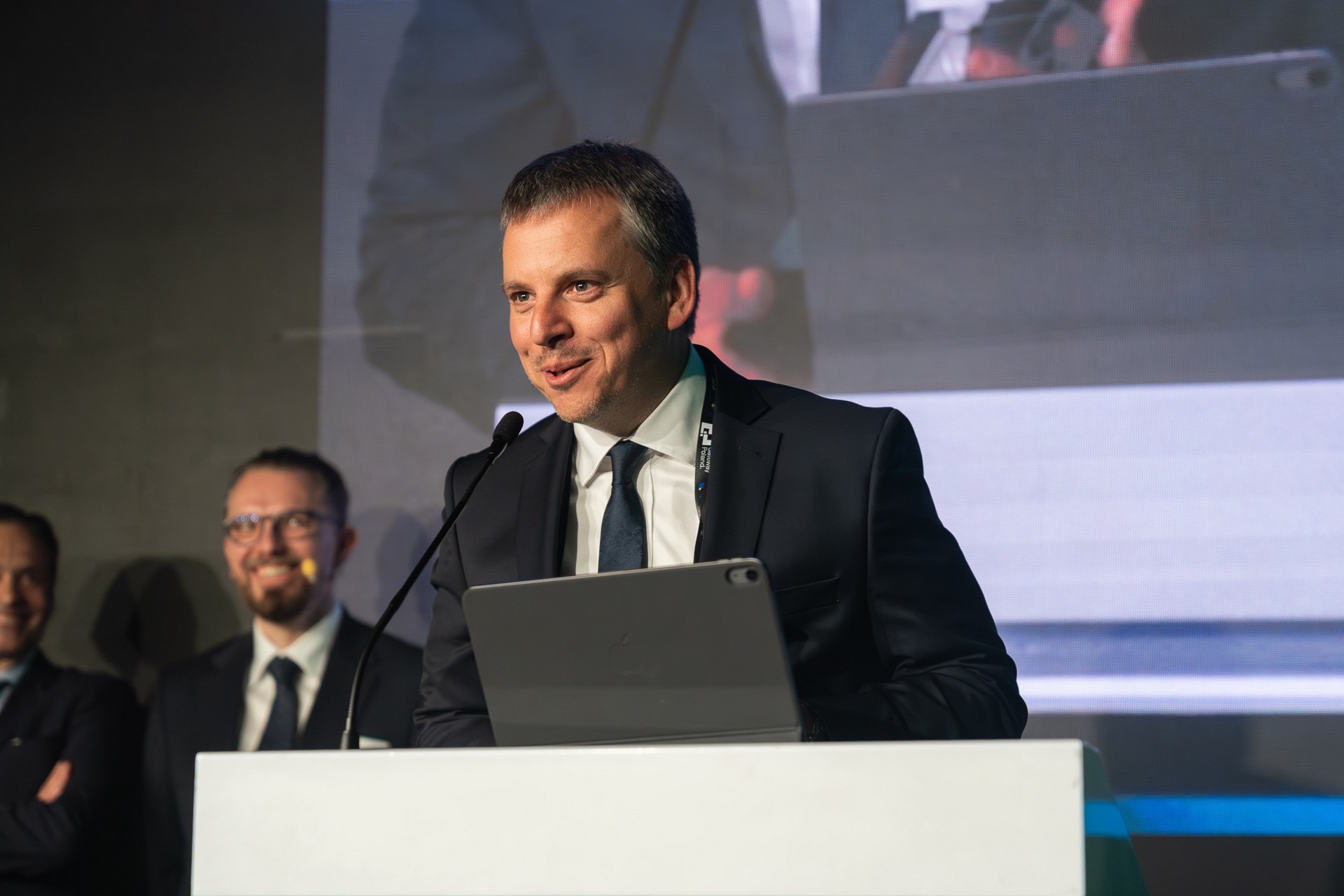
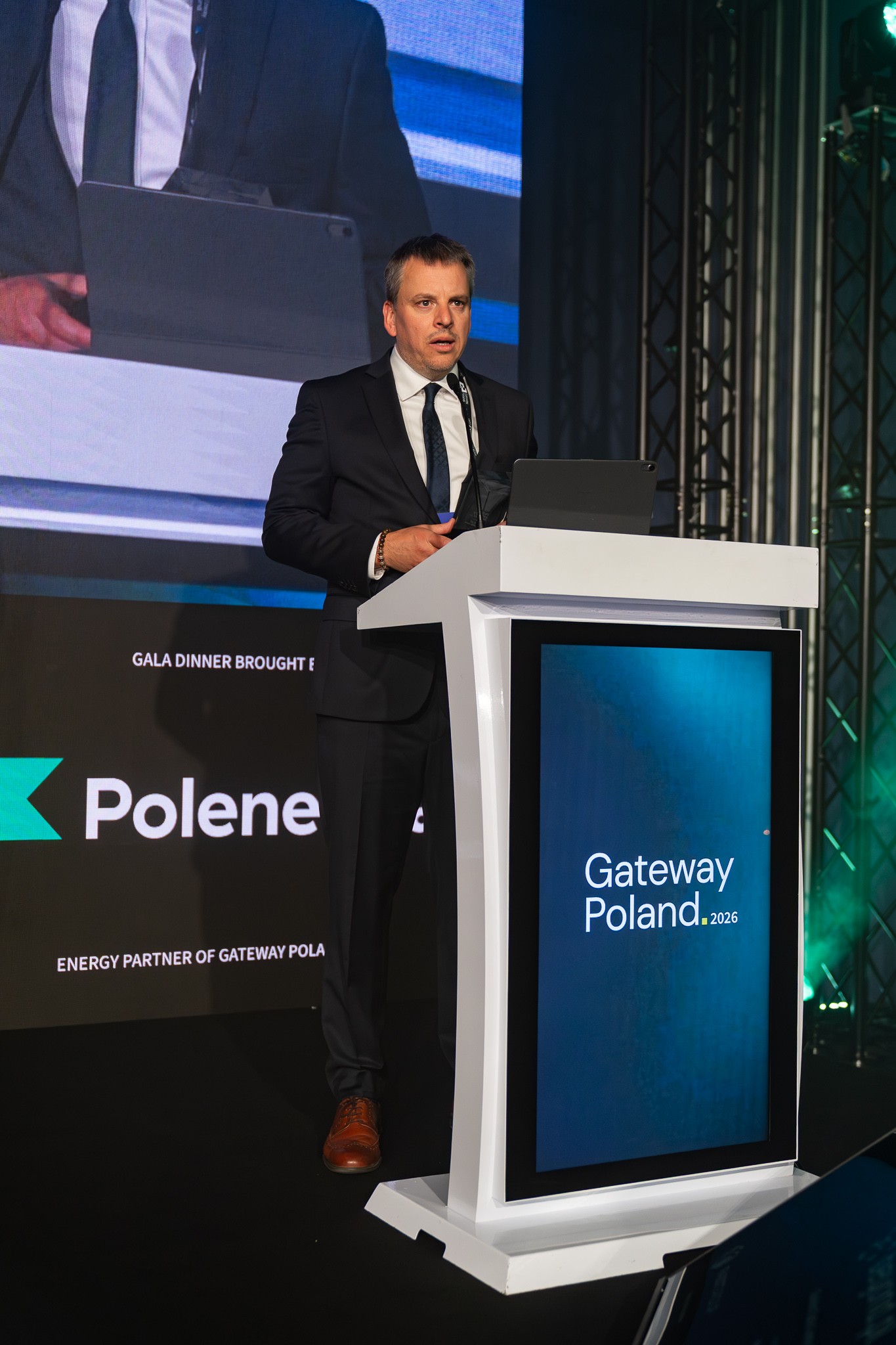
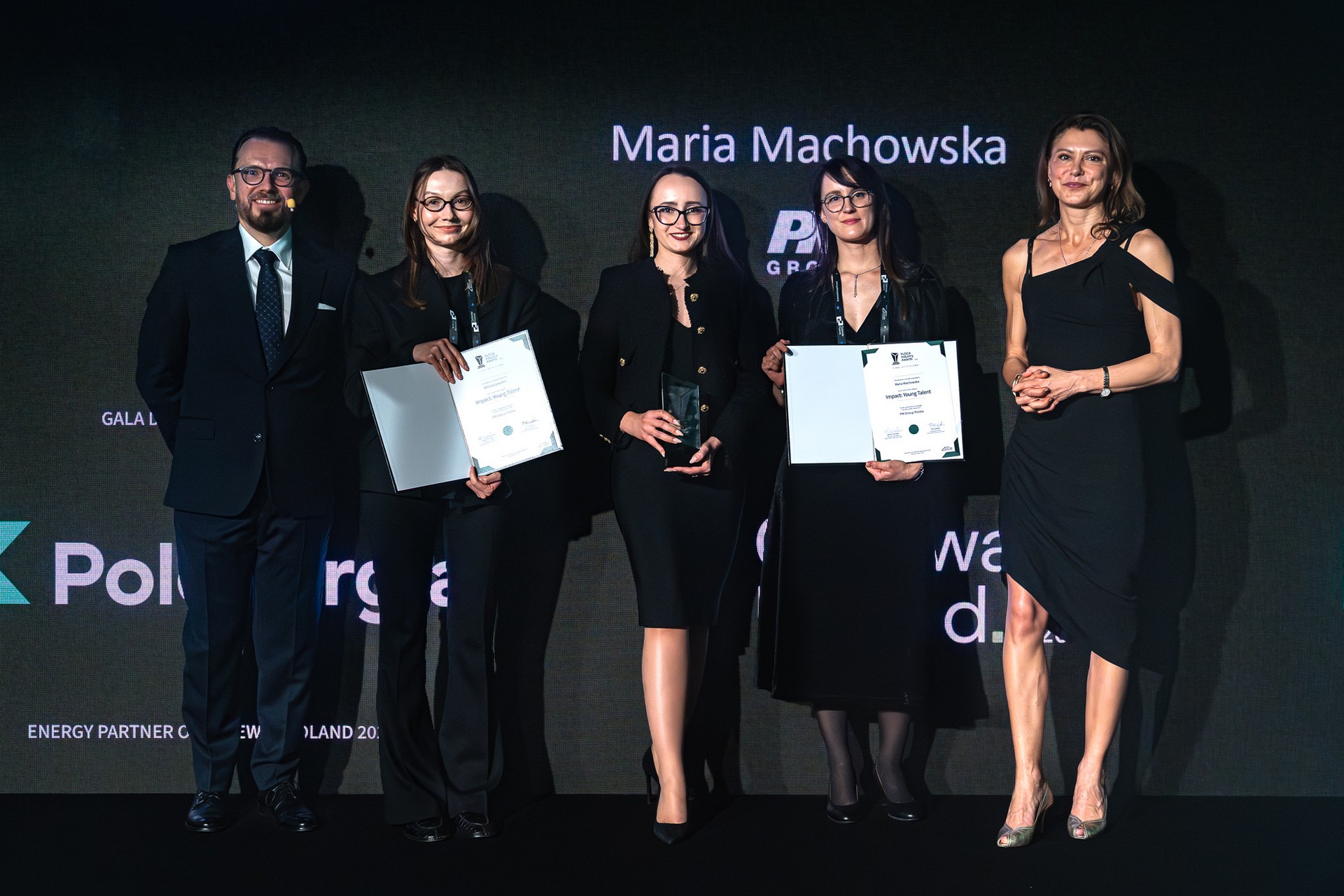
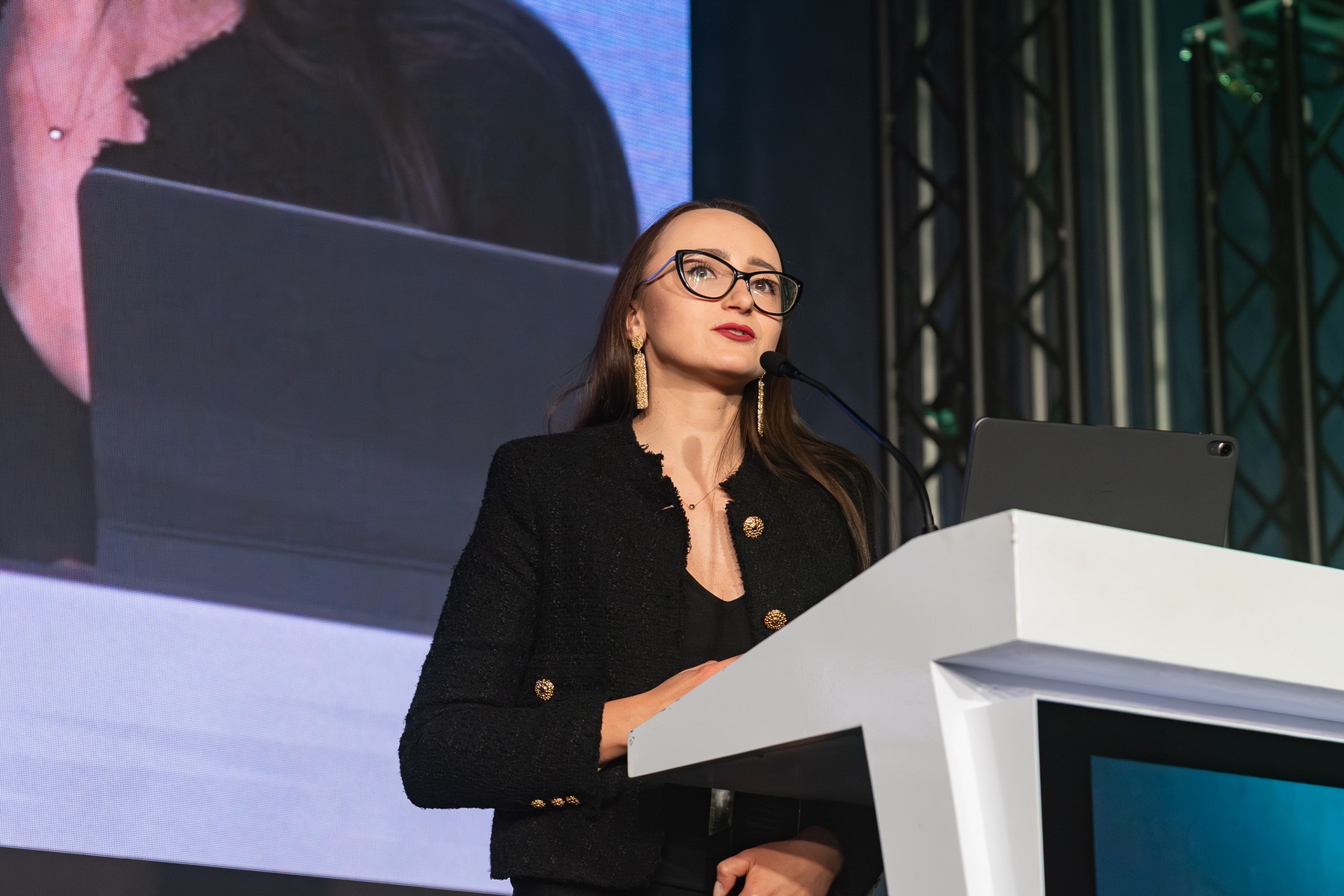
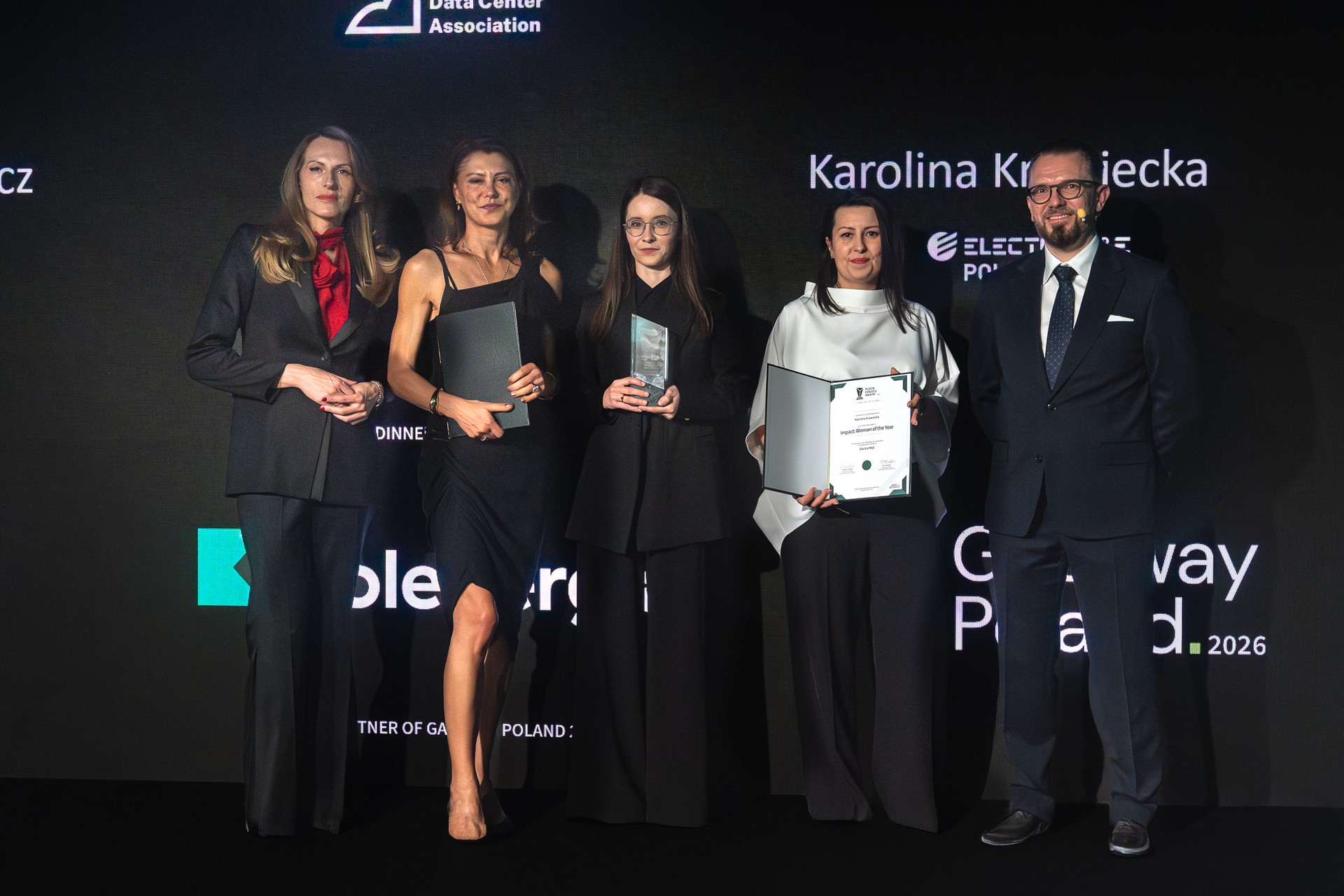
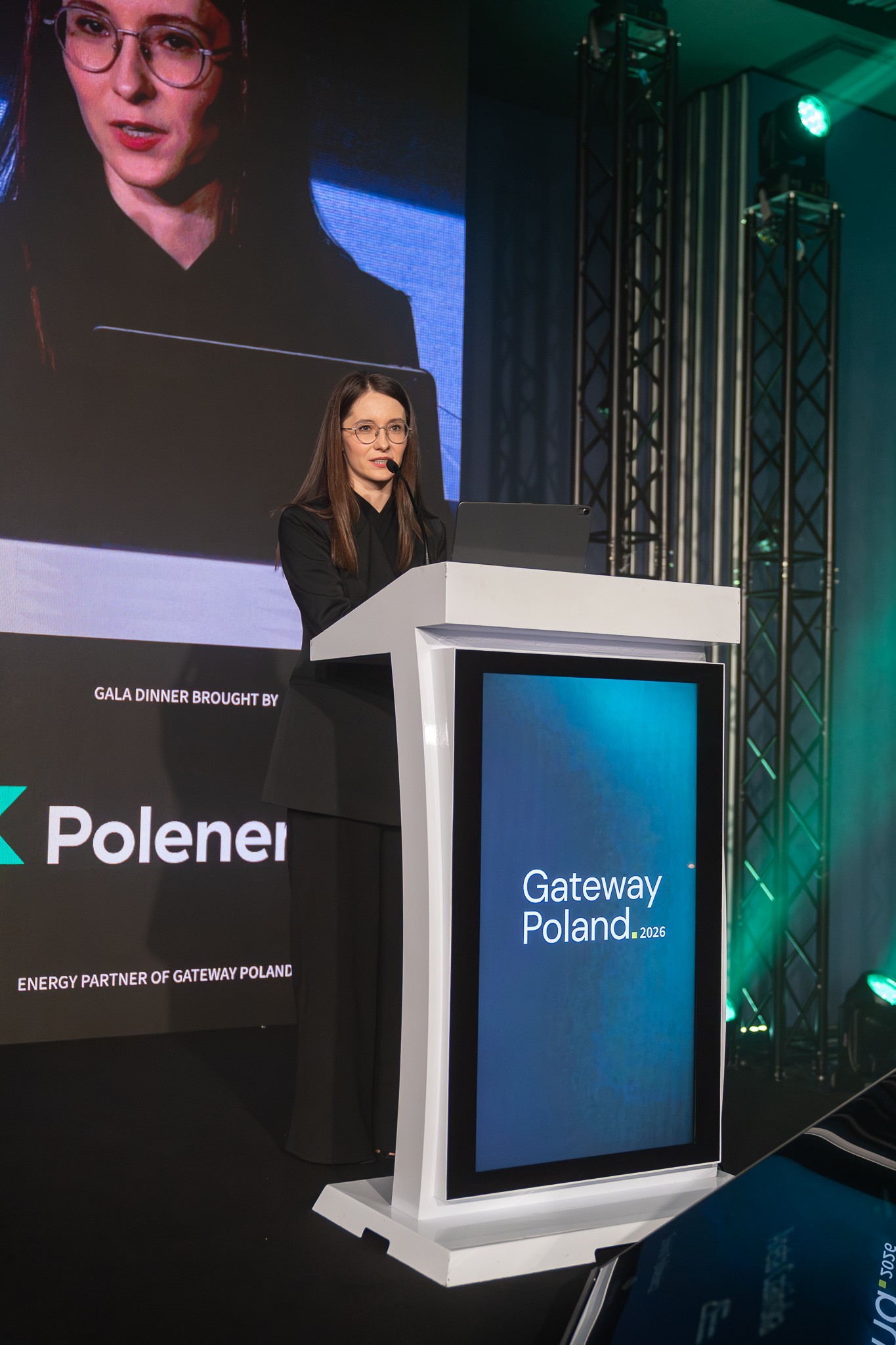
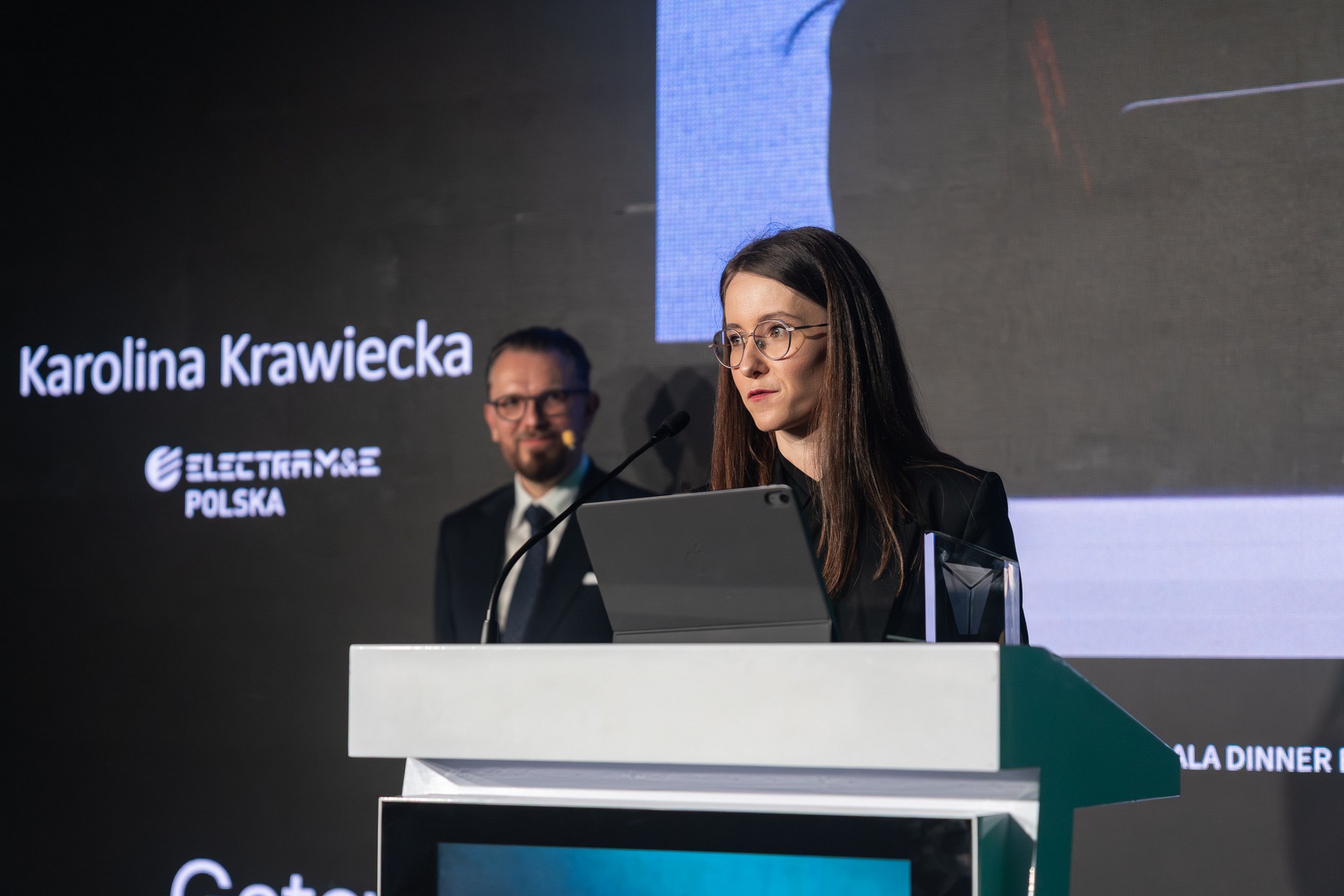
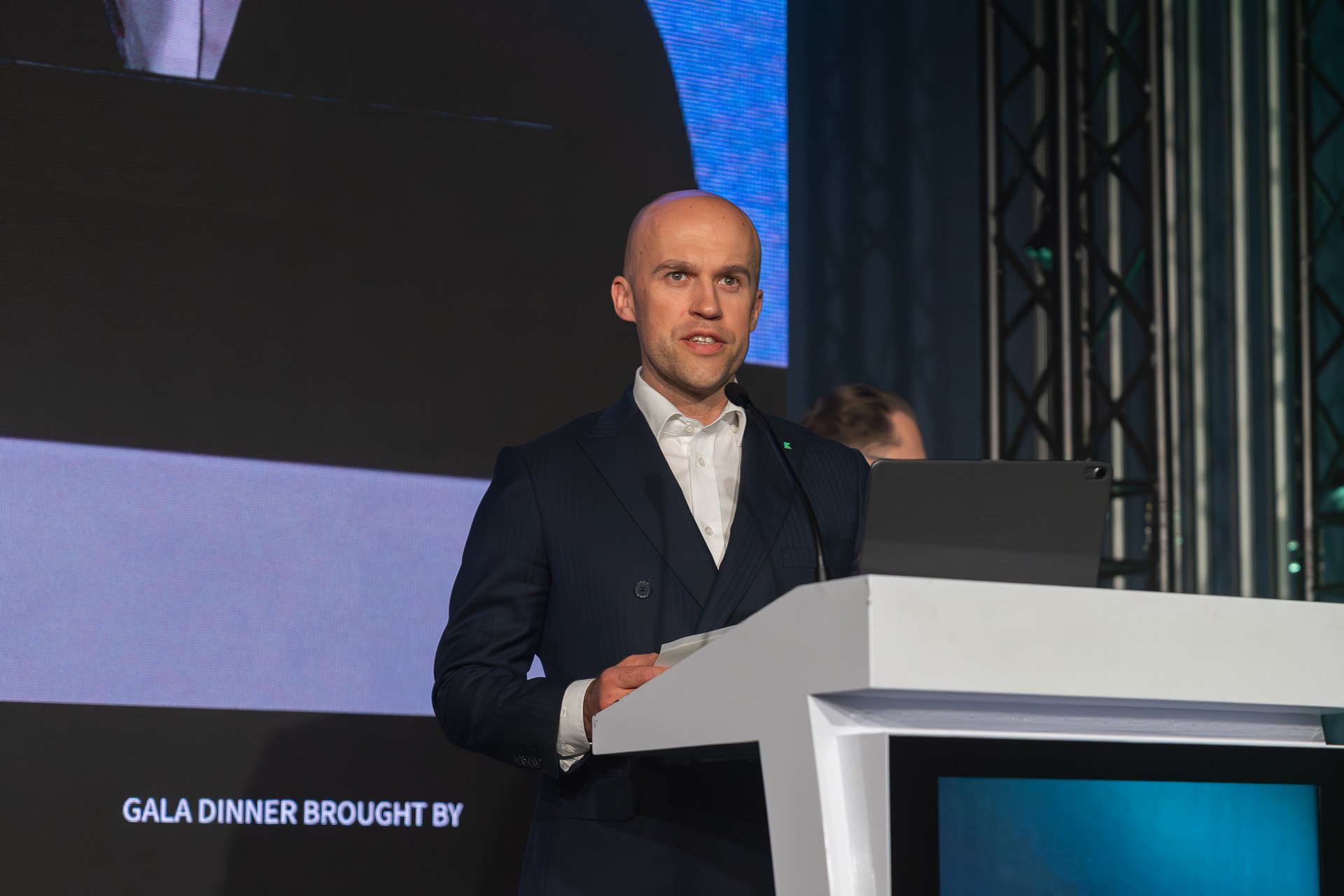
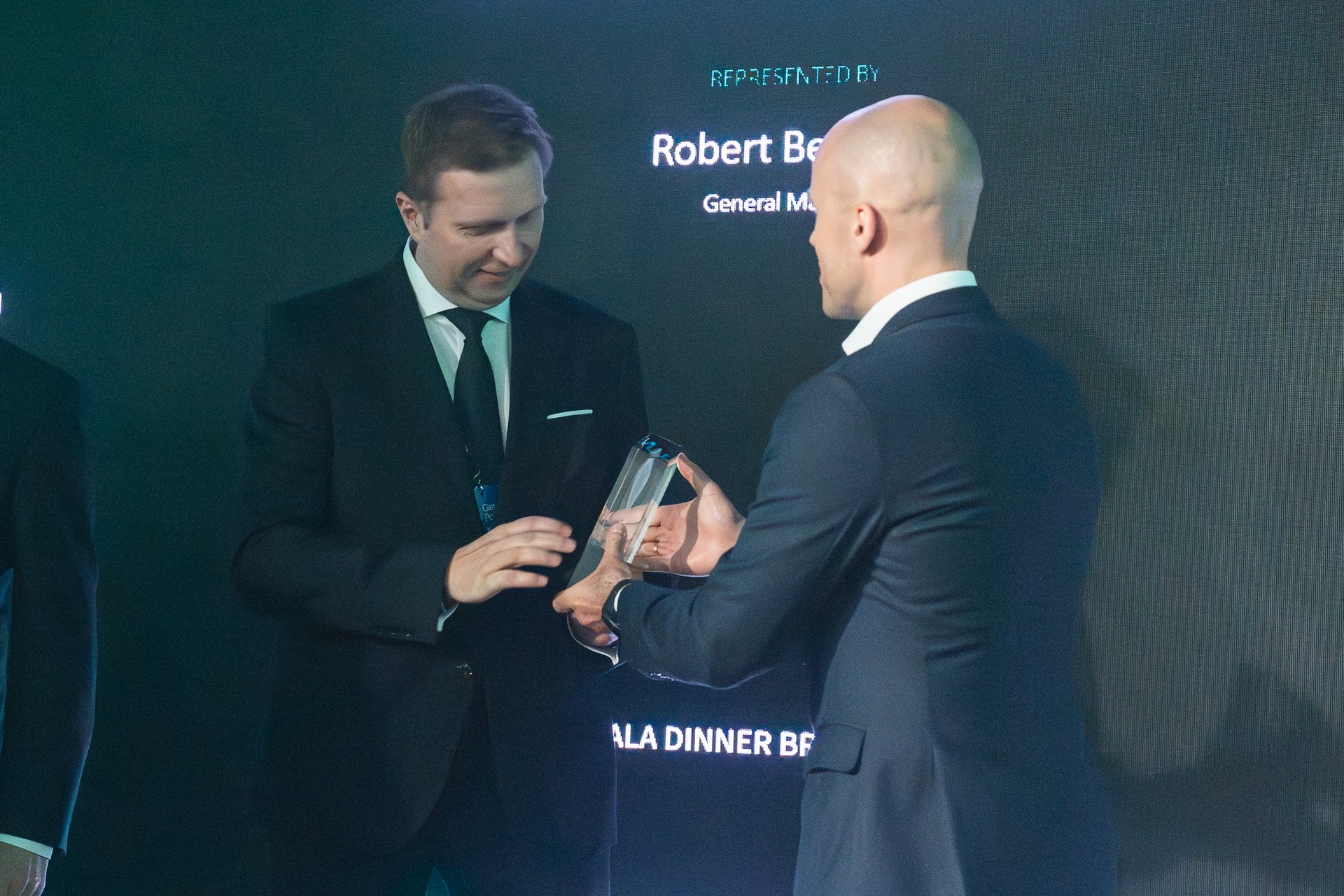
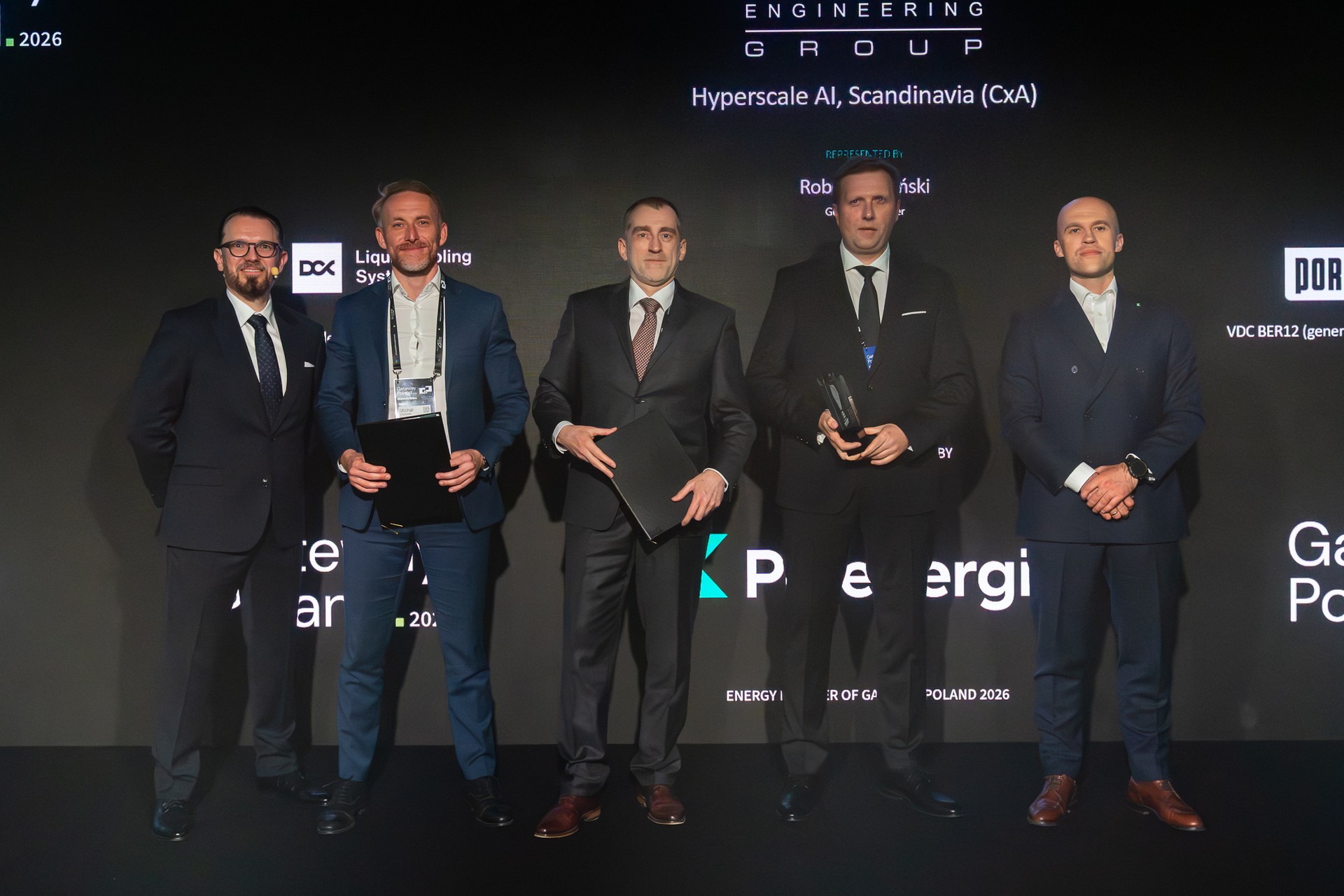
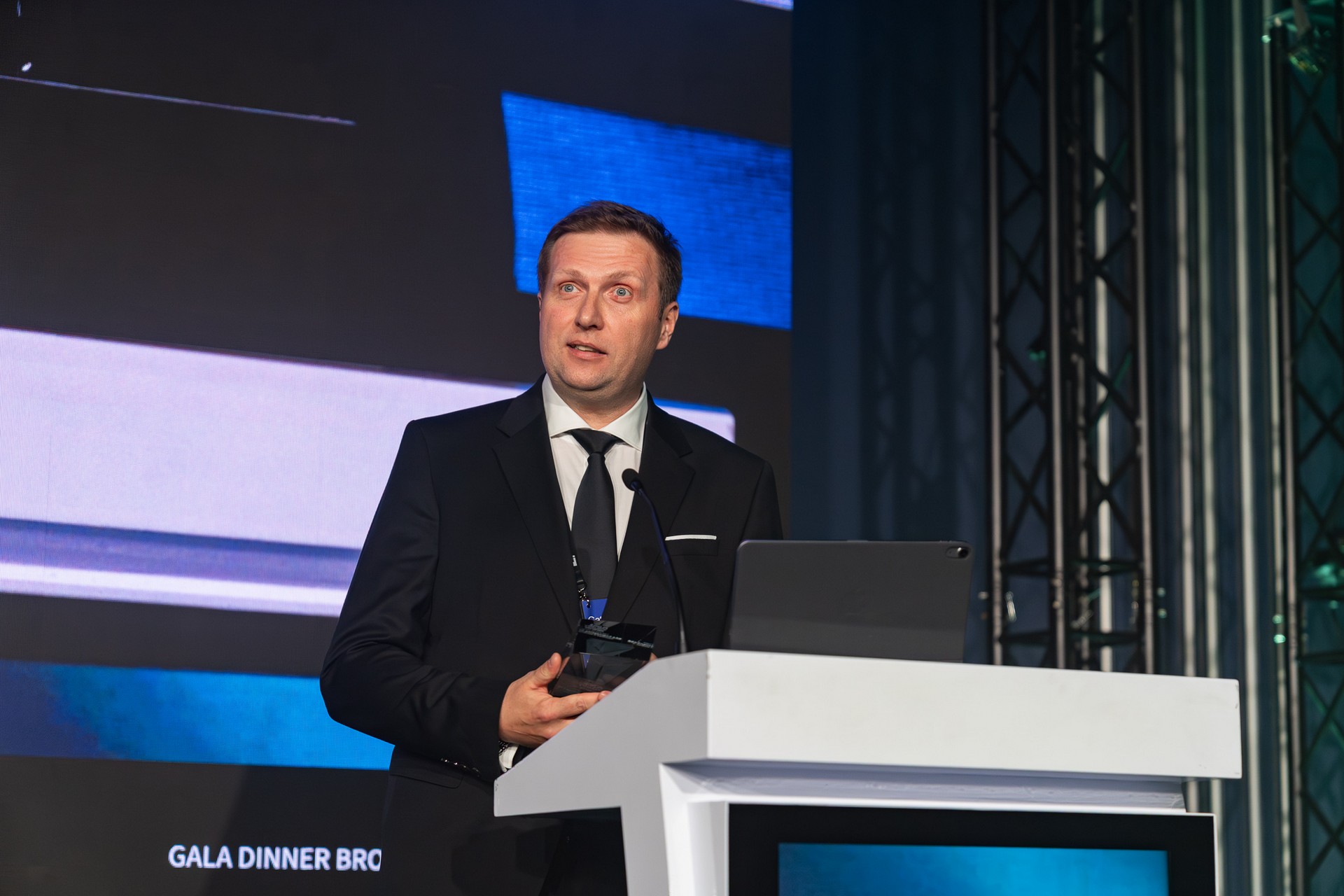
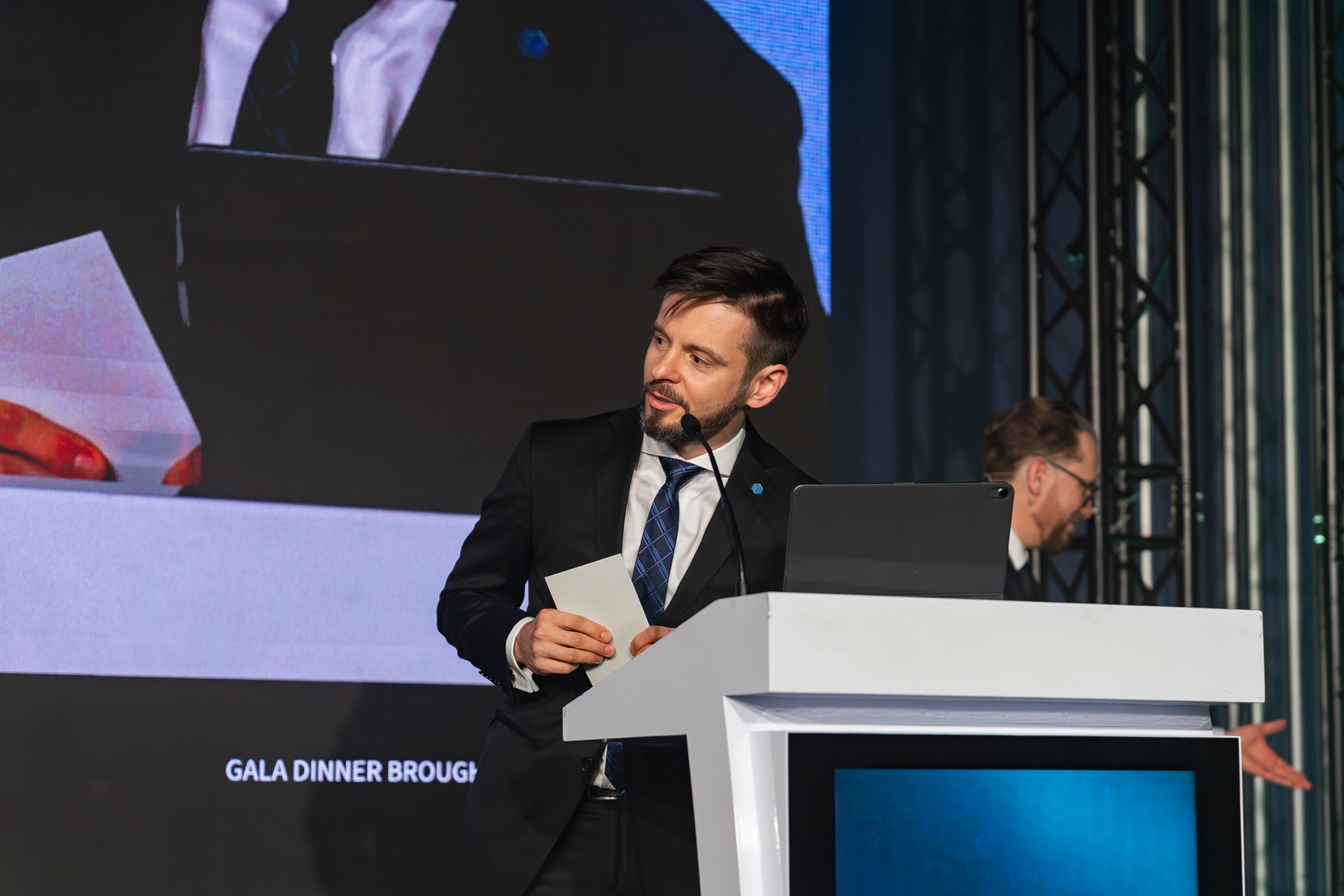
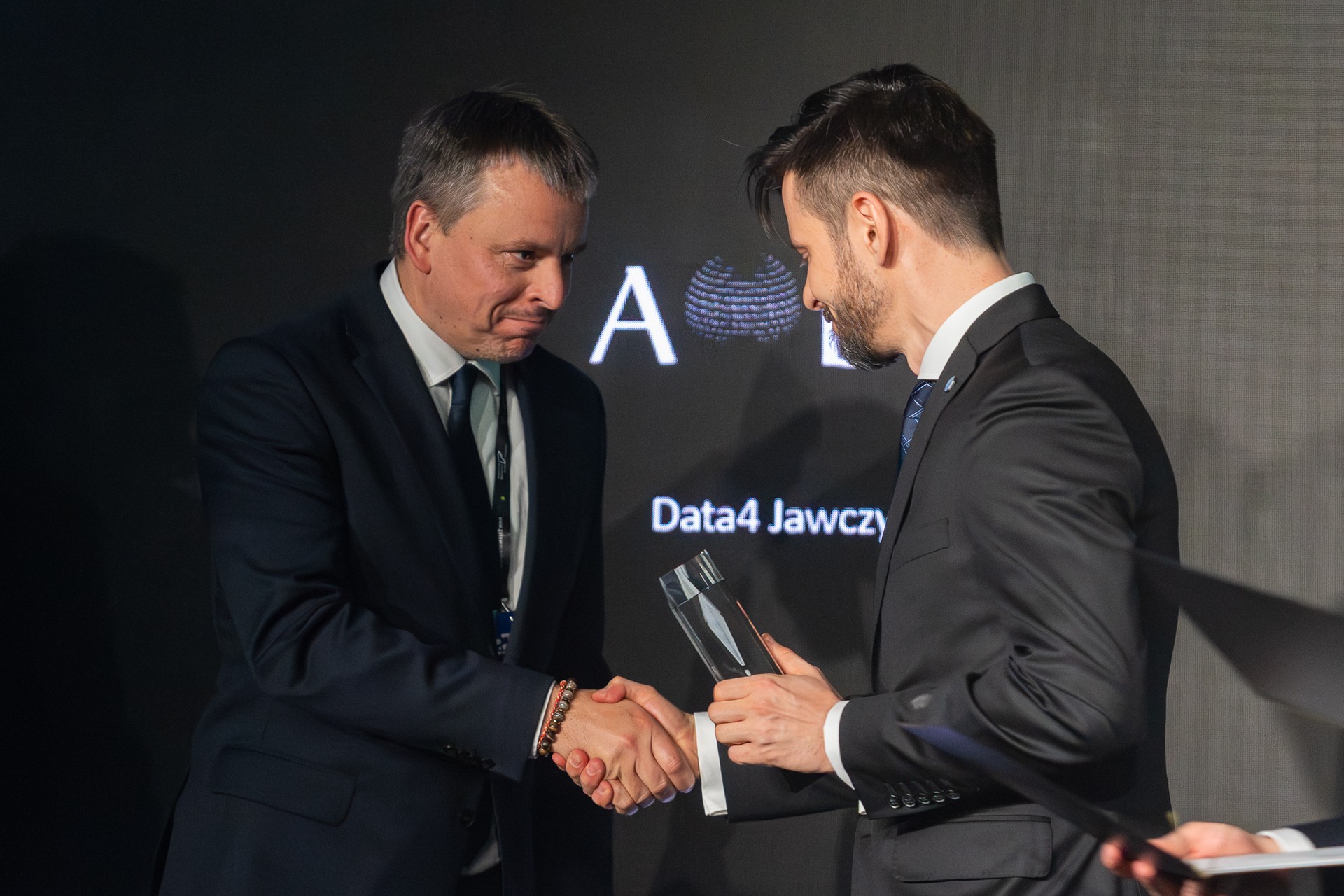
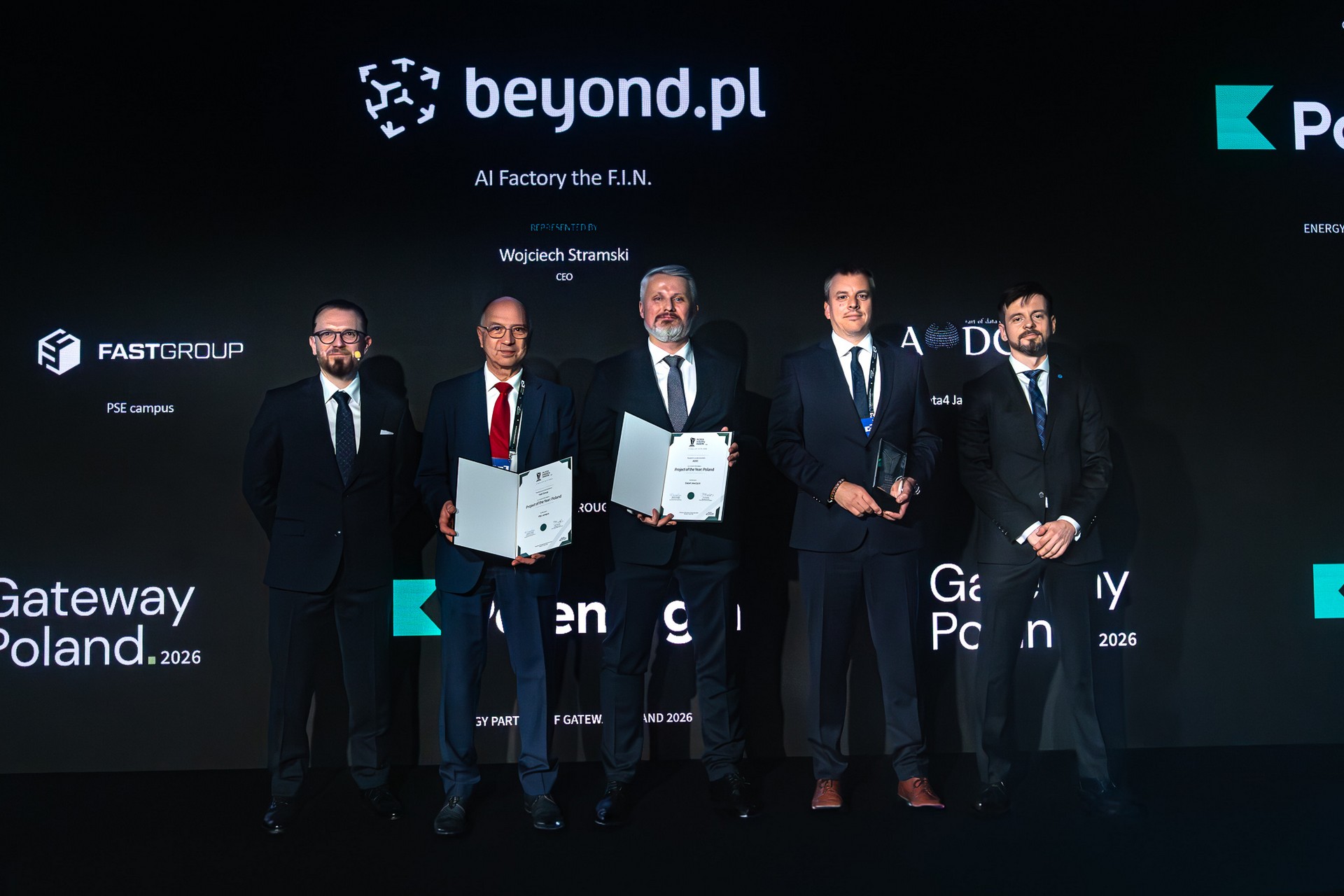
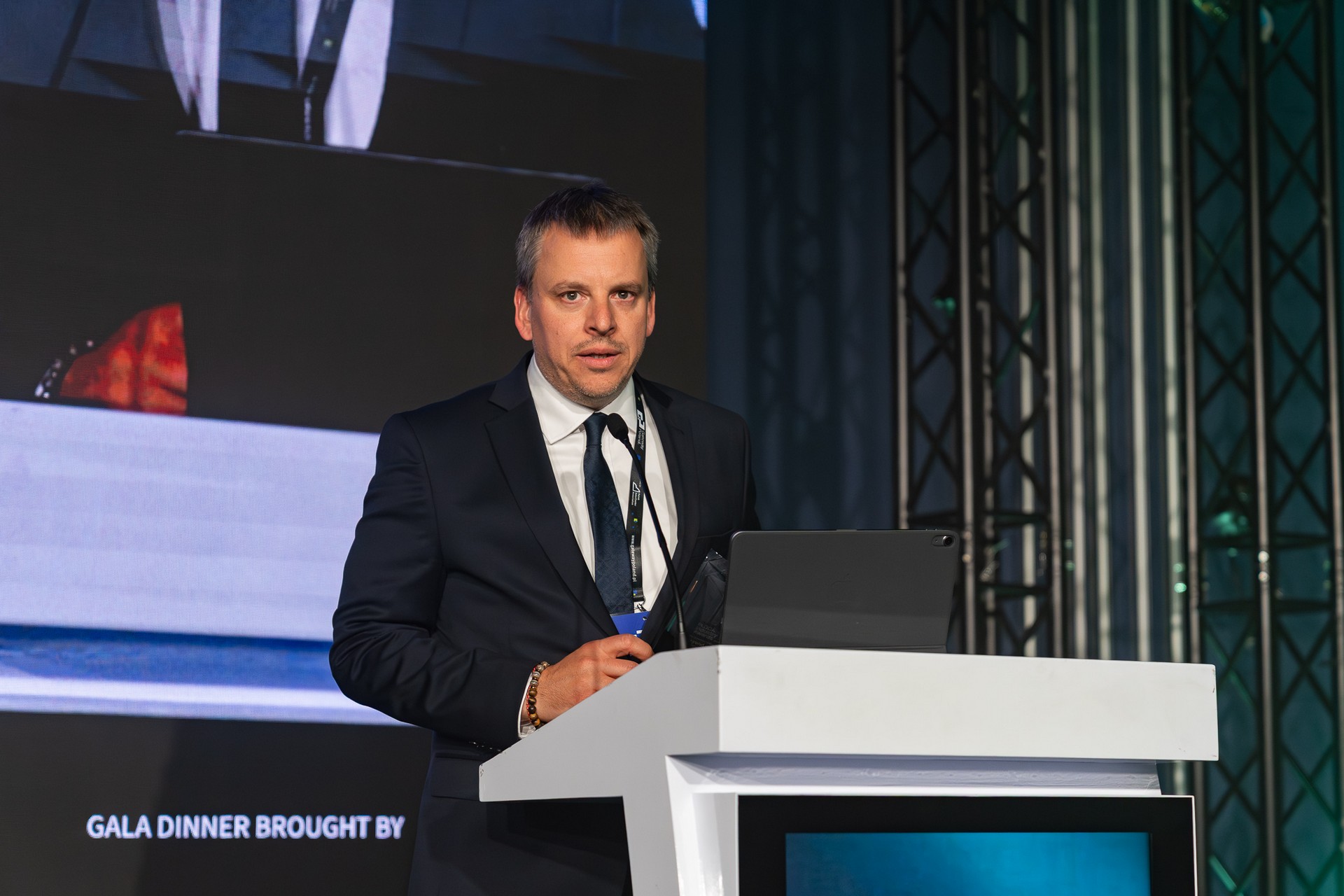
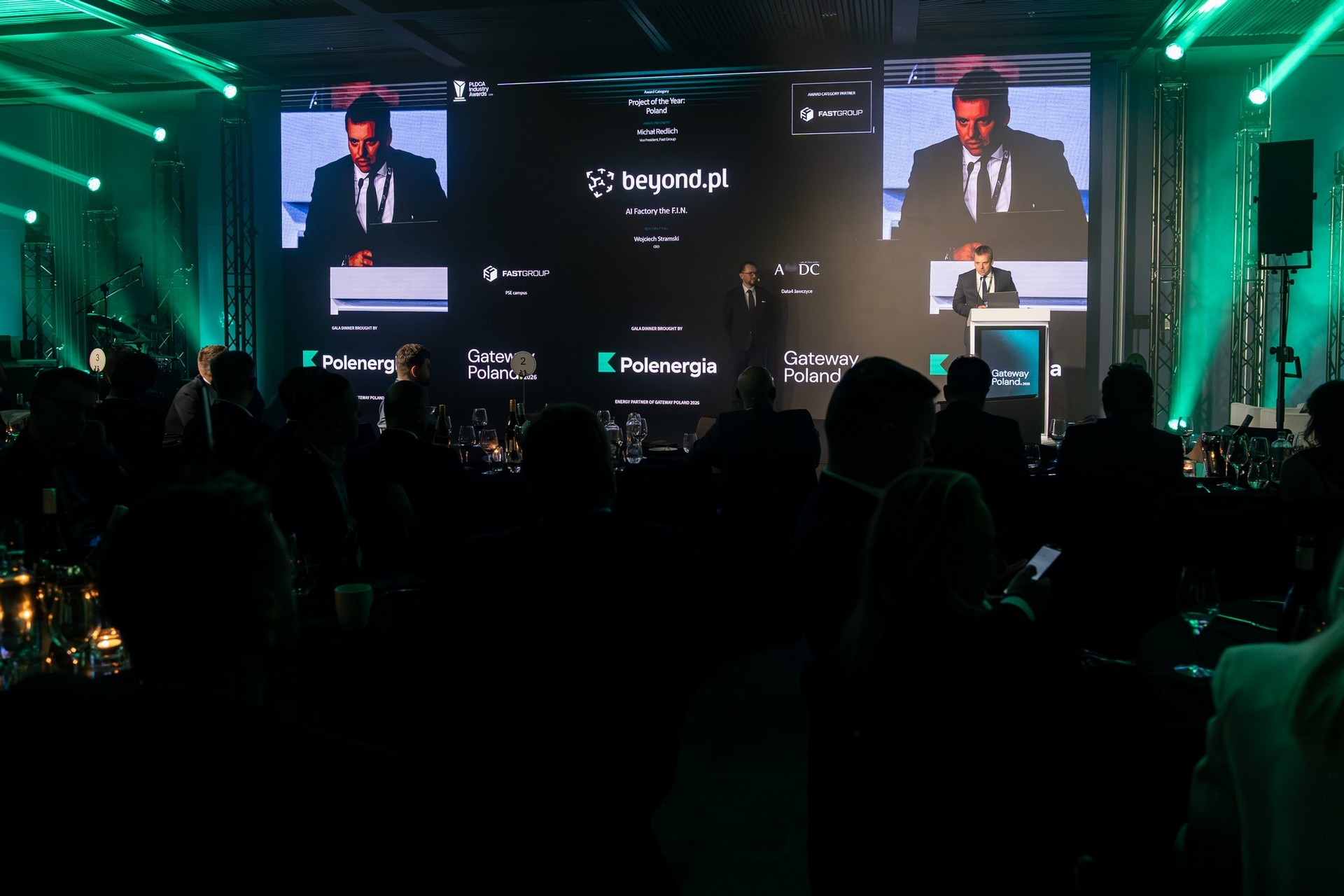
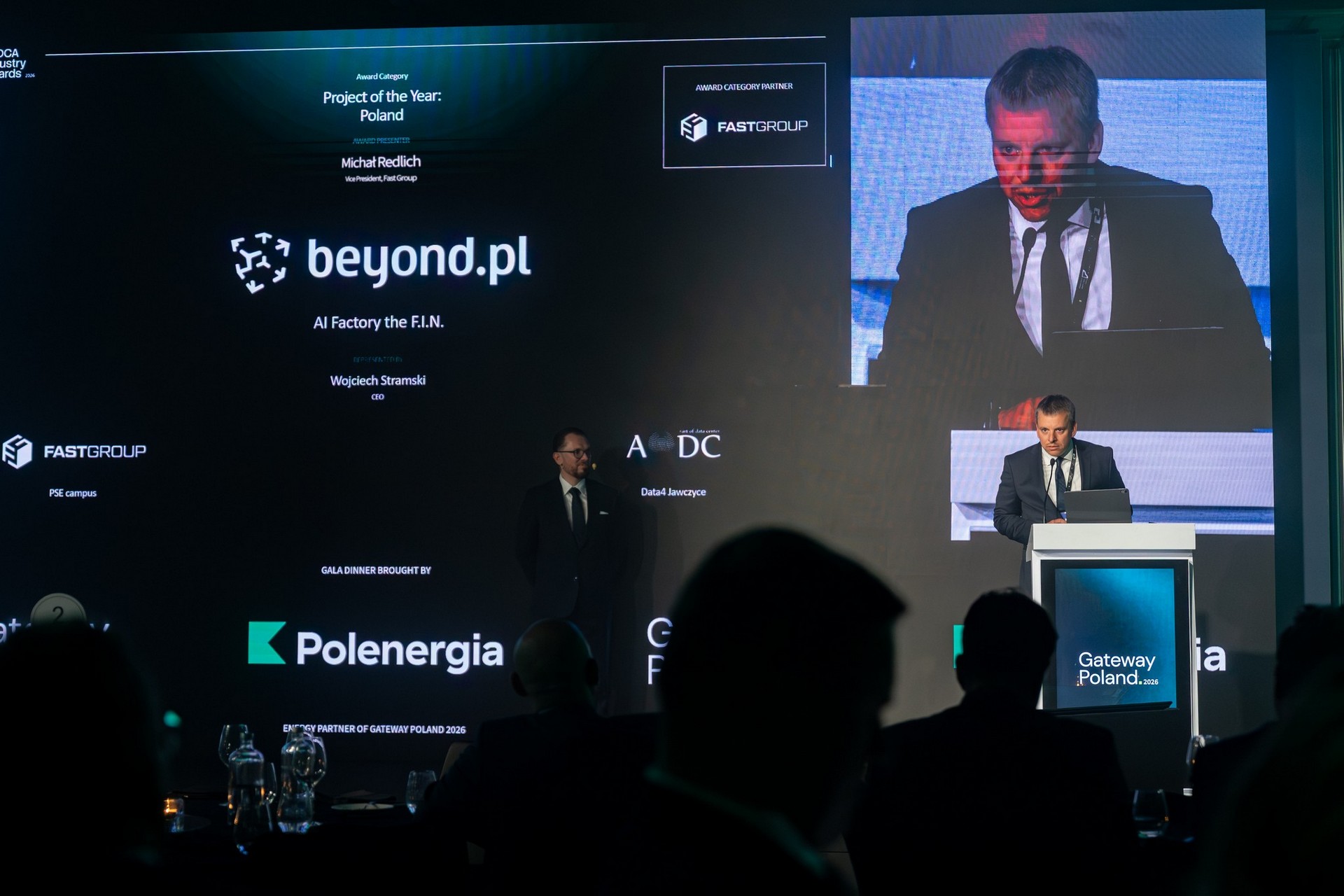
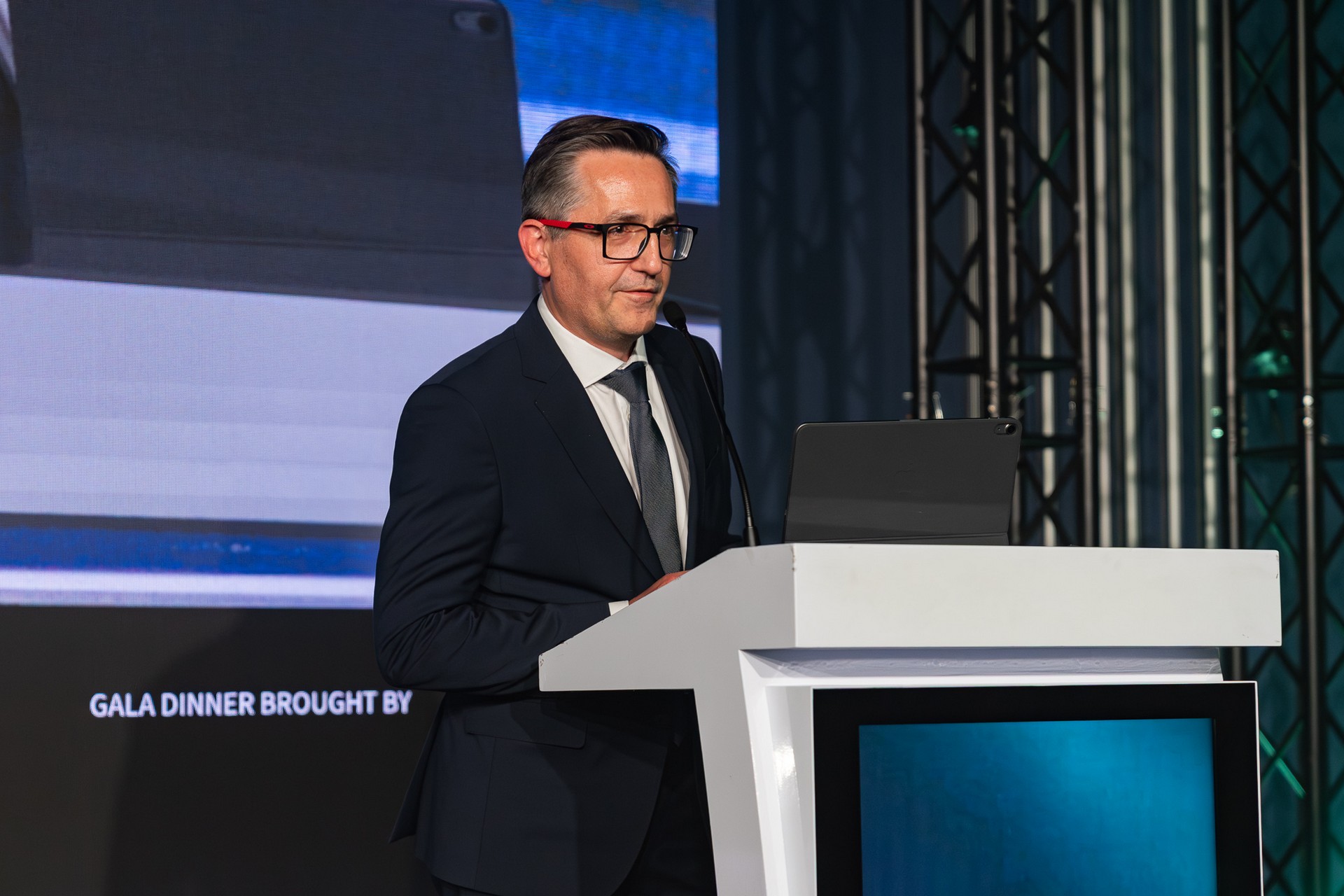
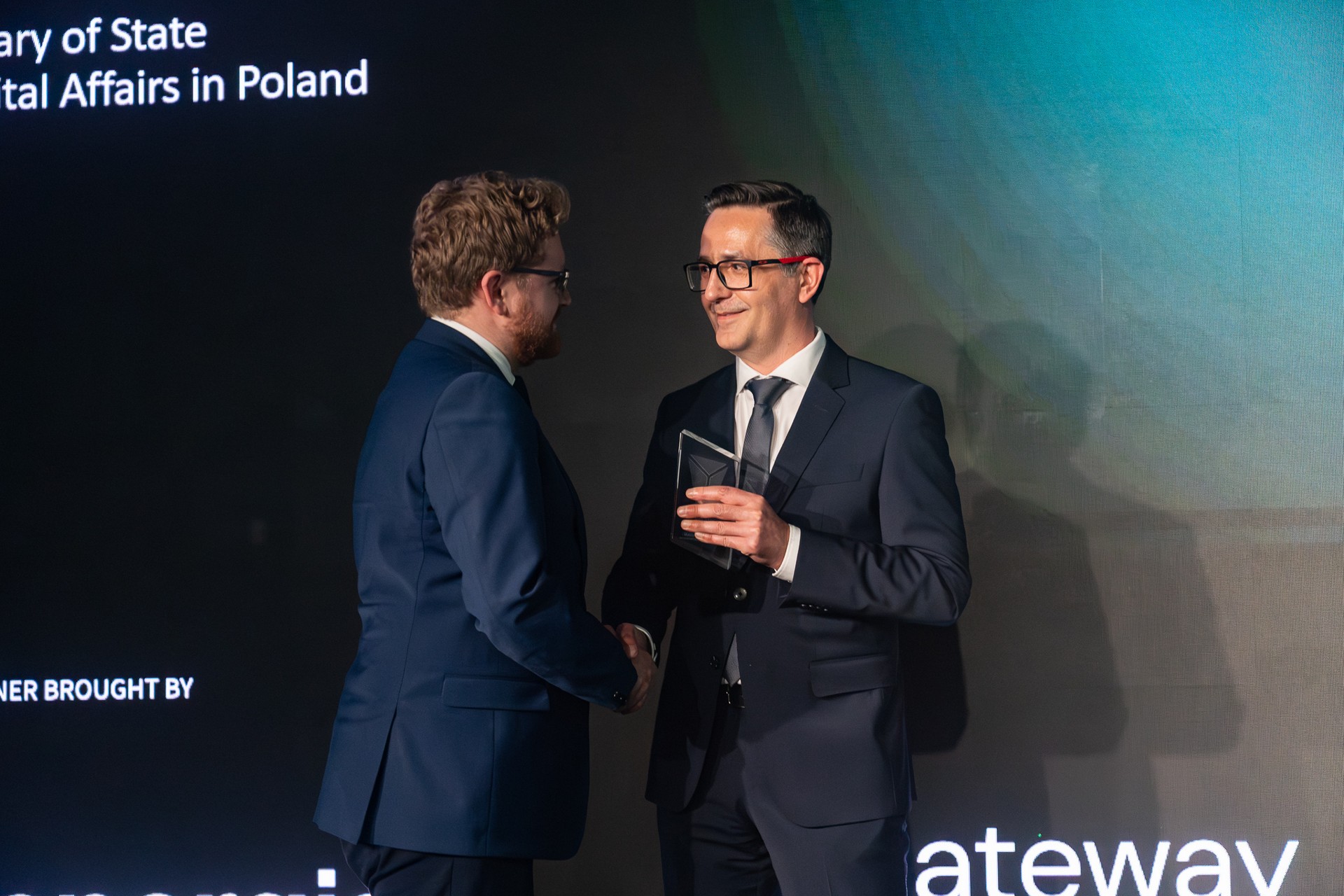
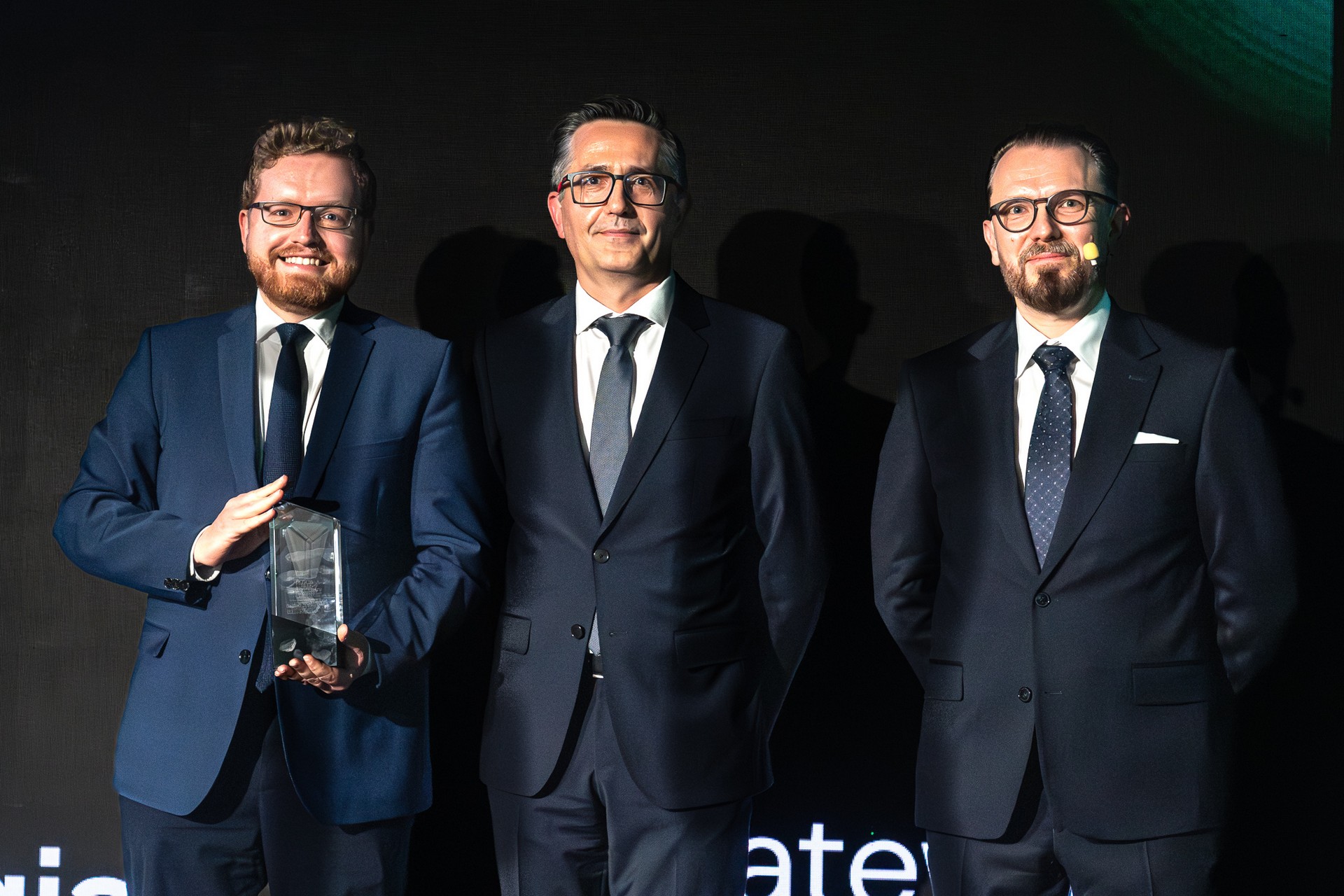
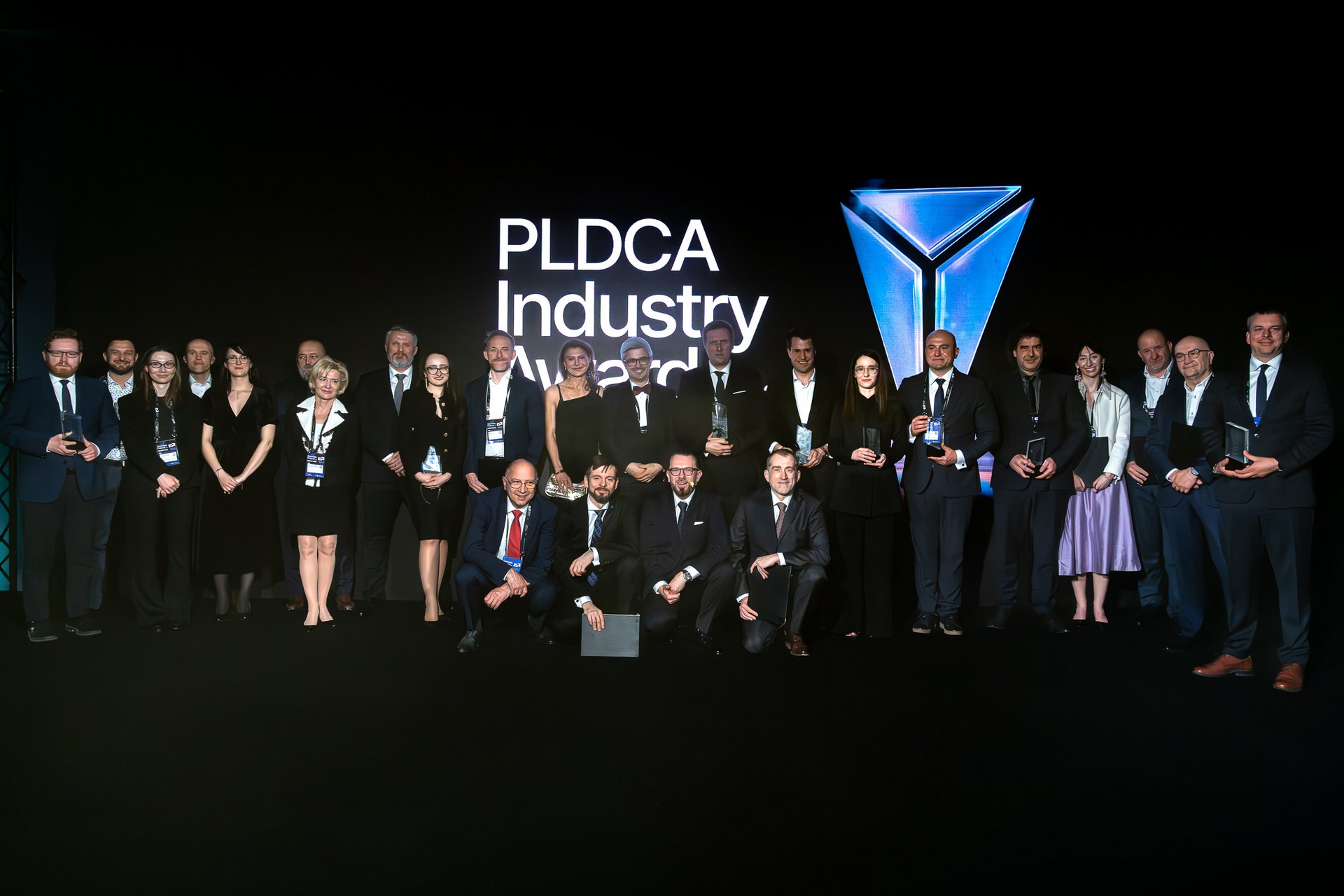
On 14 April, during the Gala Dinner, the inaugural PLDCA Industry Awards were presented. These distinctions, granted by the Polish Data Center Association, recognise companies, projects and leaders who contribute in a meaningful way to shaping the development of the digital infrastructure market in Poland and across Europe. The evening combined formal recognition with a programme of high-level contributions, setting the tone for the discussions that followed.
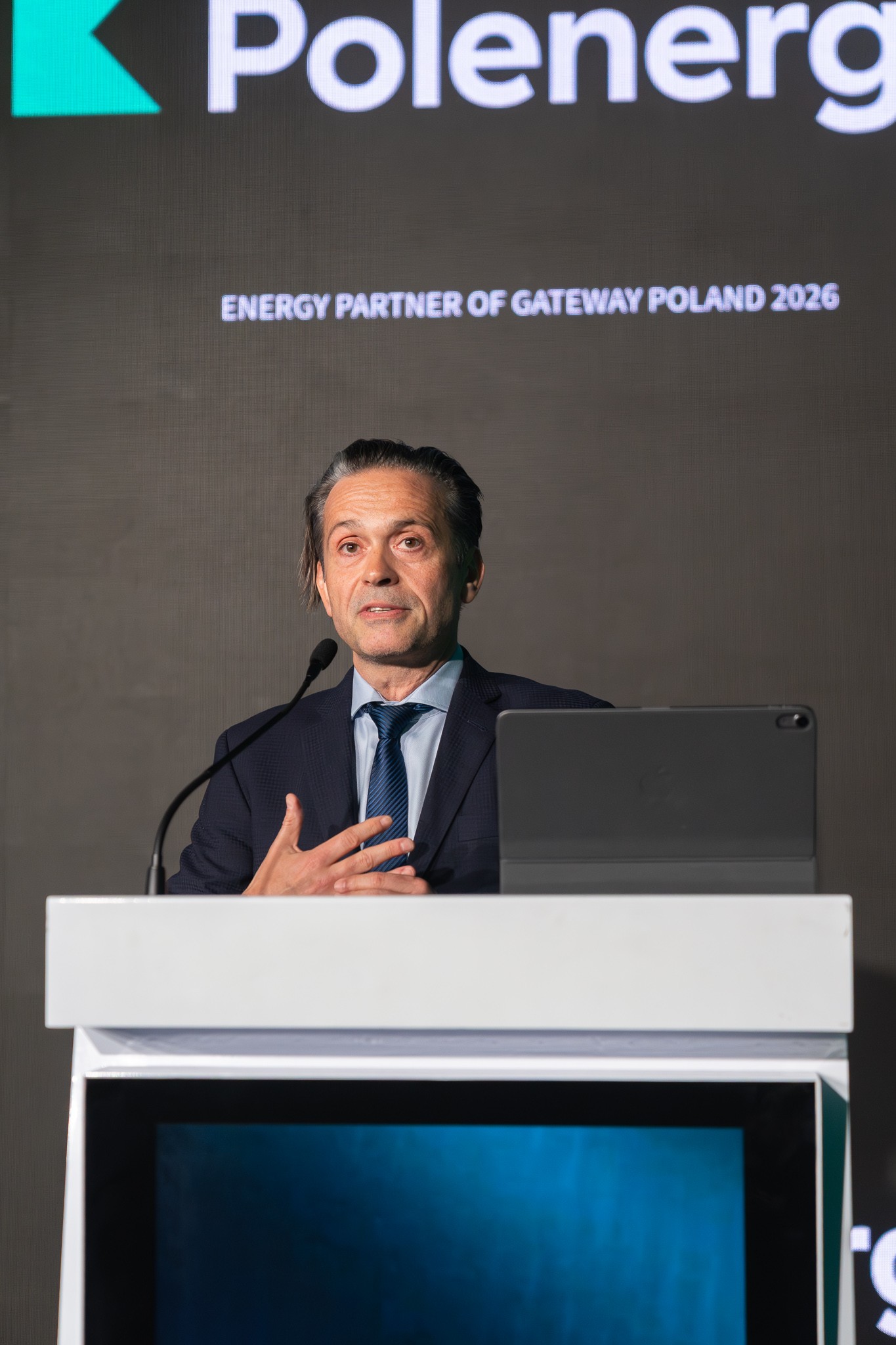
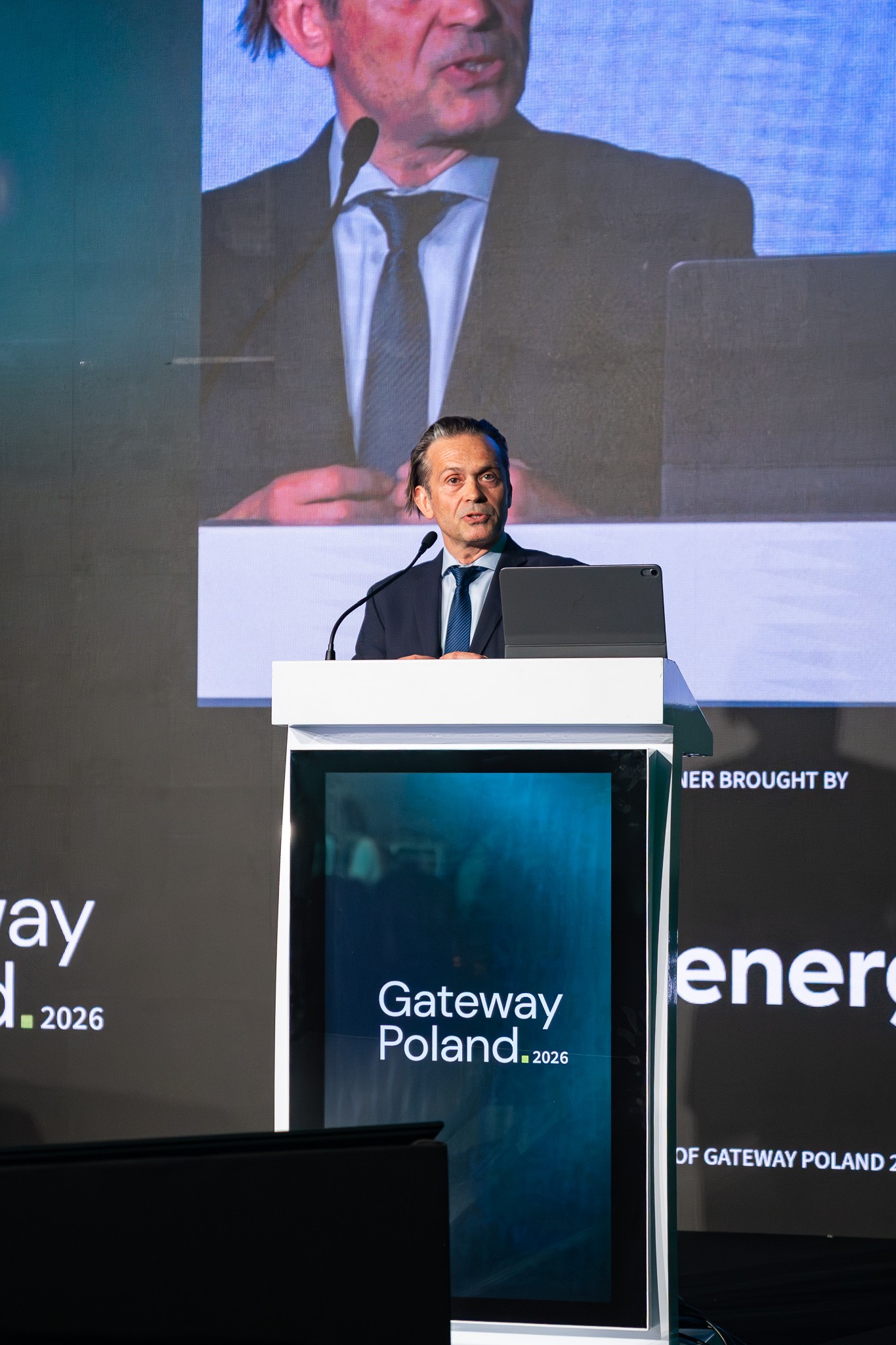
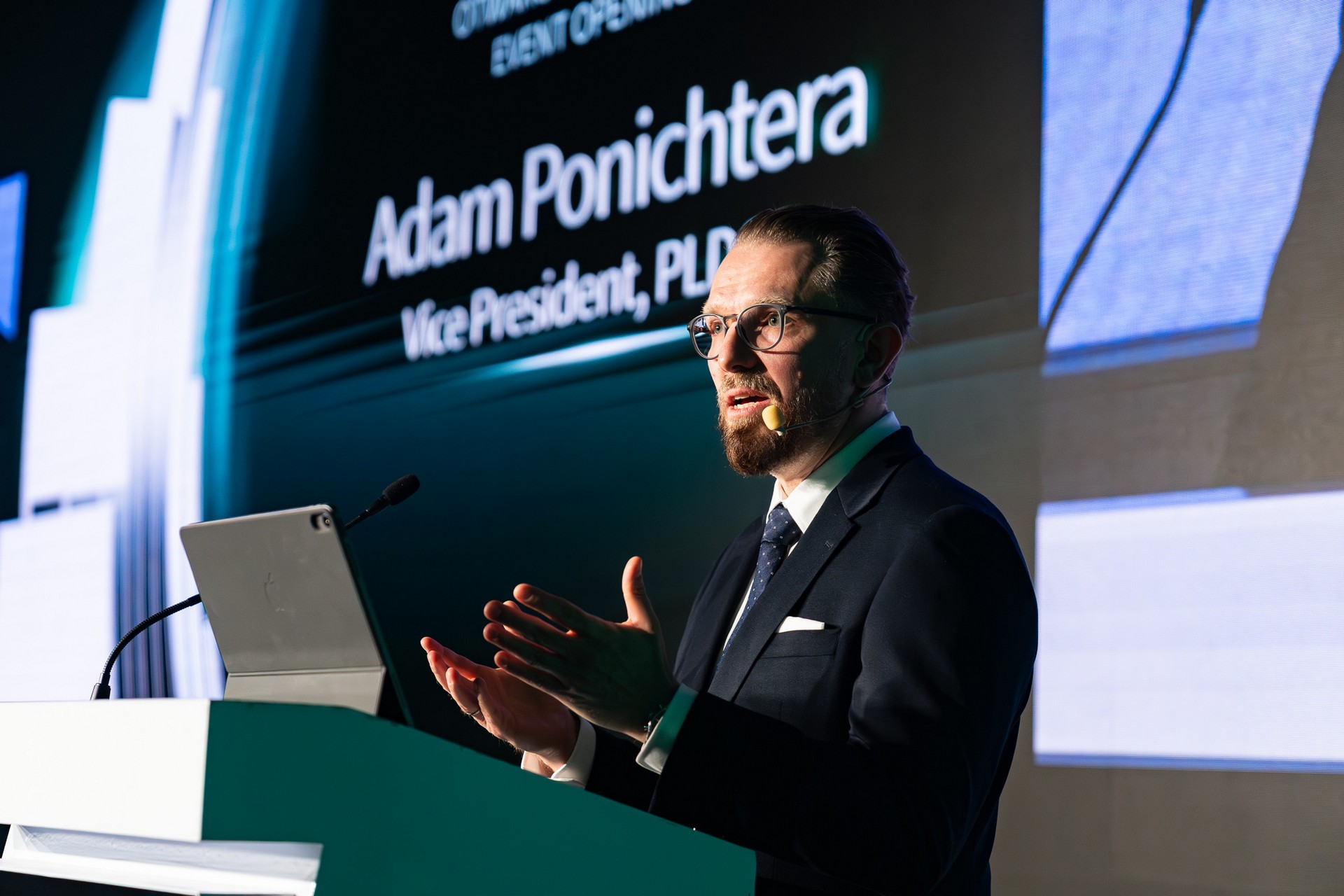
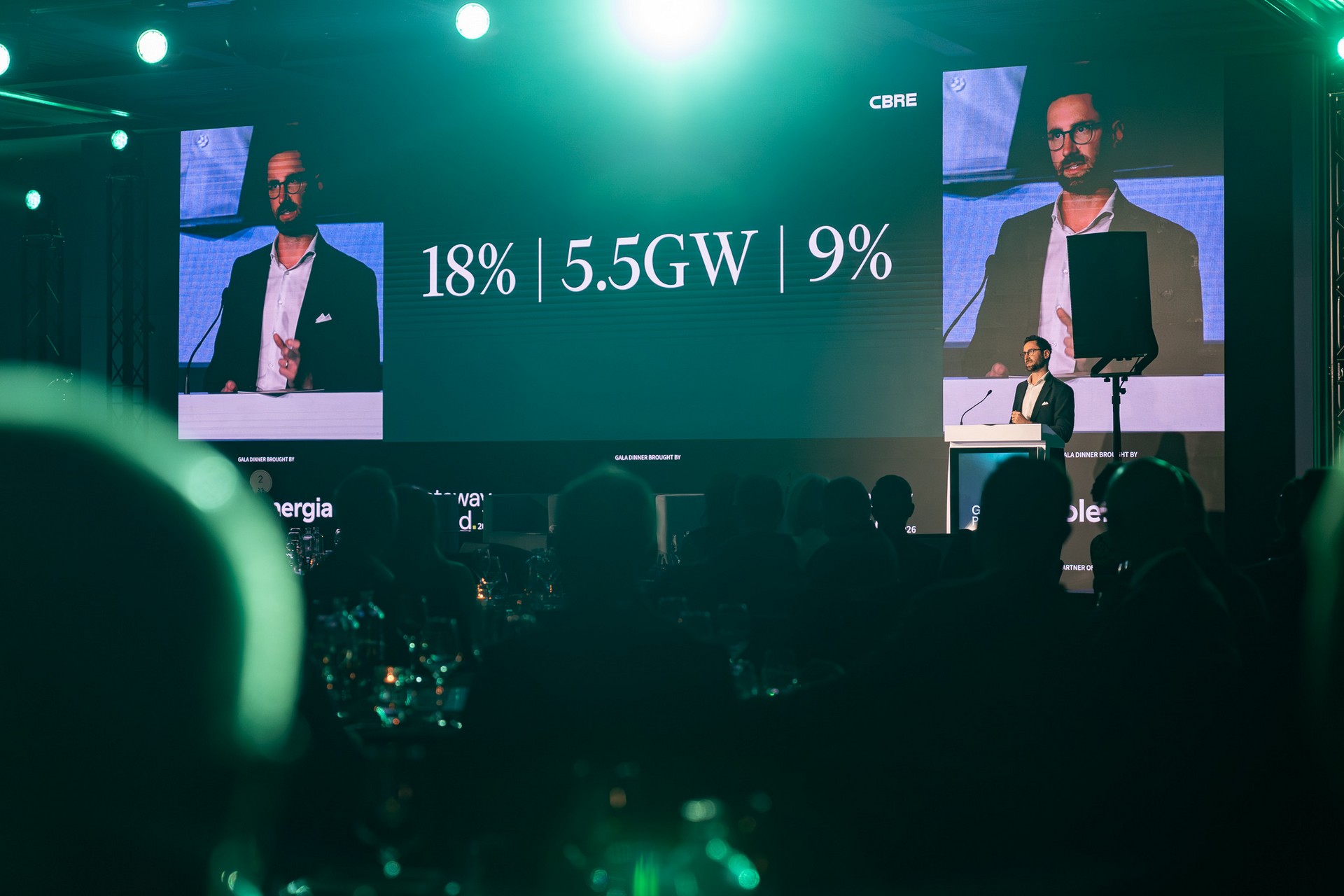
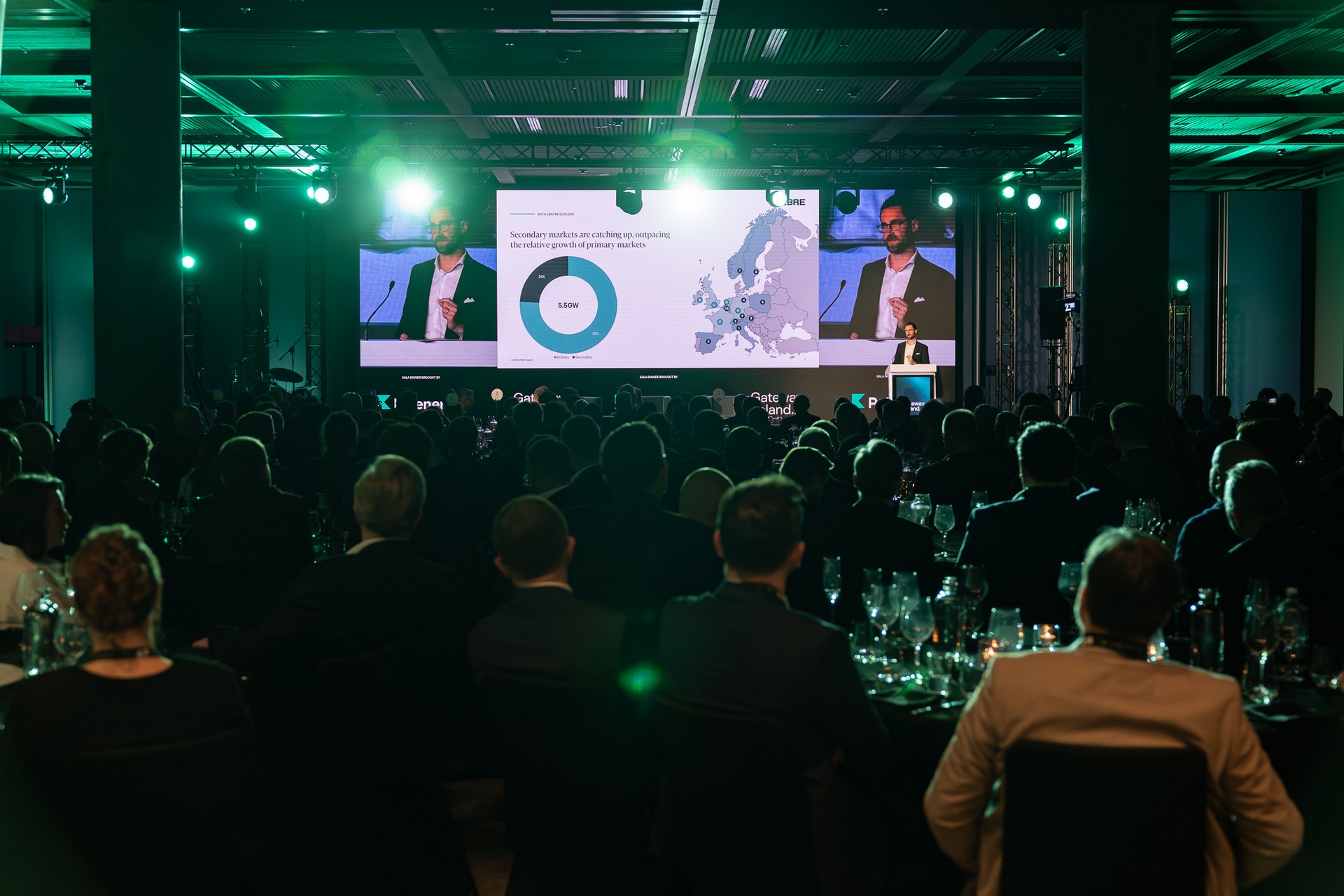
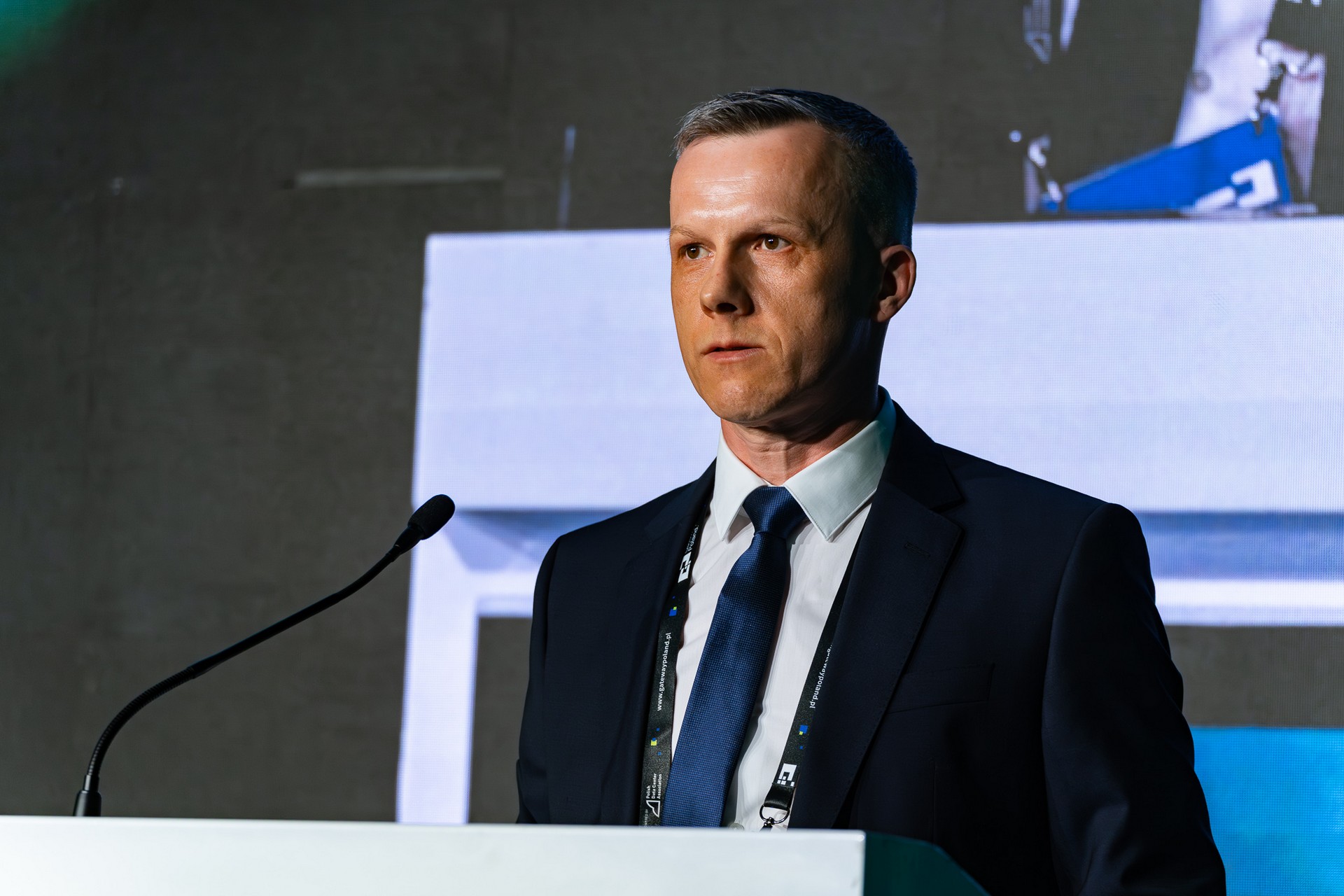
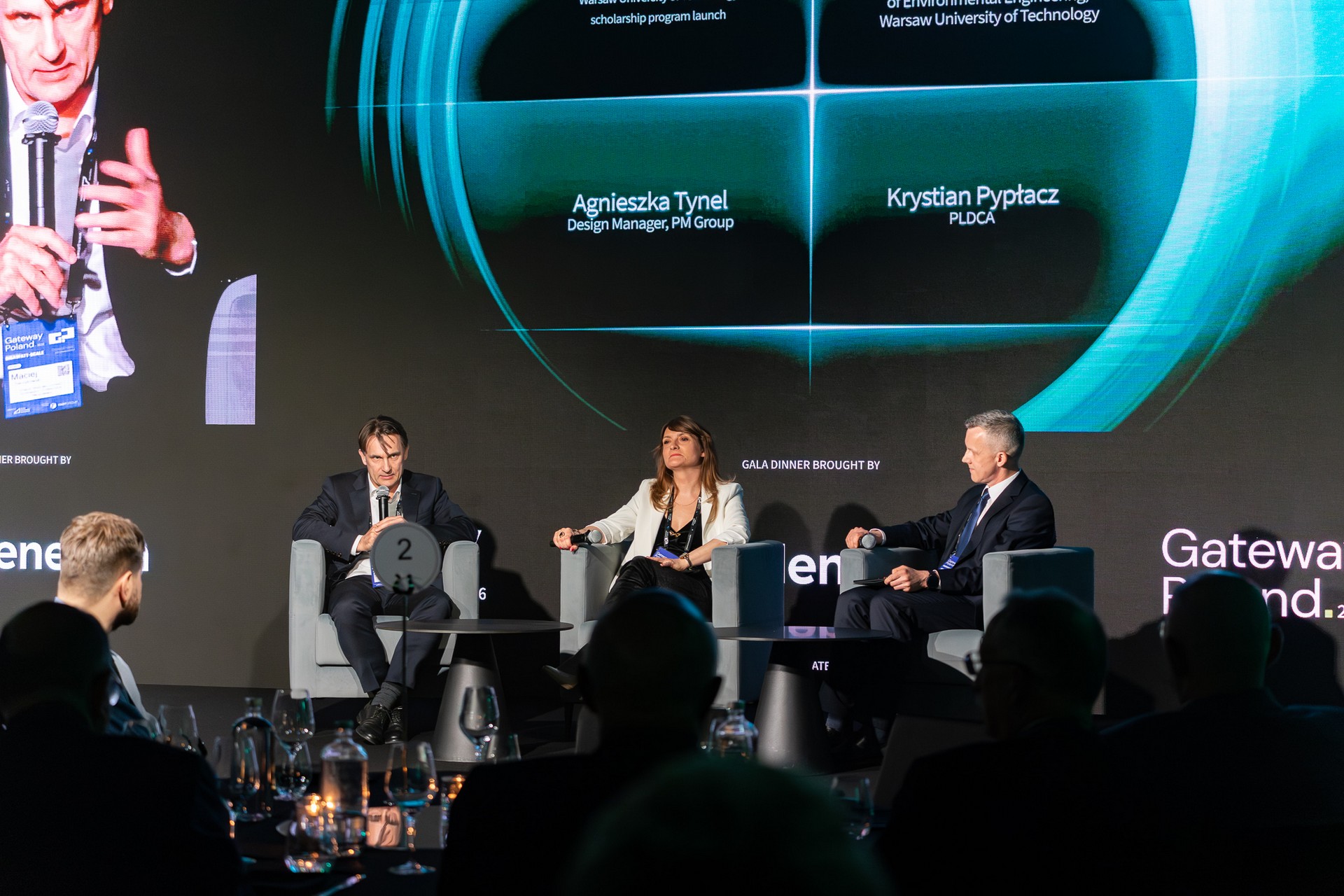
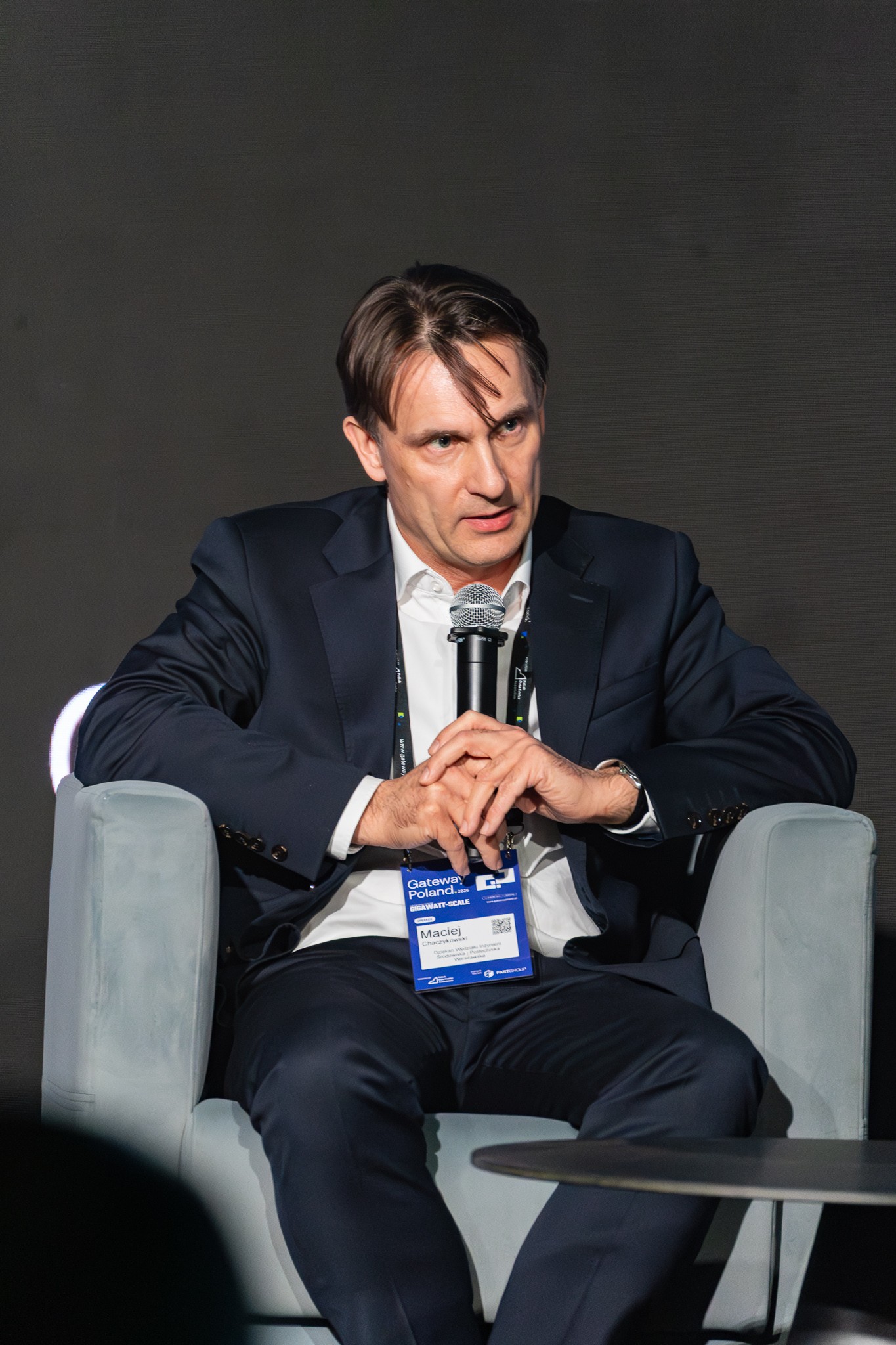
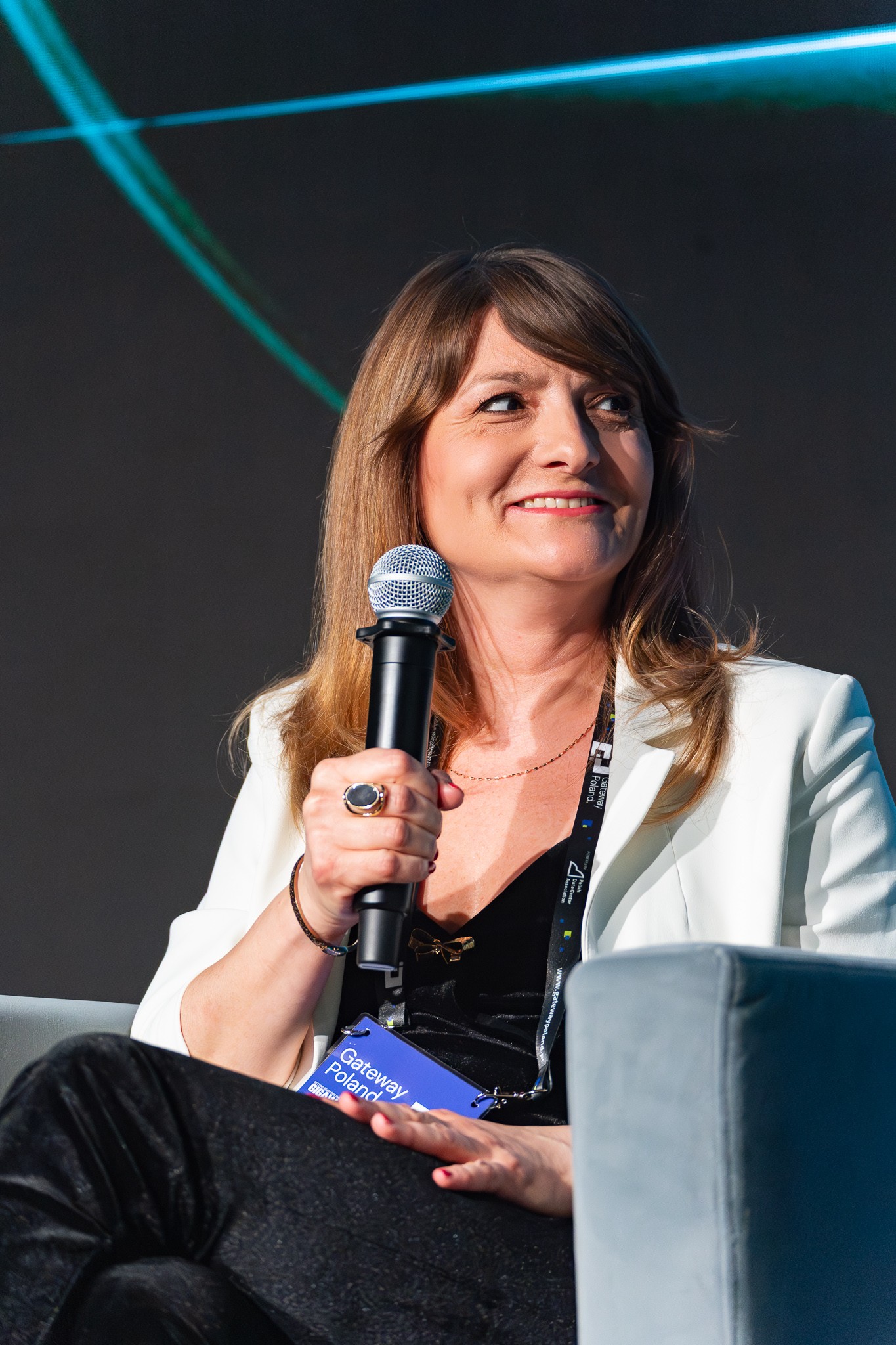
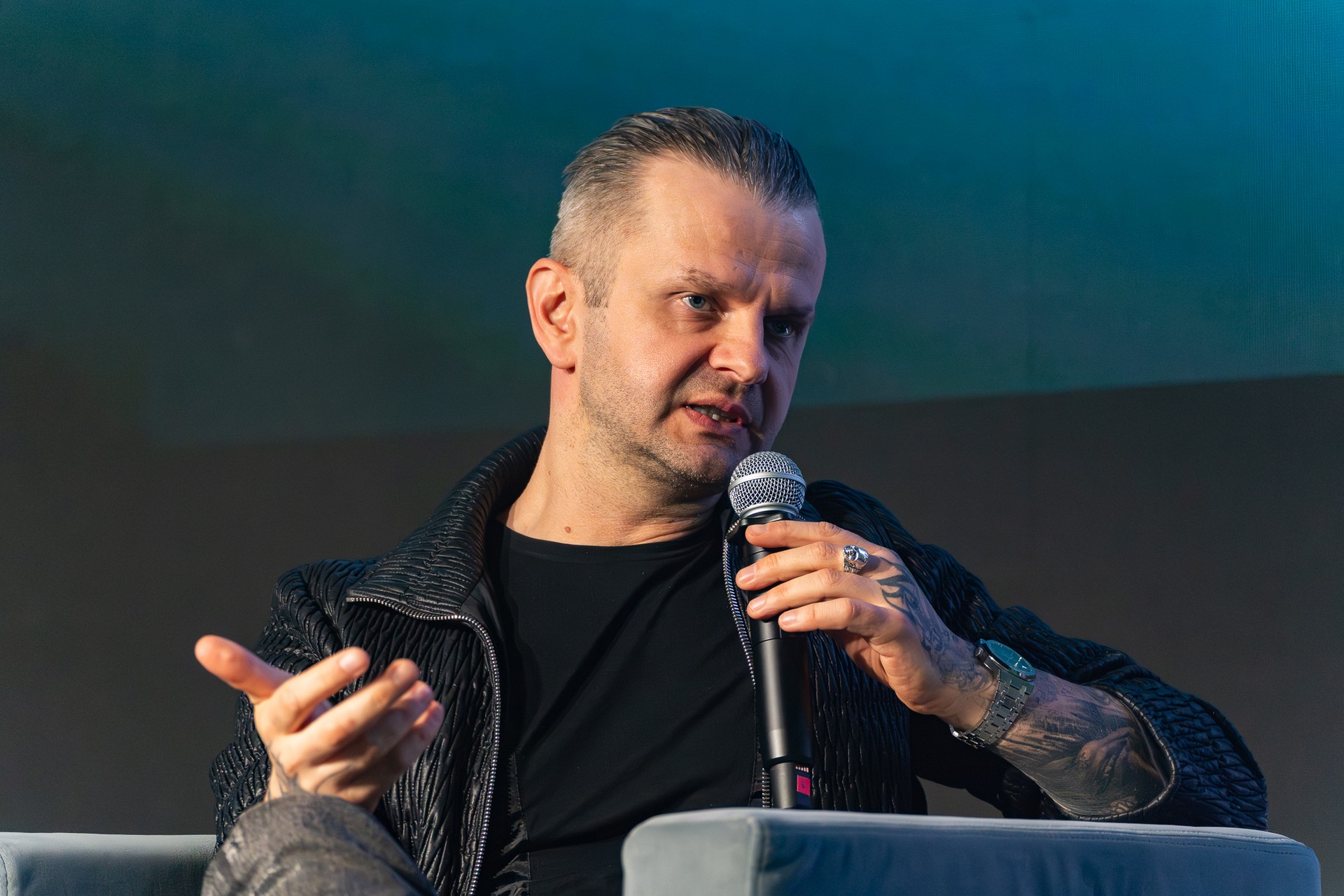
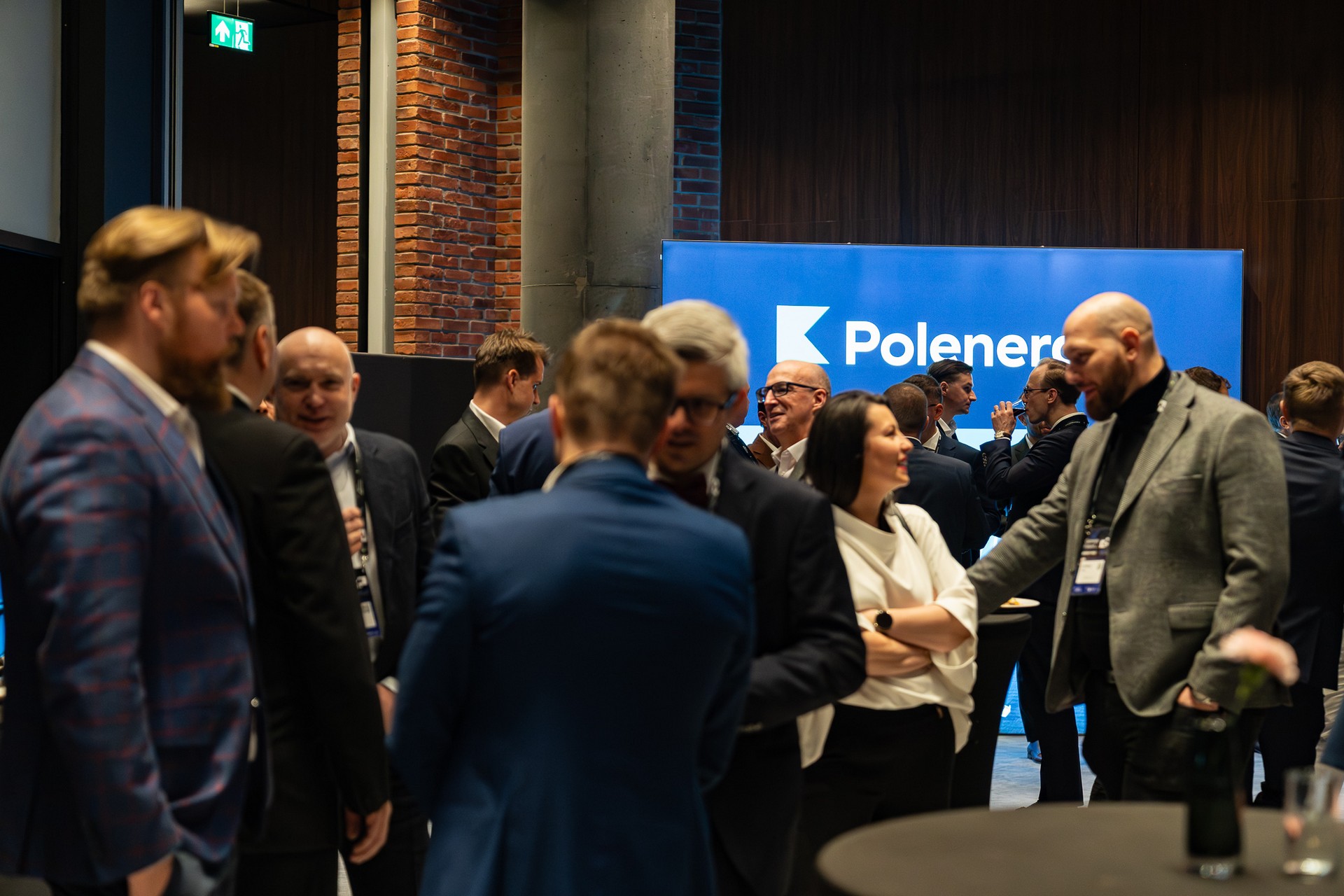
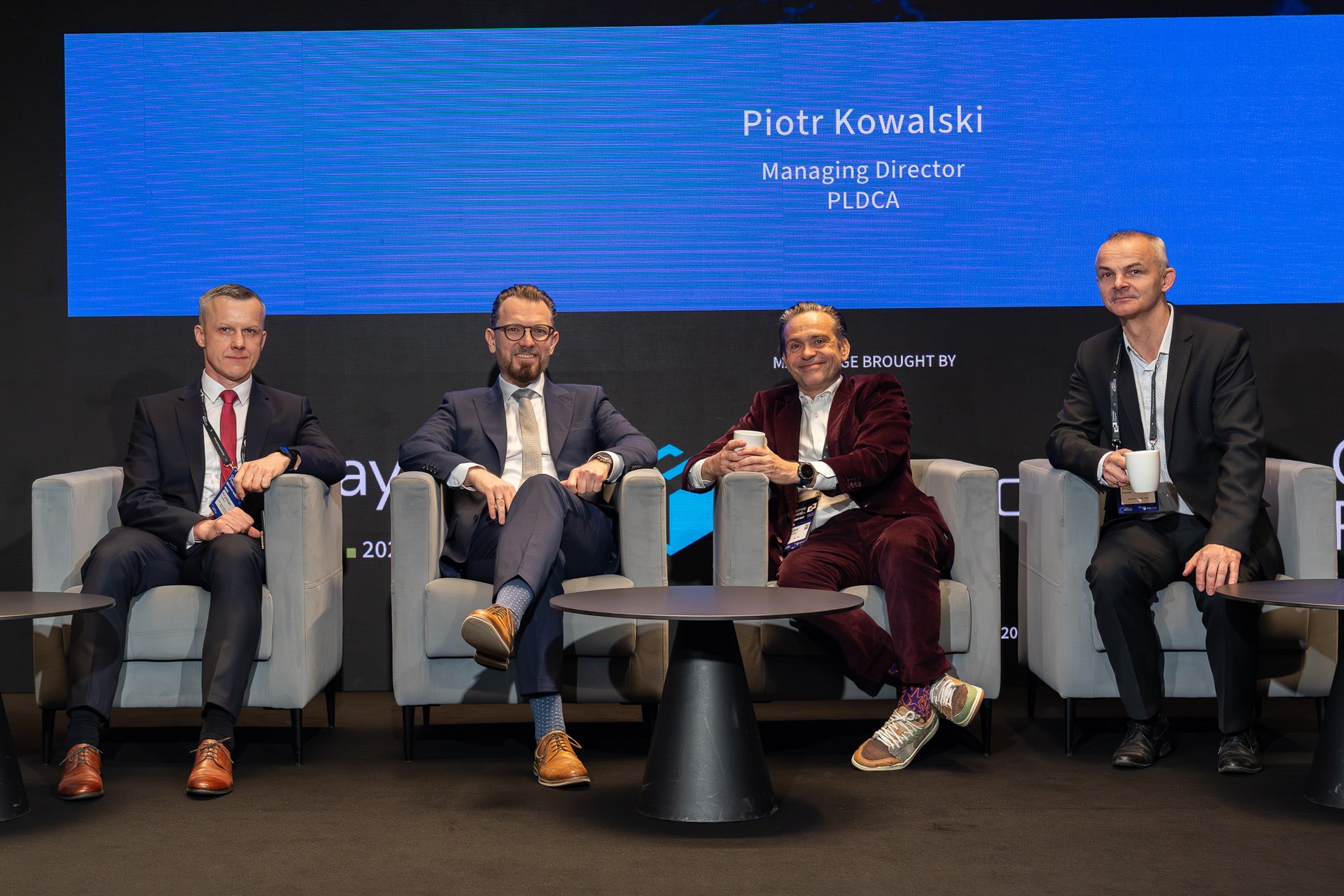
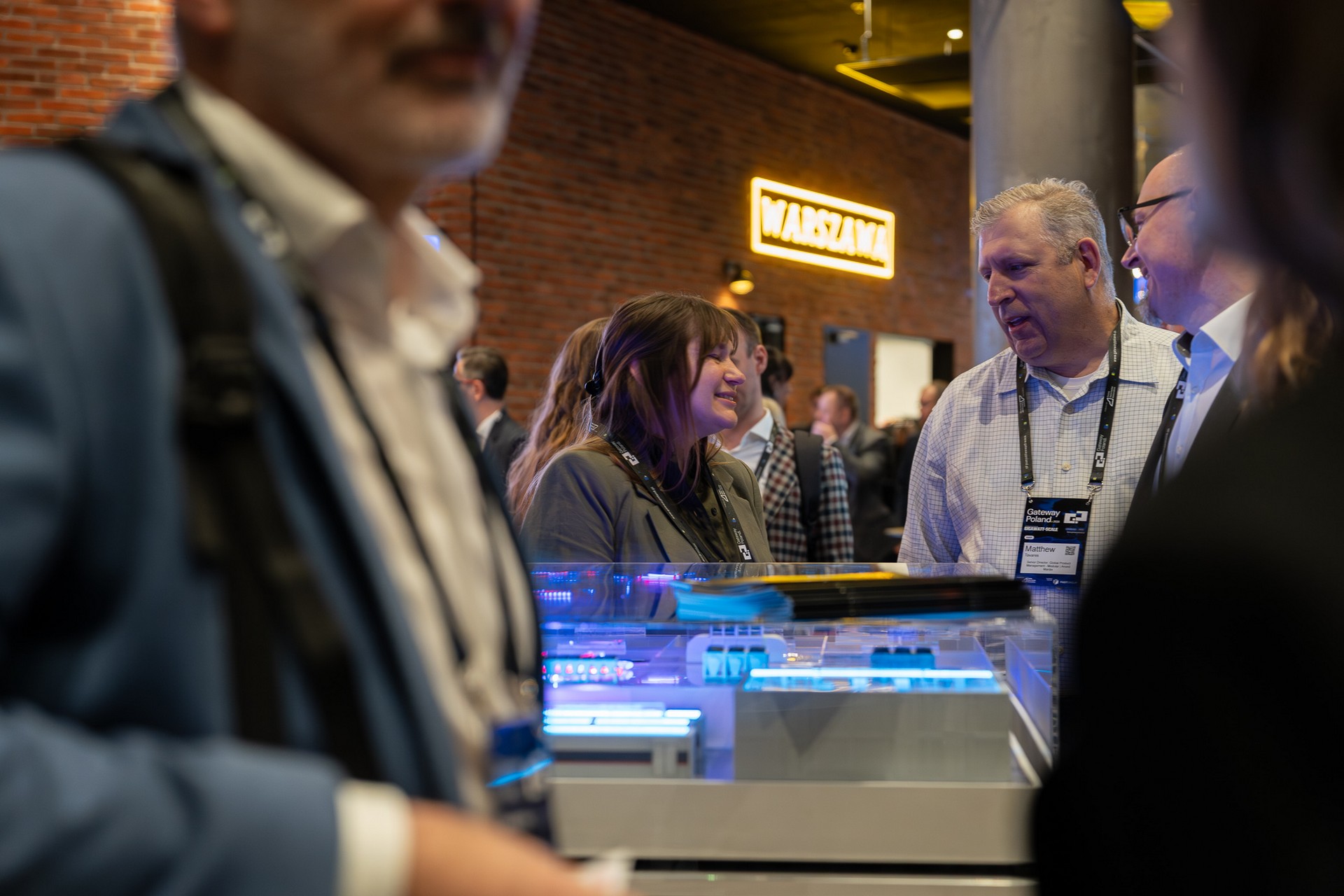
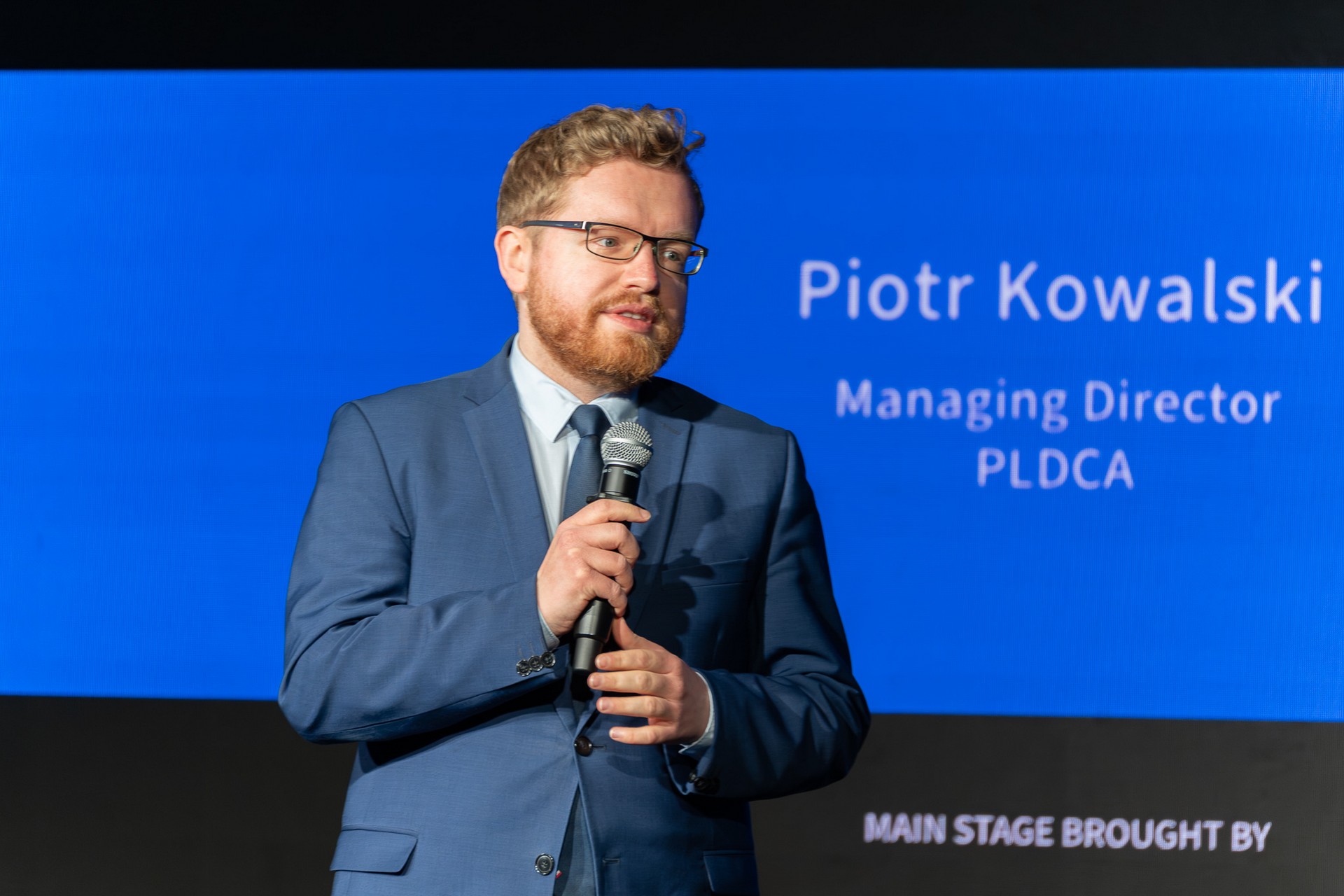
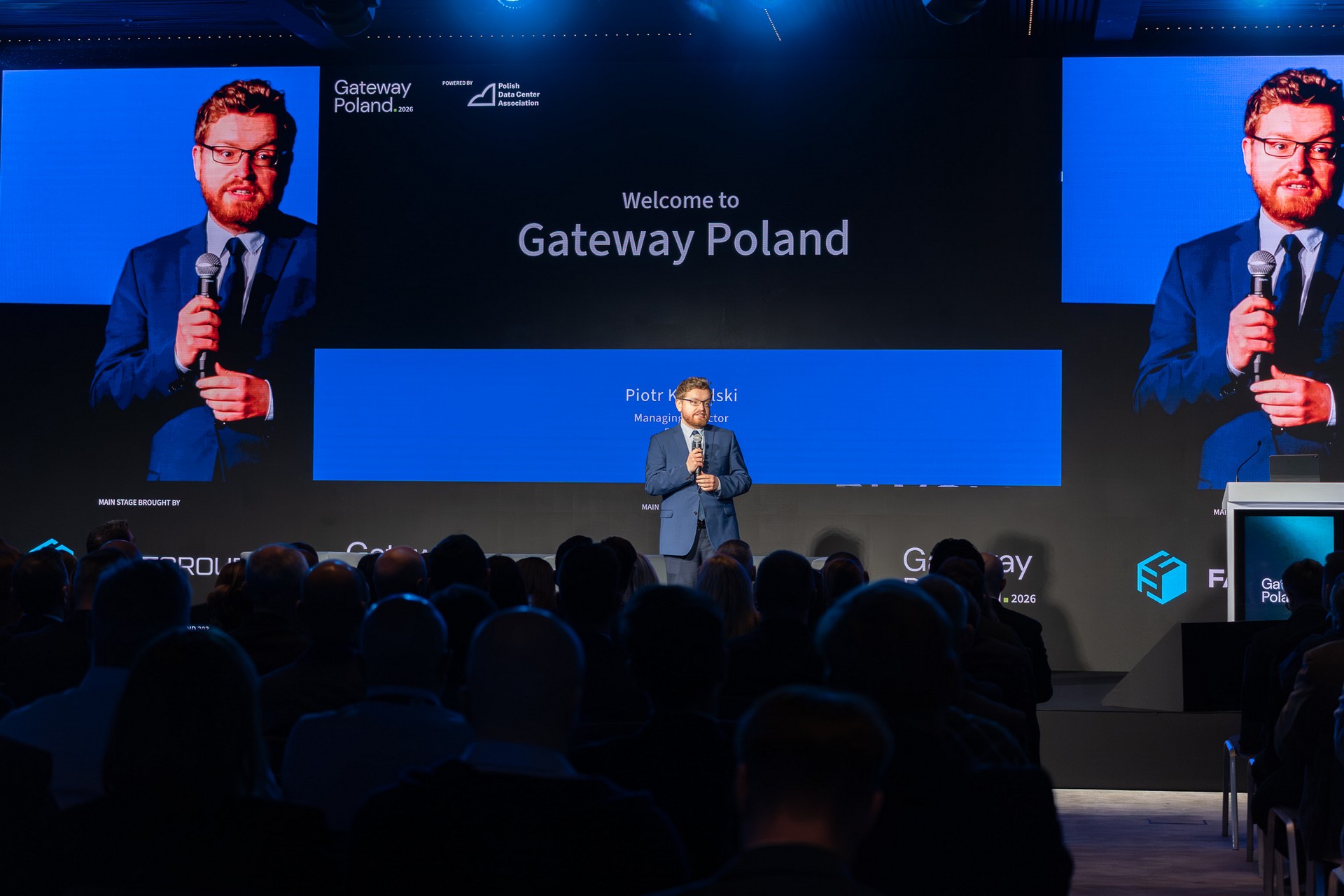
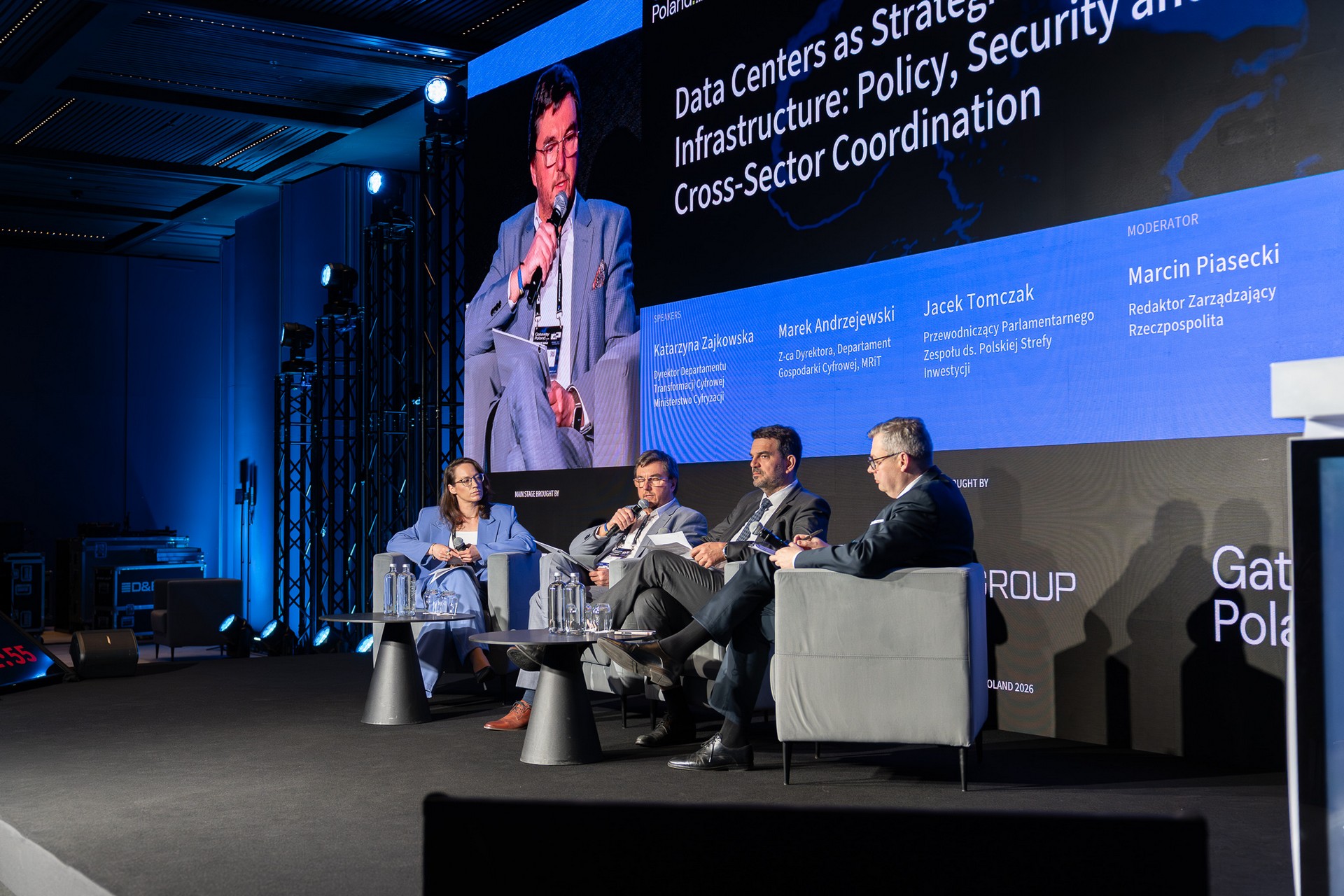
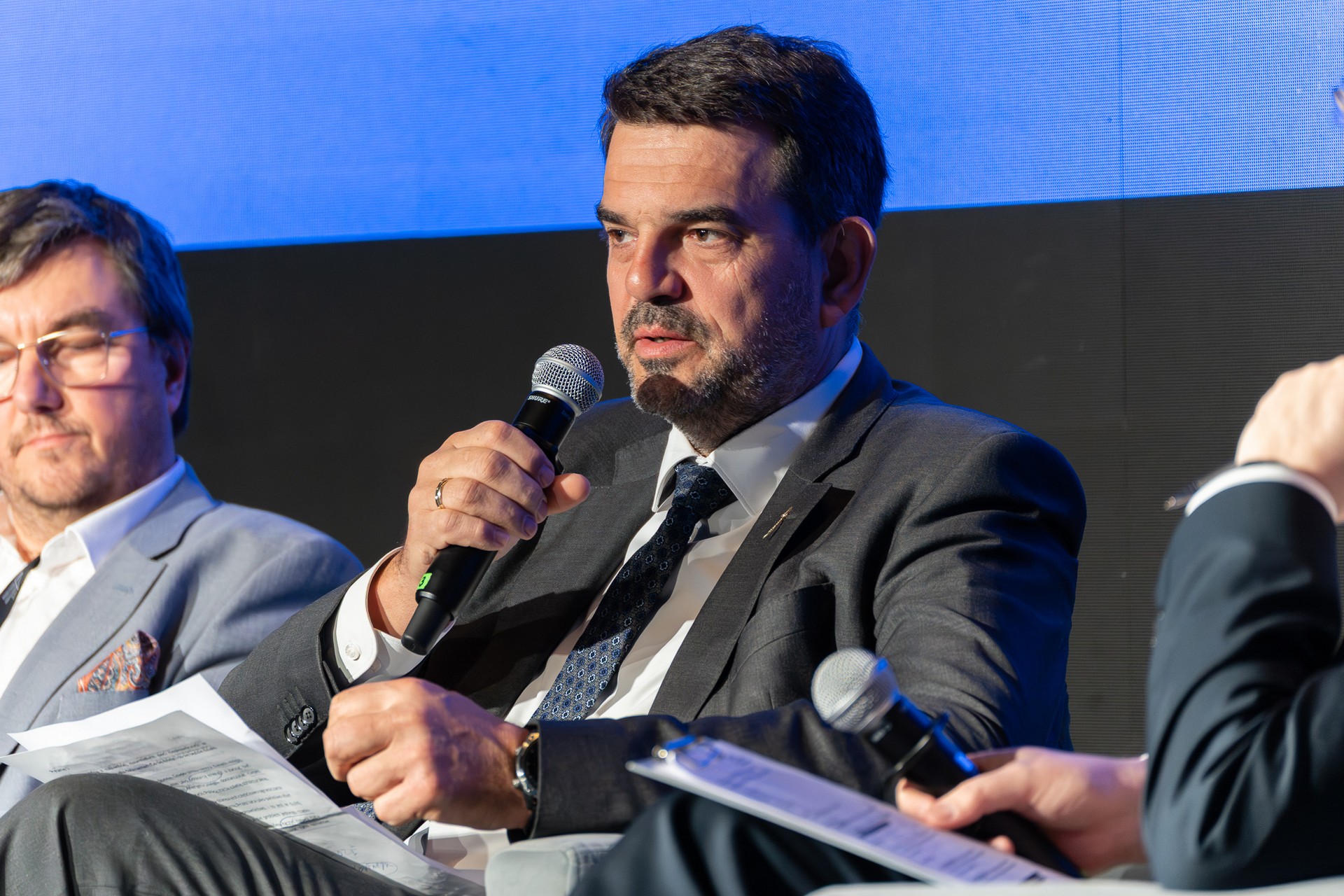
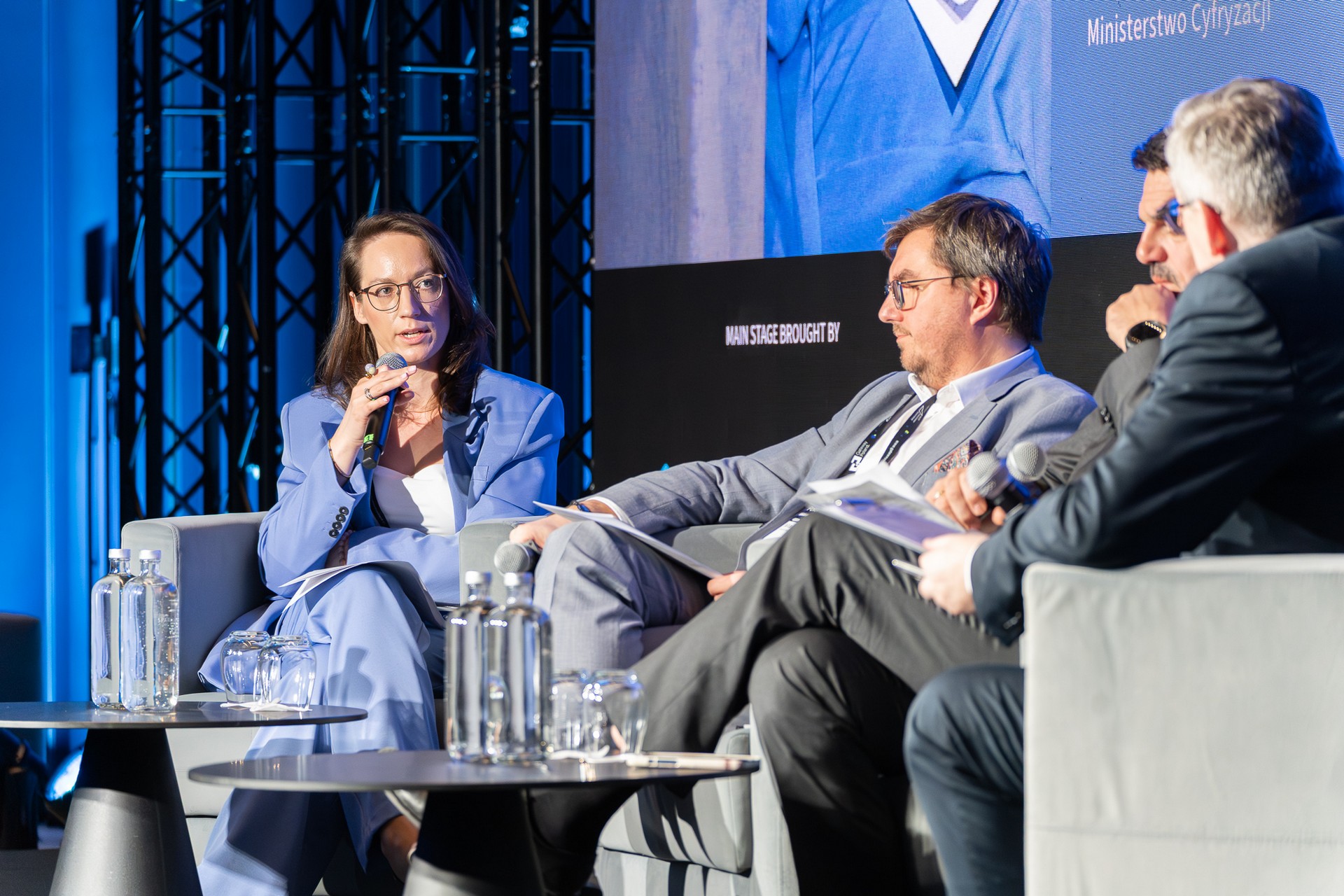
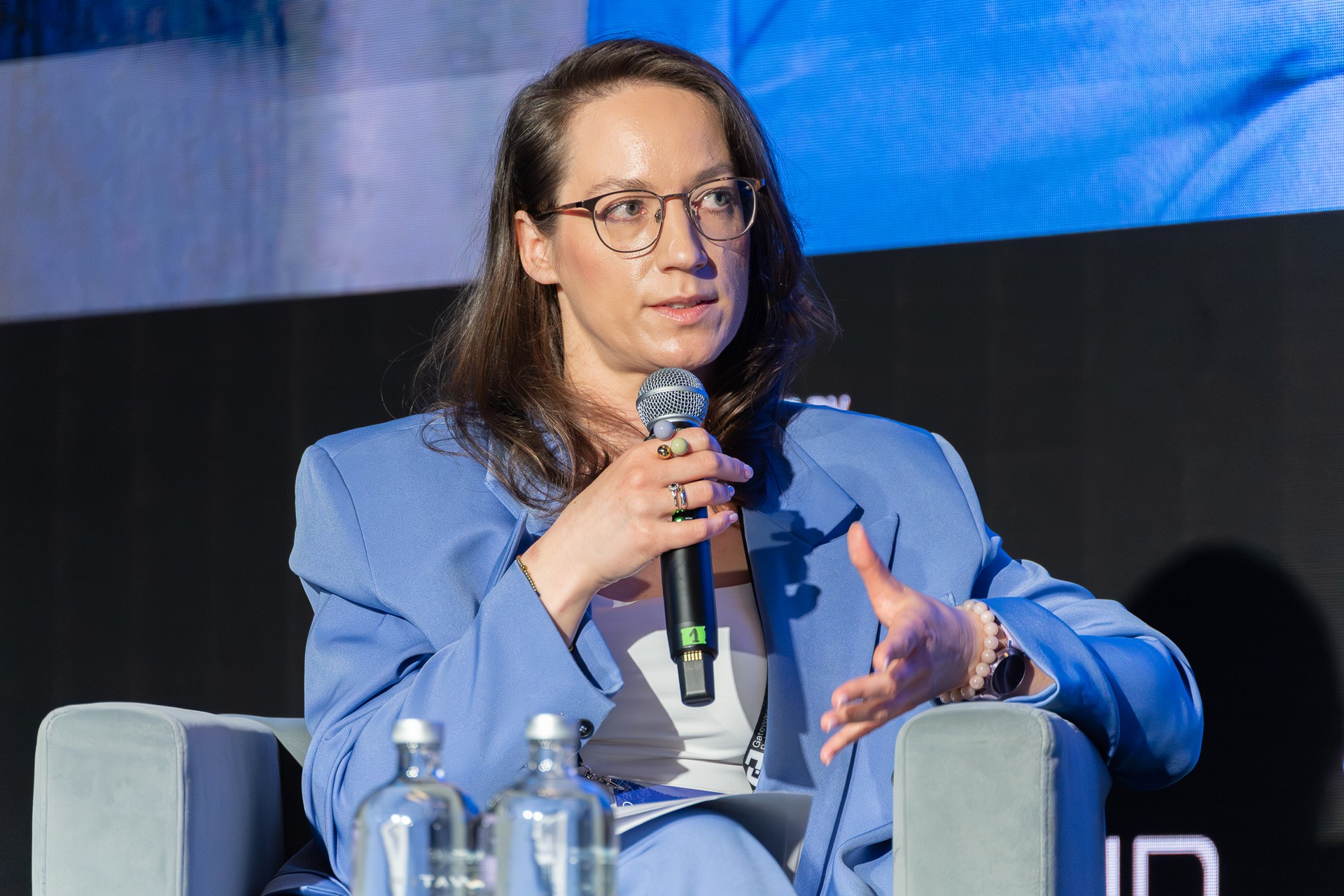
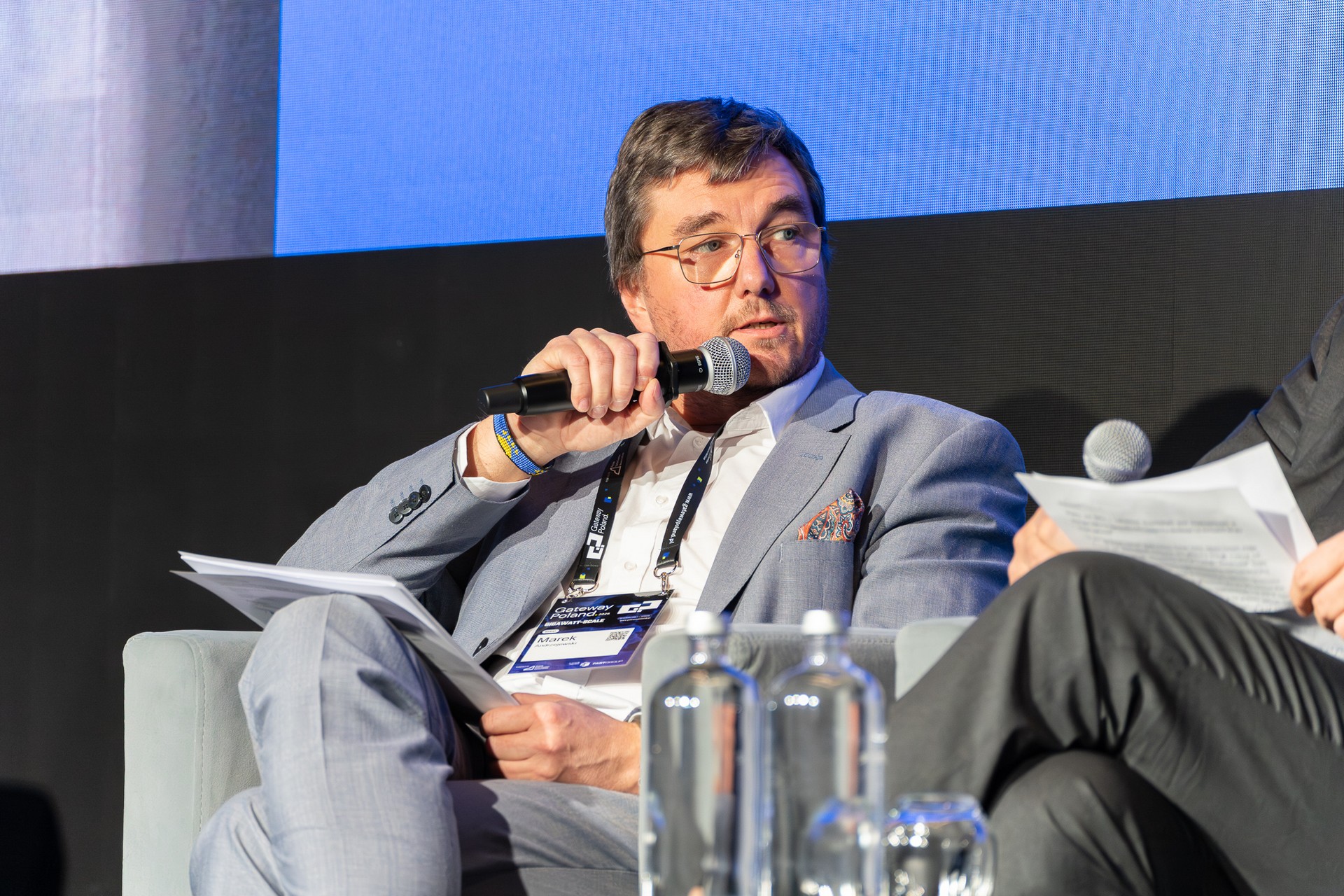
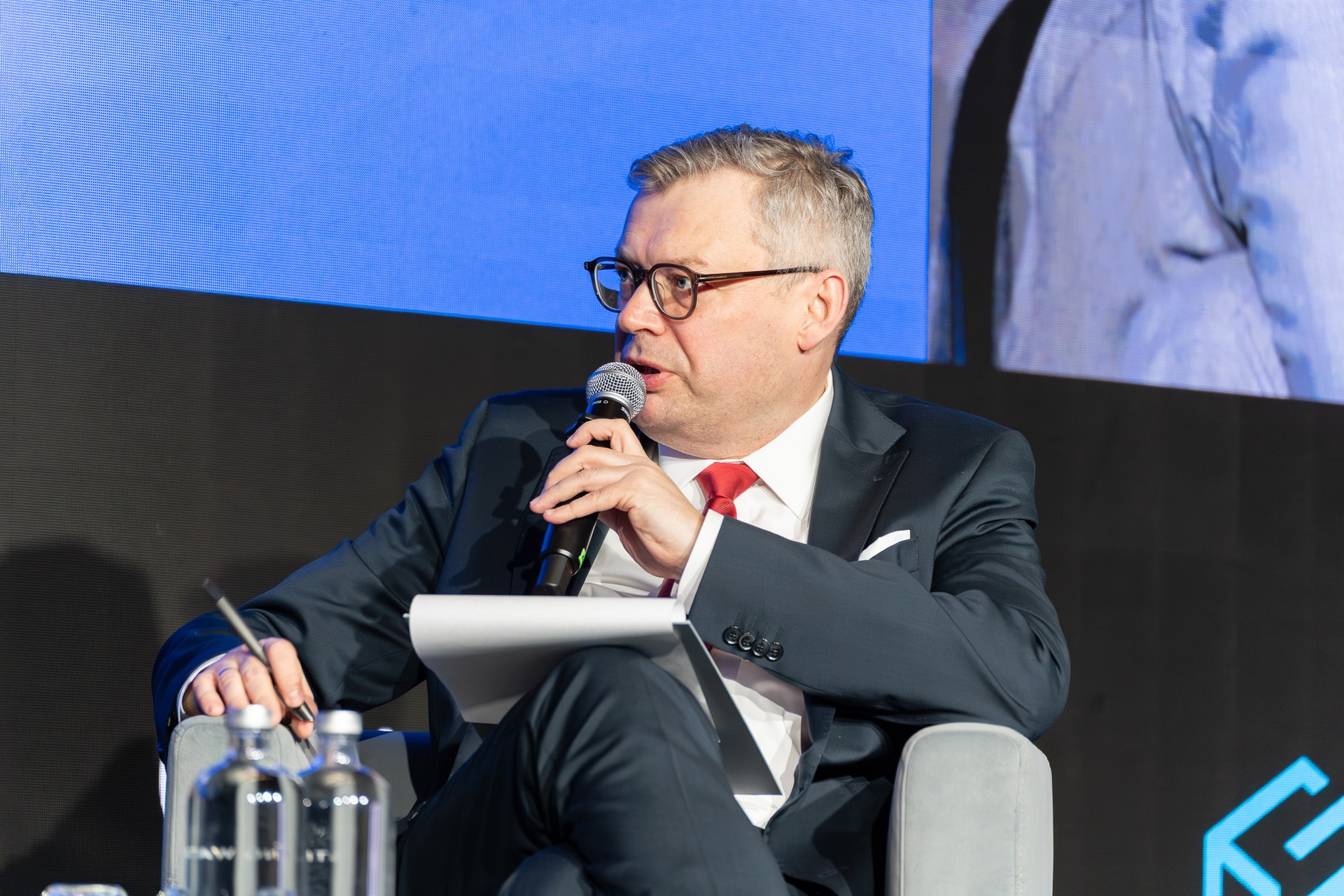
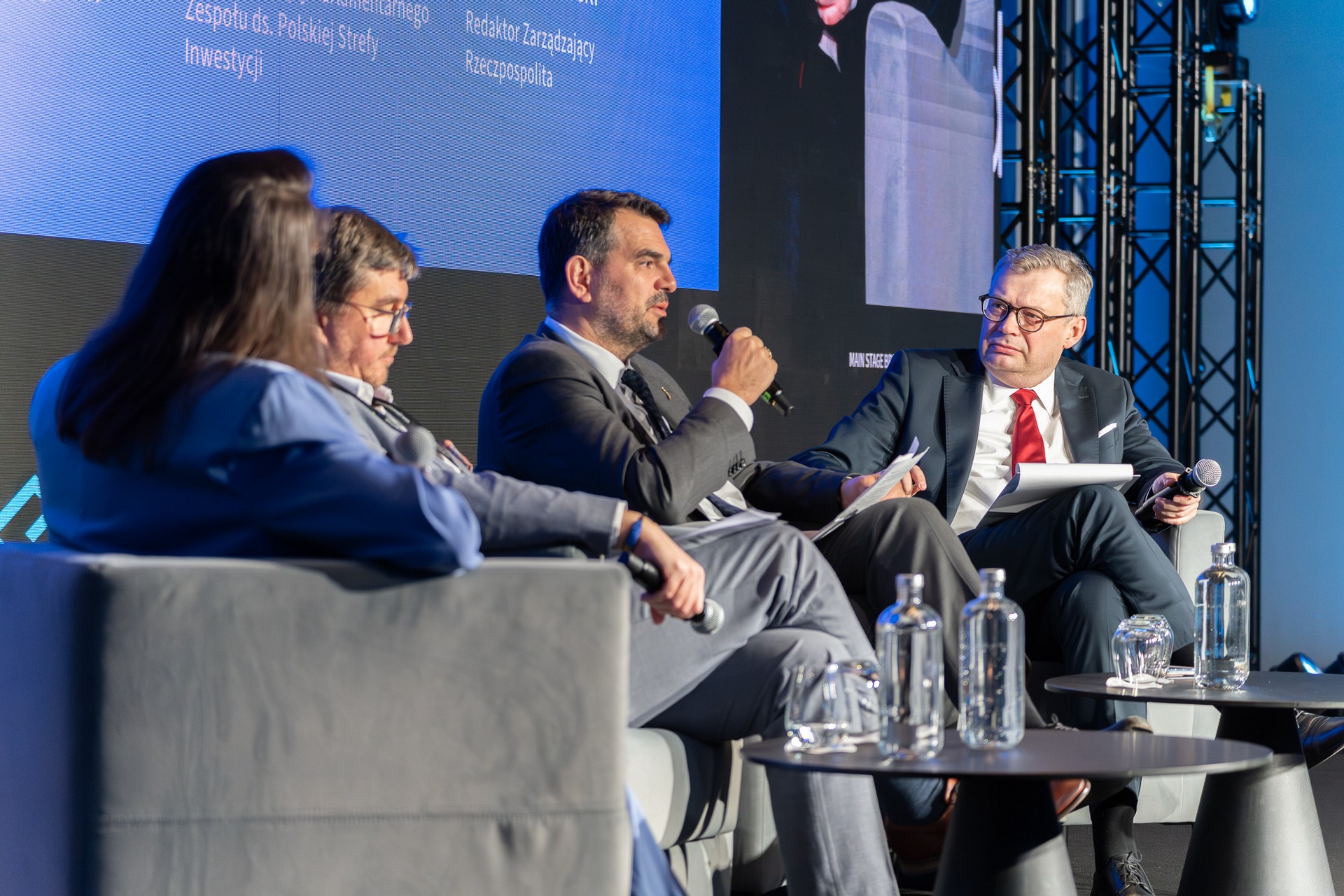
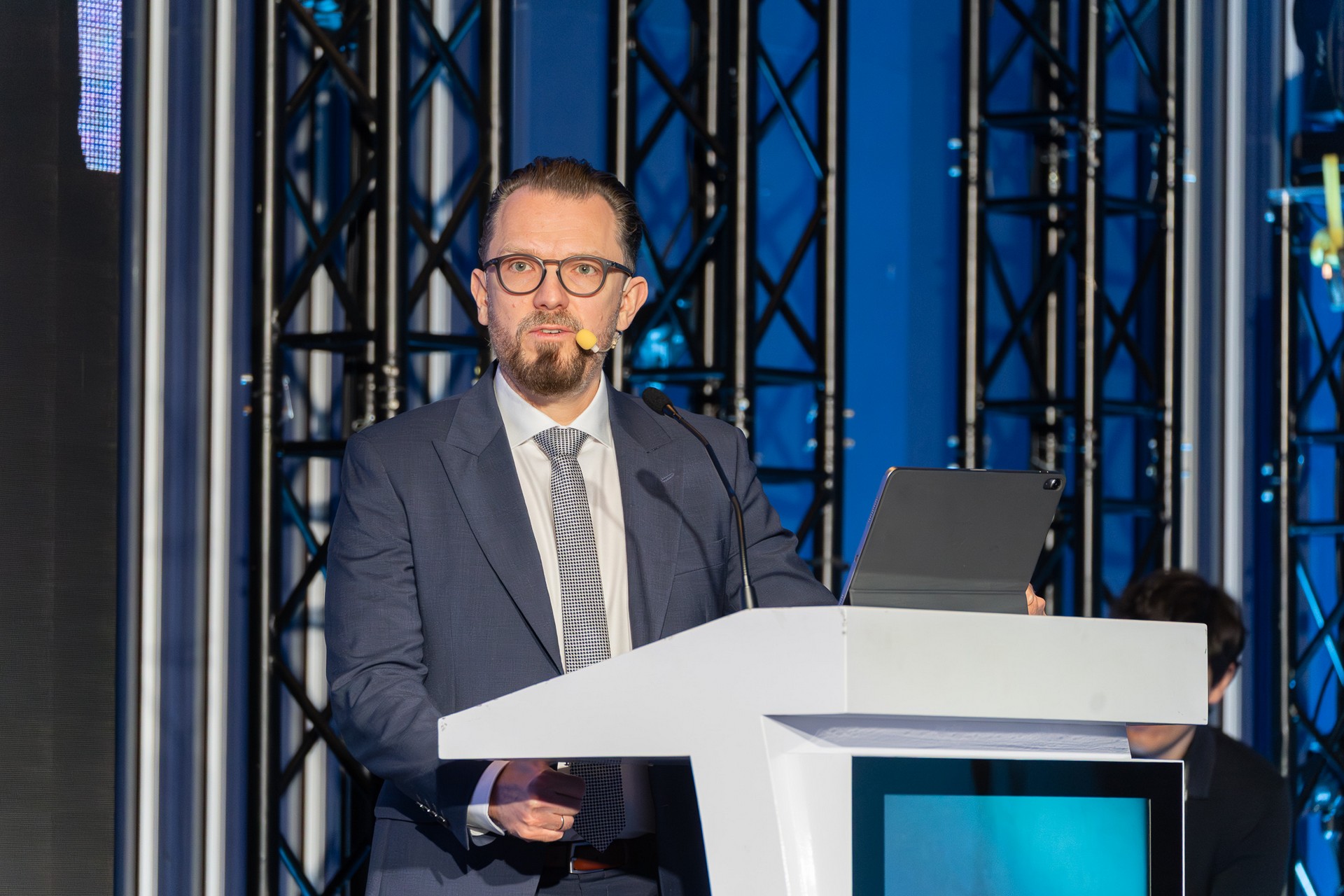
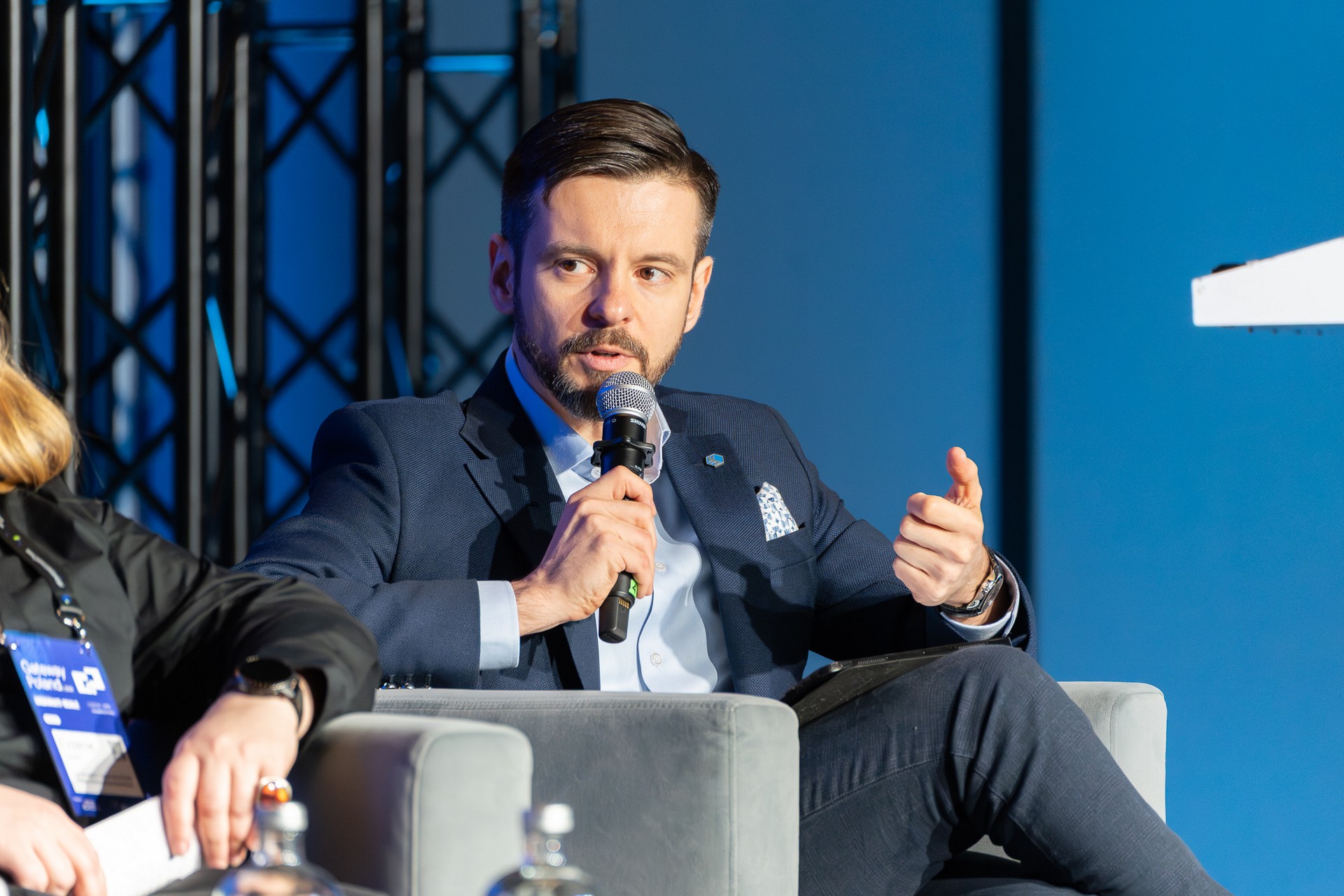
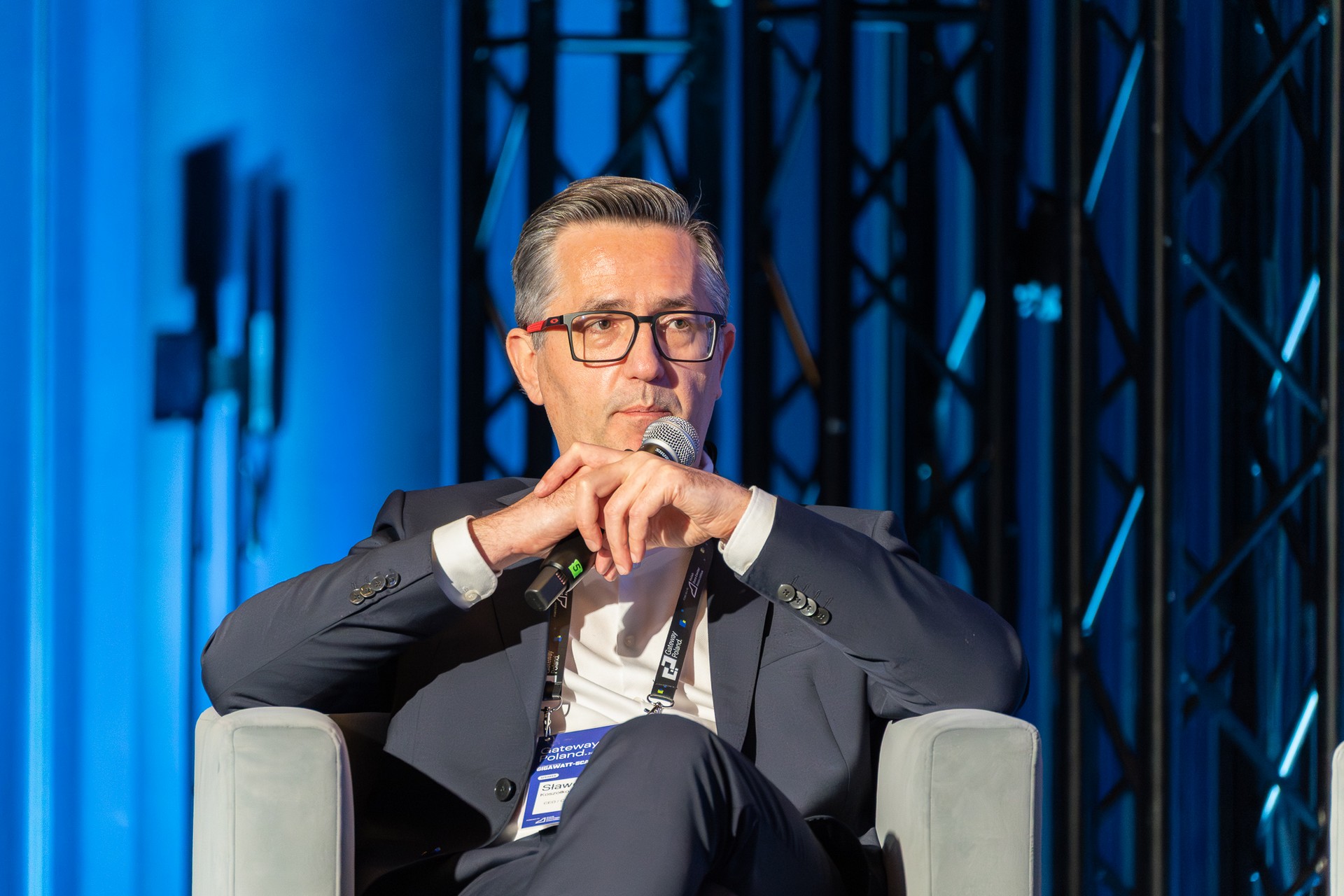
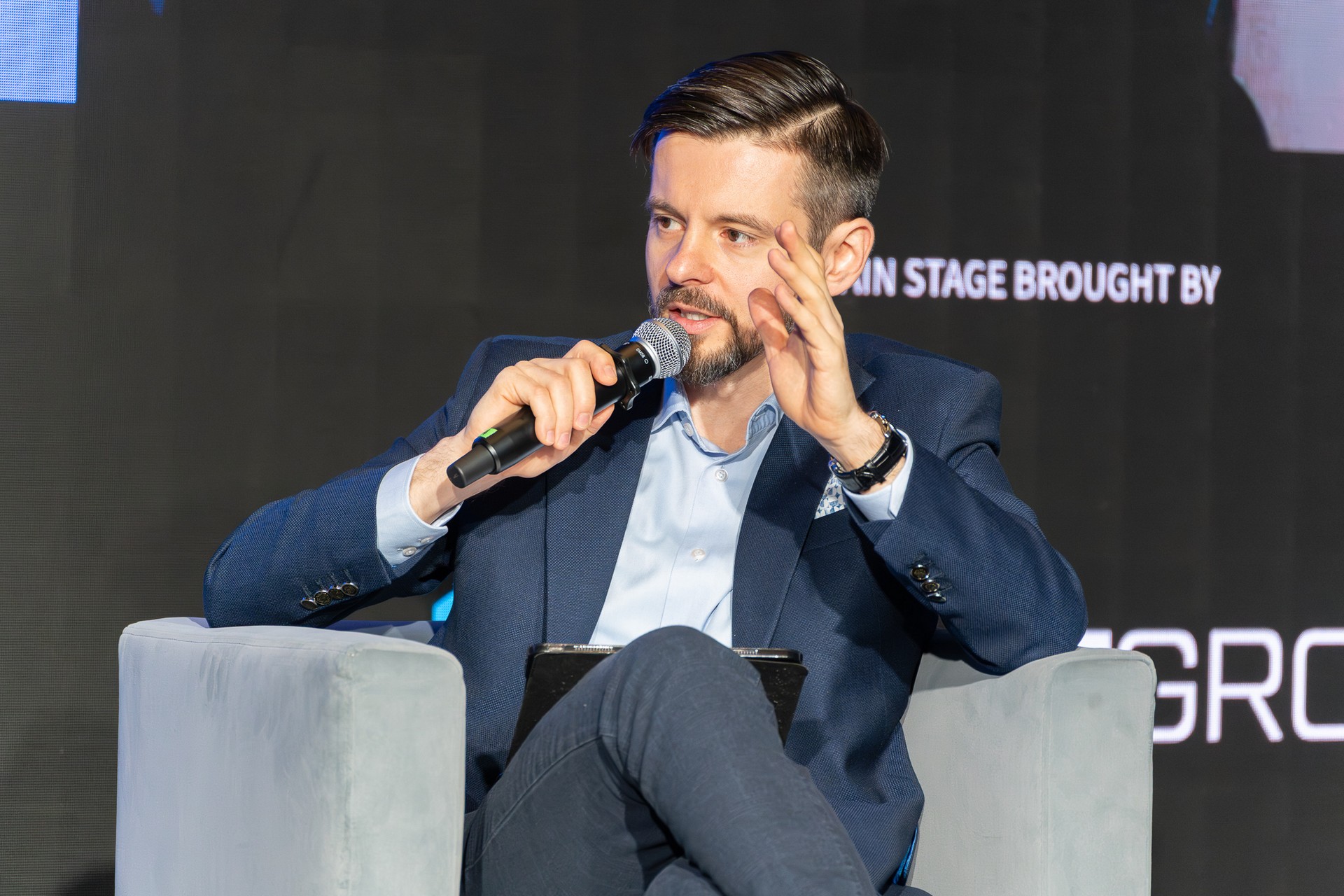
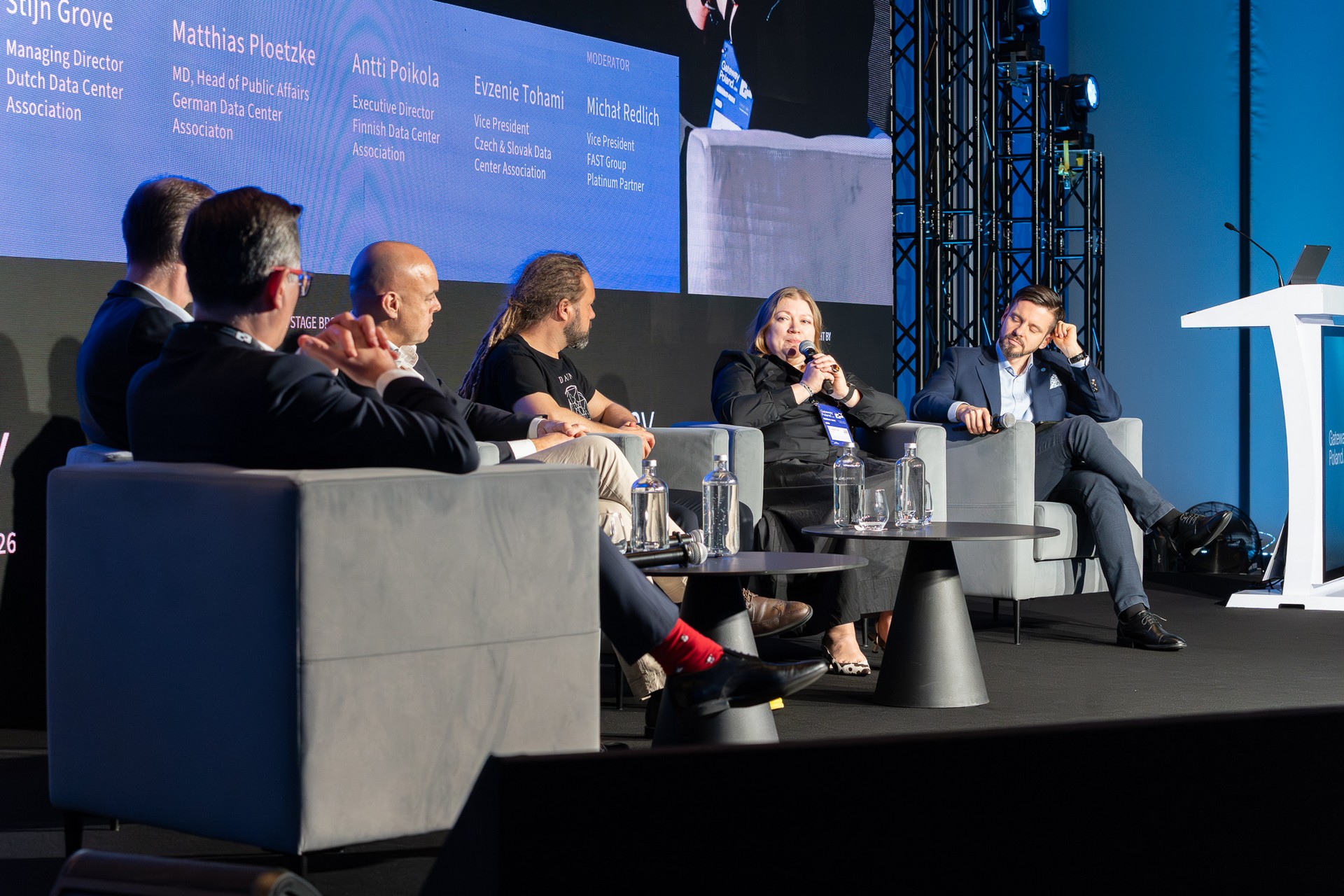
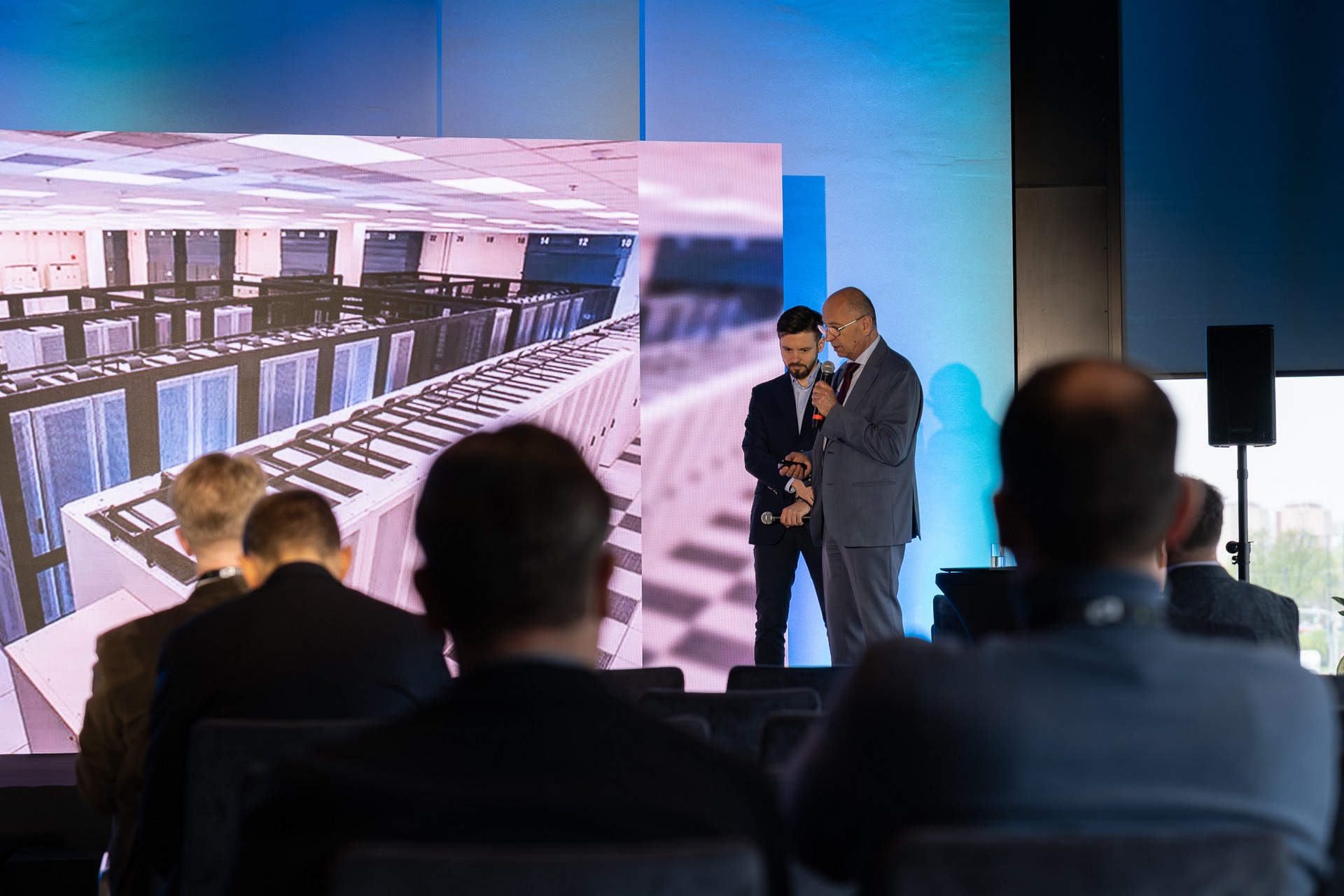
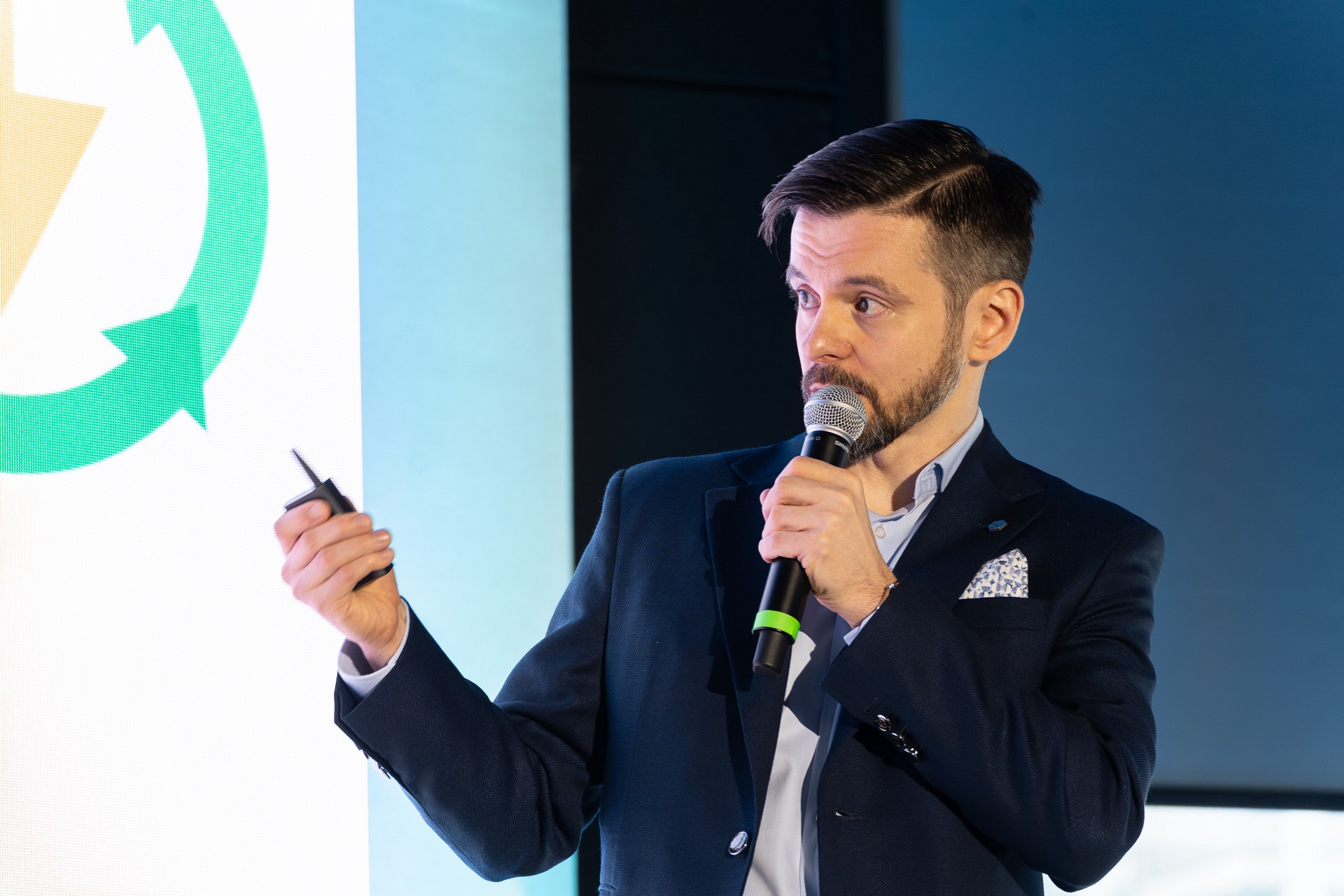
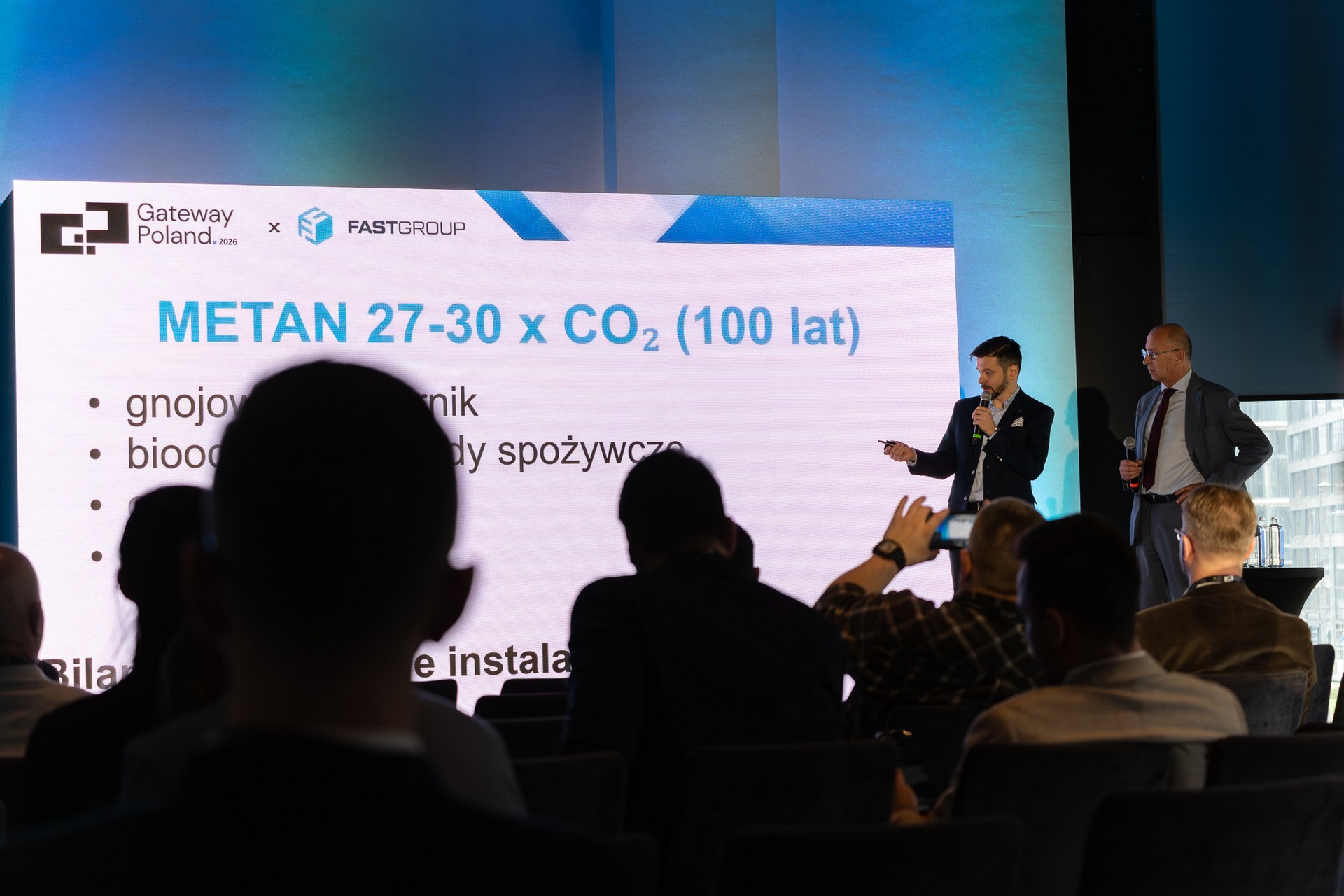
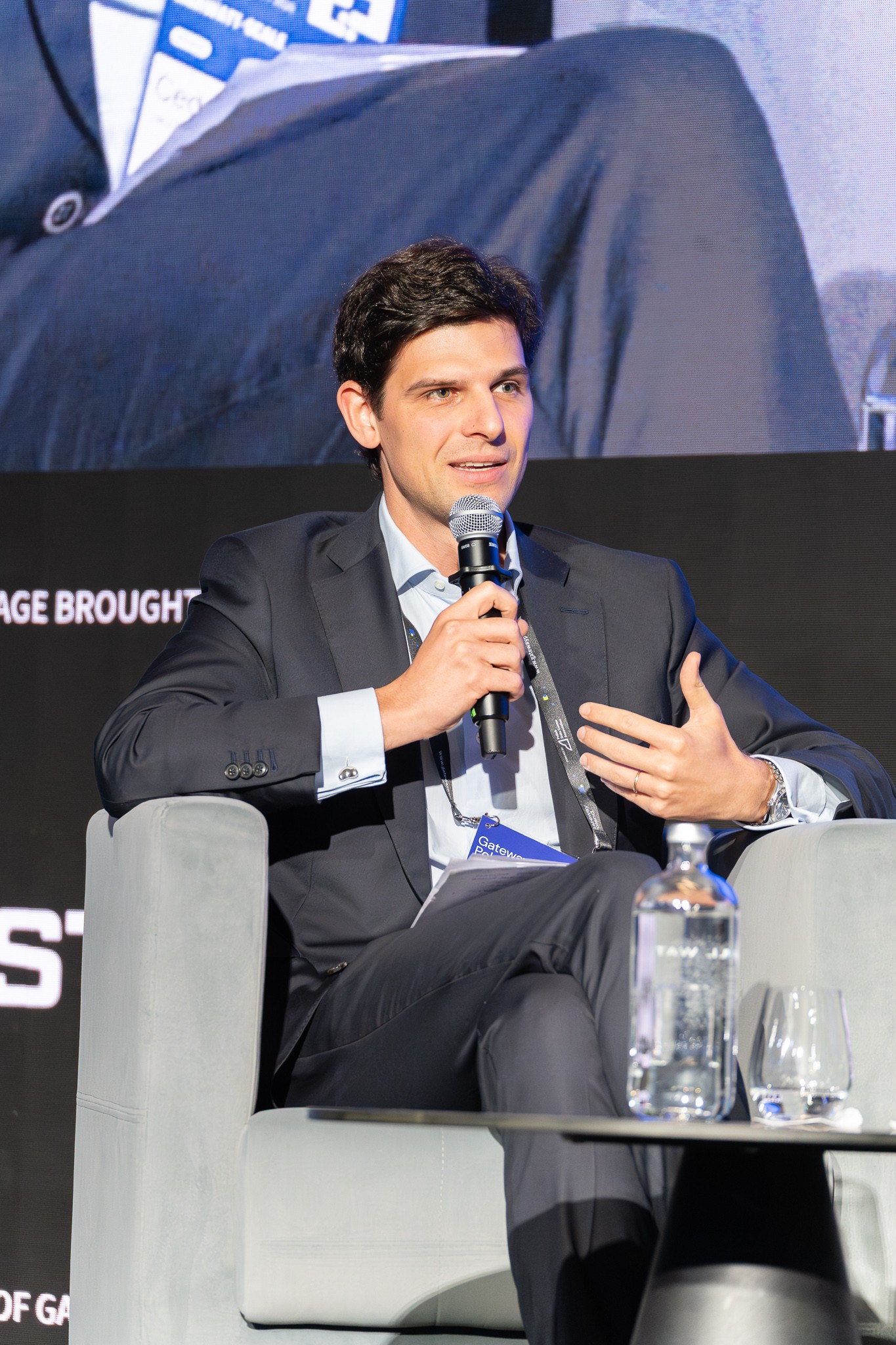
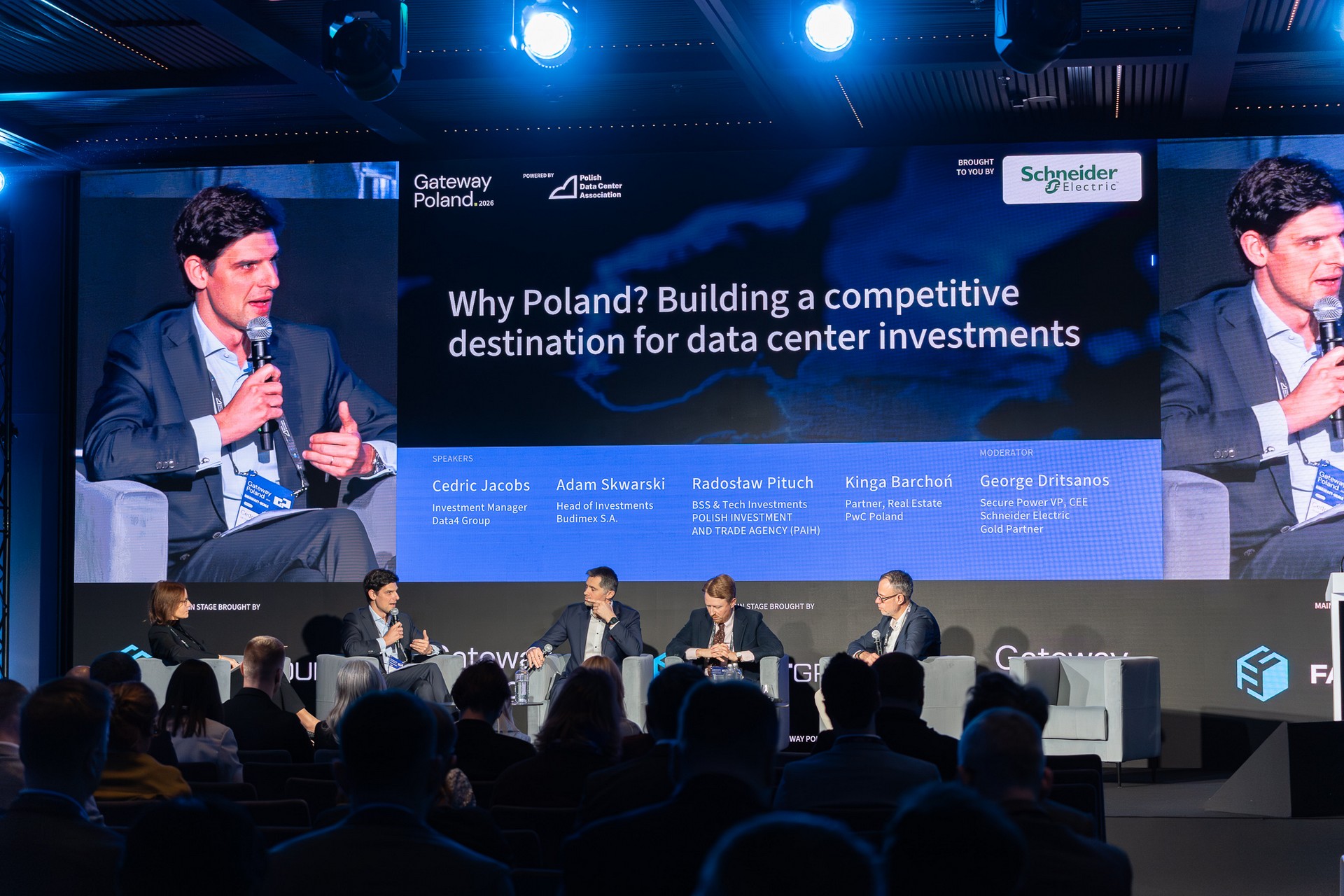
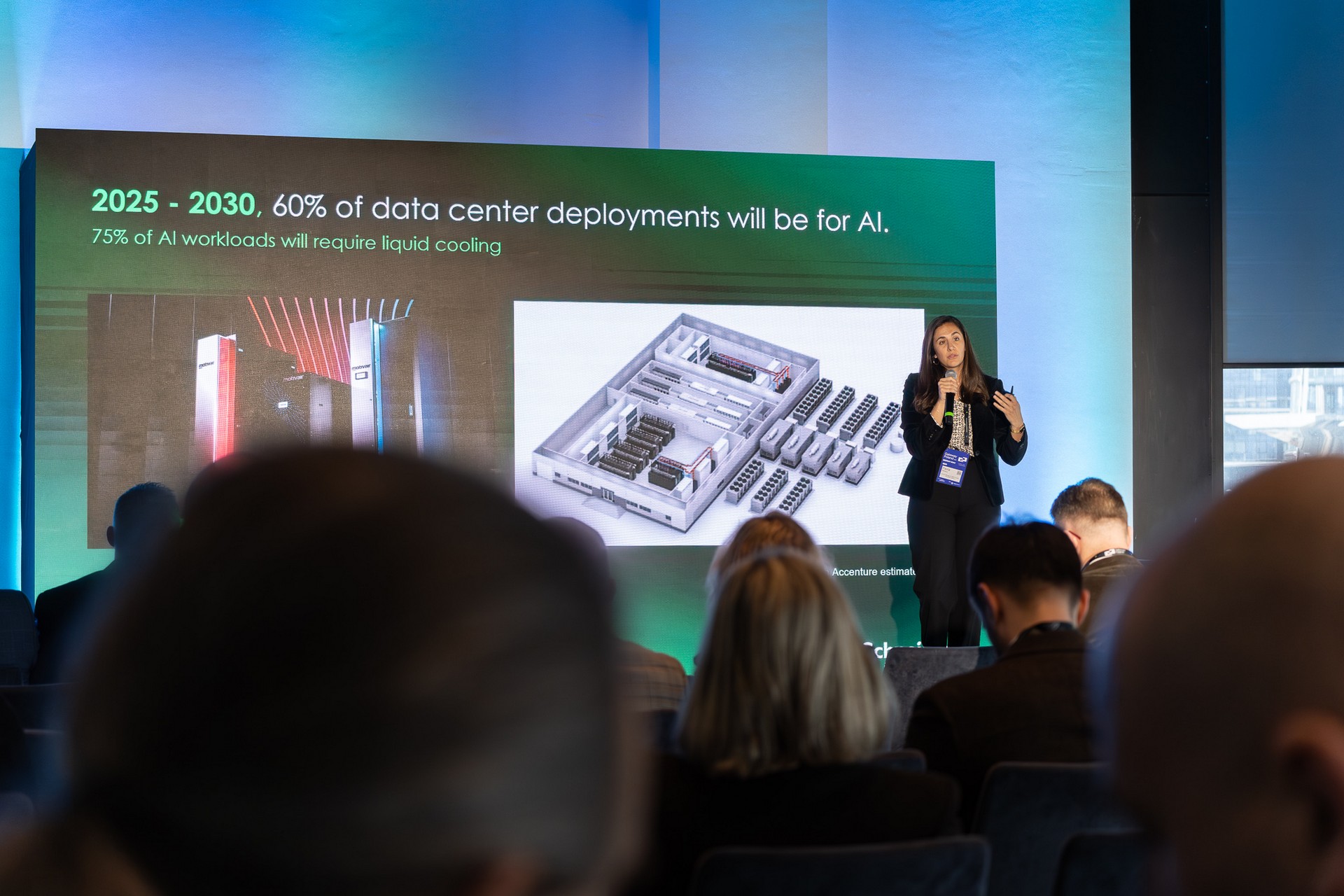
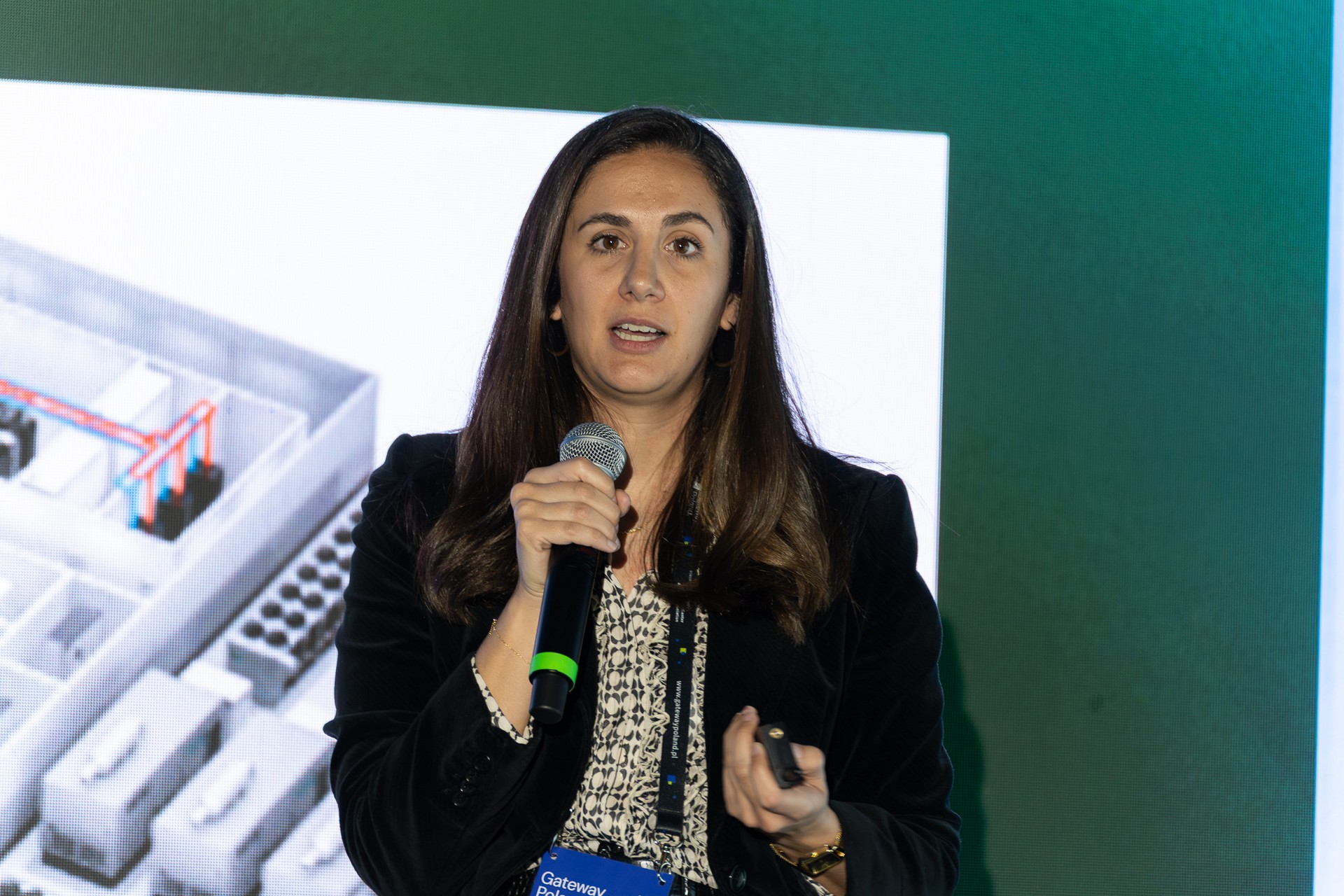
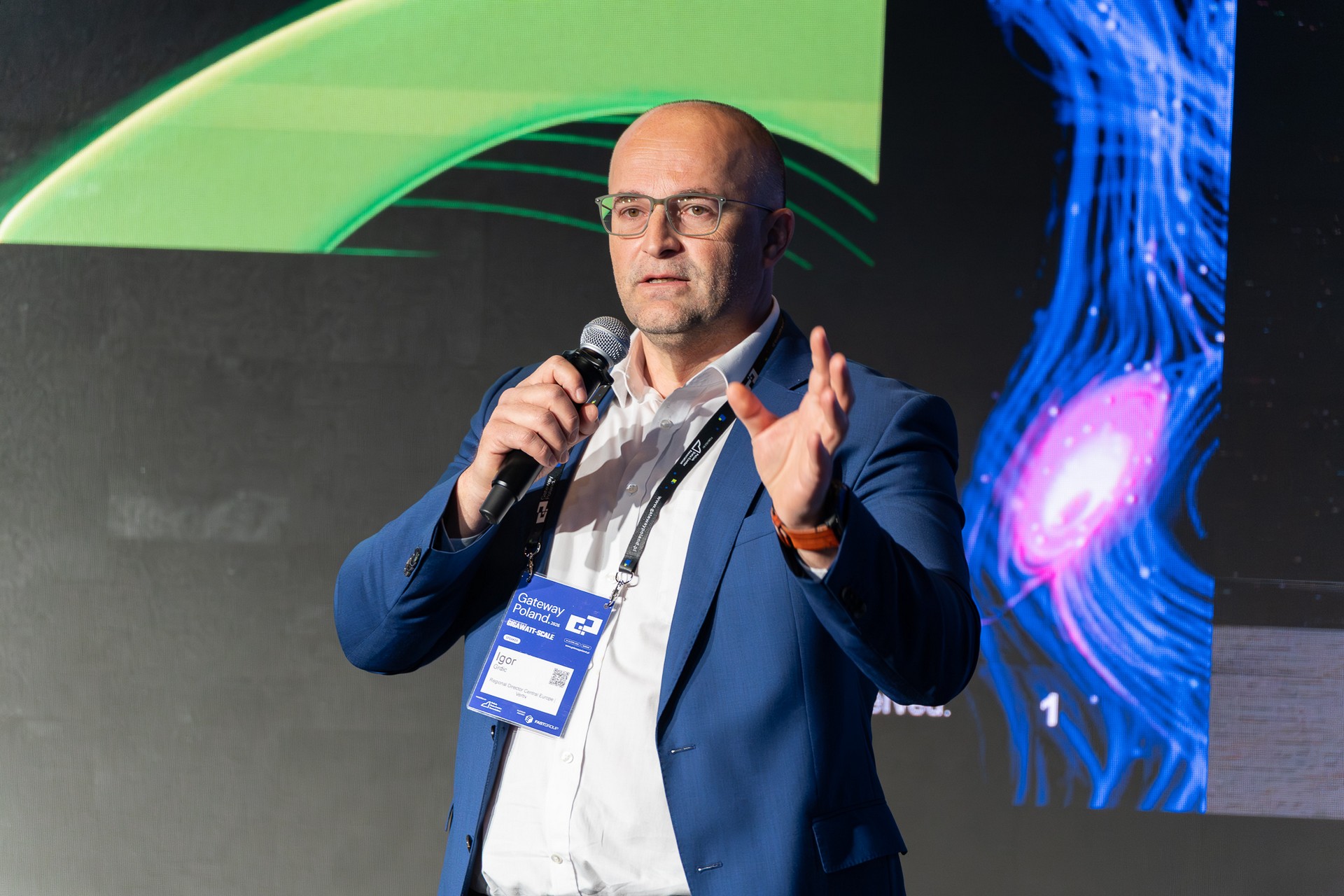
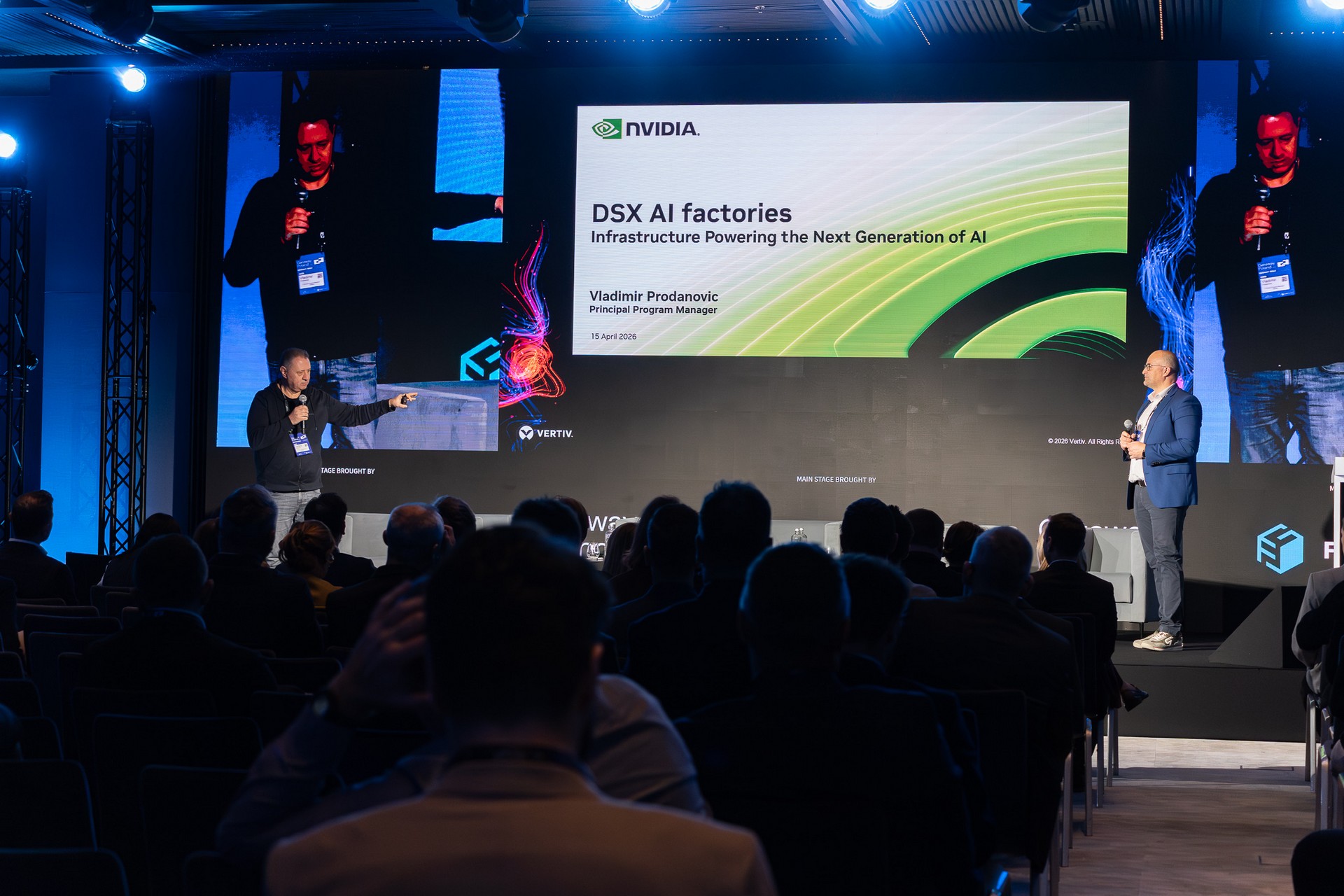
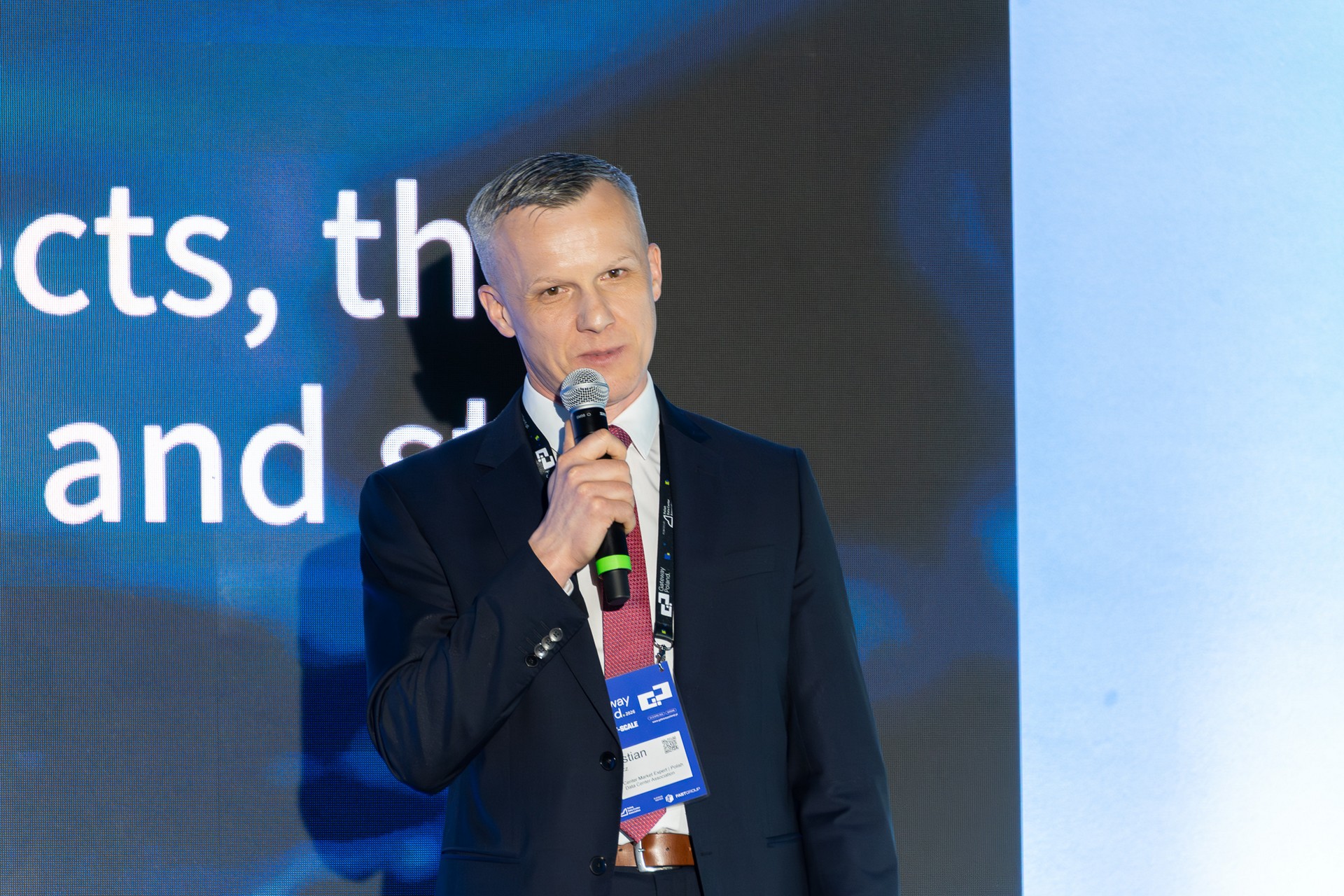
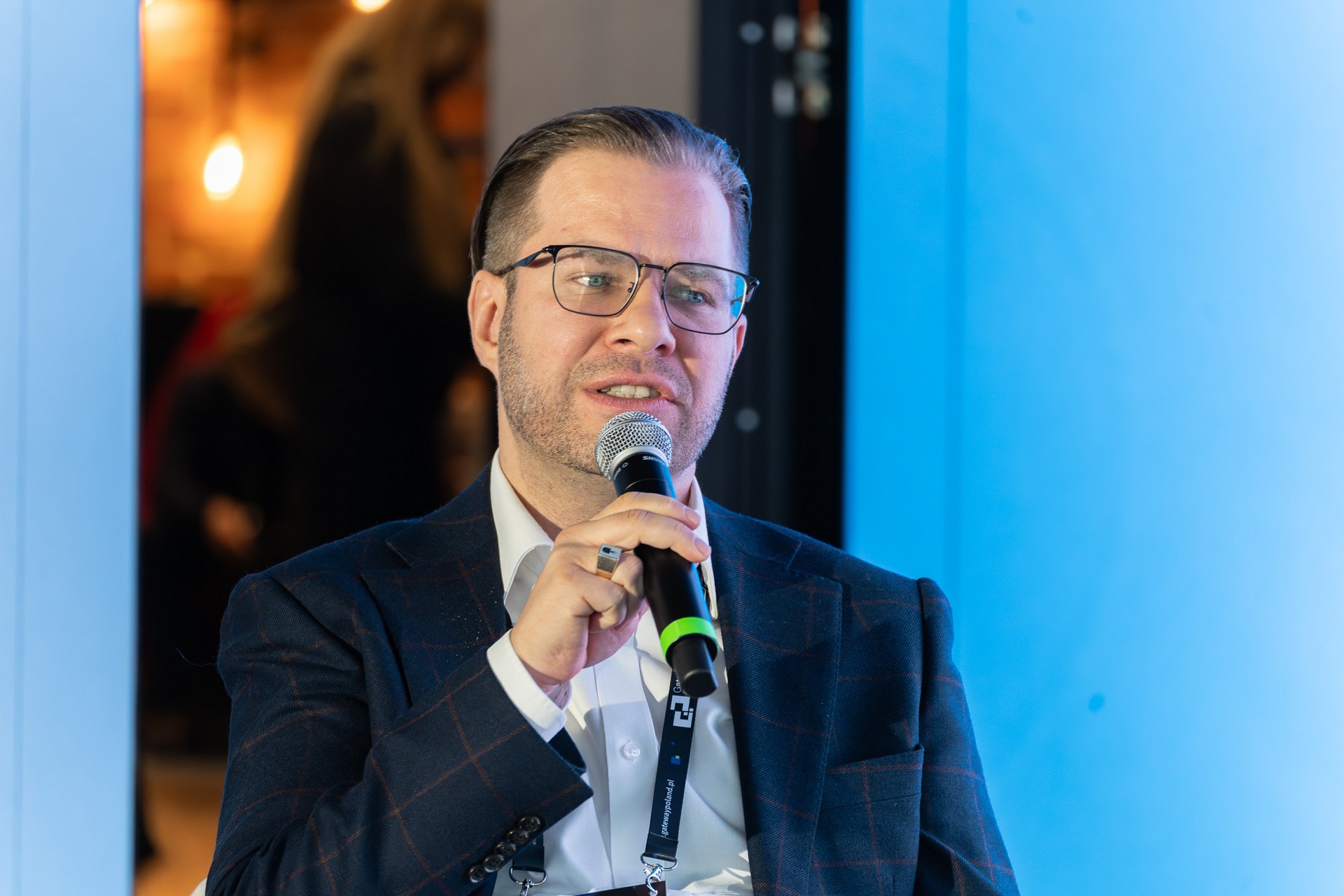
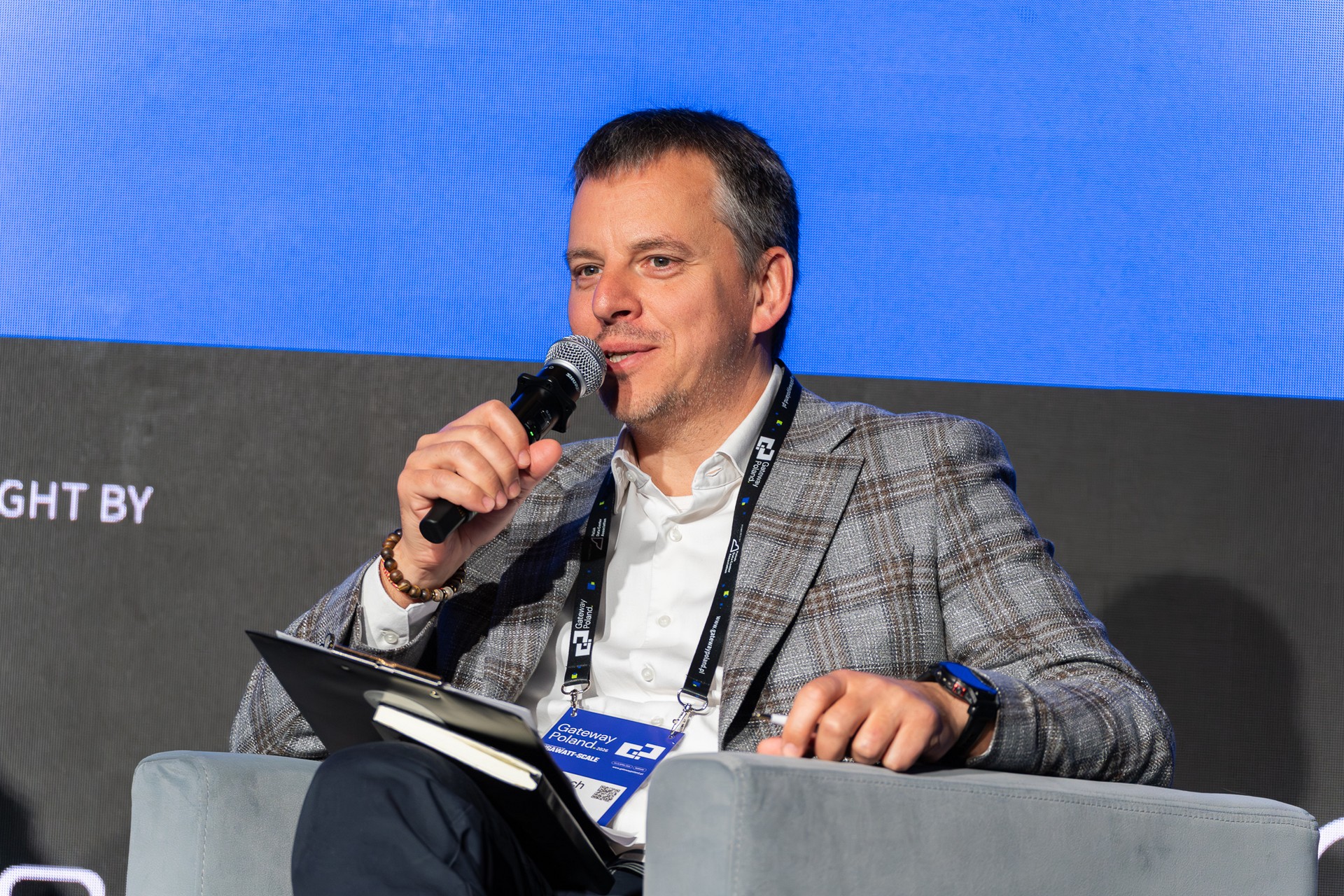
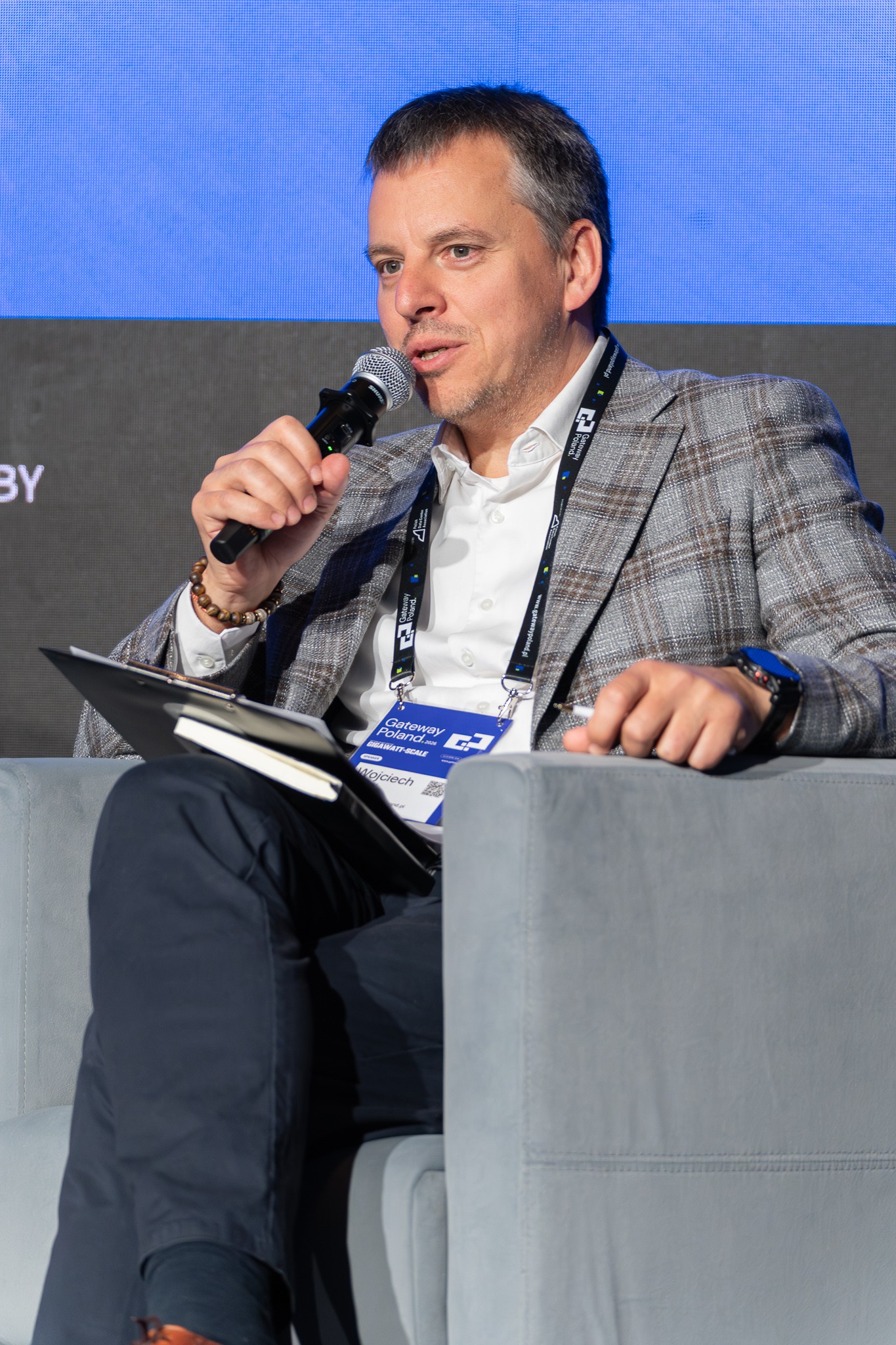
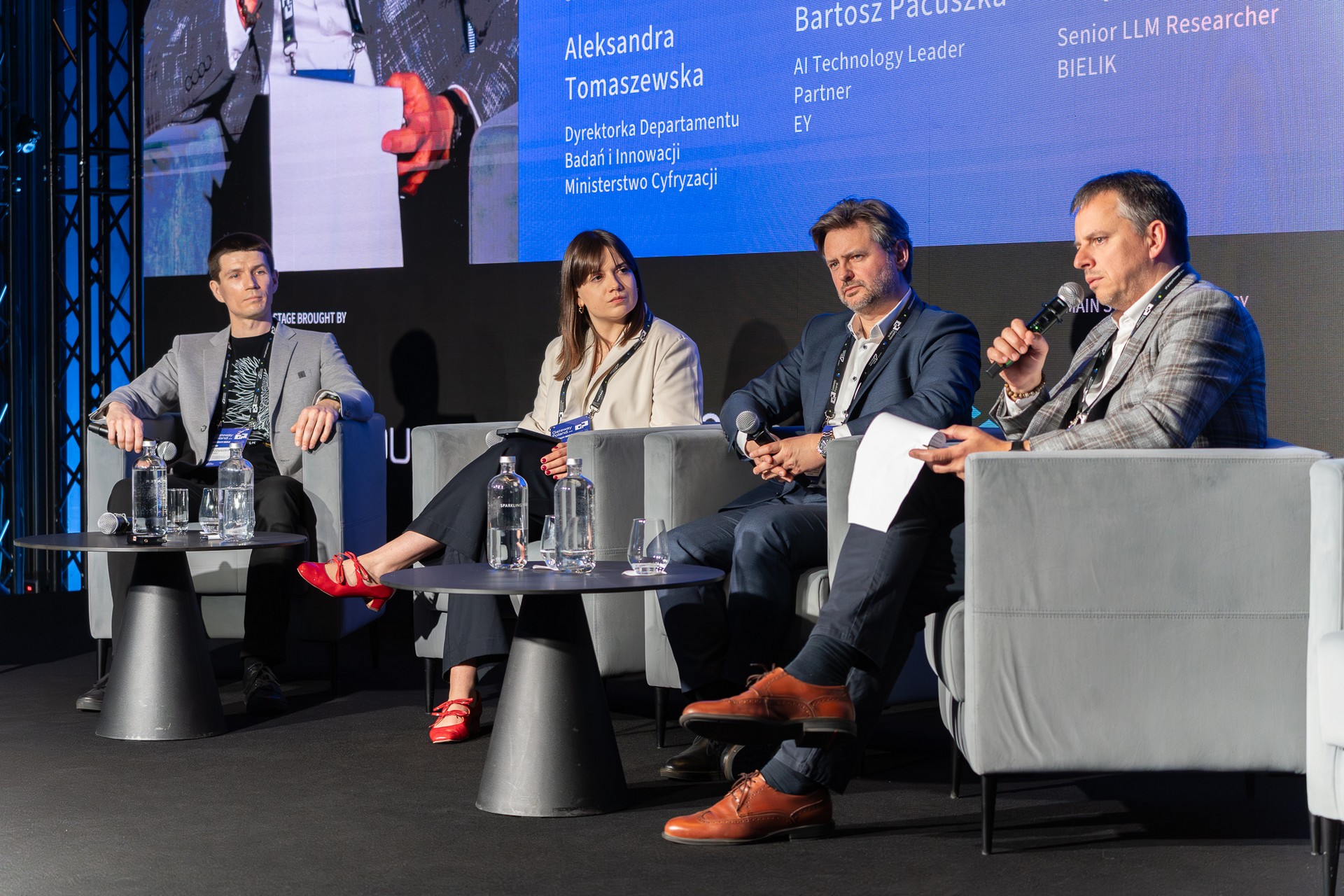
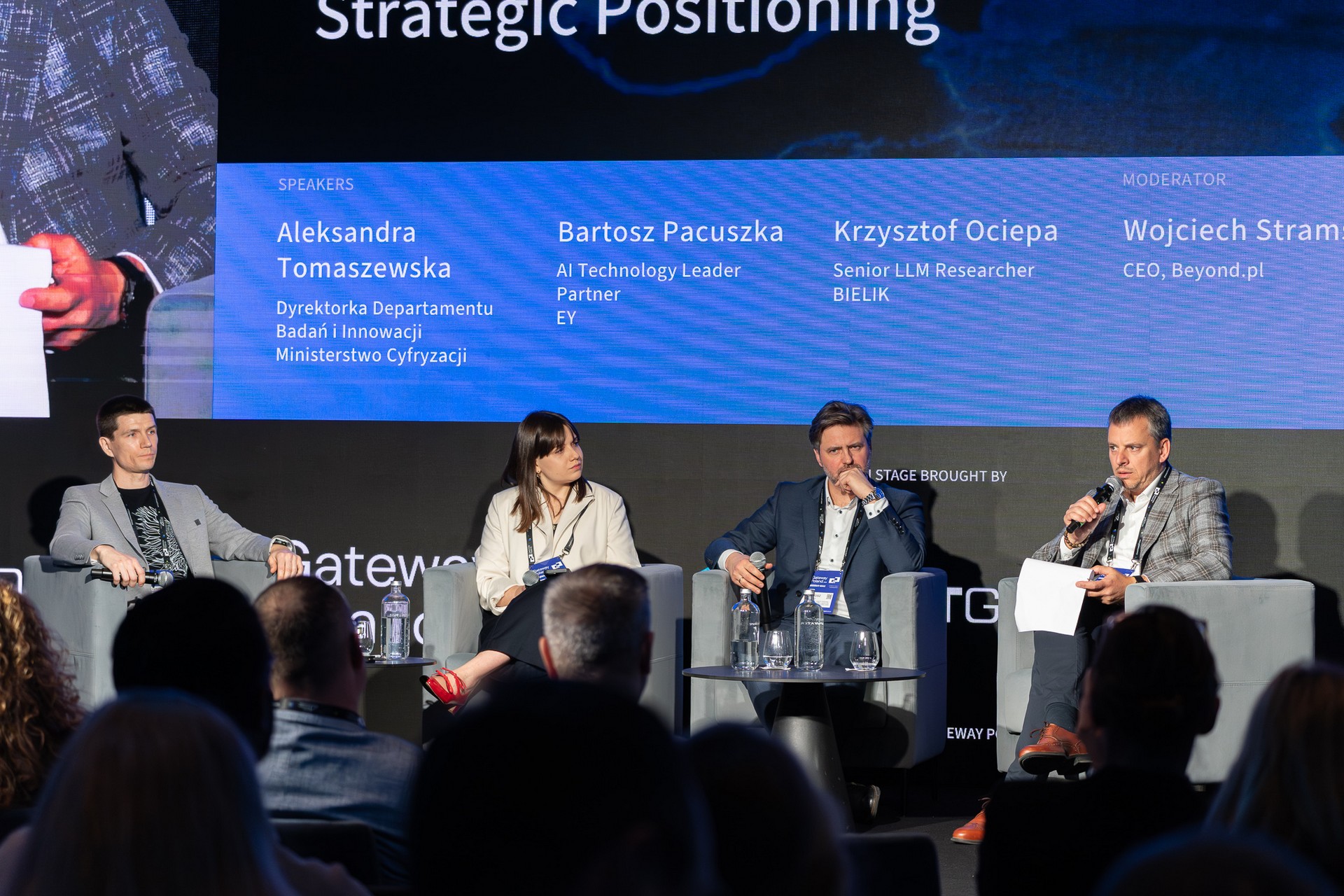
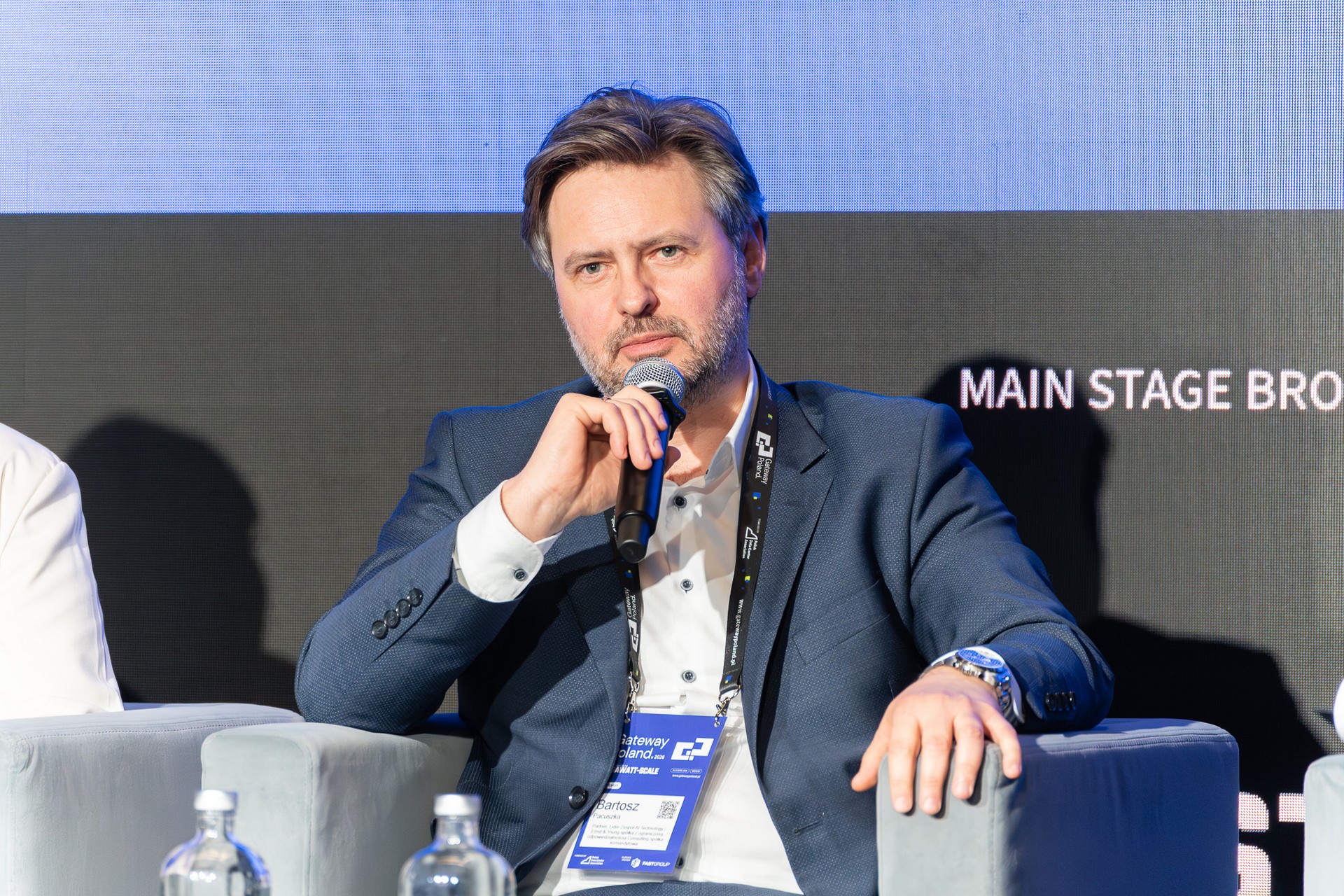
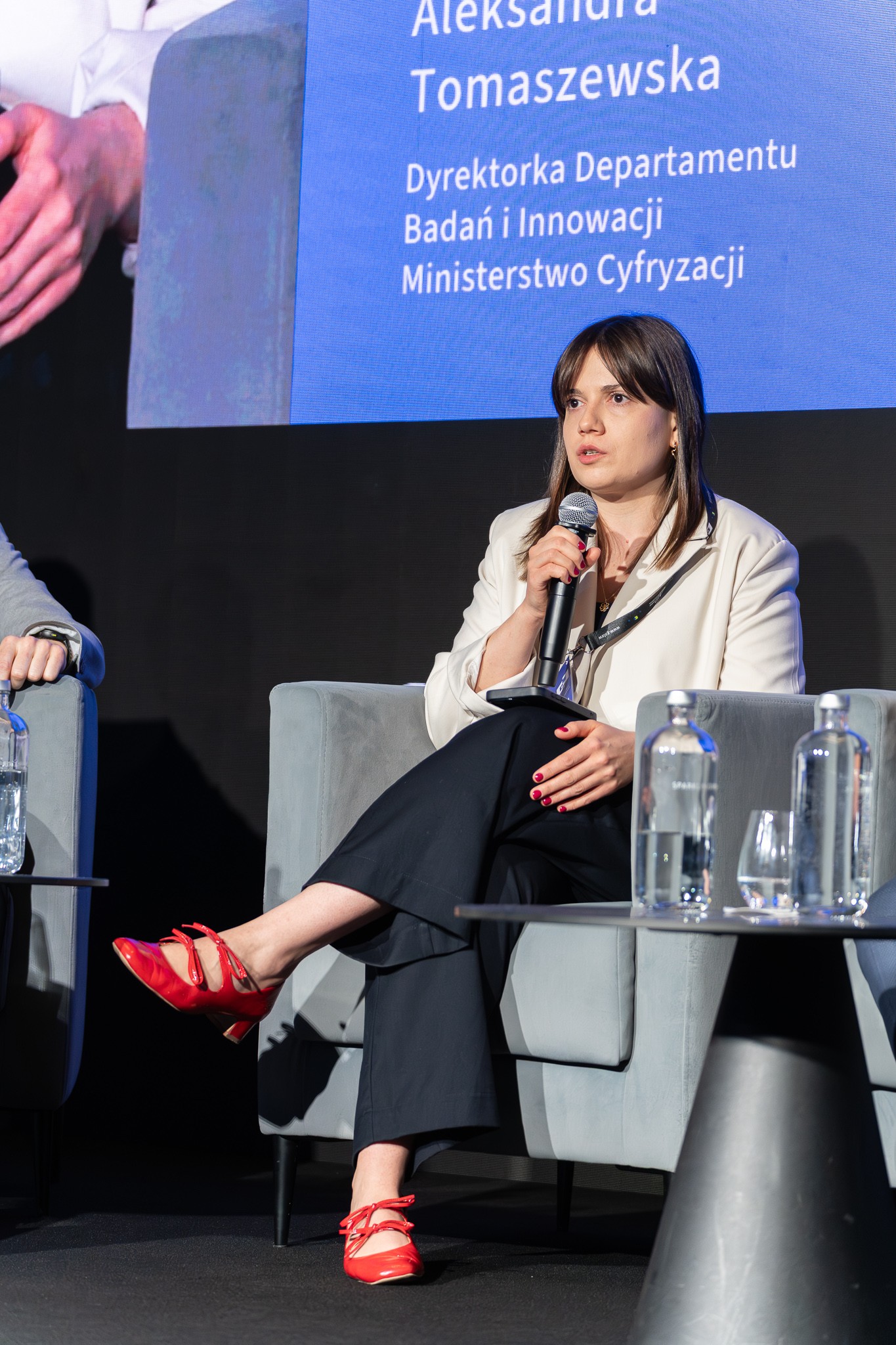
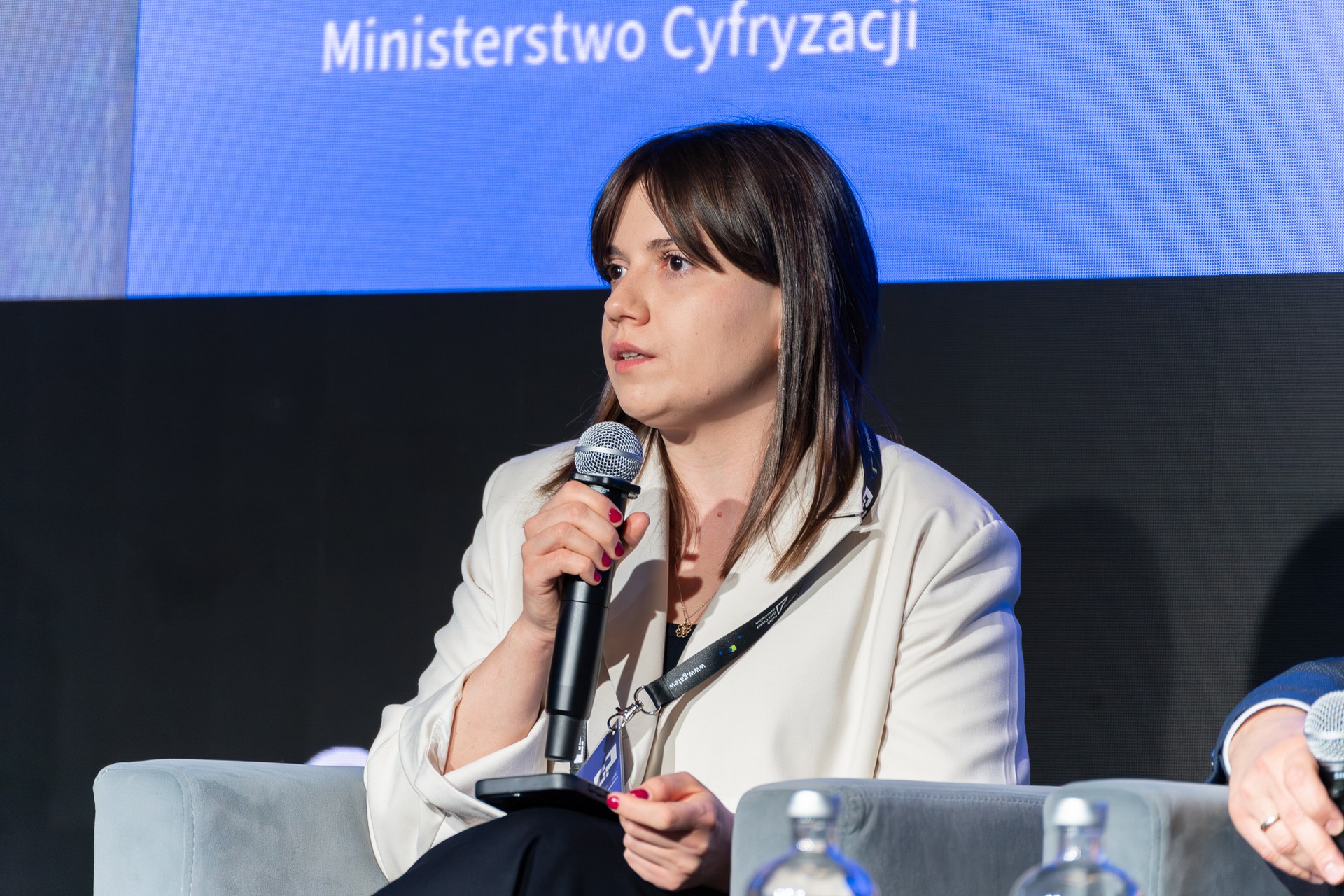
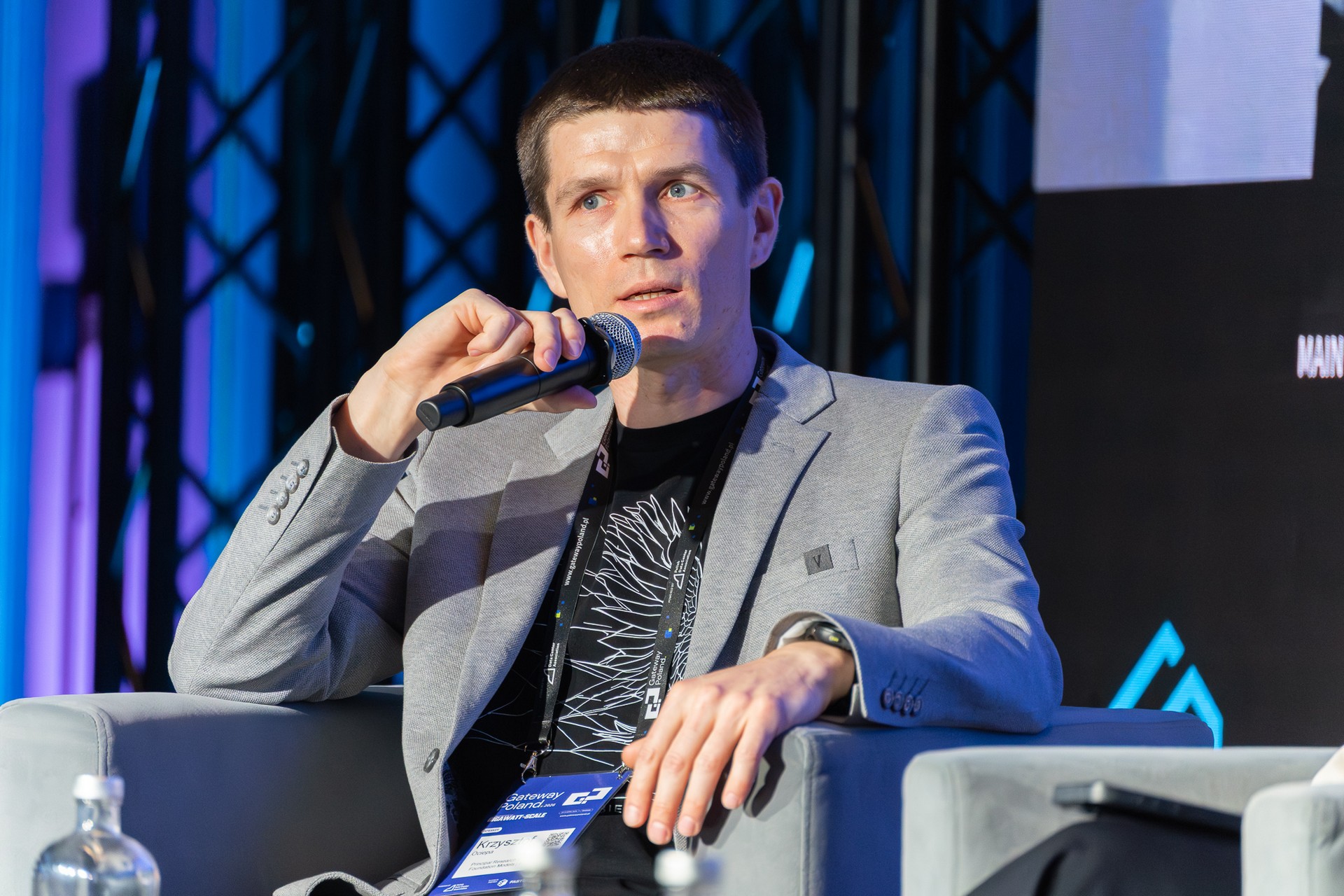
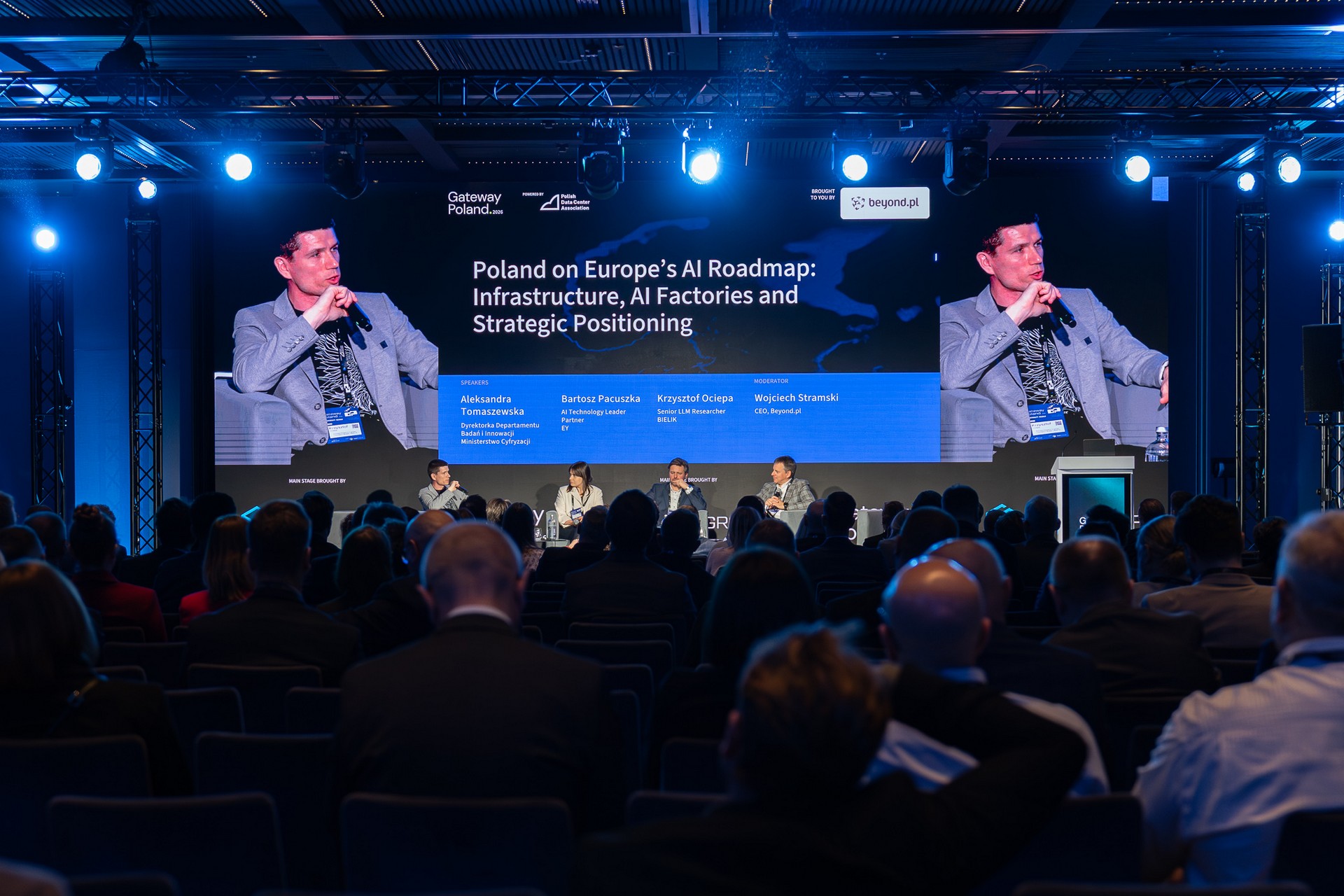
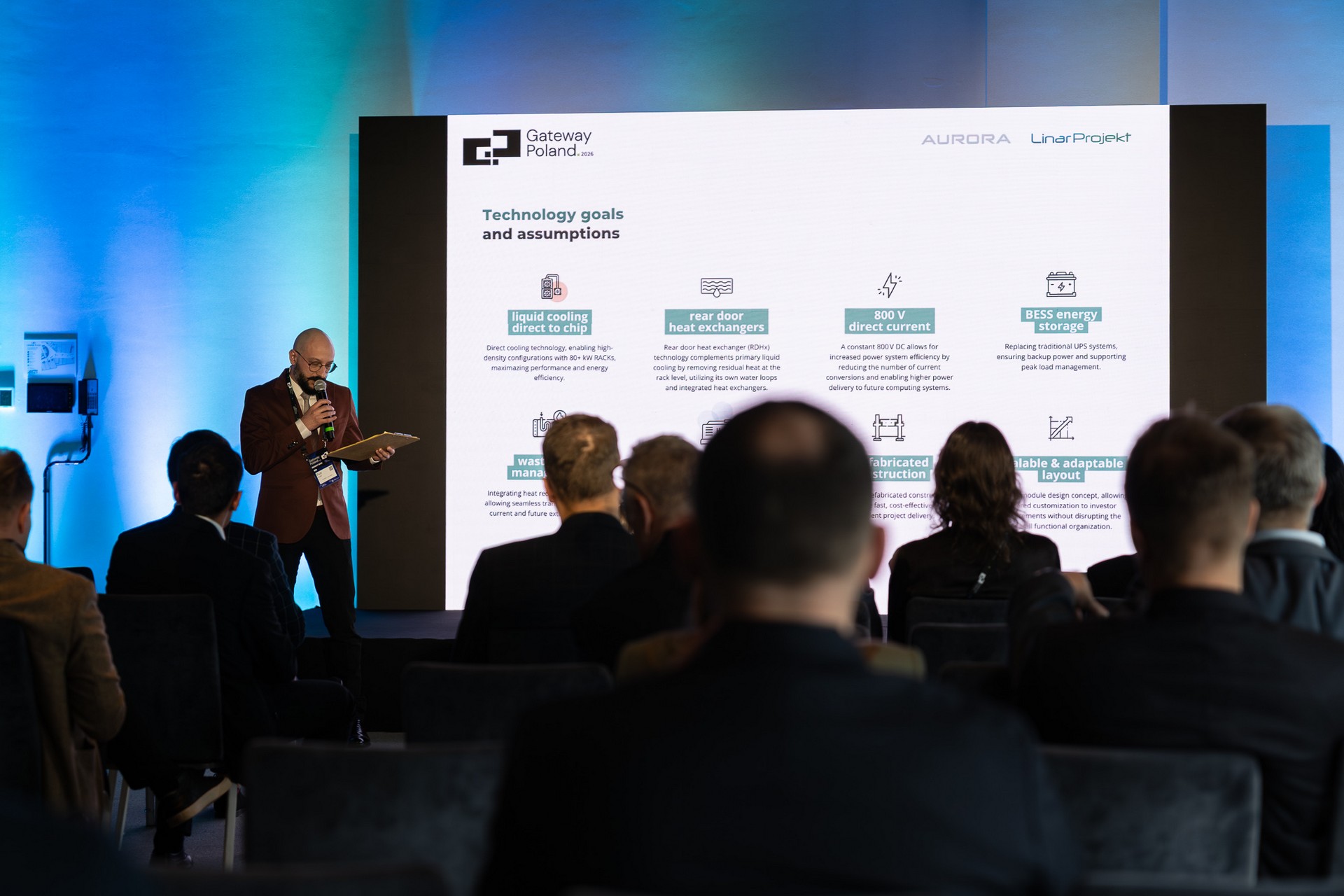
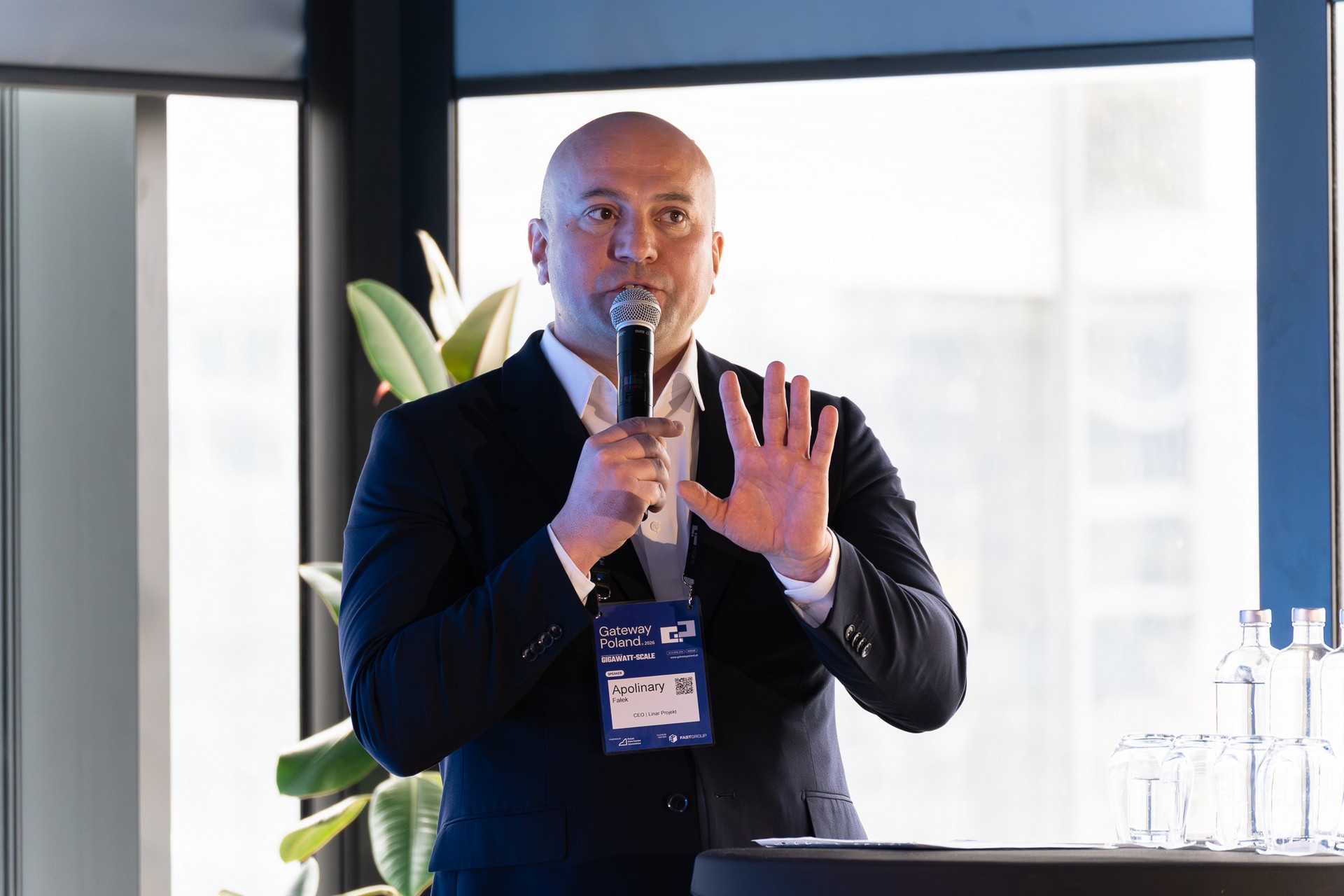
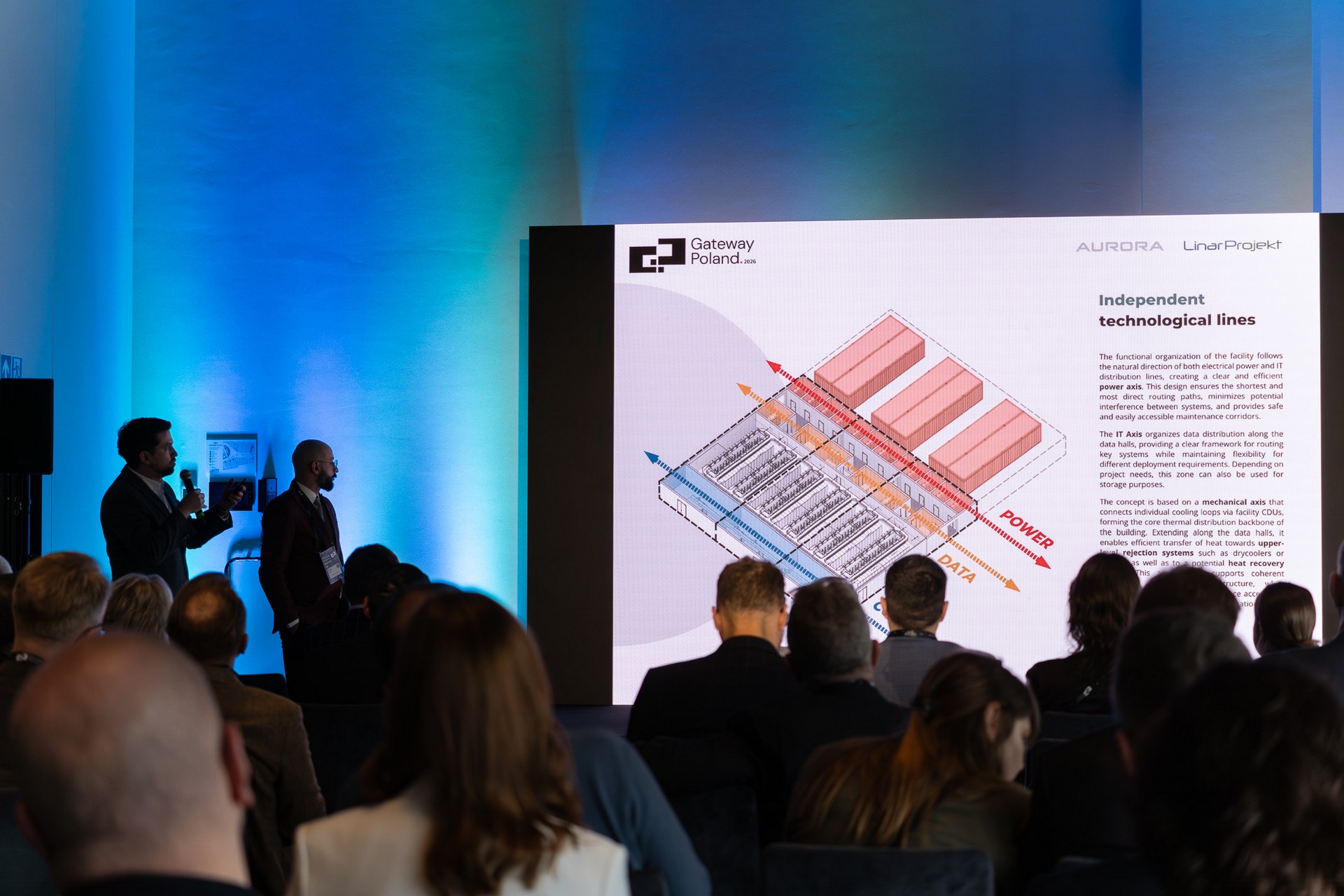
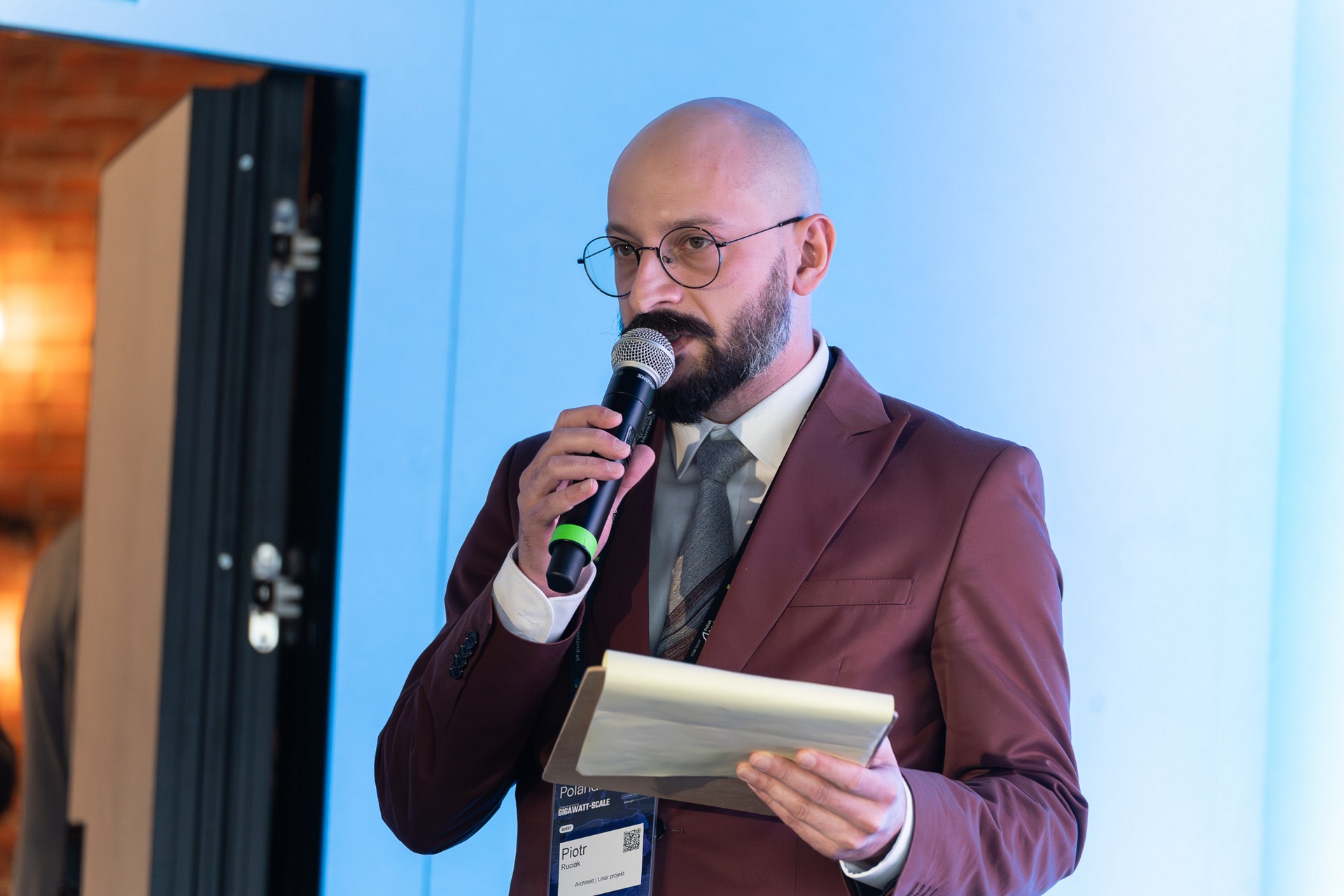
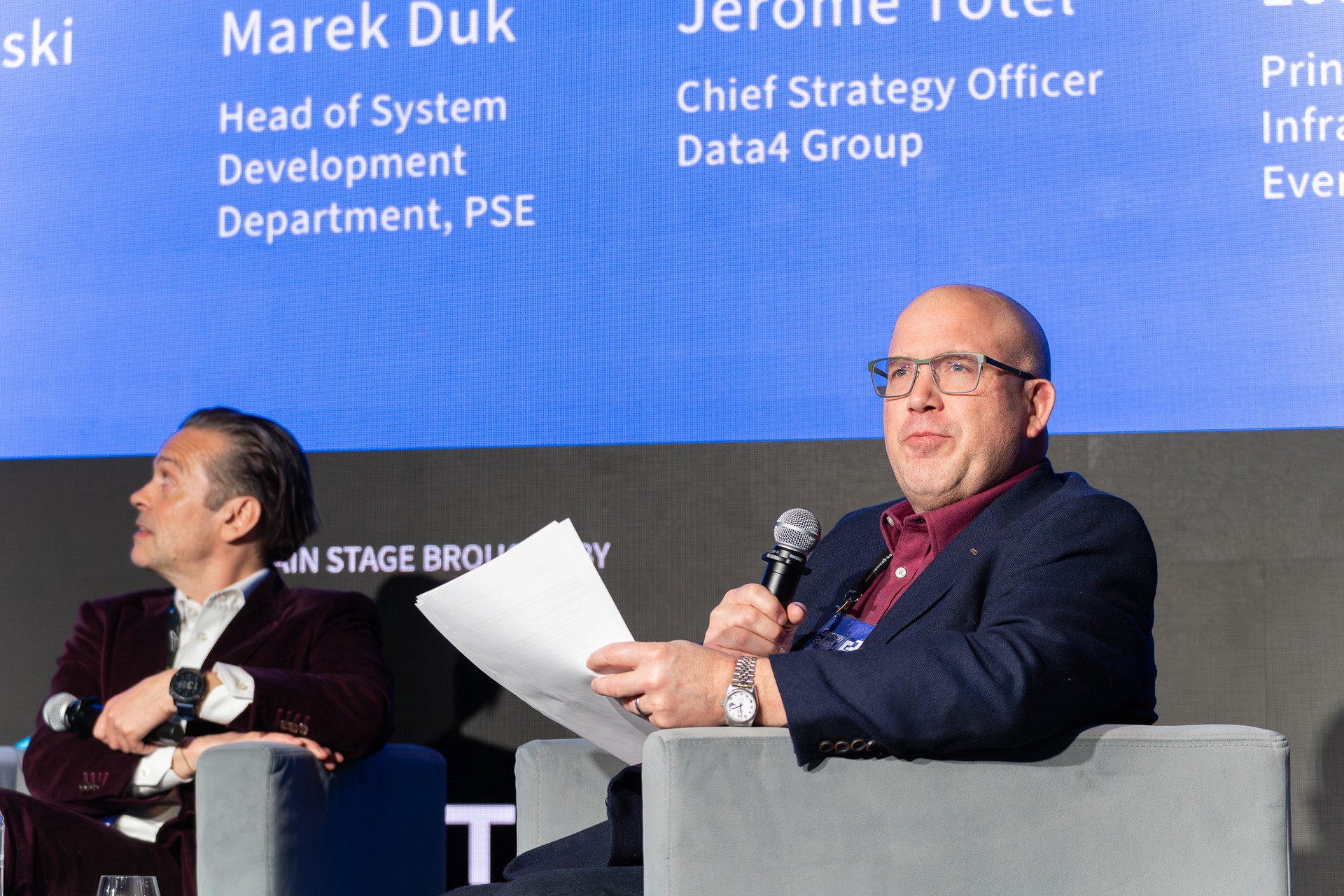
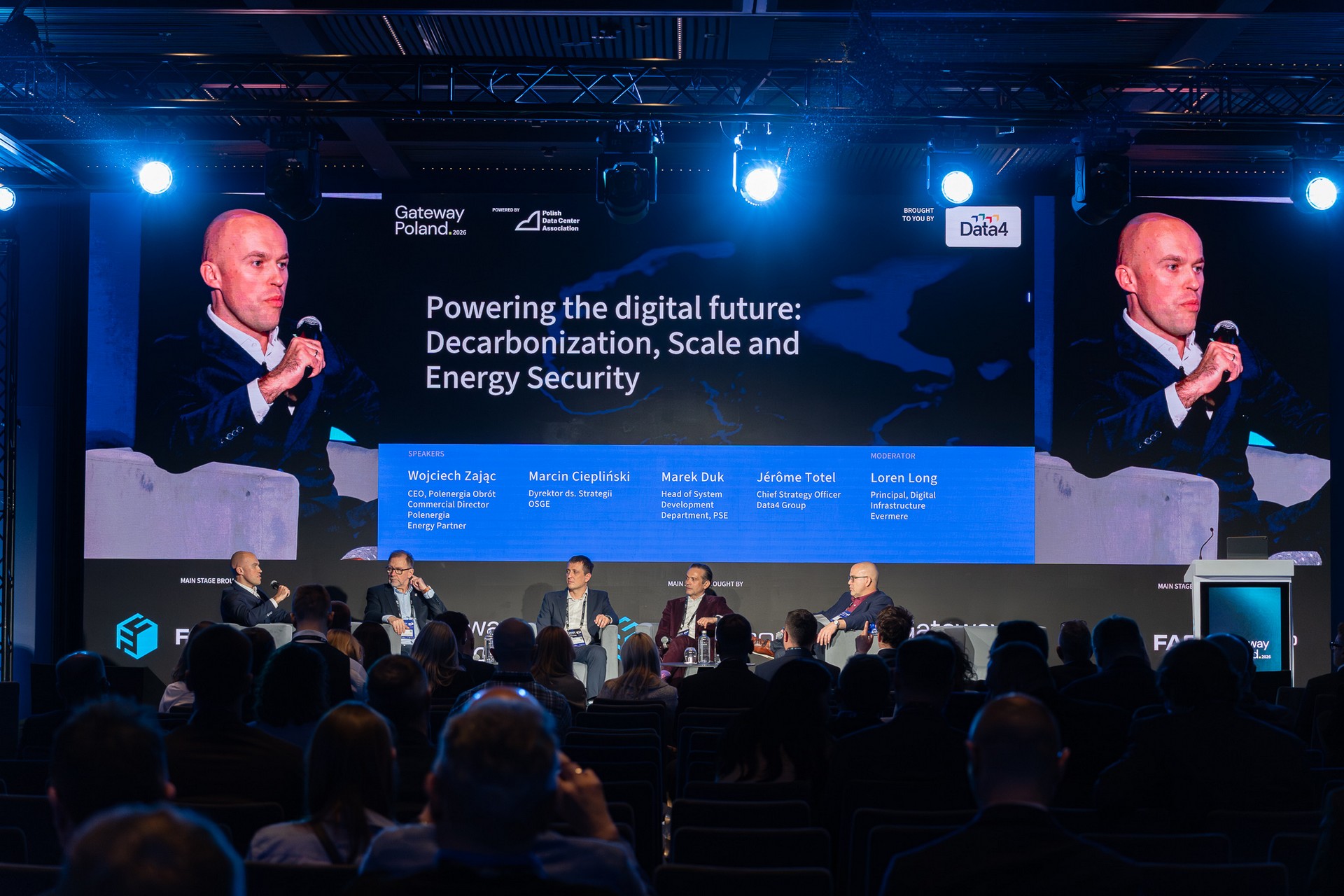
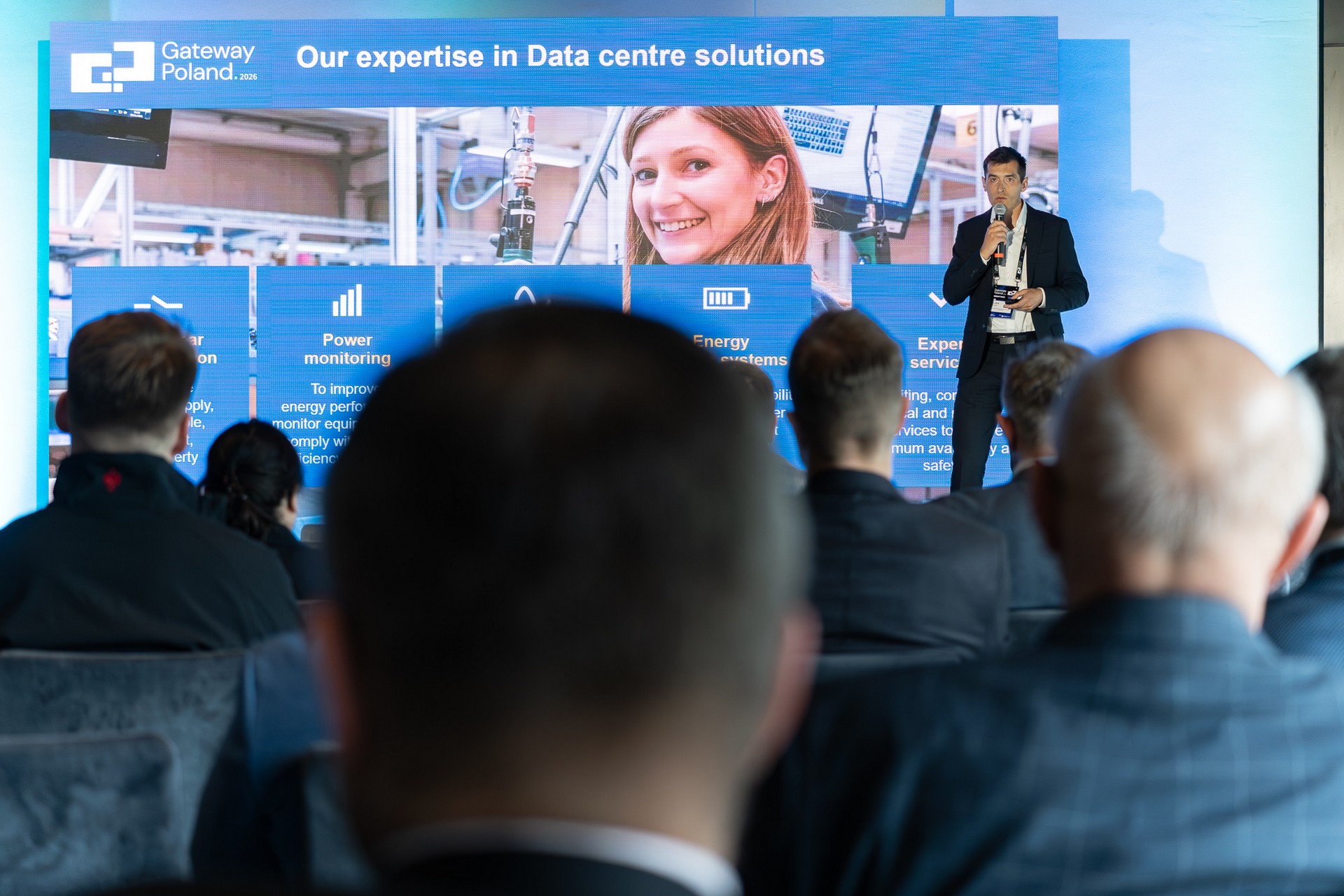
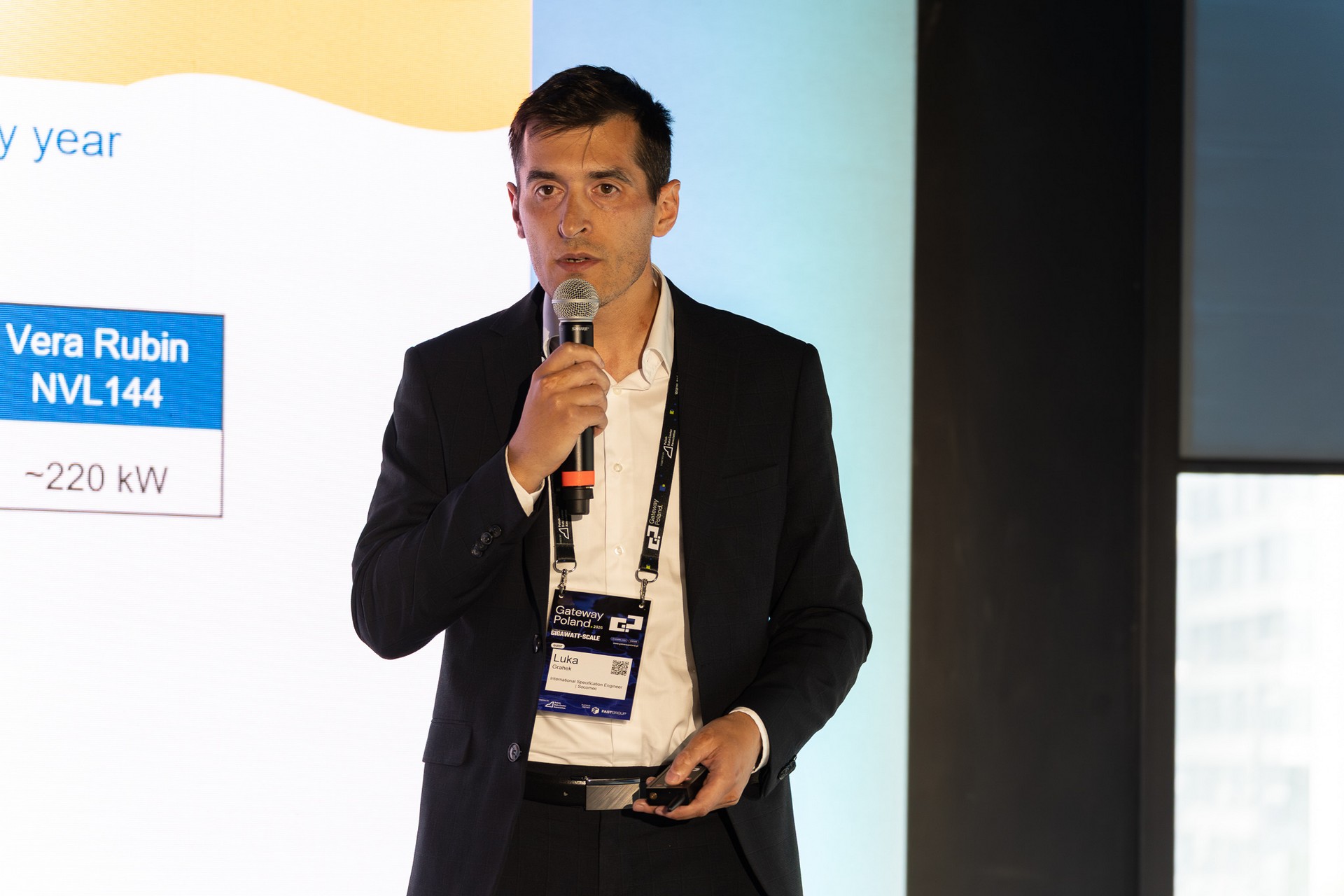
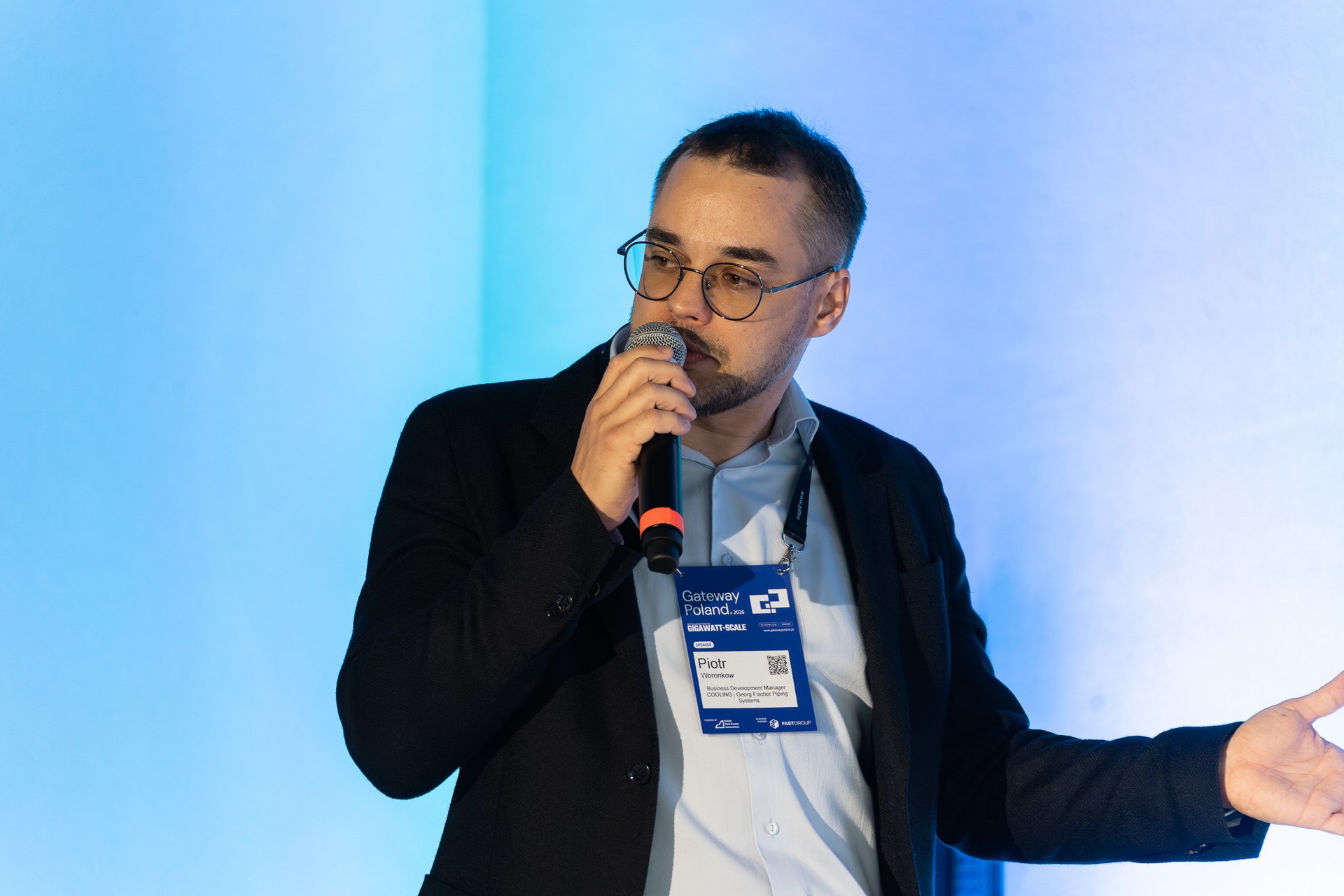
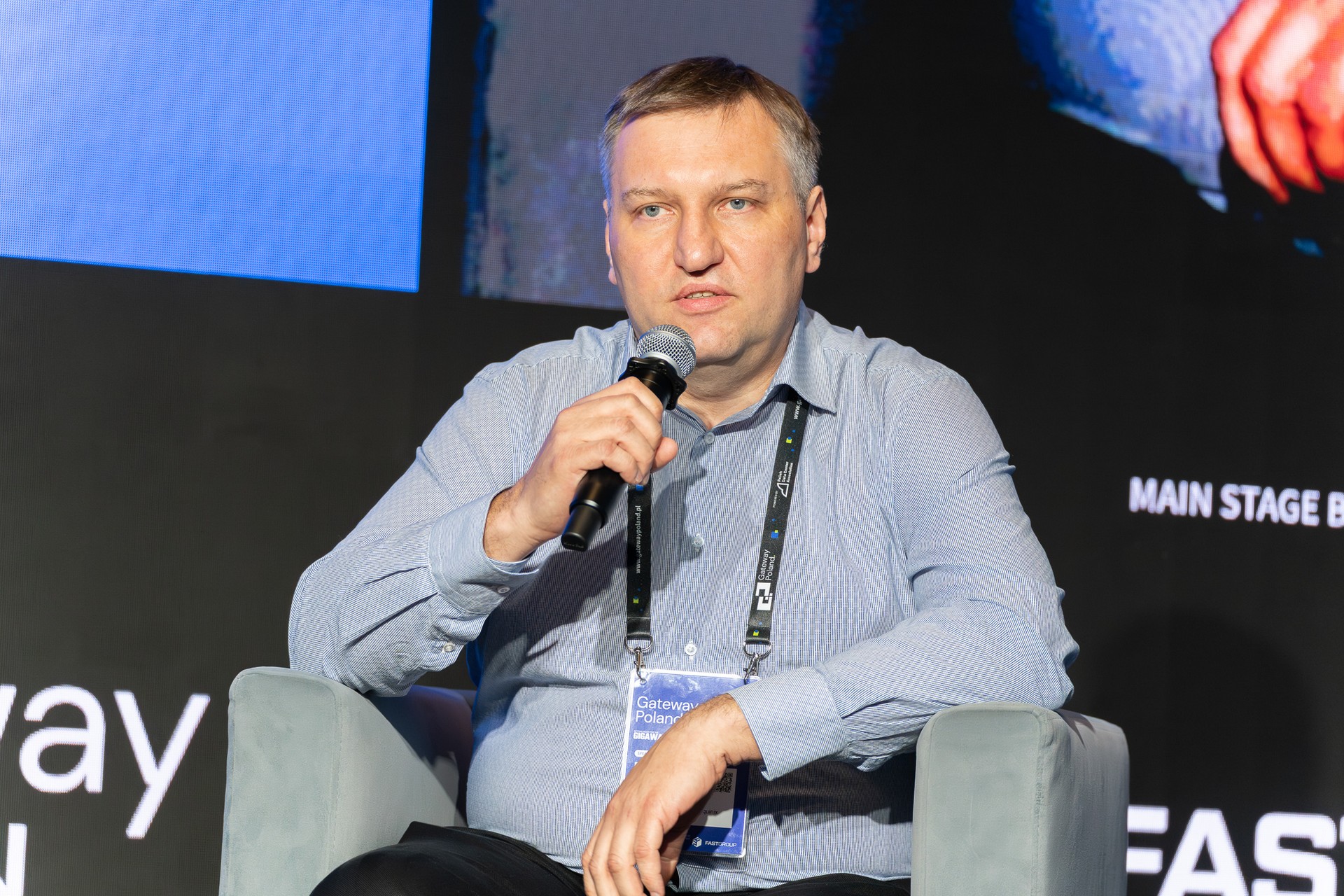
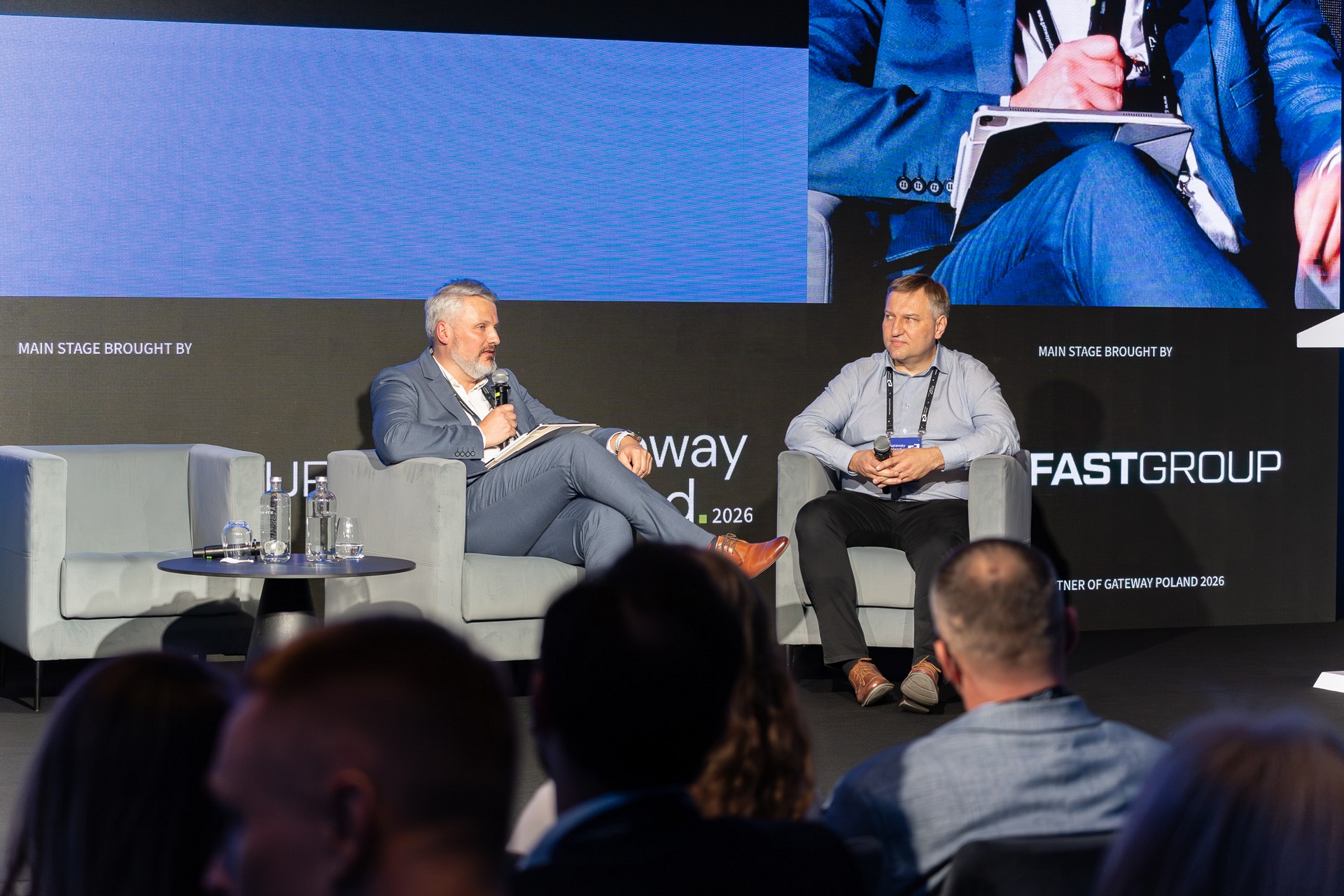
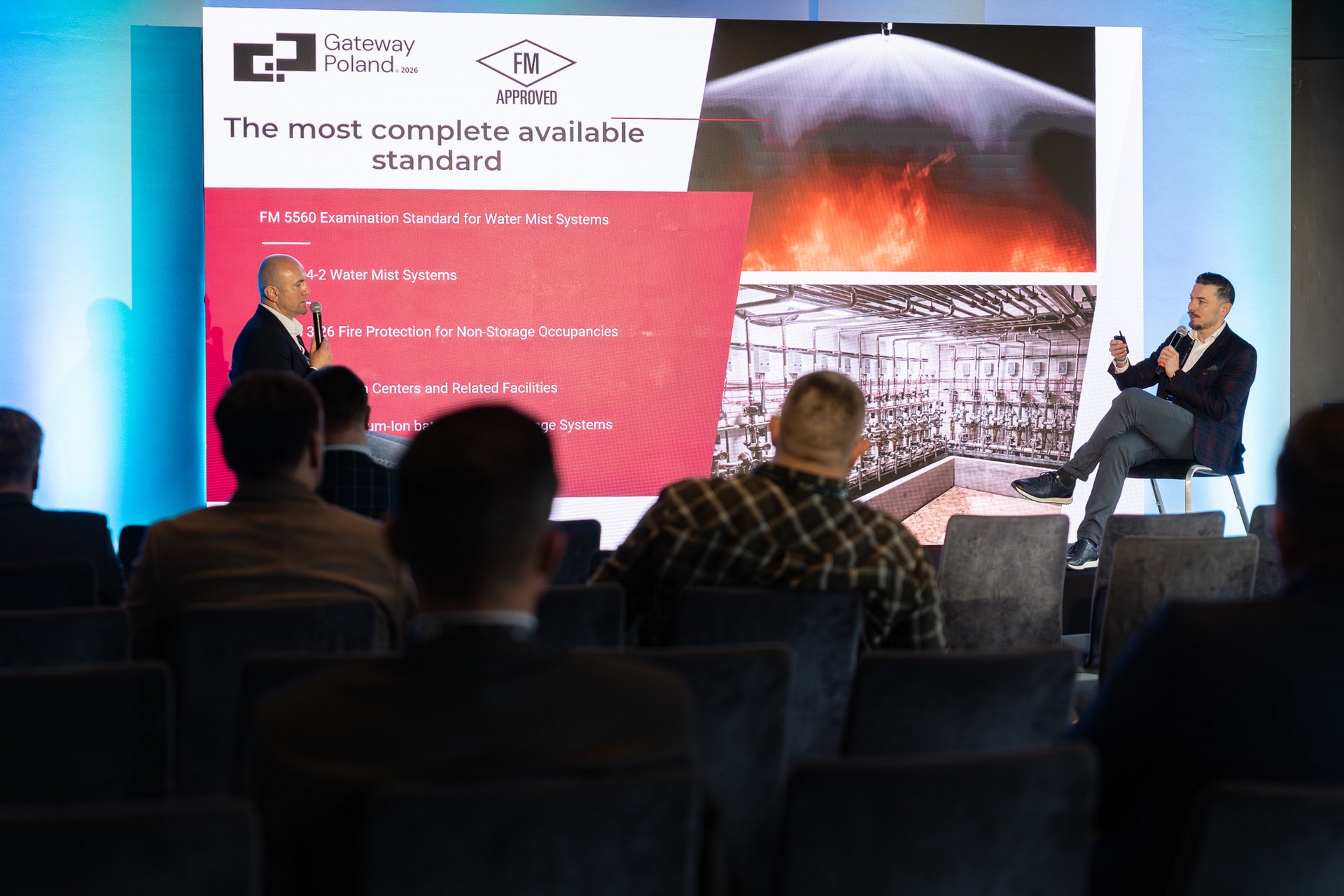
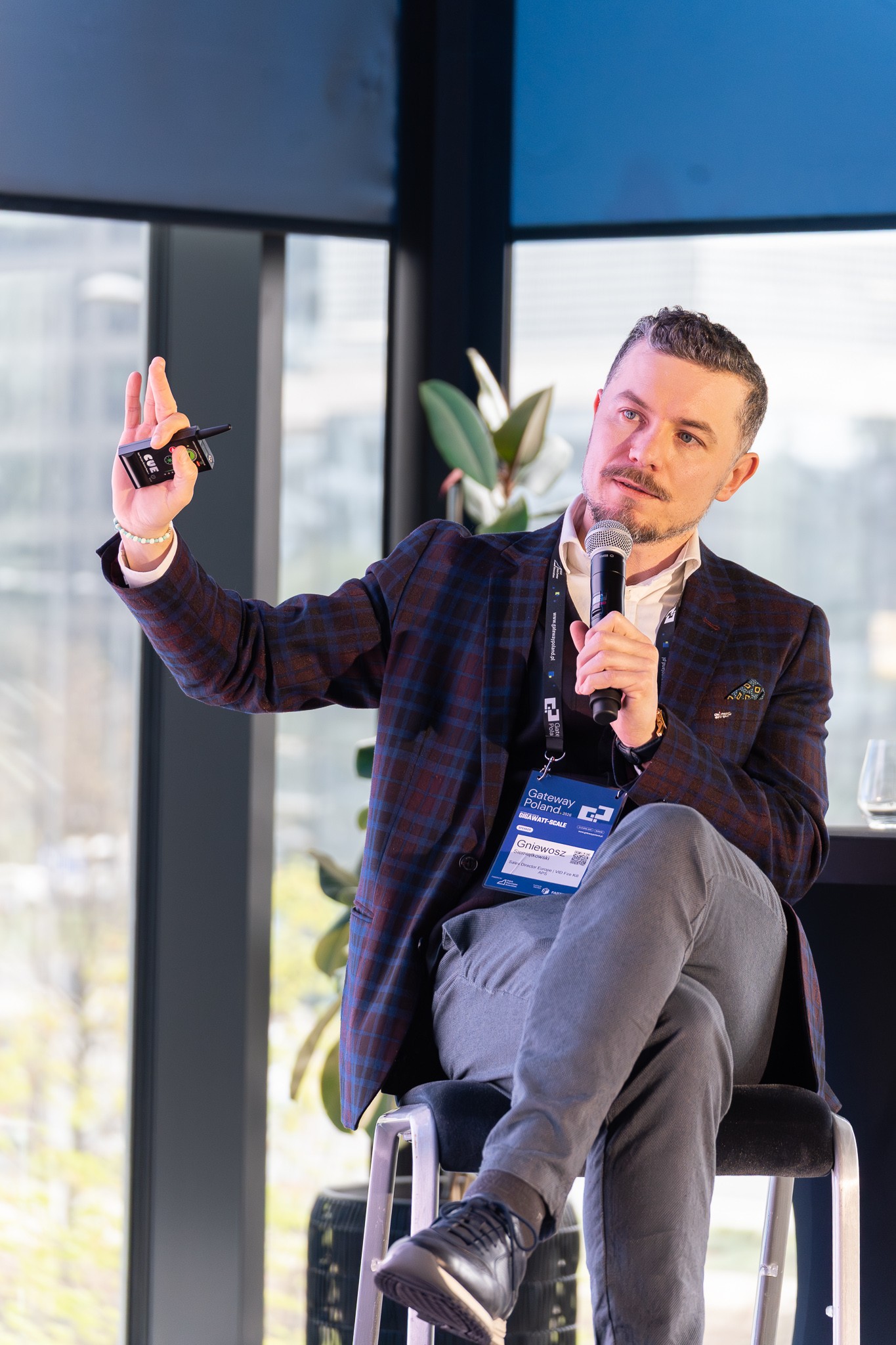
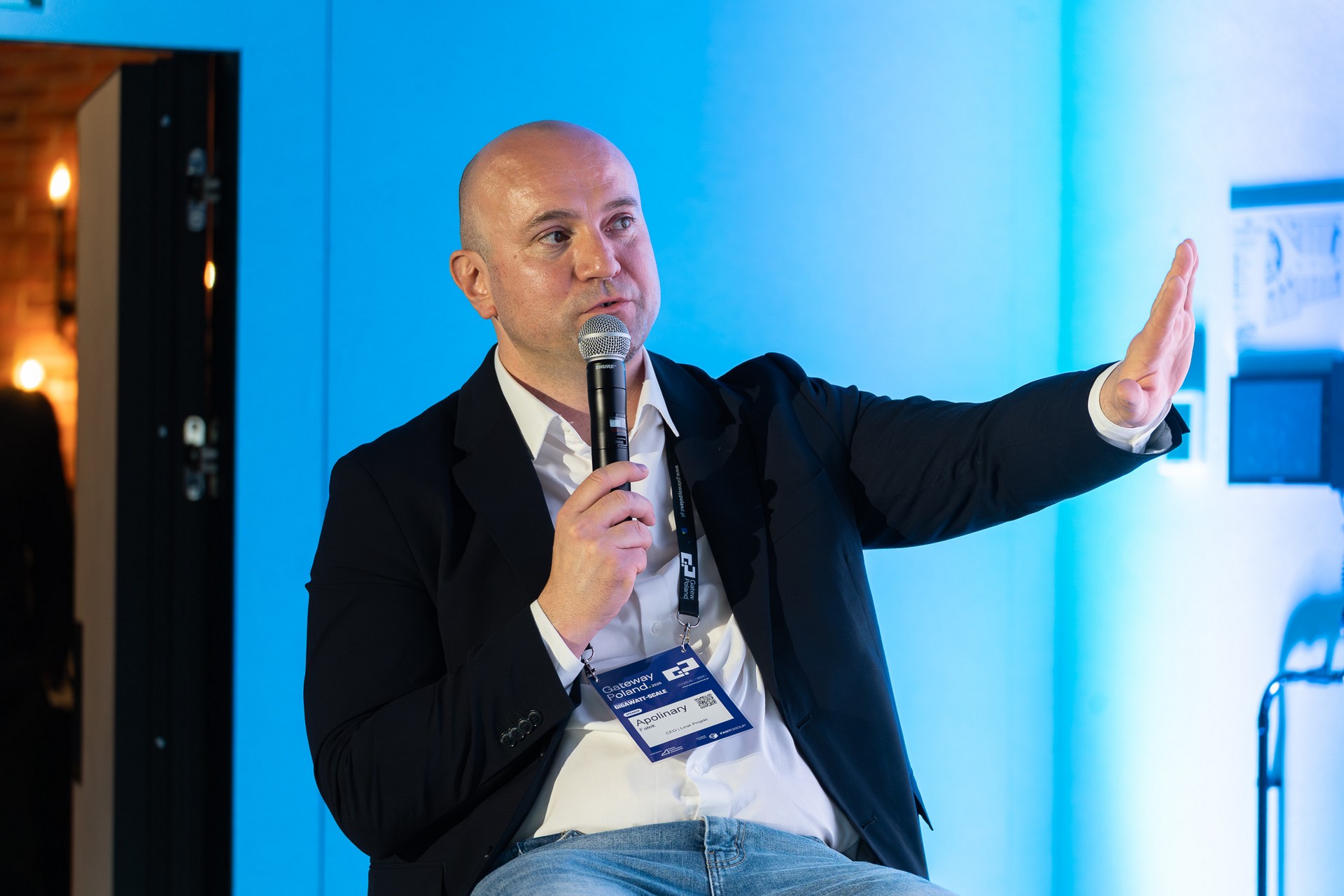
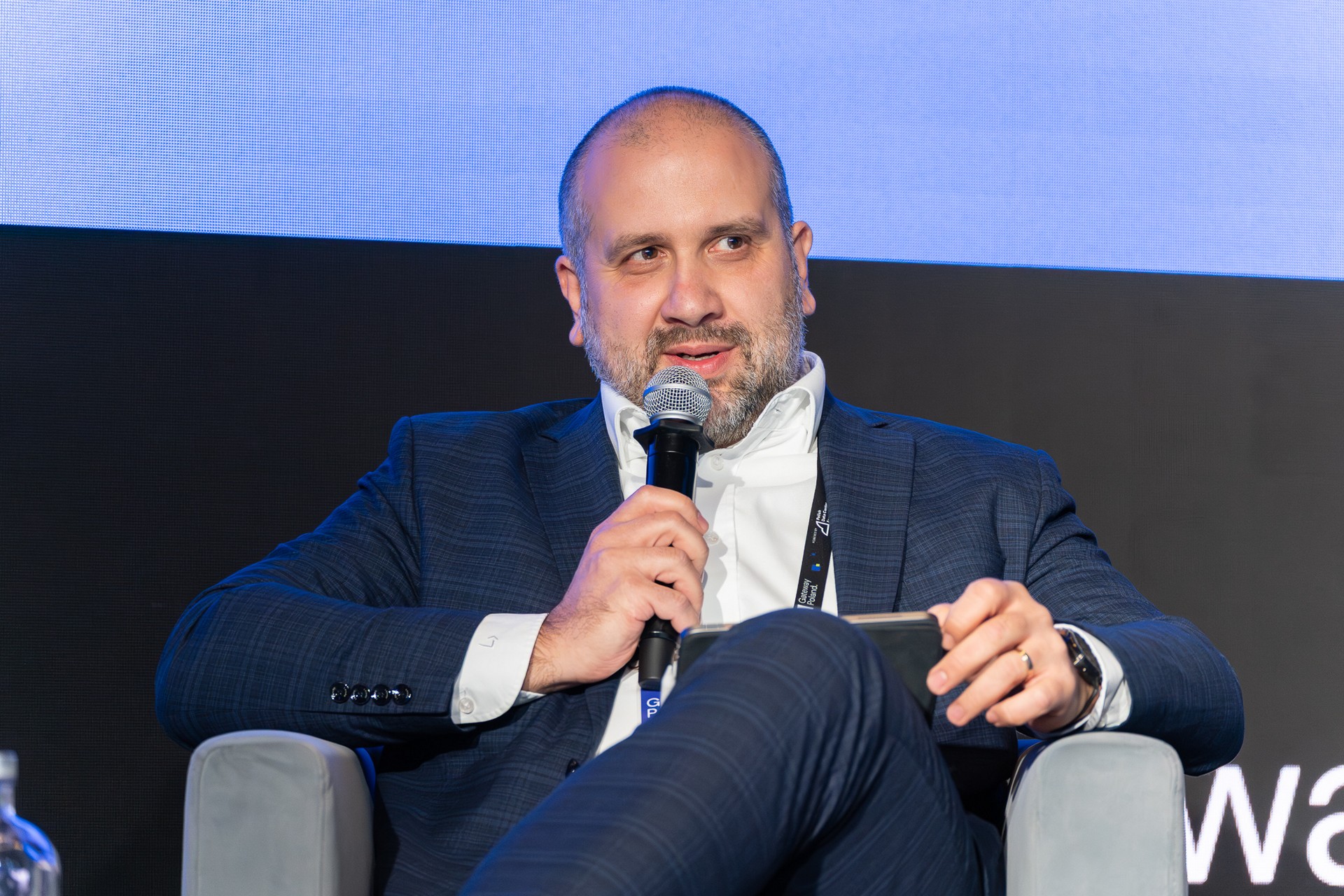
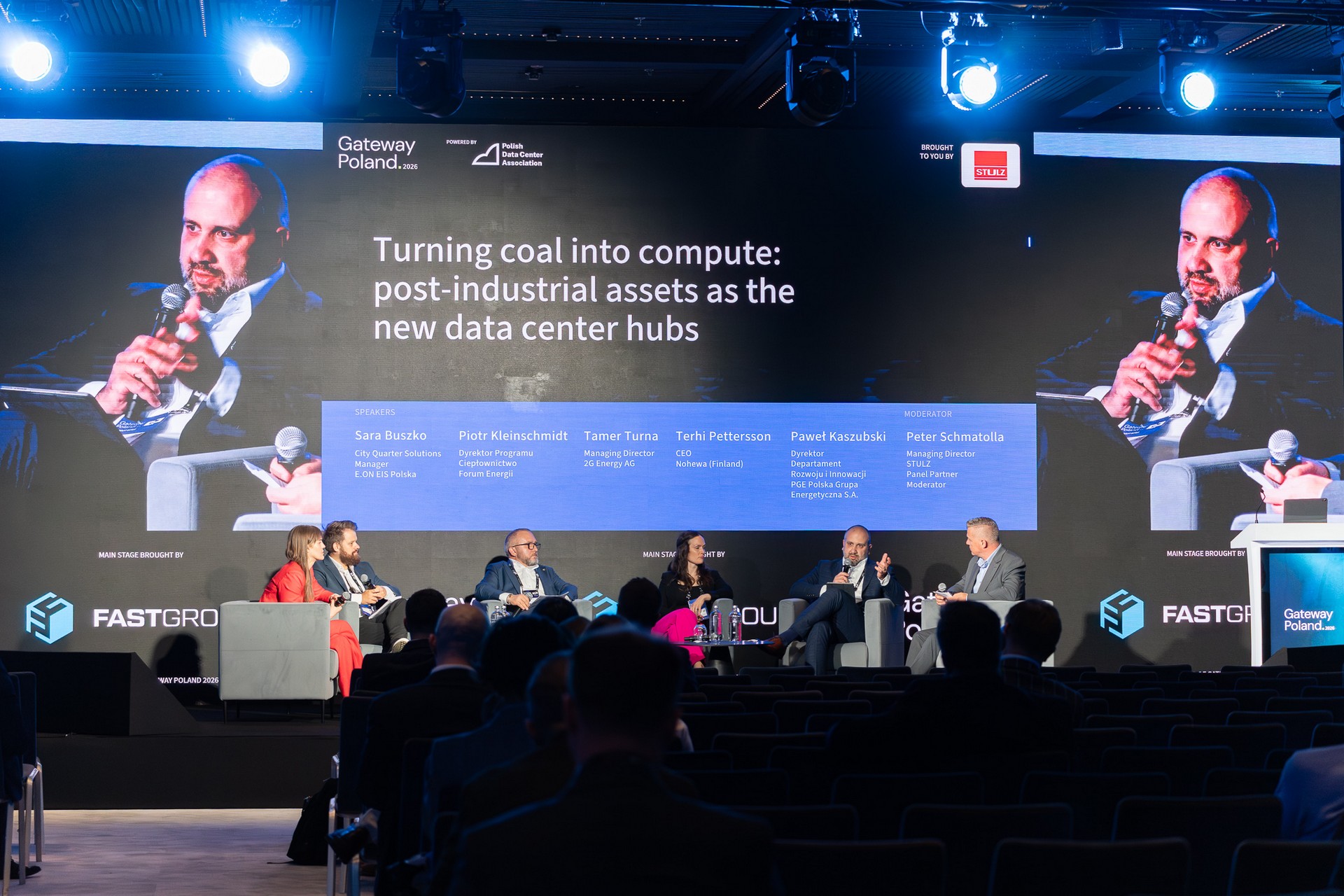
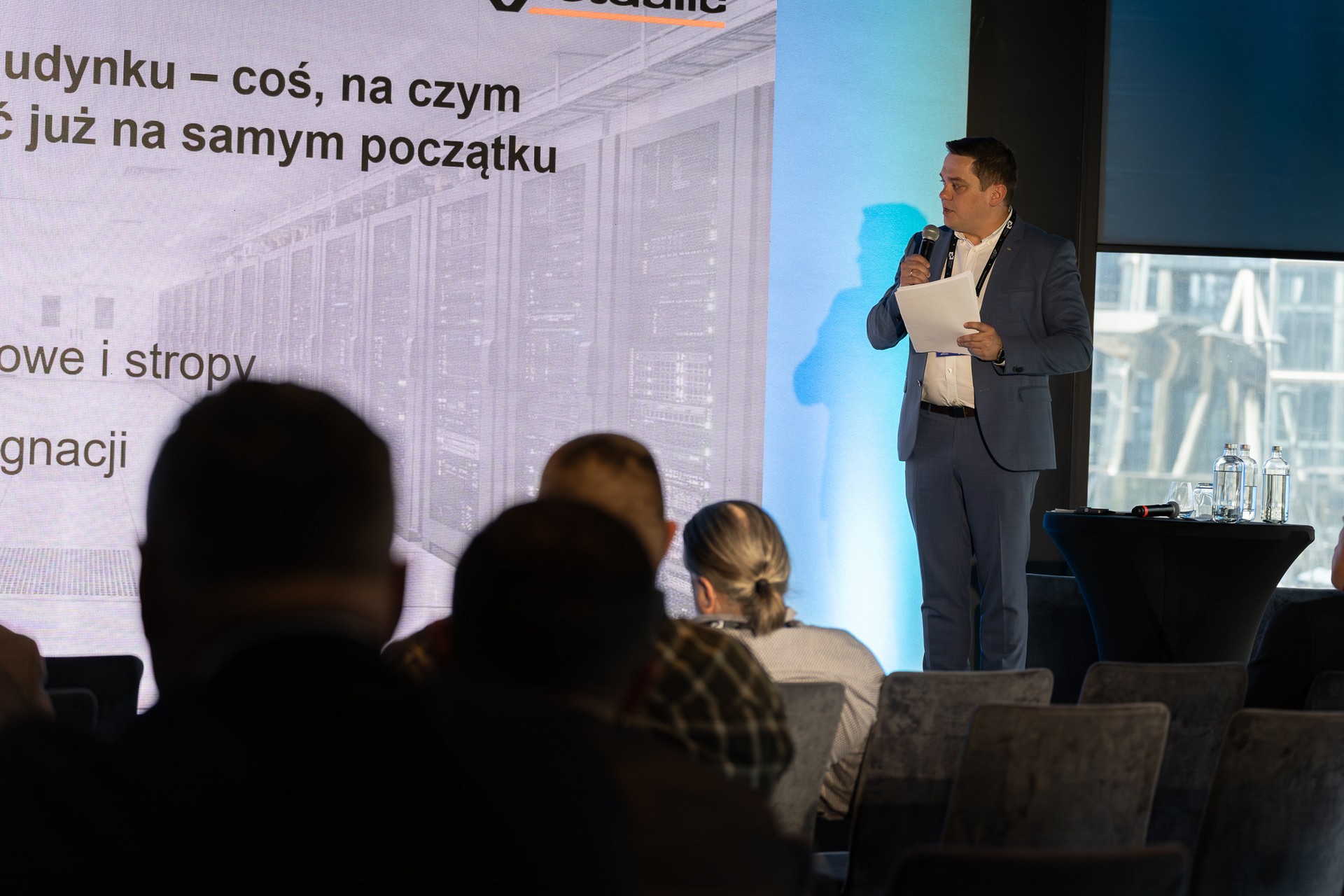
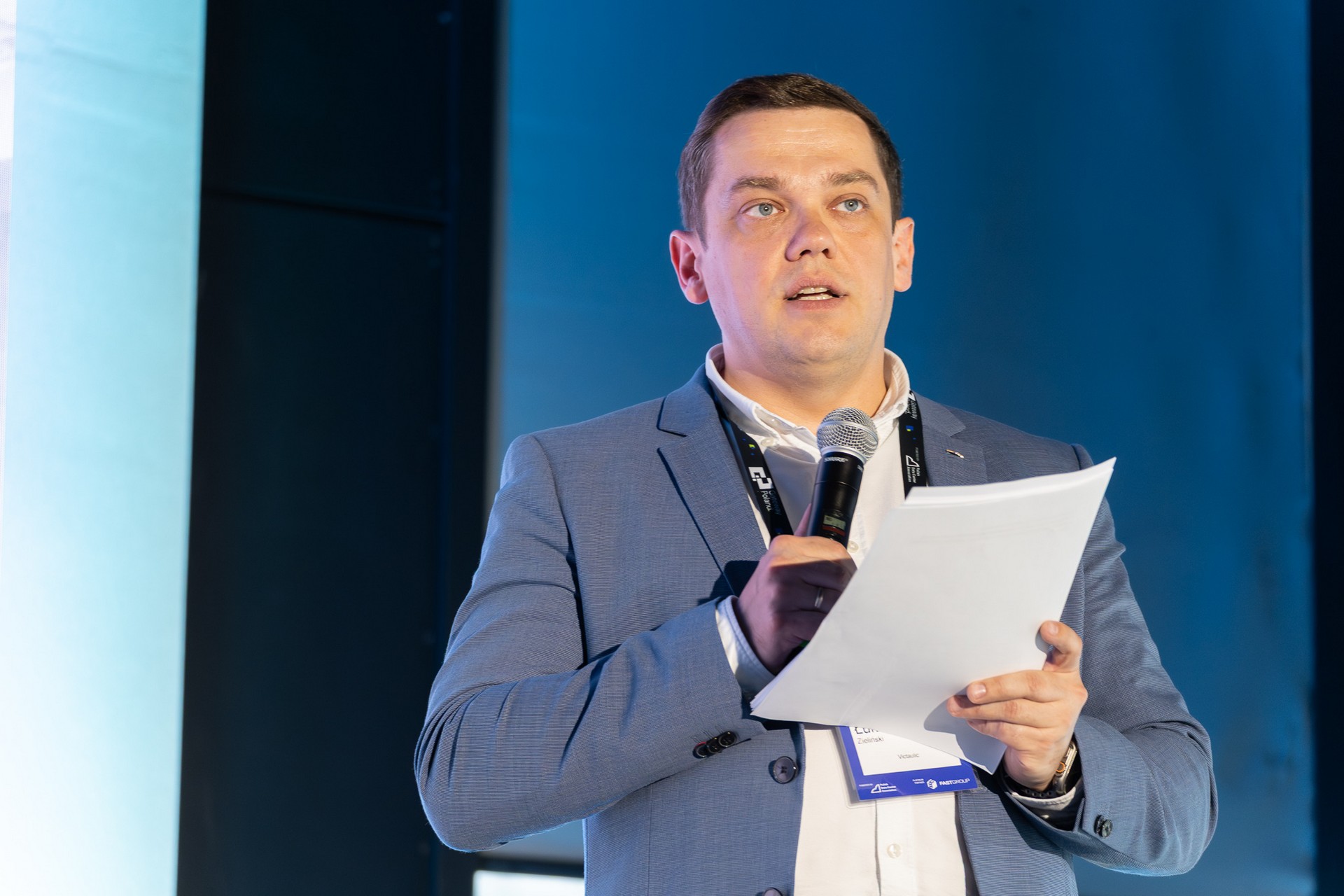
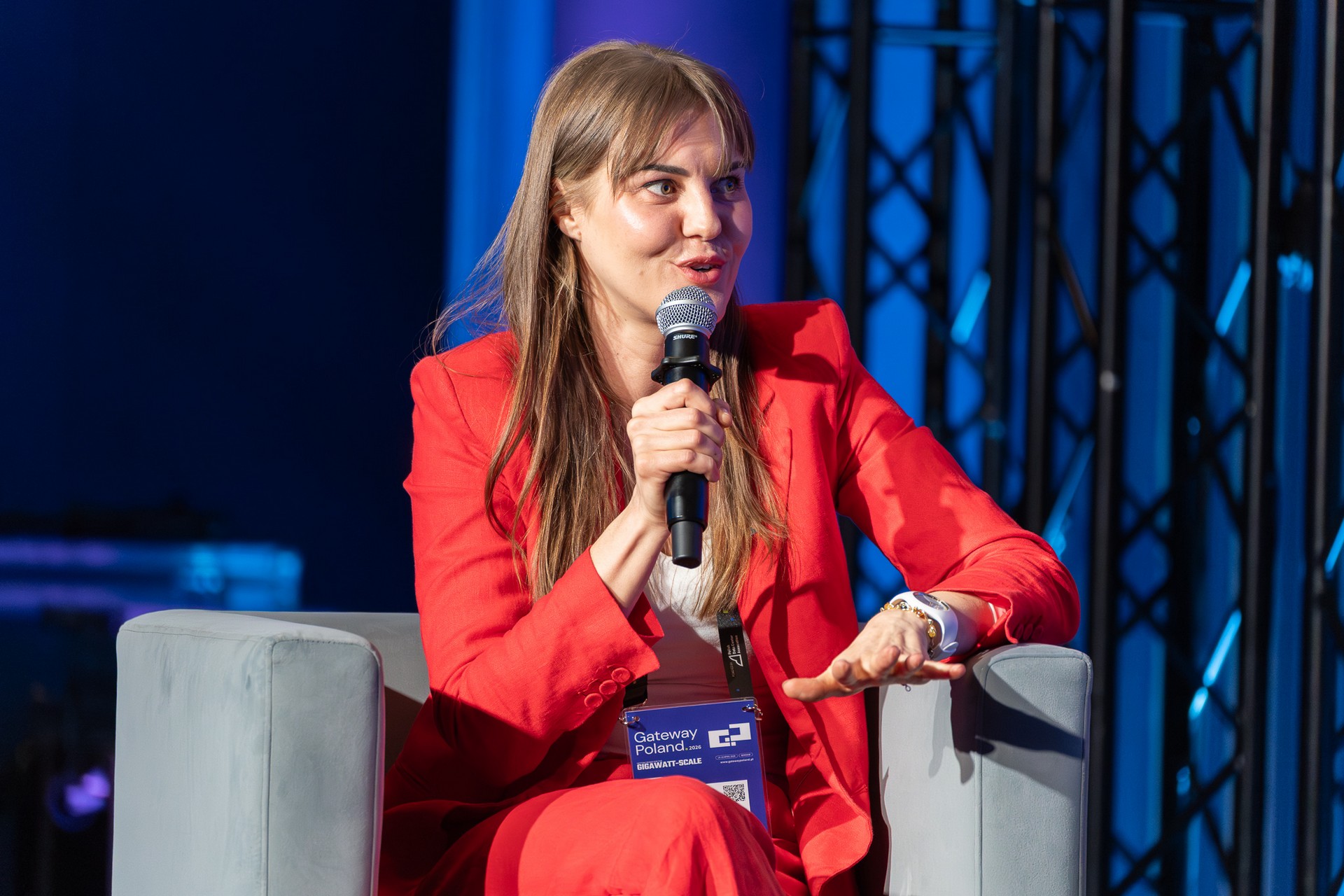
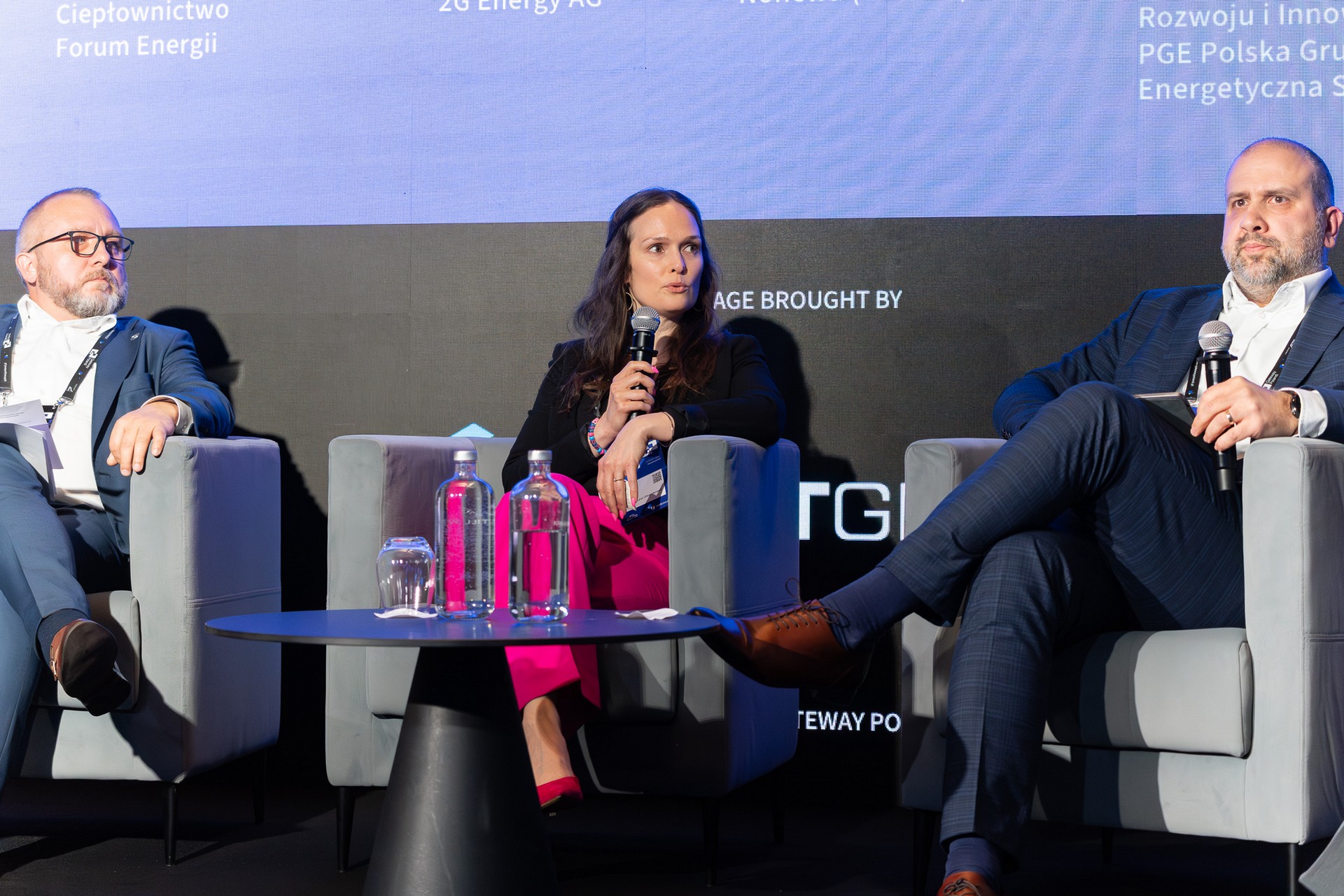
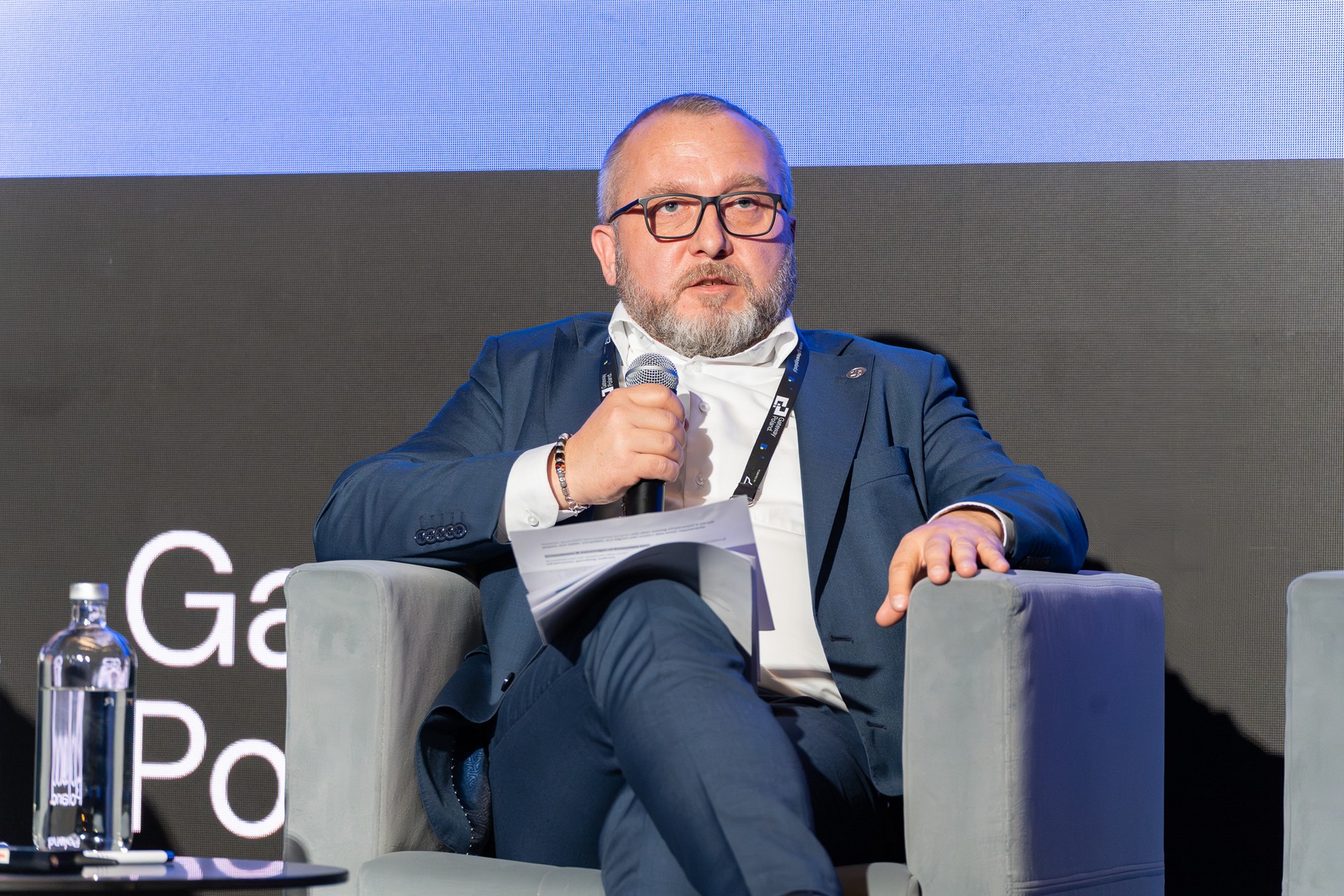
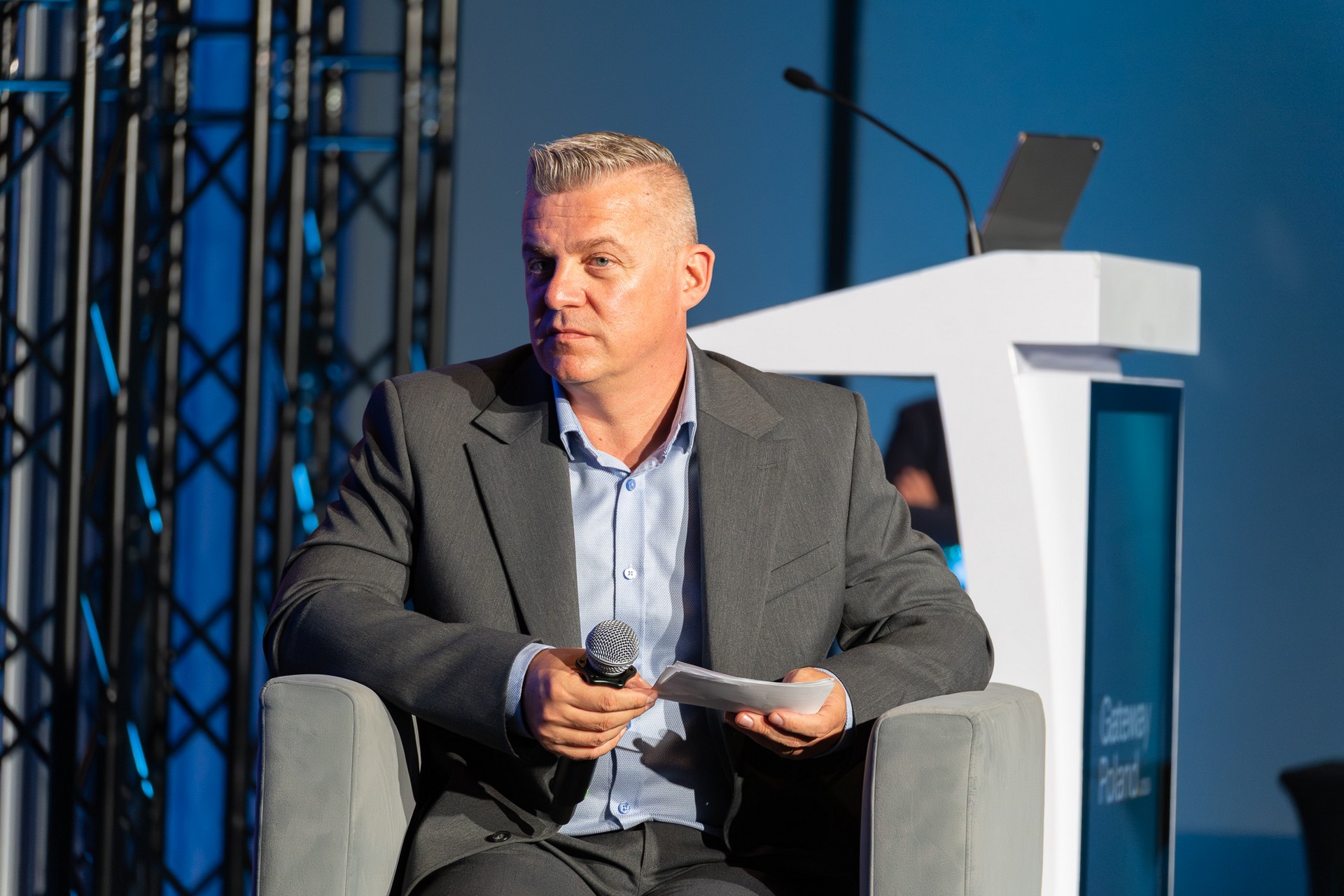
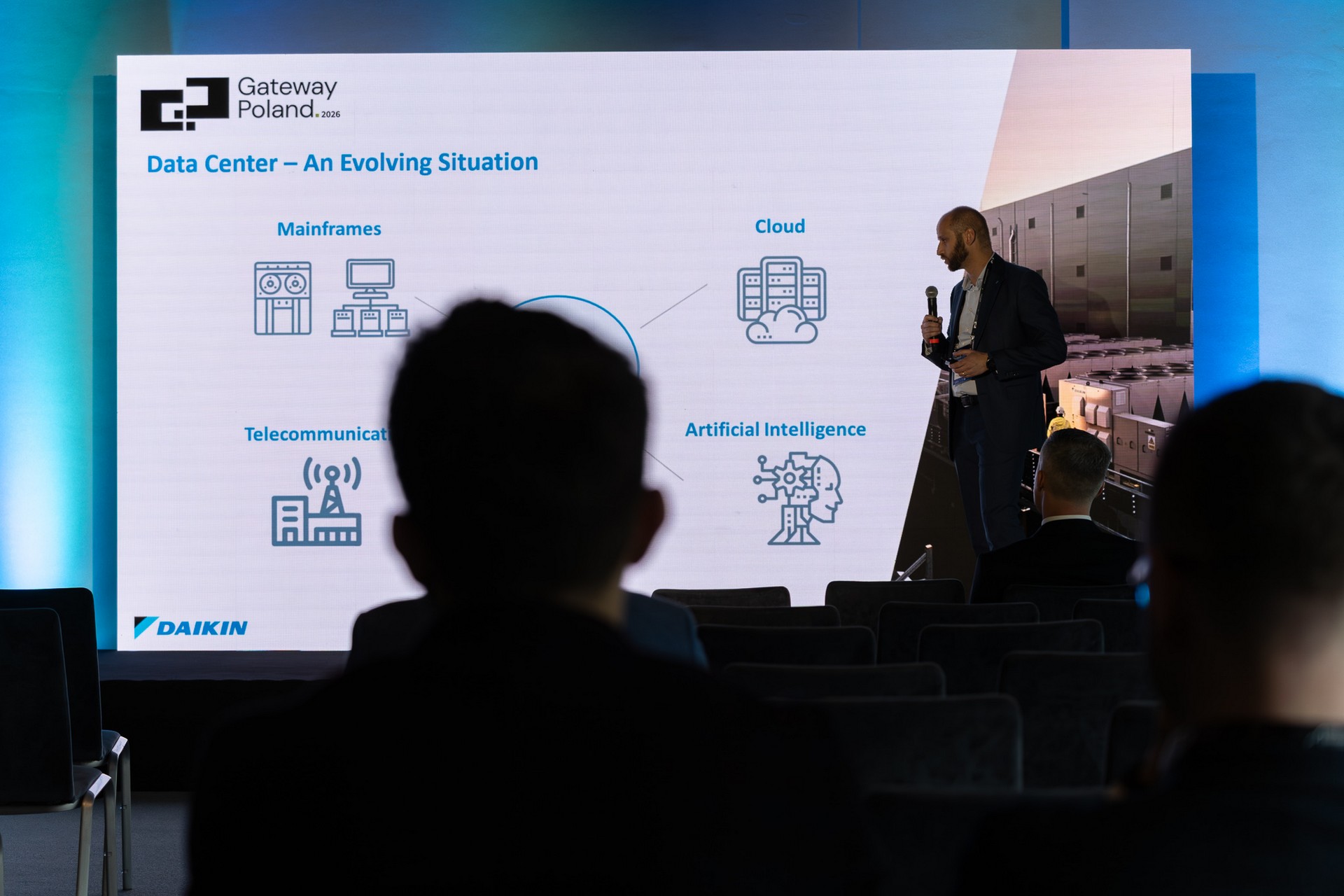
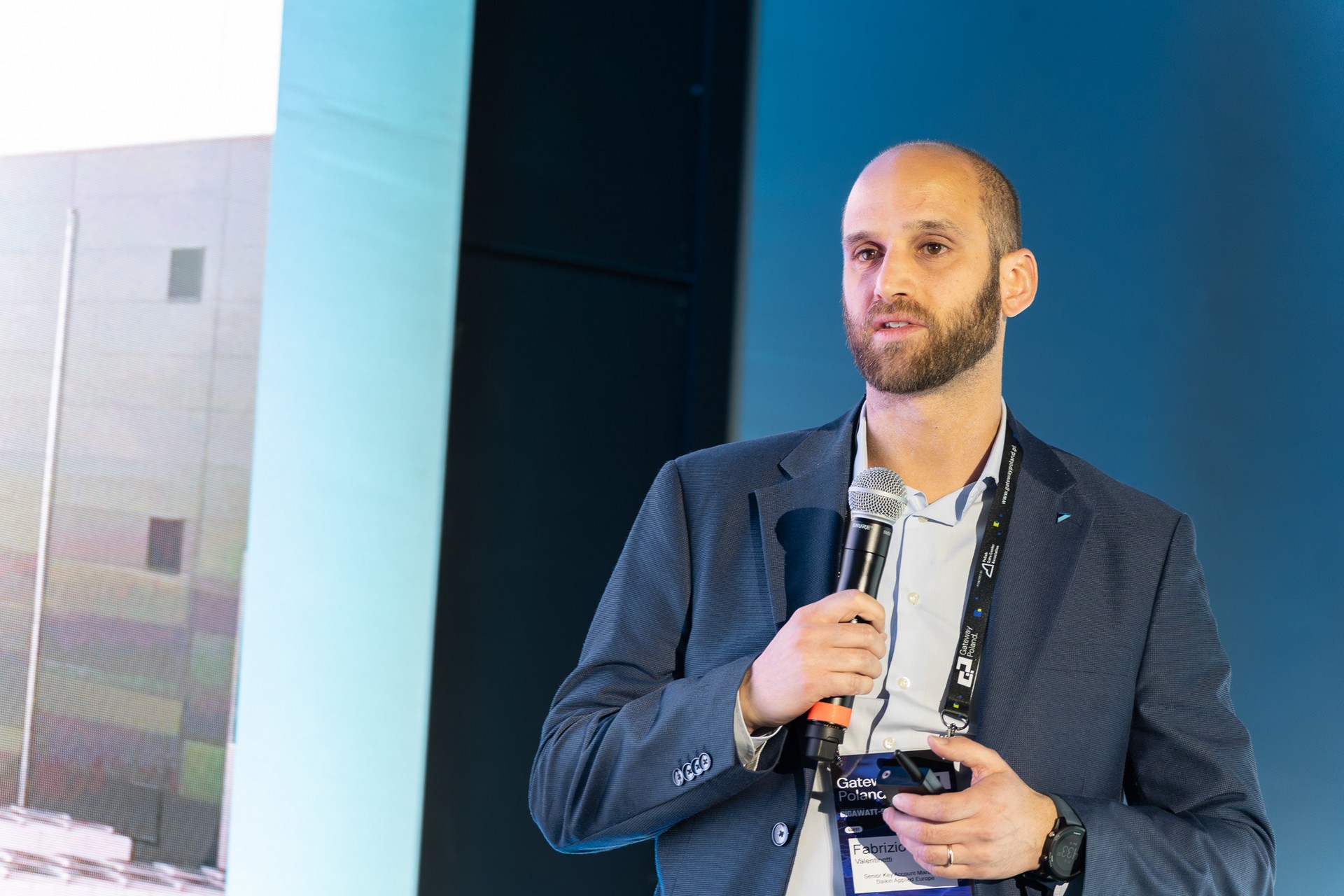
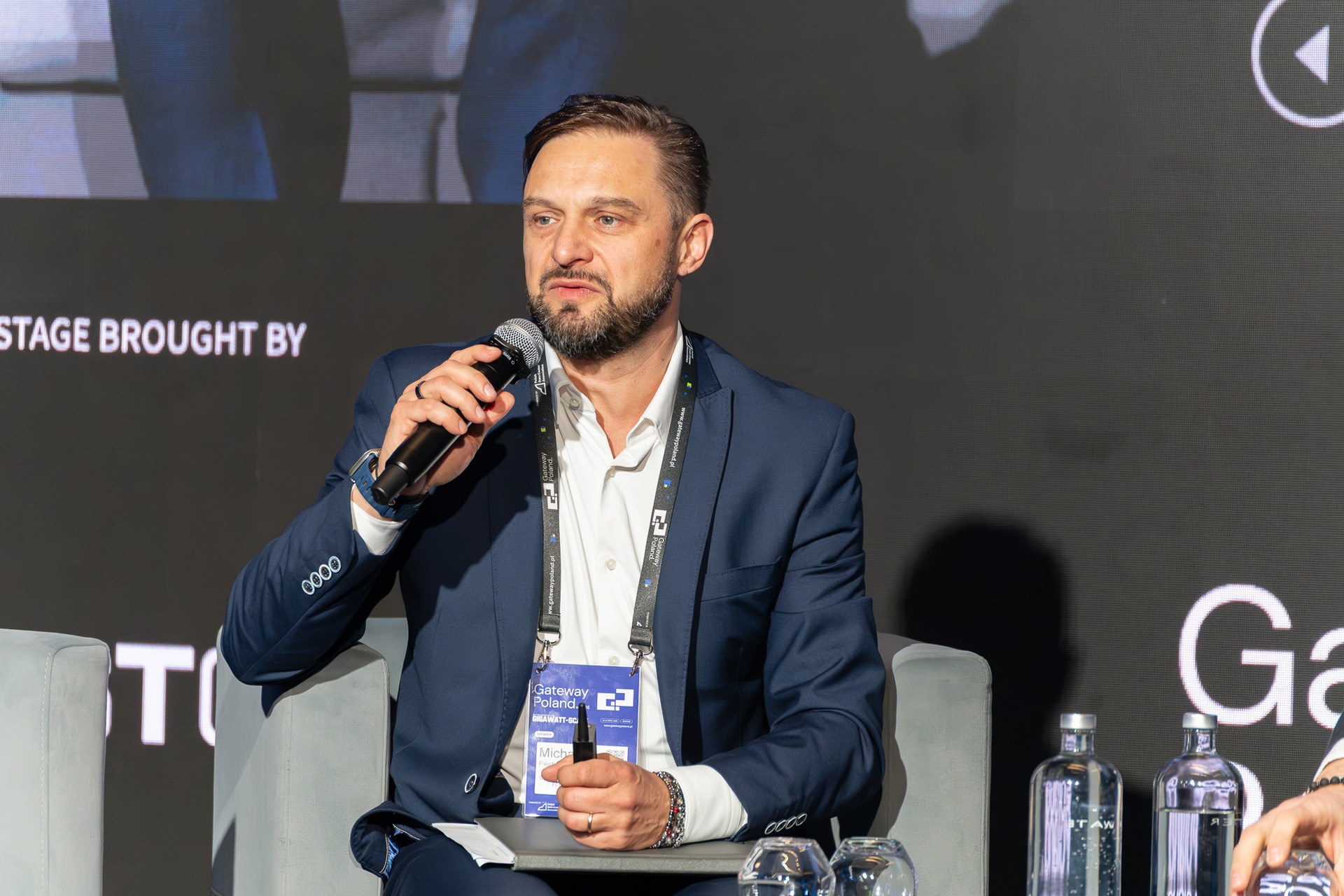
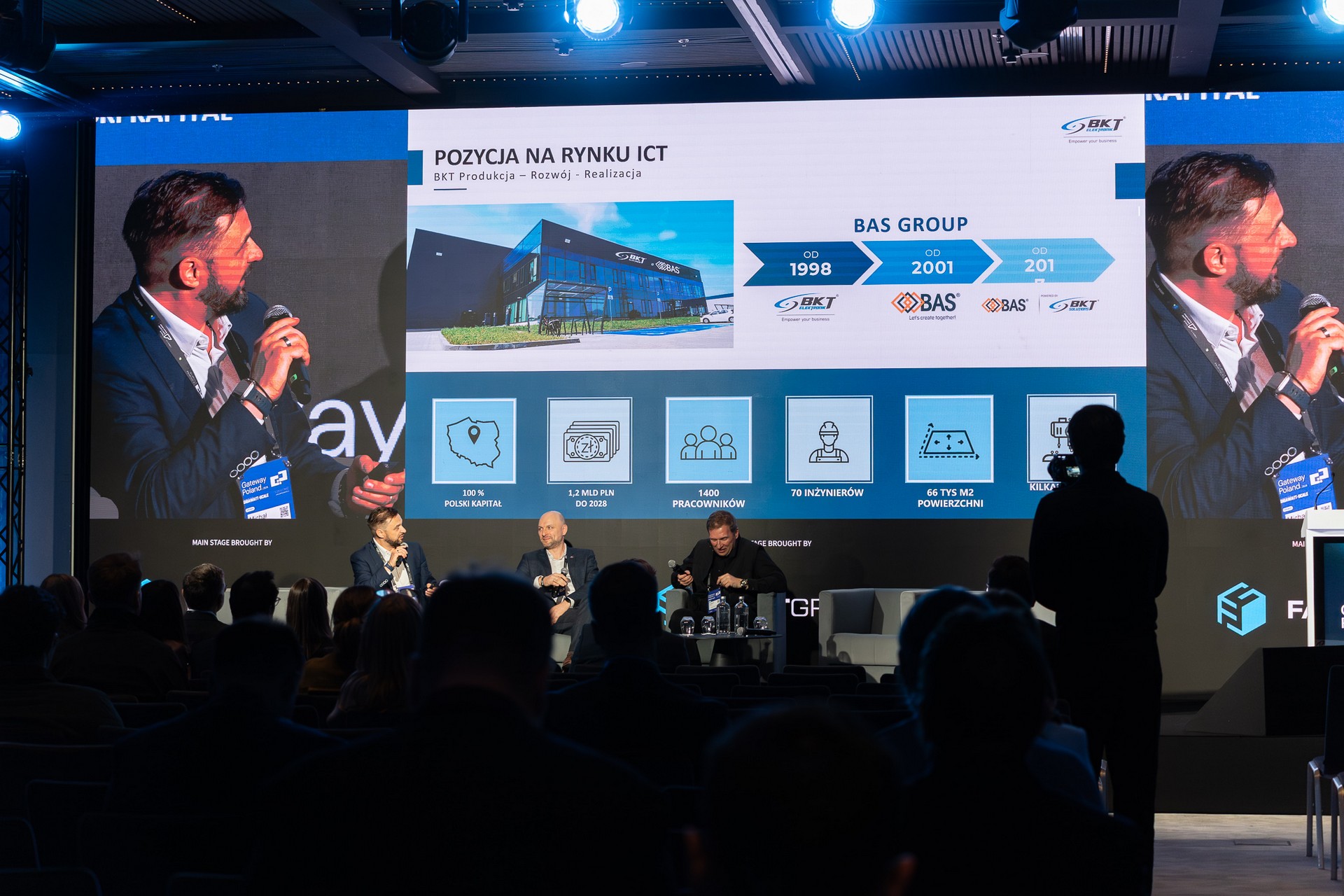
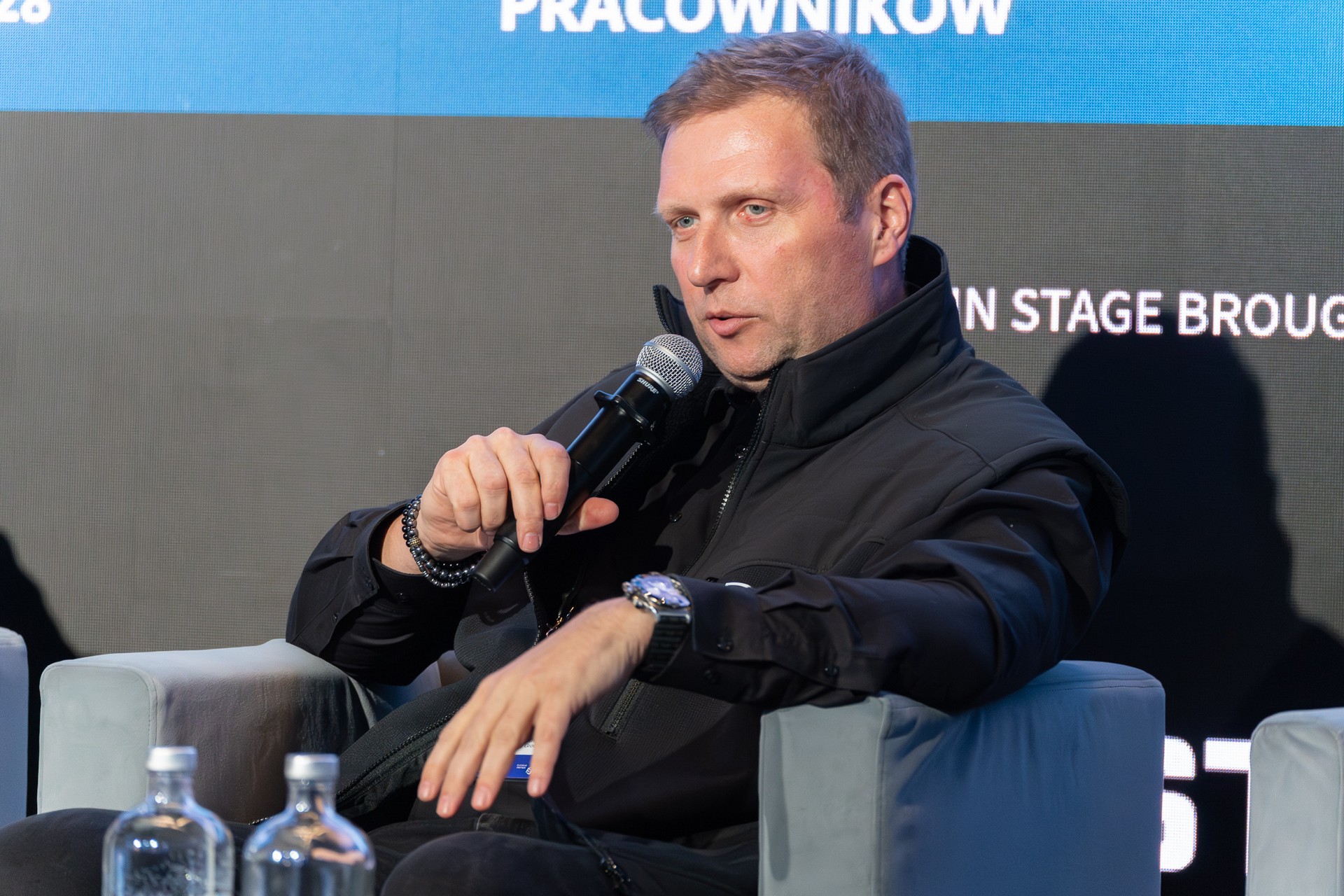
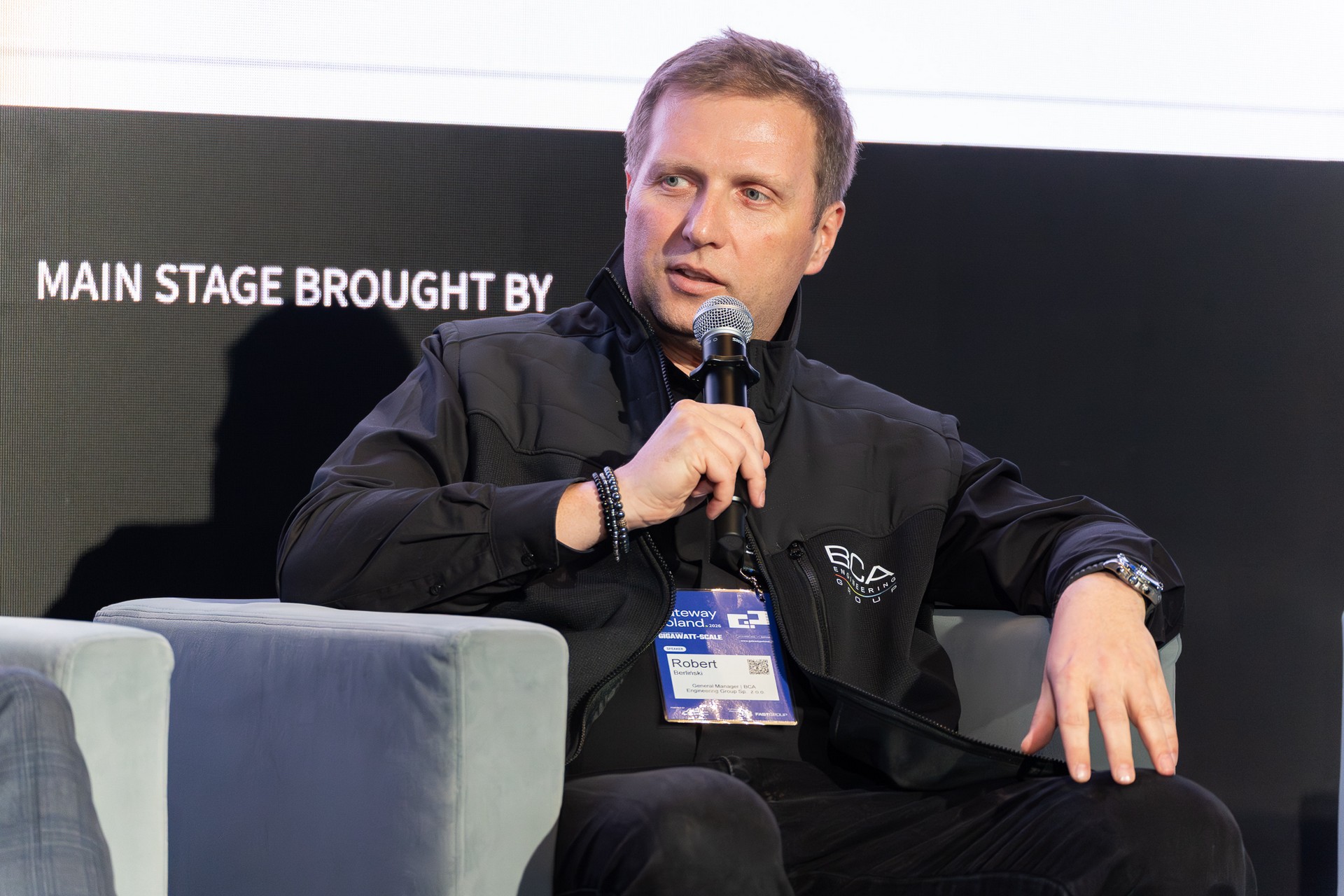
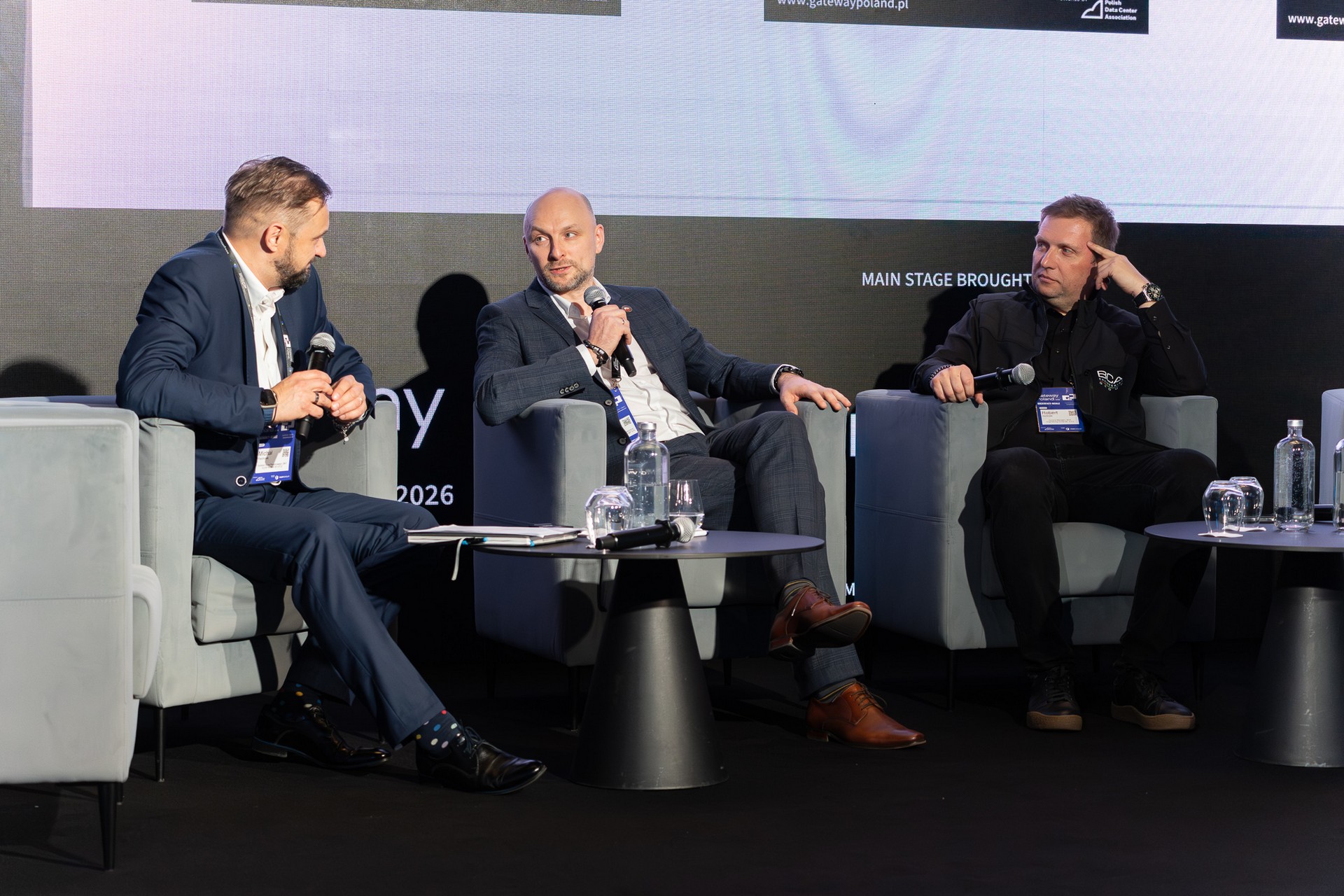
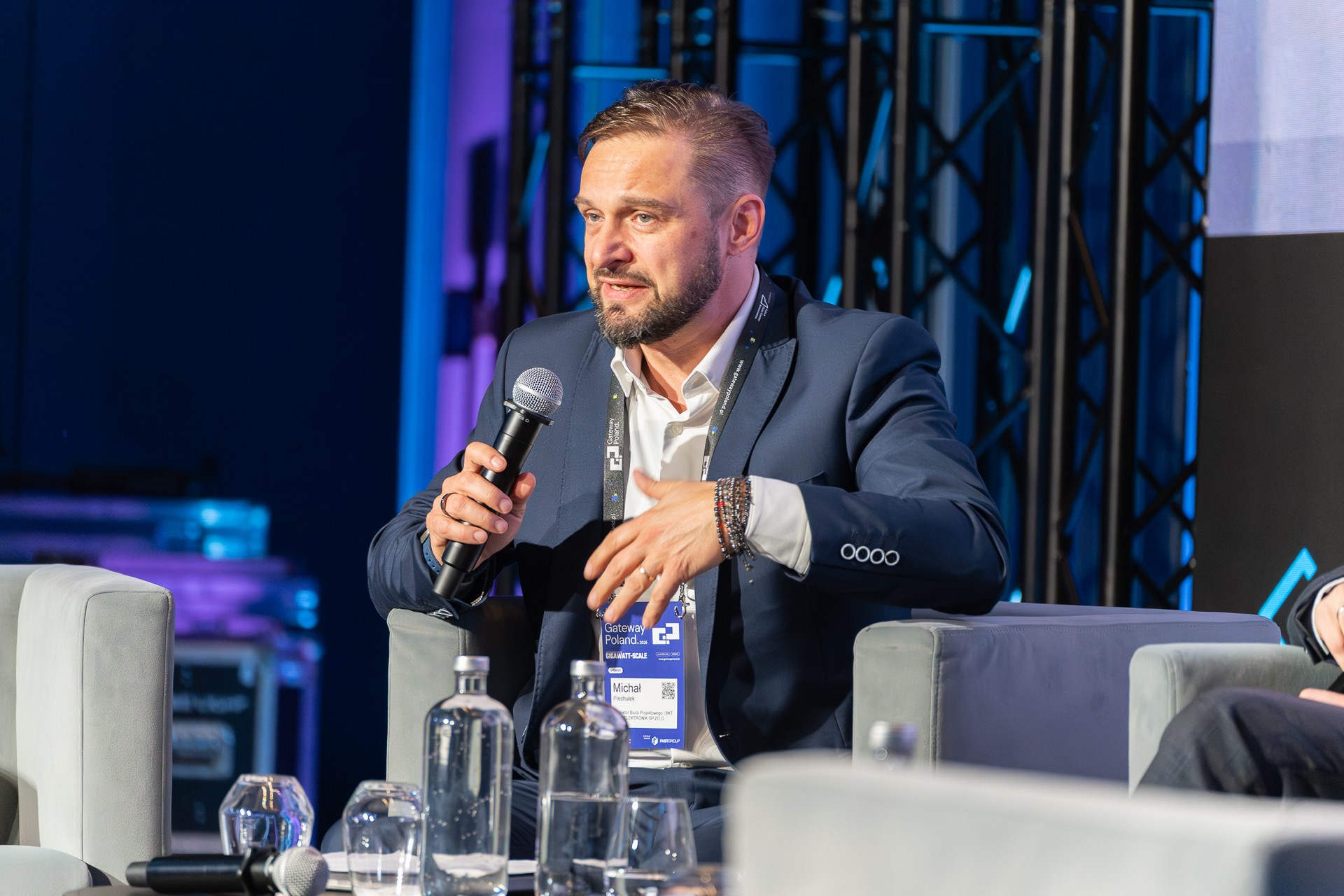
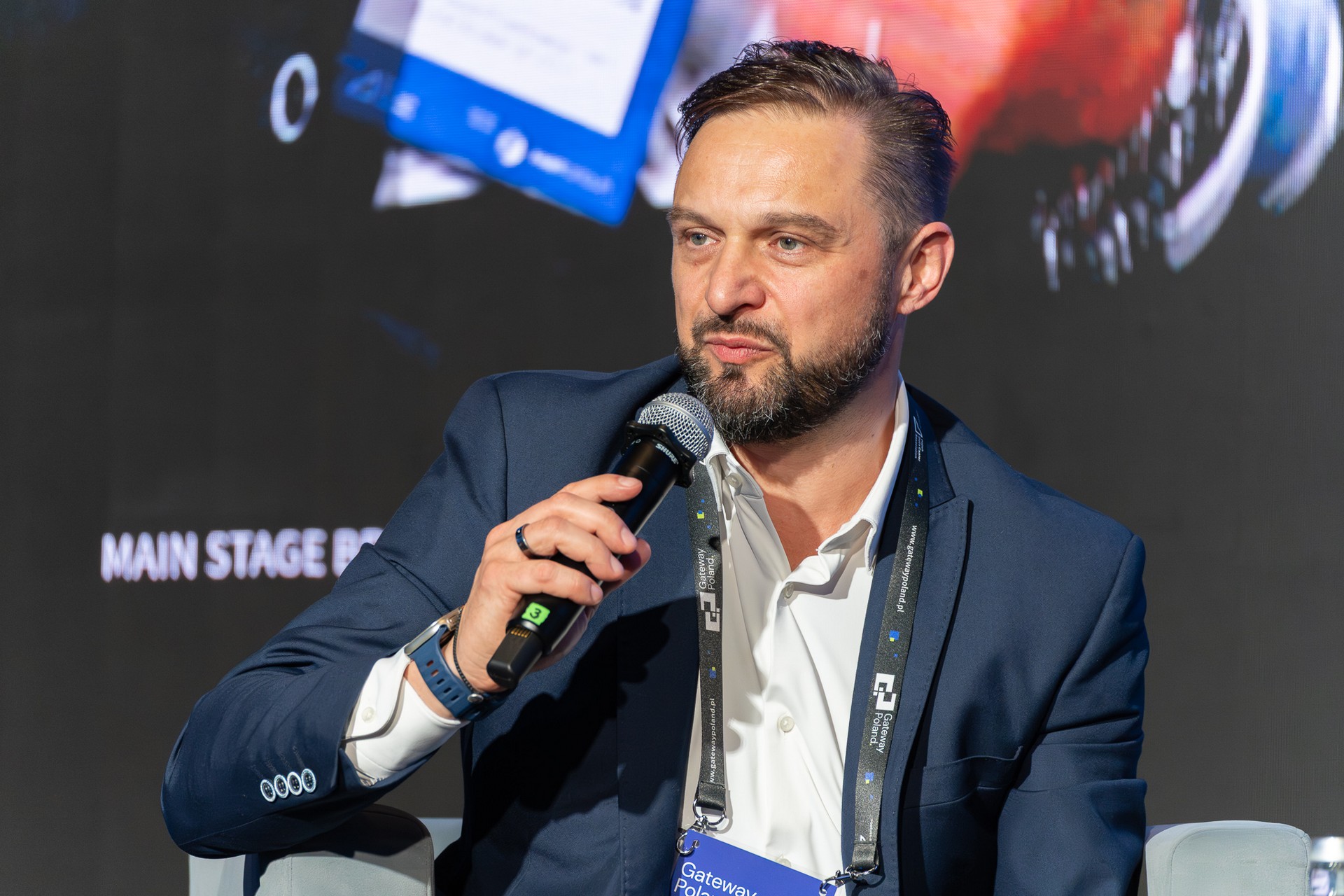
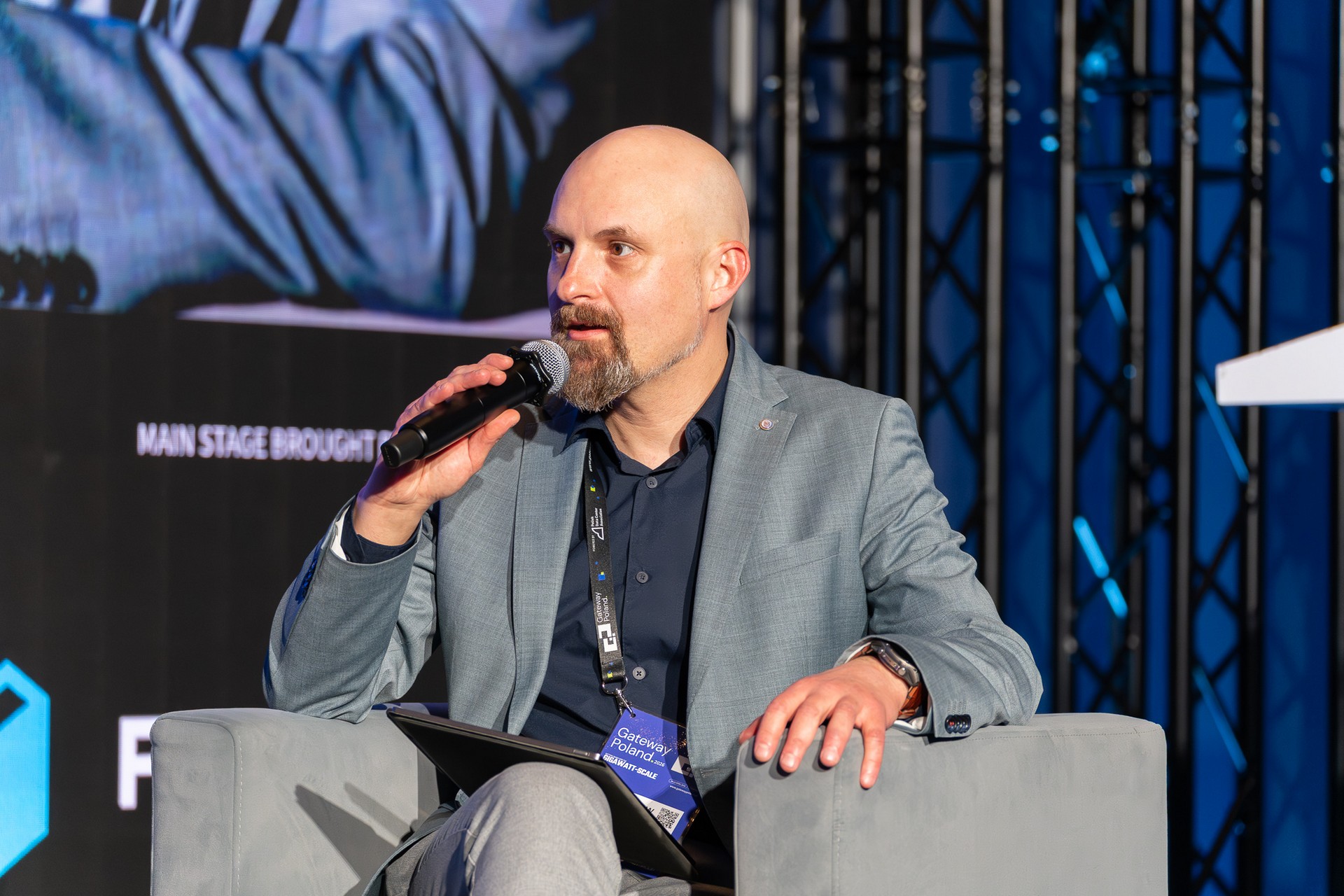
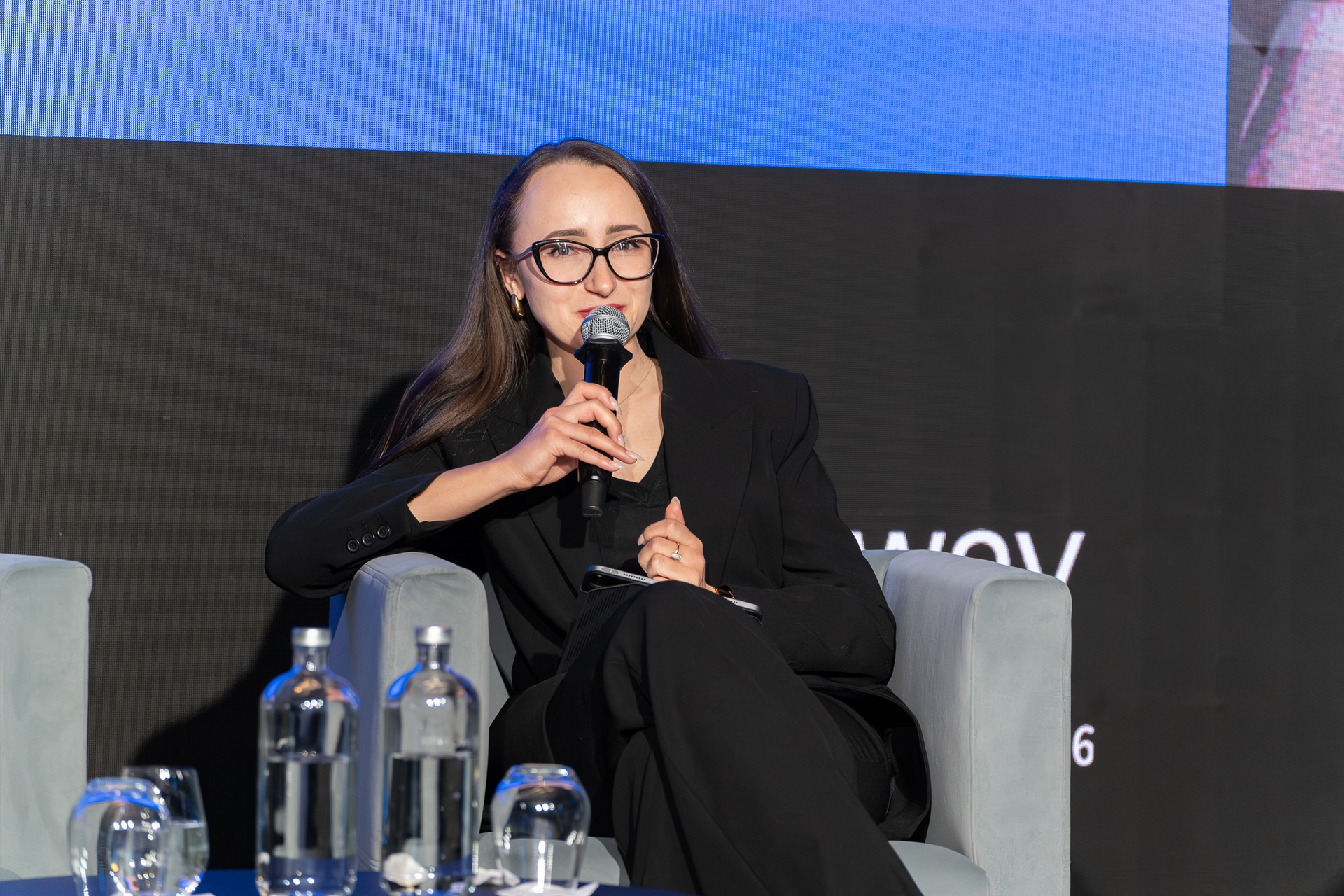
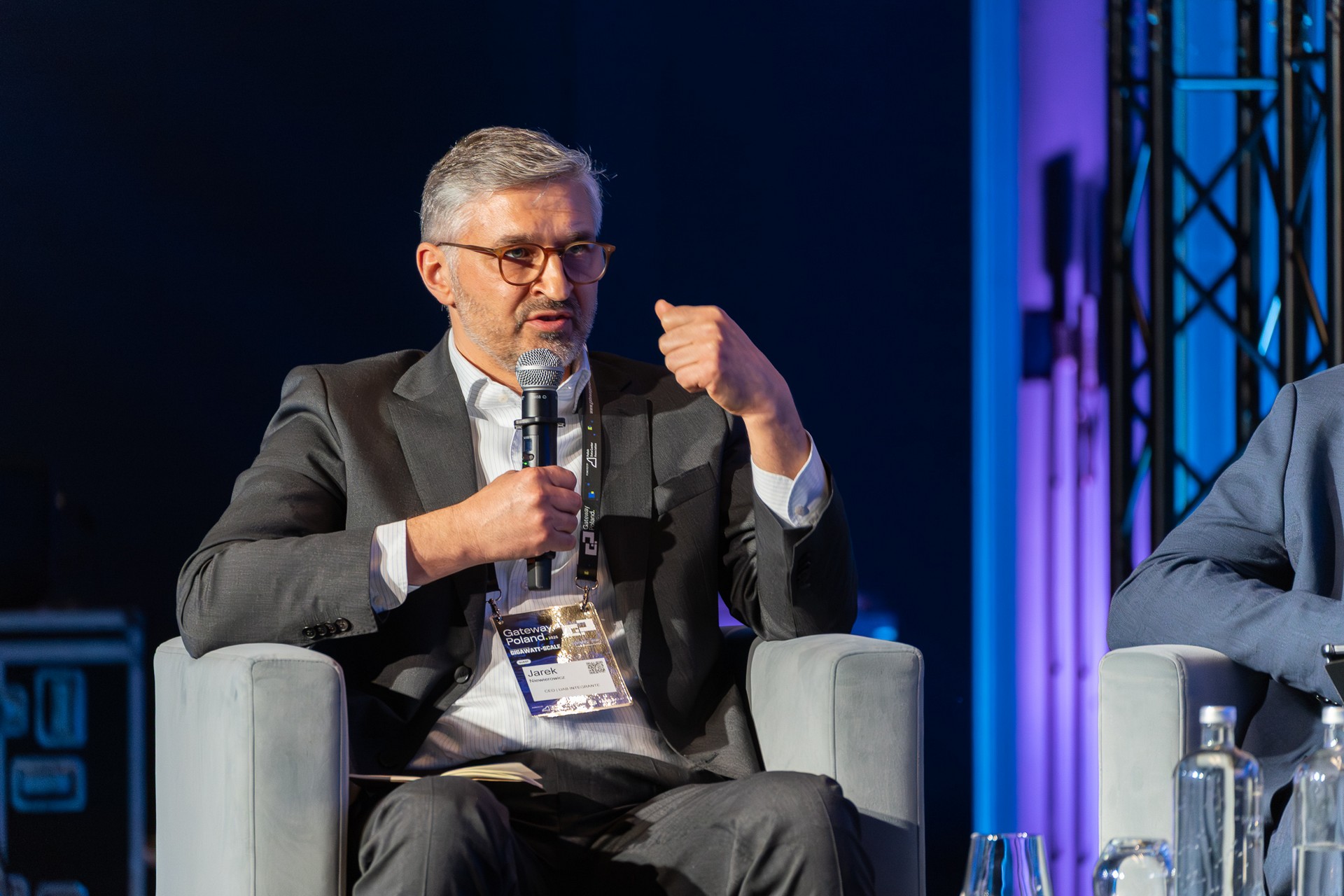
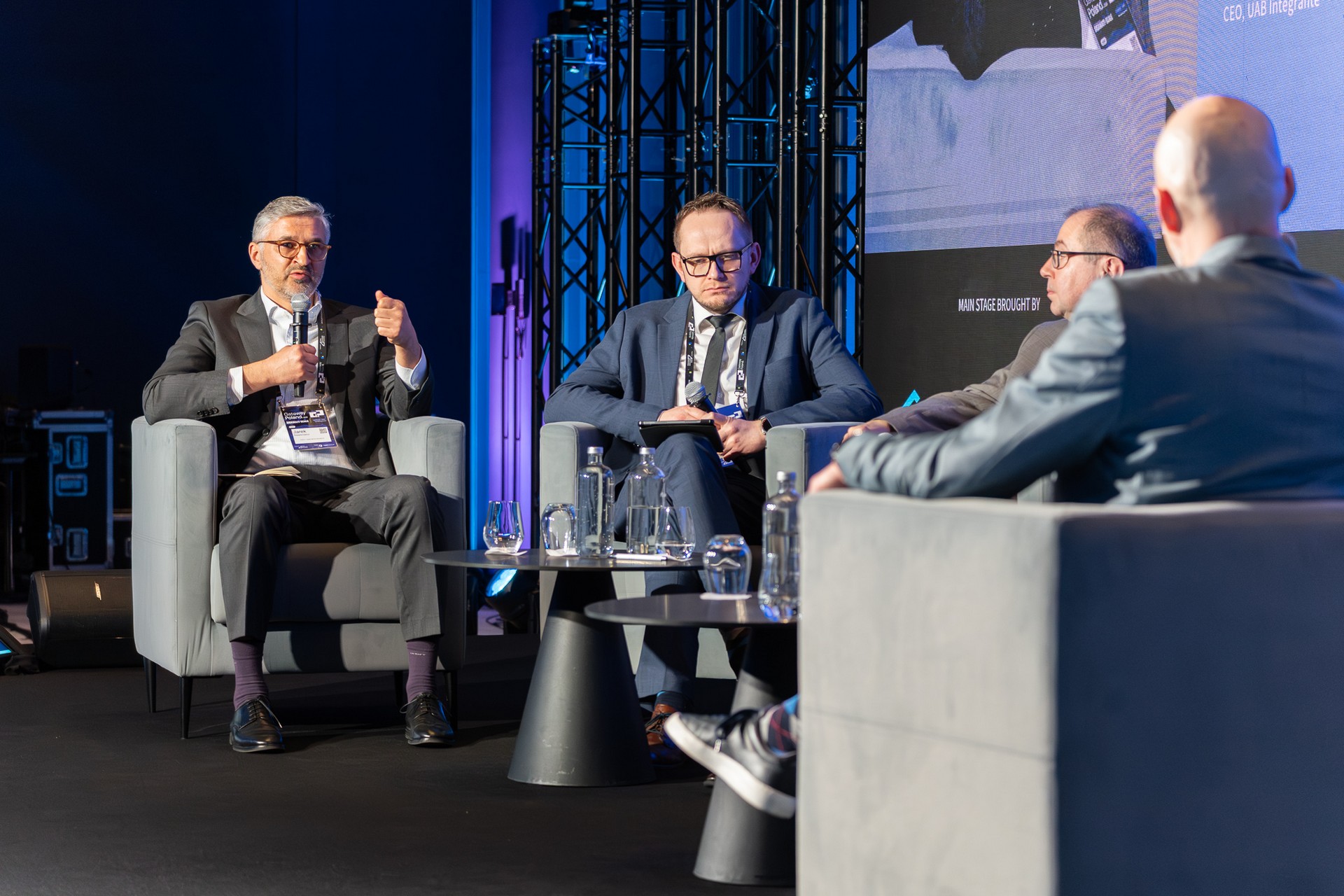
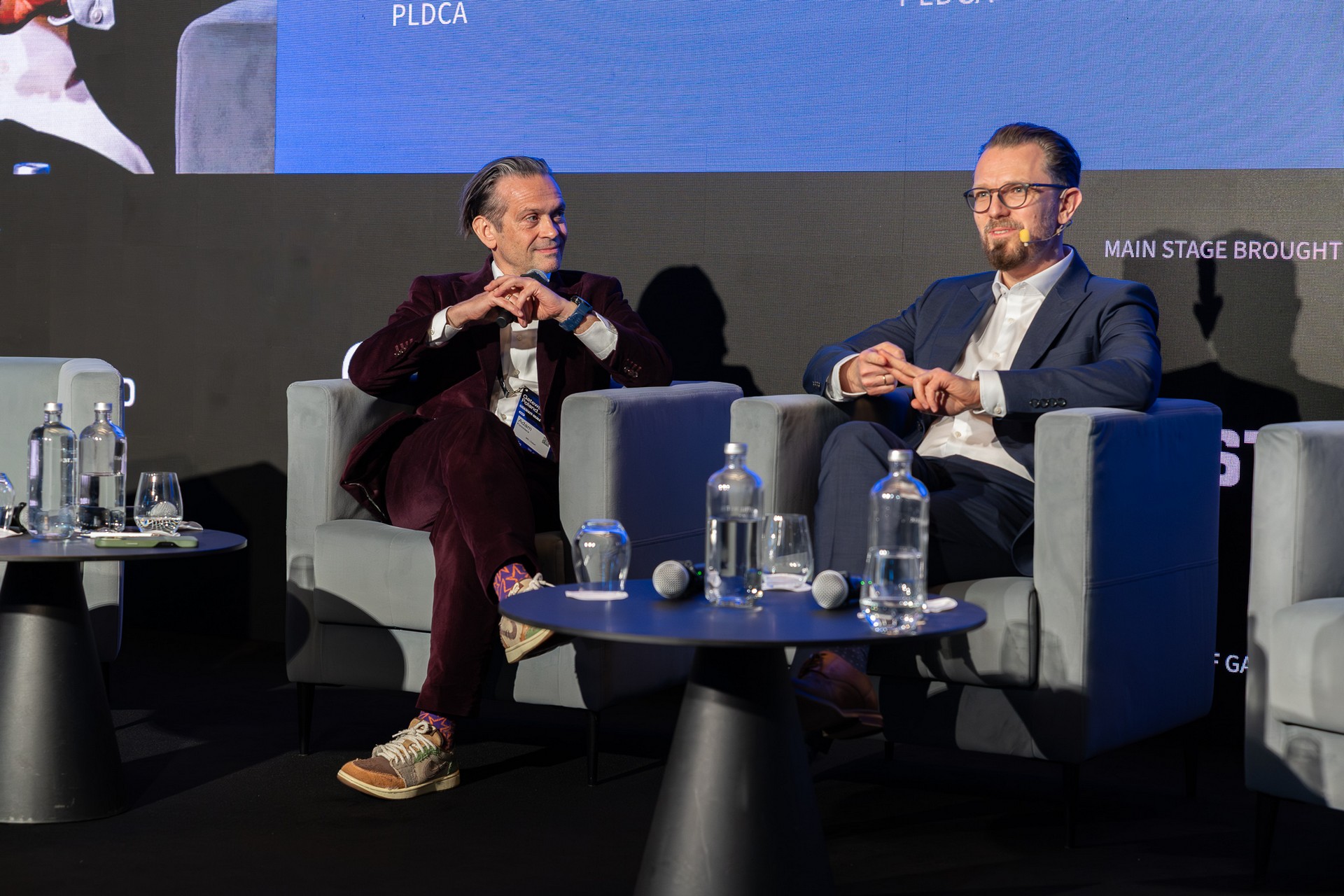
The conference day on 15 April brought together an extensive programme of panels and presentations. The stage hosted government representatives, leaders of European data center associations from Finland, Germany, the Netherlands, Czechia and Slovakia, as well as senior executives and experts representing both Polish and international organisations operating across the data center ecosystem. The breadth and quality of the dialogue made it clear that the sector is entering a new phase of scale and complexity.
Key conclusions from this year’s edition:
📈 Poland is entering a phase of accelerated growth.
Available IT capacity has increased from approximately 70 MW in 2020 to over 200 MW today. Market projections indicate a potential increase to 500–600 MW by 2030. At the same time, data published by the Polish transmission system operator (PSE) points to a significantly larger long-term trajectory, reaching up to 3 GW by 2035 and even 5 GW by 2040. This positions the sector among the most dynamic areas of infrastructure development.
💶 Scaling the sector requires coordinated, large-scale investment.
Further growth will depend on access to capital, efficient administrative procedures, improved coordination between public institutions and accelerated energy transition processes. The investment environment will be a decisive factor in determining the pace of development.
🔐 Data centers are becoming strategic infrastructure.
Their role extends beyond digital services. They are increasingly recognised as critical assets for economic resilience, technological sovereignty and national security.
♻️ Poland has structural advantages that can be leveraged.
Post-industrial sites, access to grid infrastructure, a well-developed district heating network and the opportunity to build integrated, more sustainable energy and data ecosystems create a strong foundation for future growth.
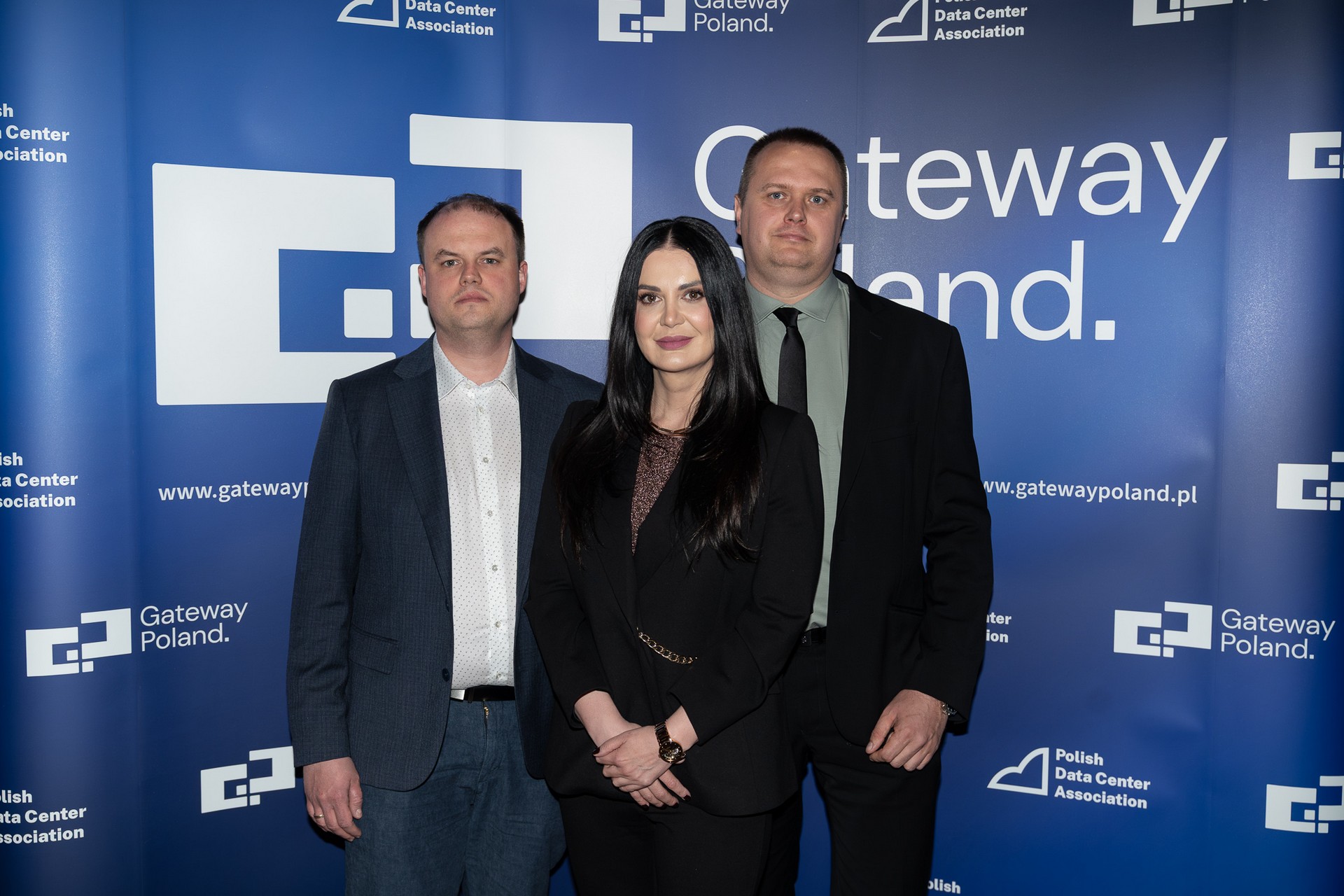
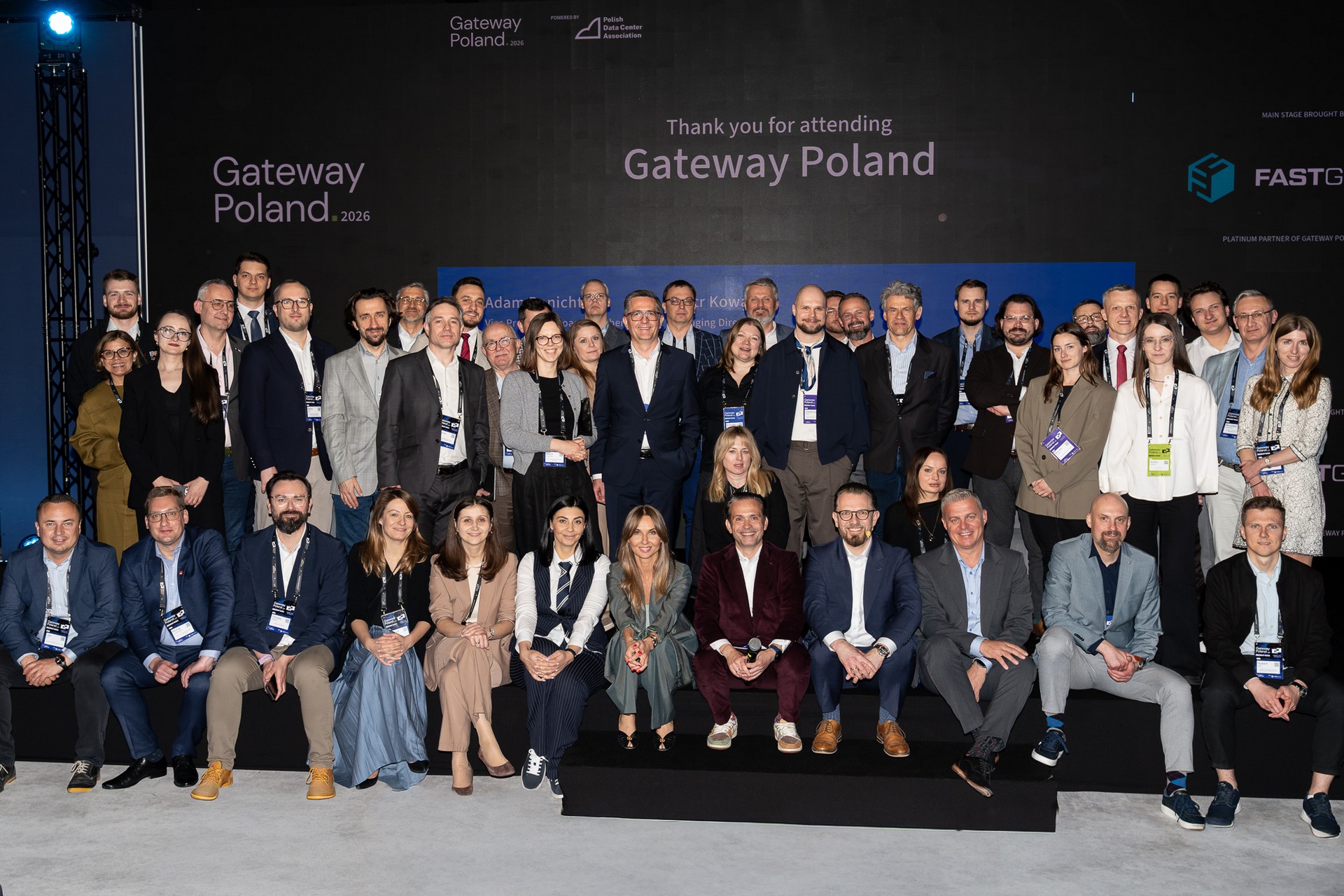
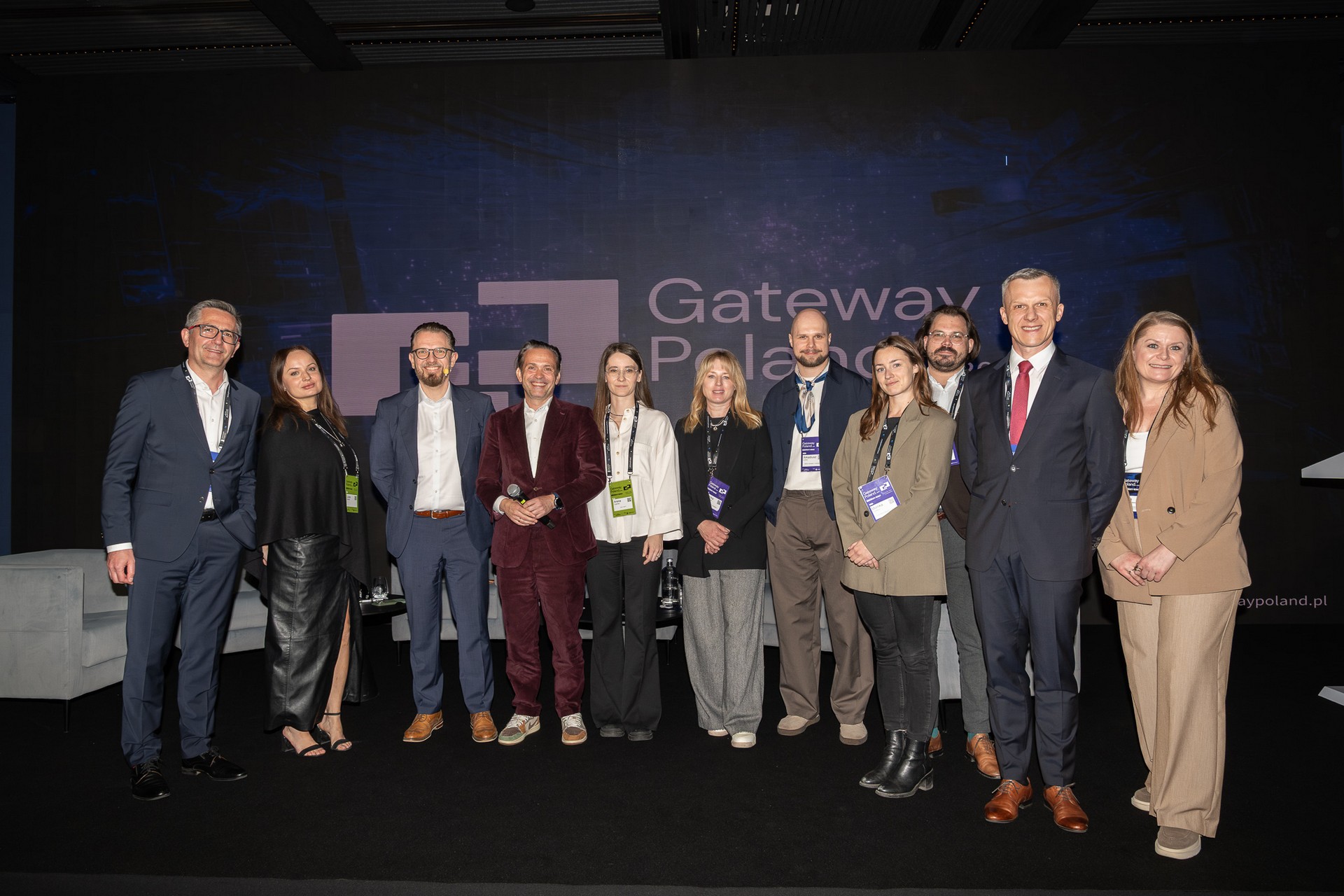
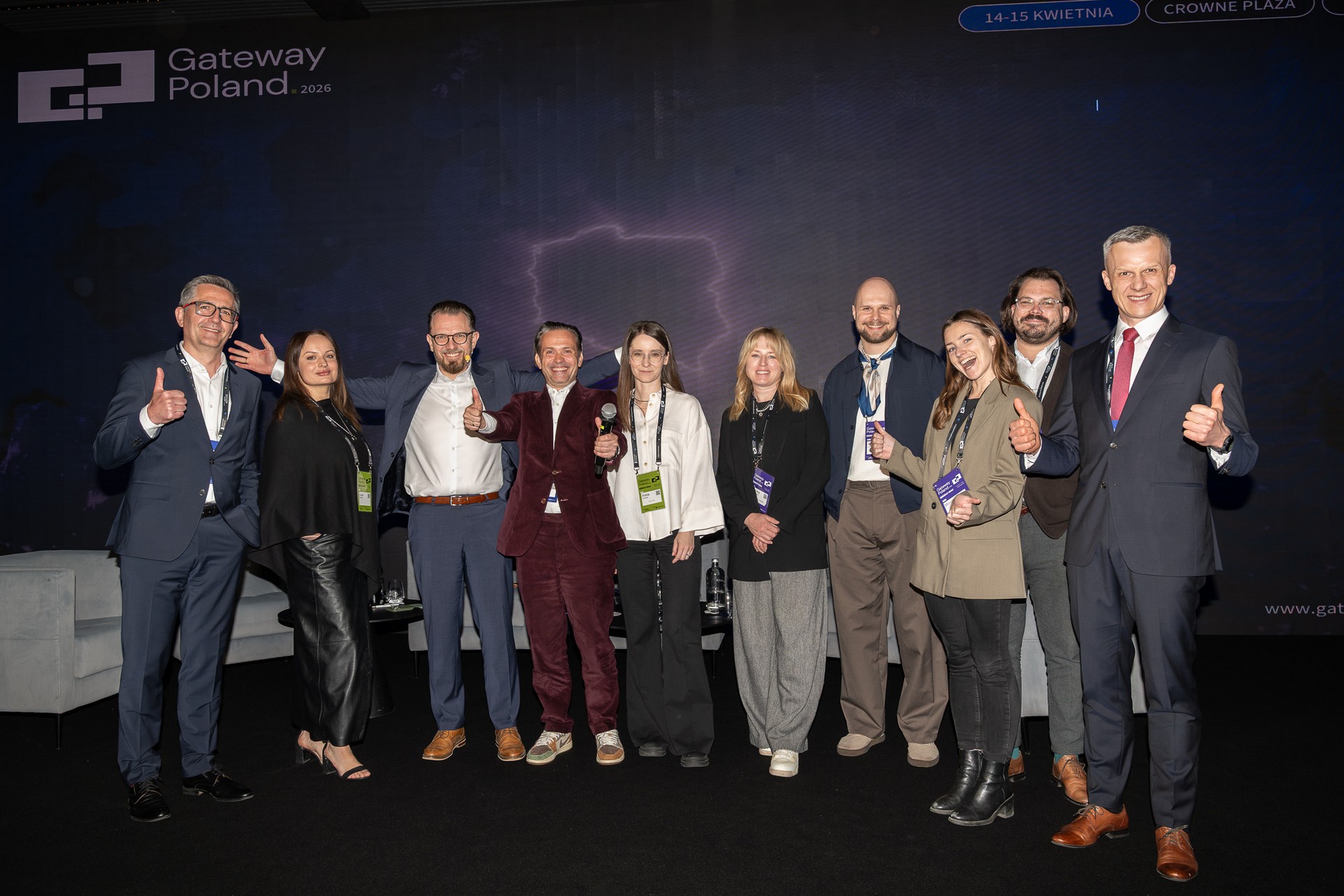
Gateway Poland fulfilled its role as a platform for informed, cross-sector dialogue. The discussions demonstrated a shared understanding that the development of digital infrastructure requires alignment between industry, energy providers and public administration.
We would like to thank all participants, speakers, partners and patrons for their presence, engagement and contribution to the quality of this exchange. The level of discussion confirms that the sector is ready to move from growth to scale.
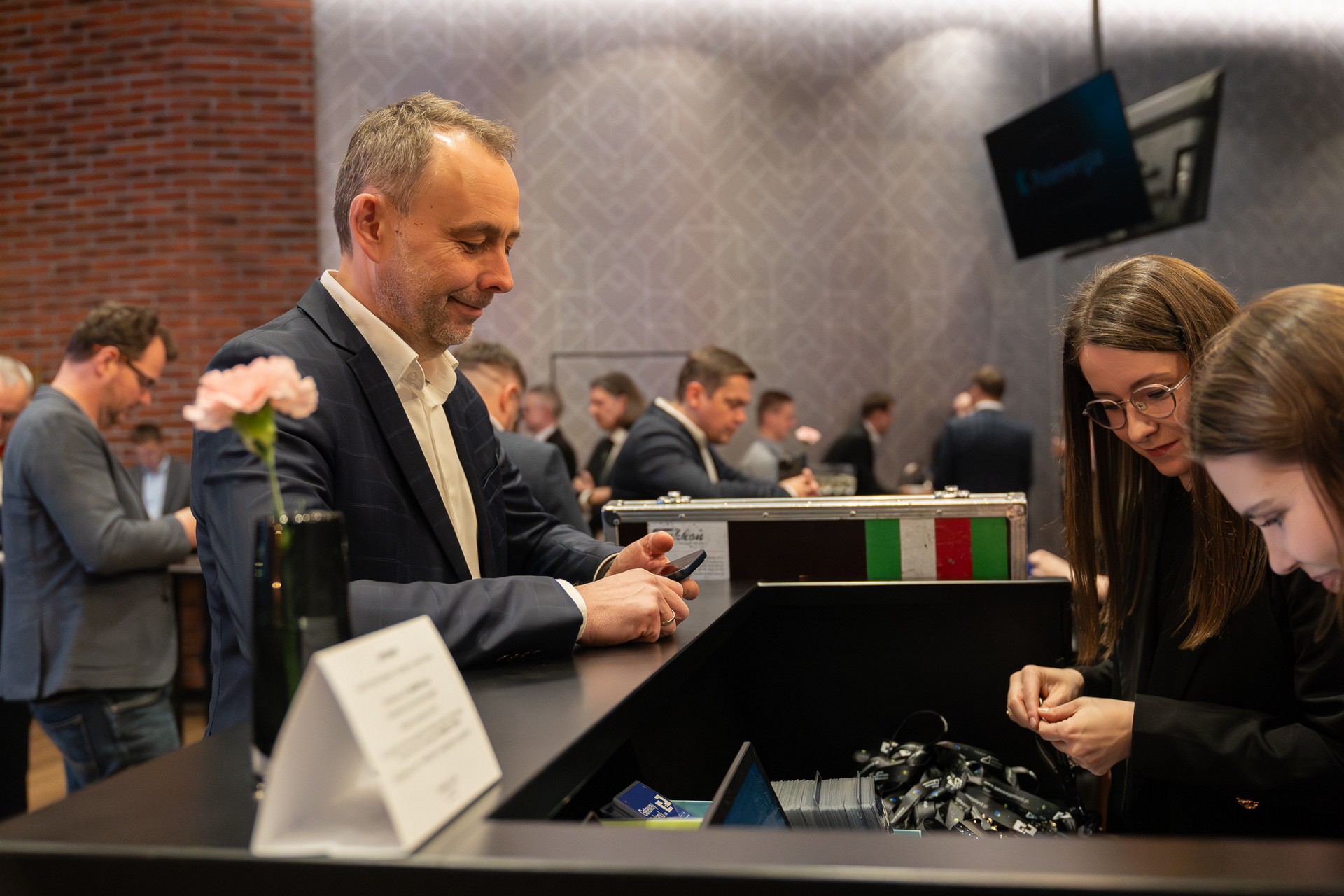





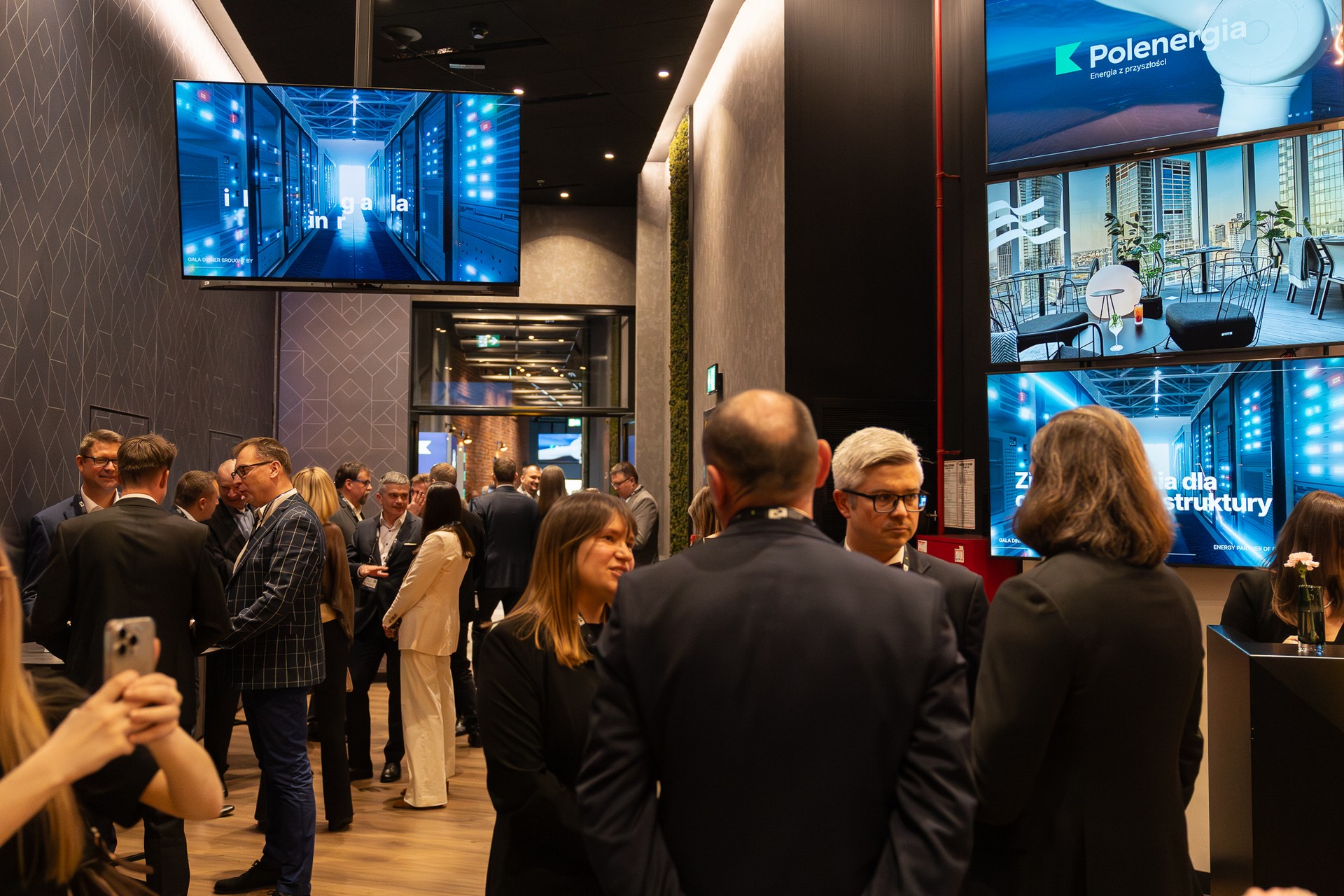























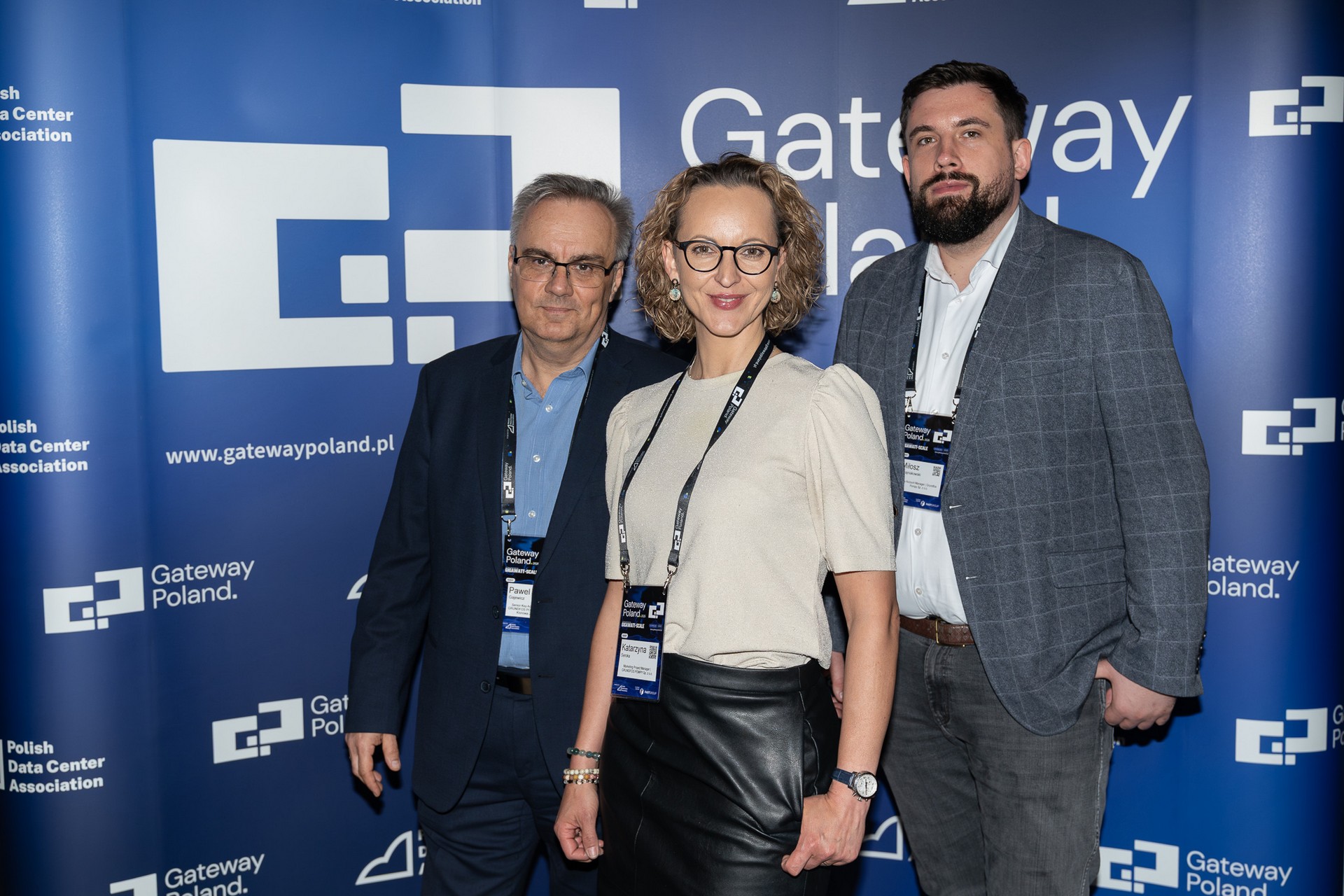






















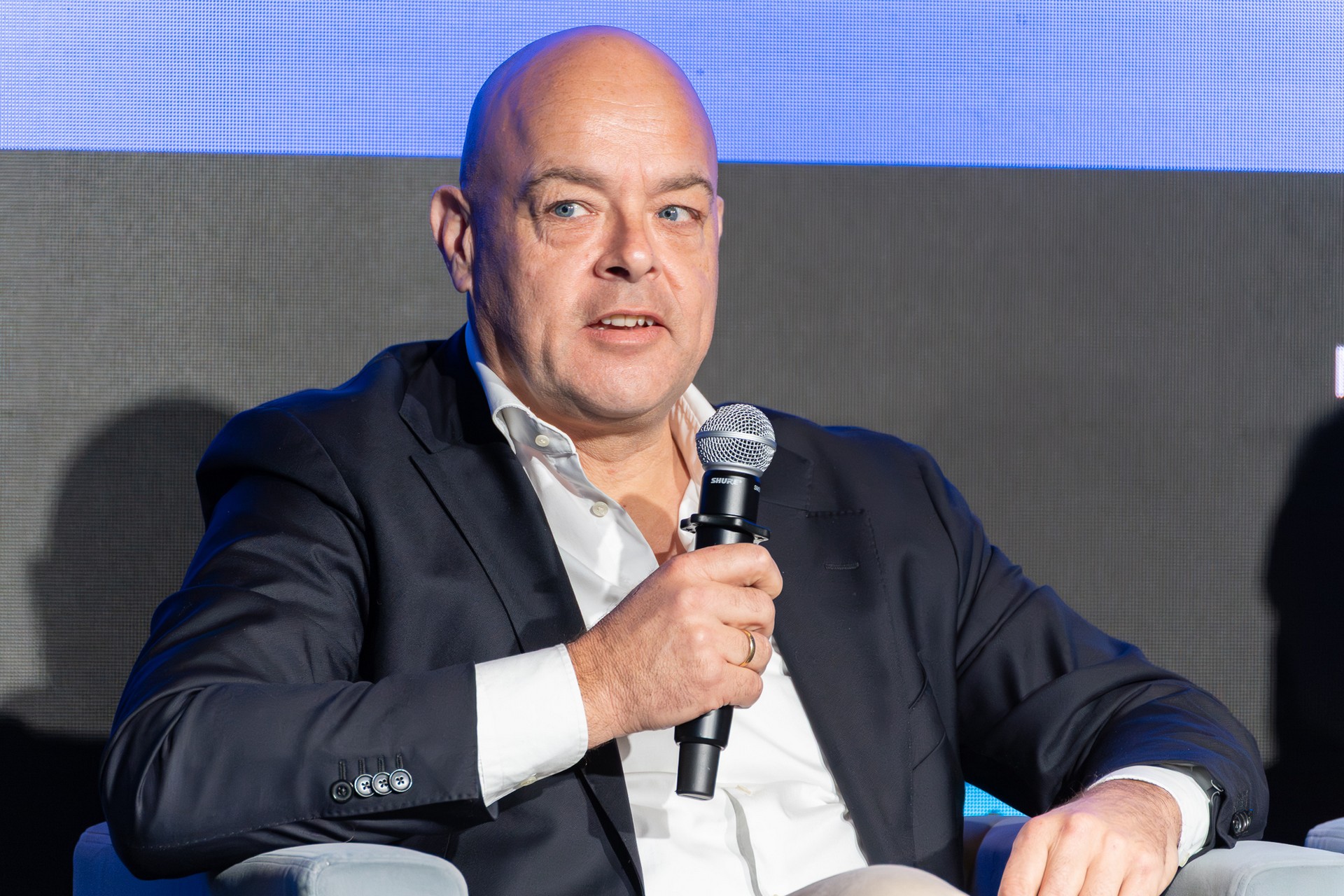
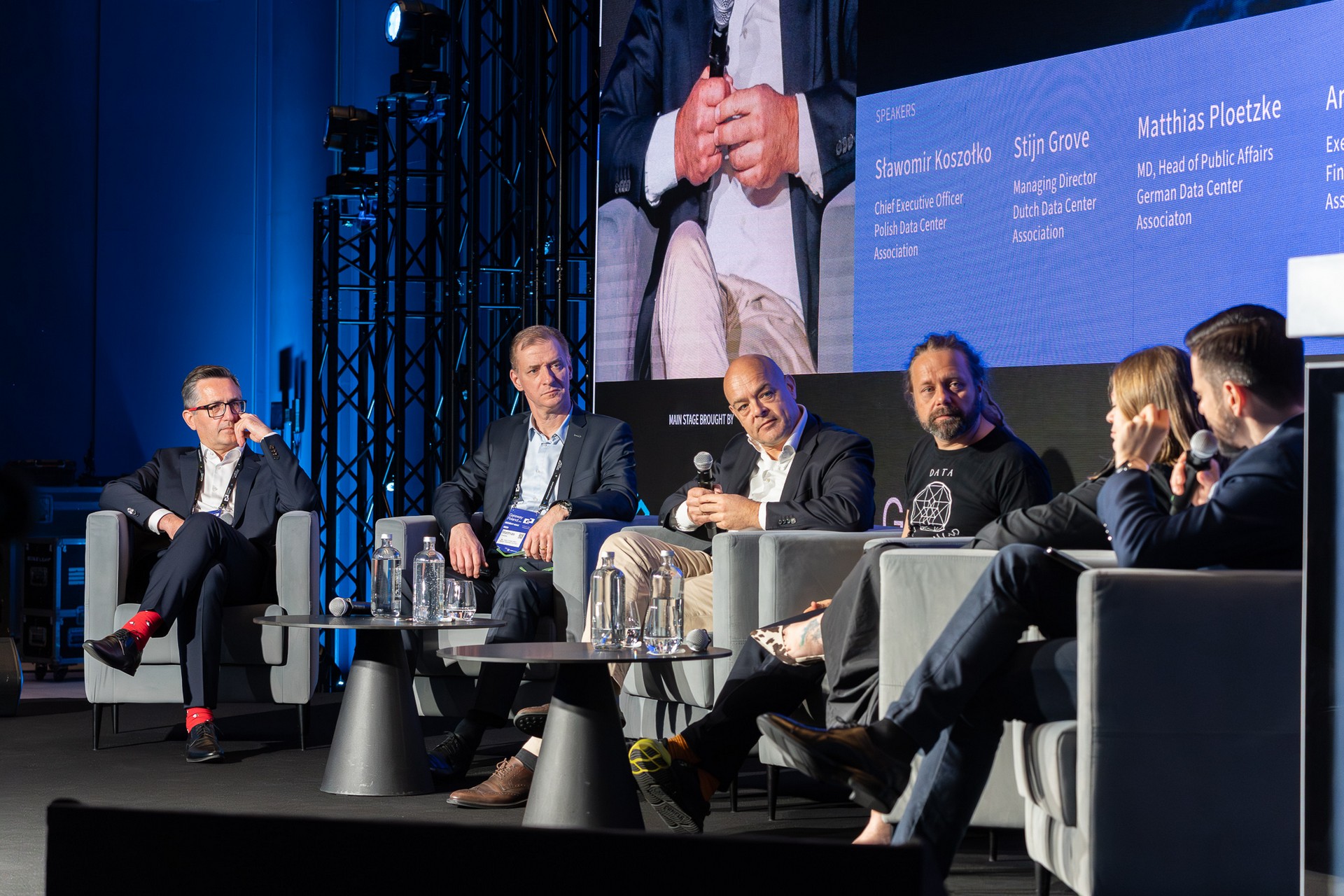

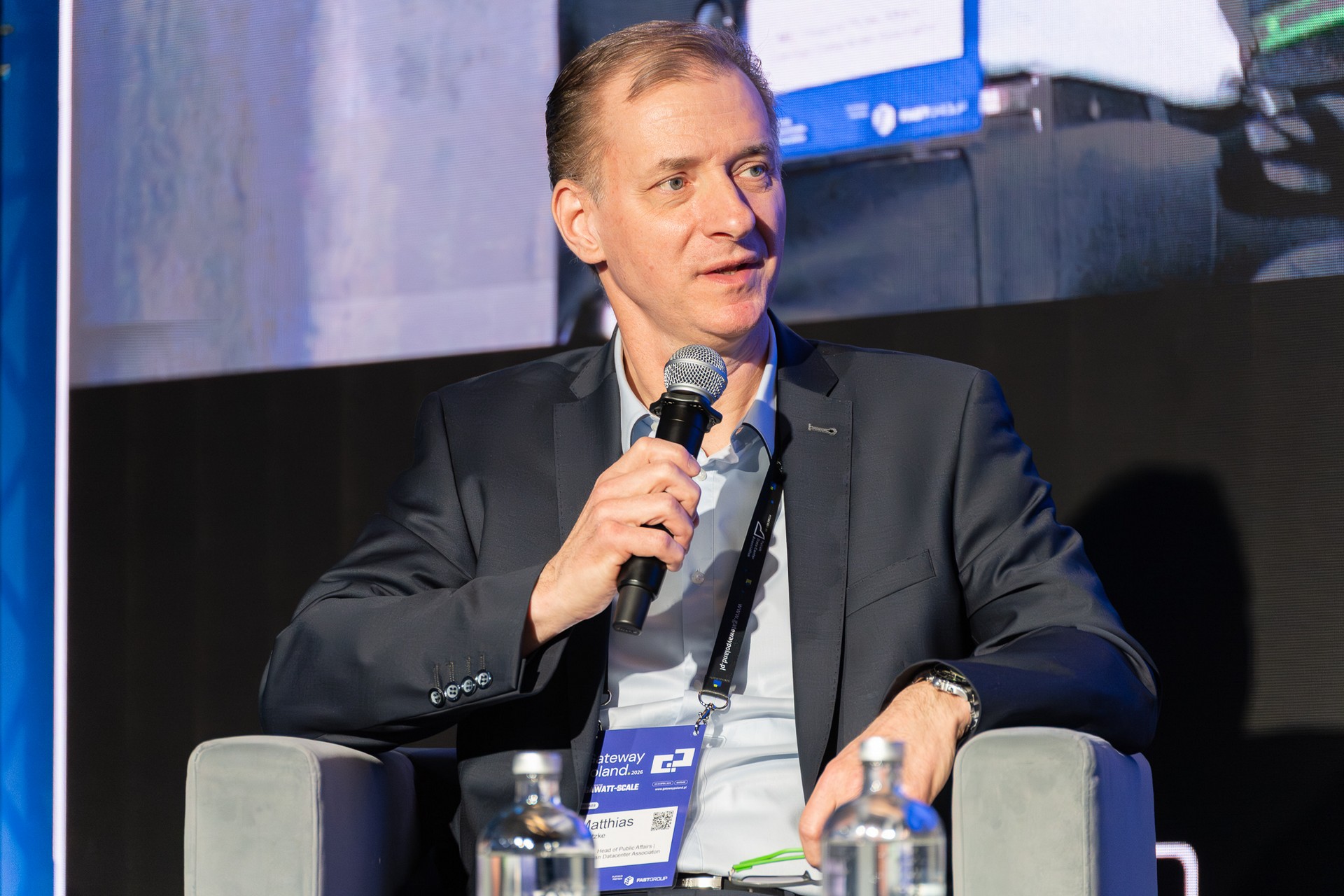
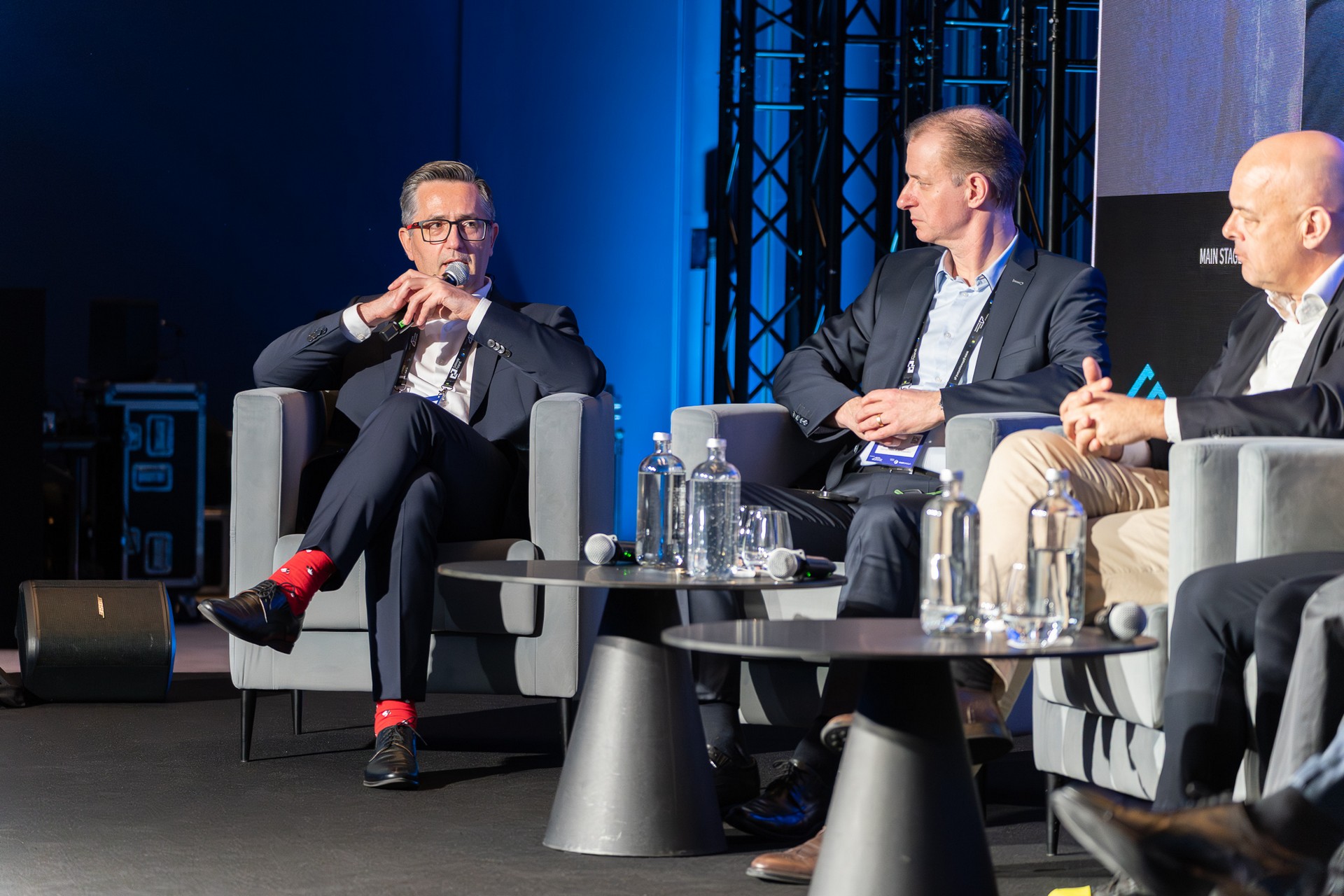













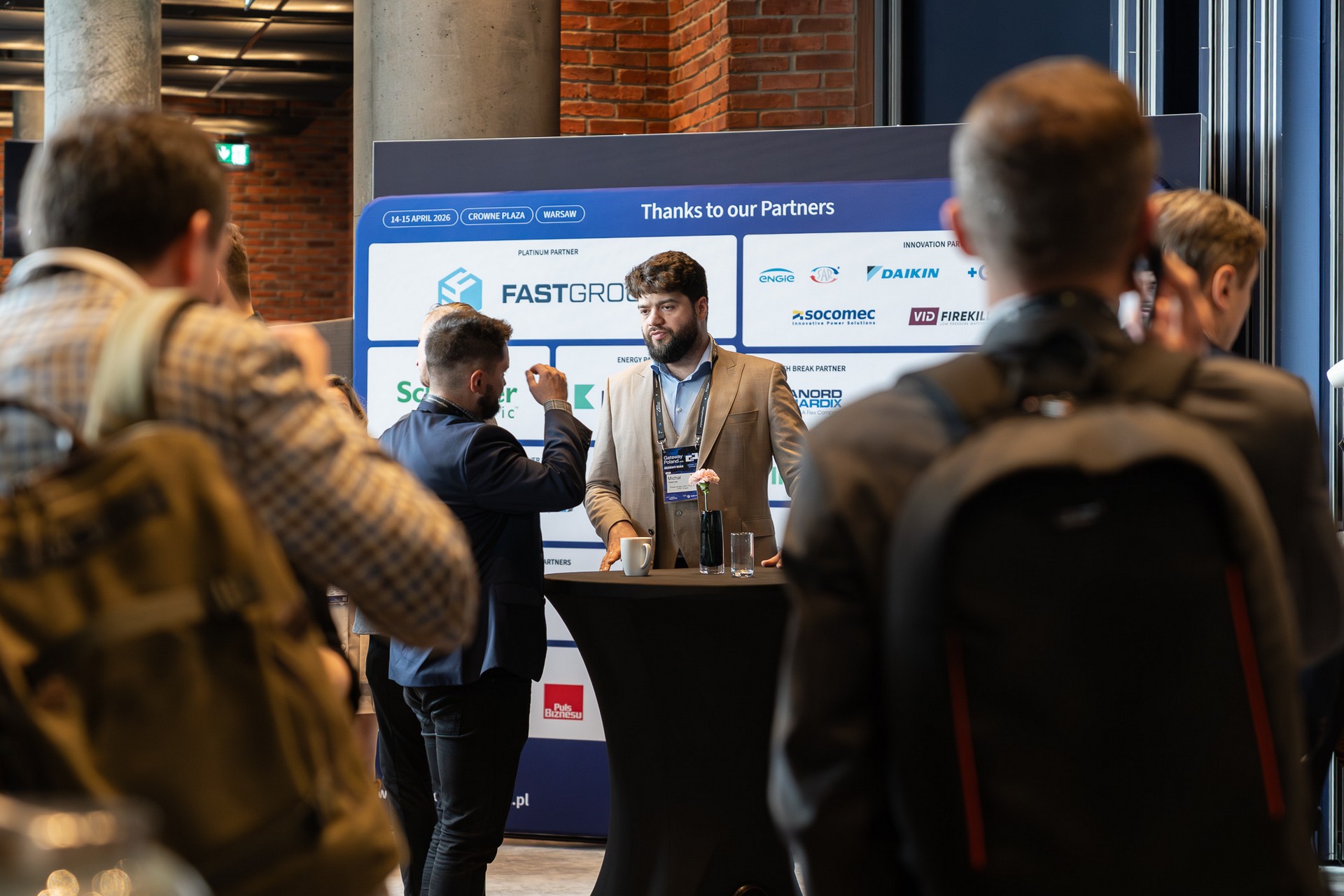

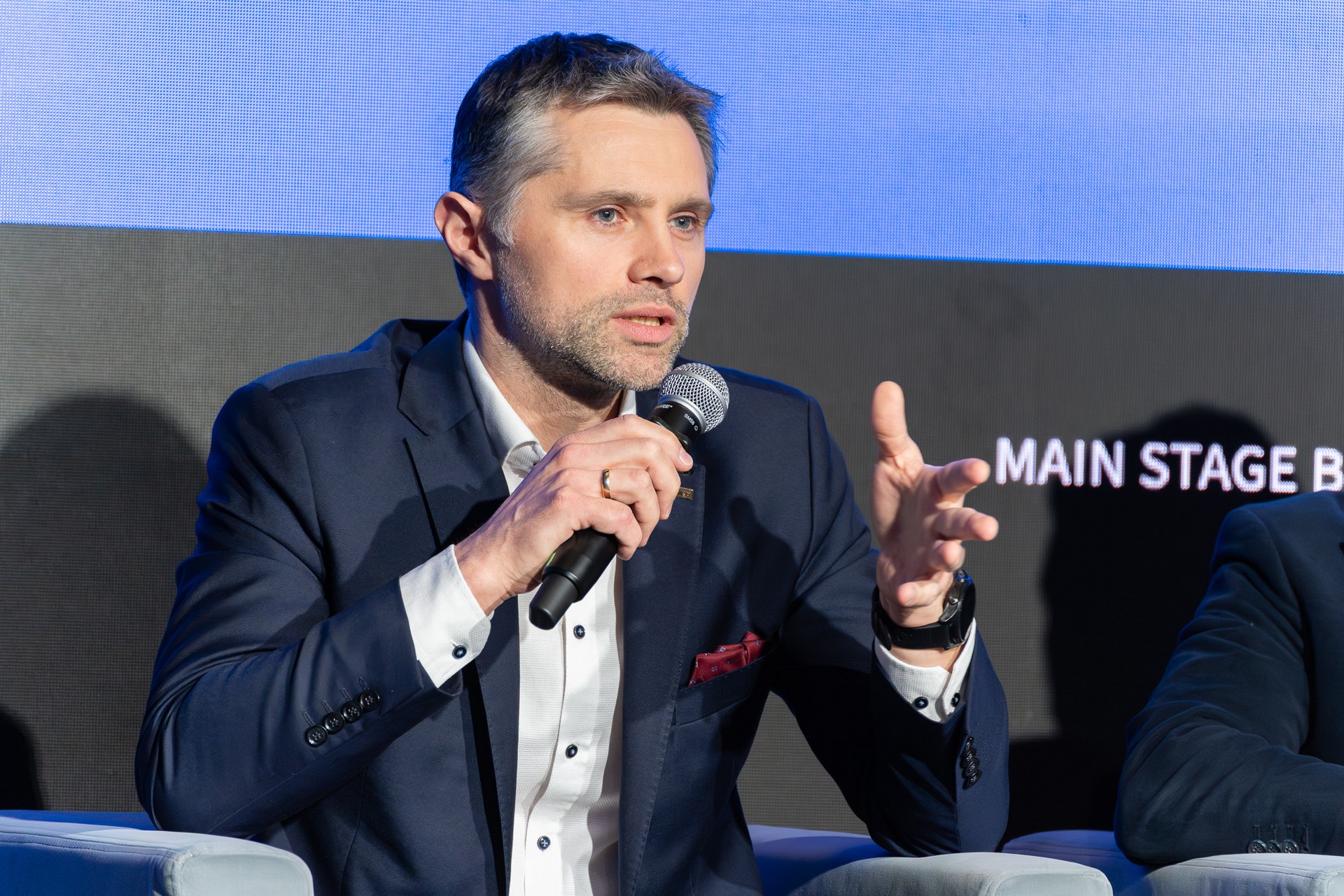
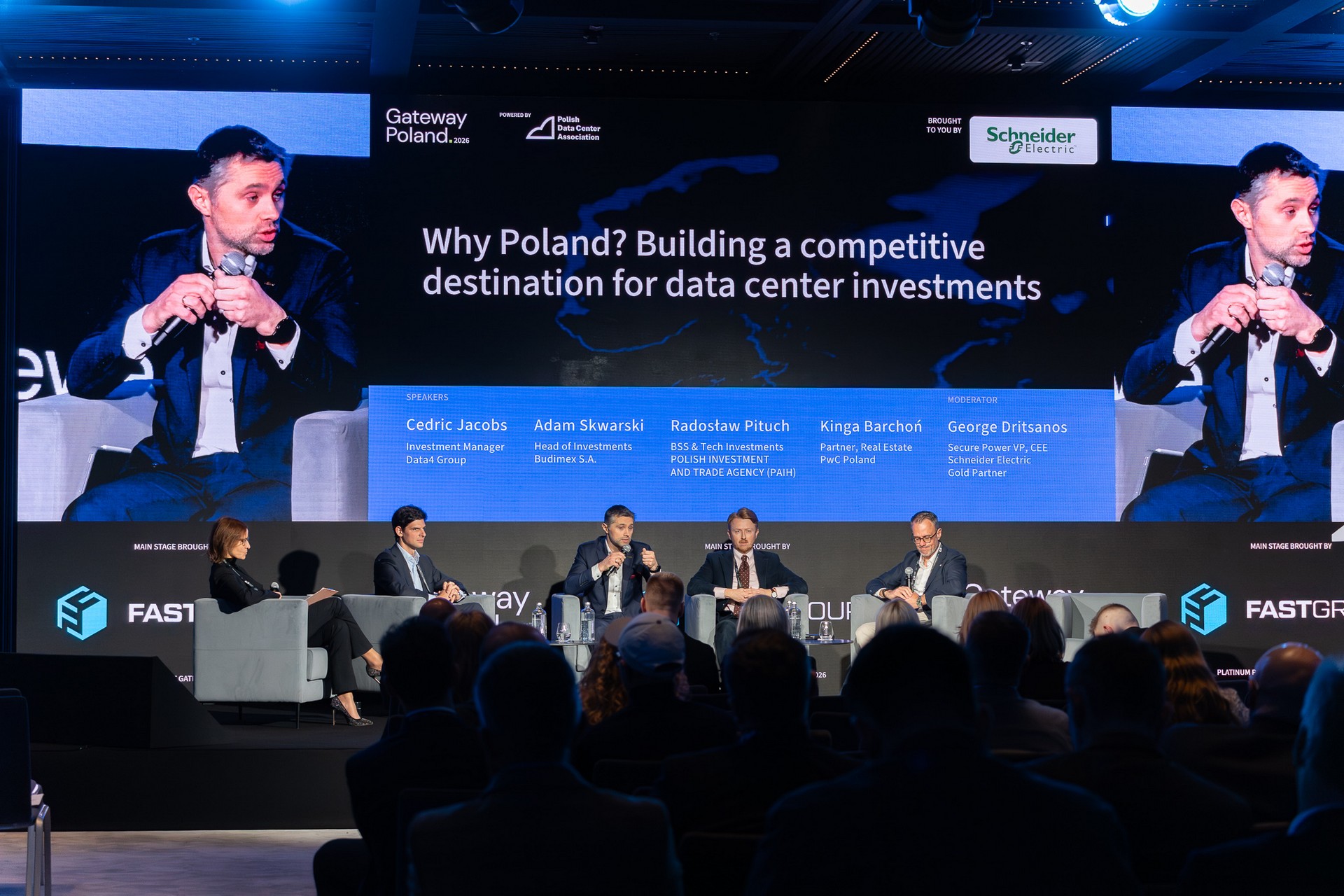
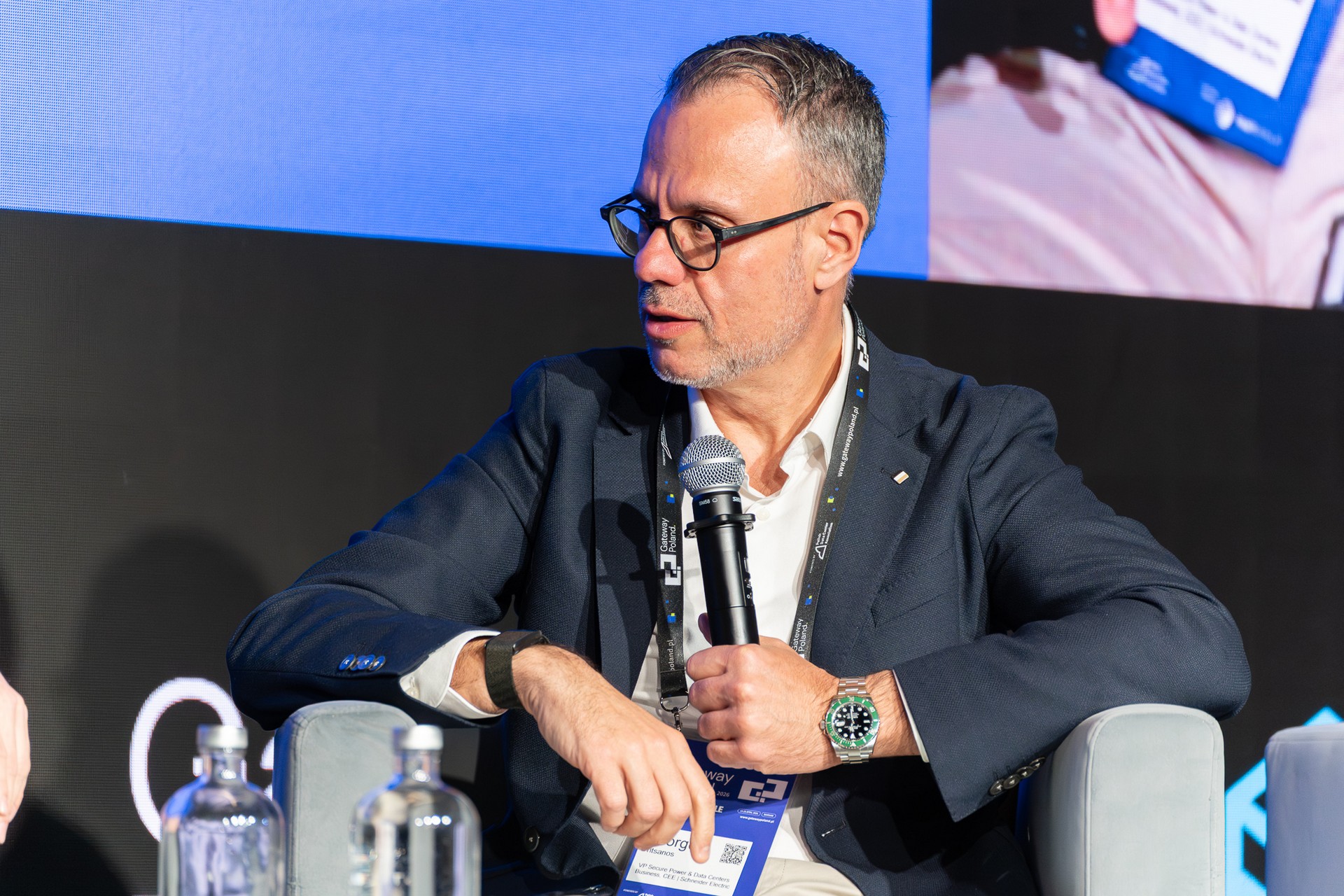

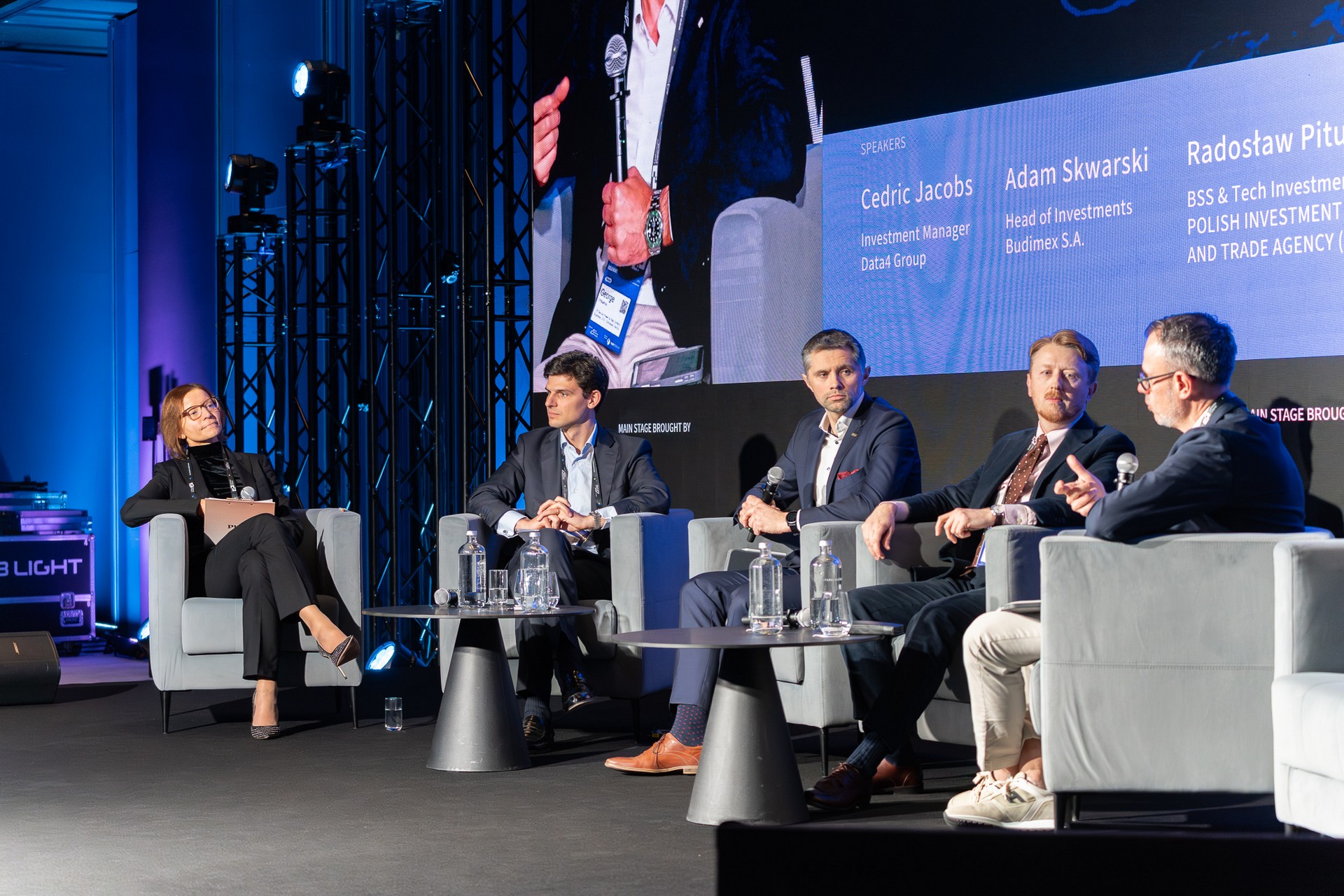












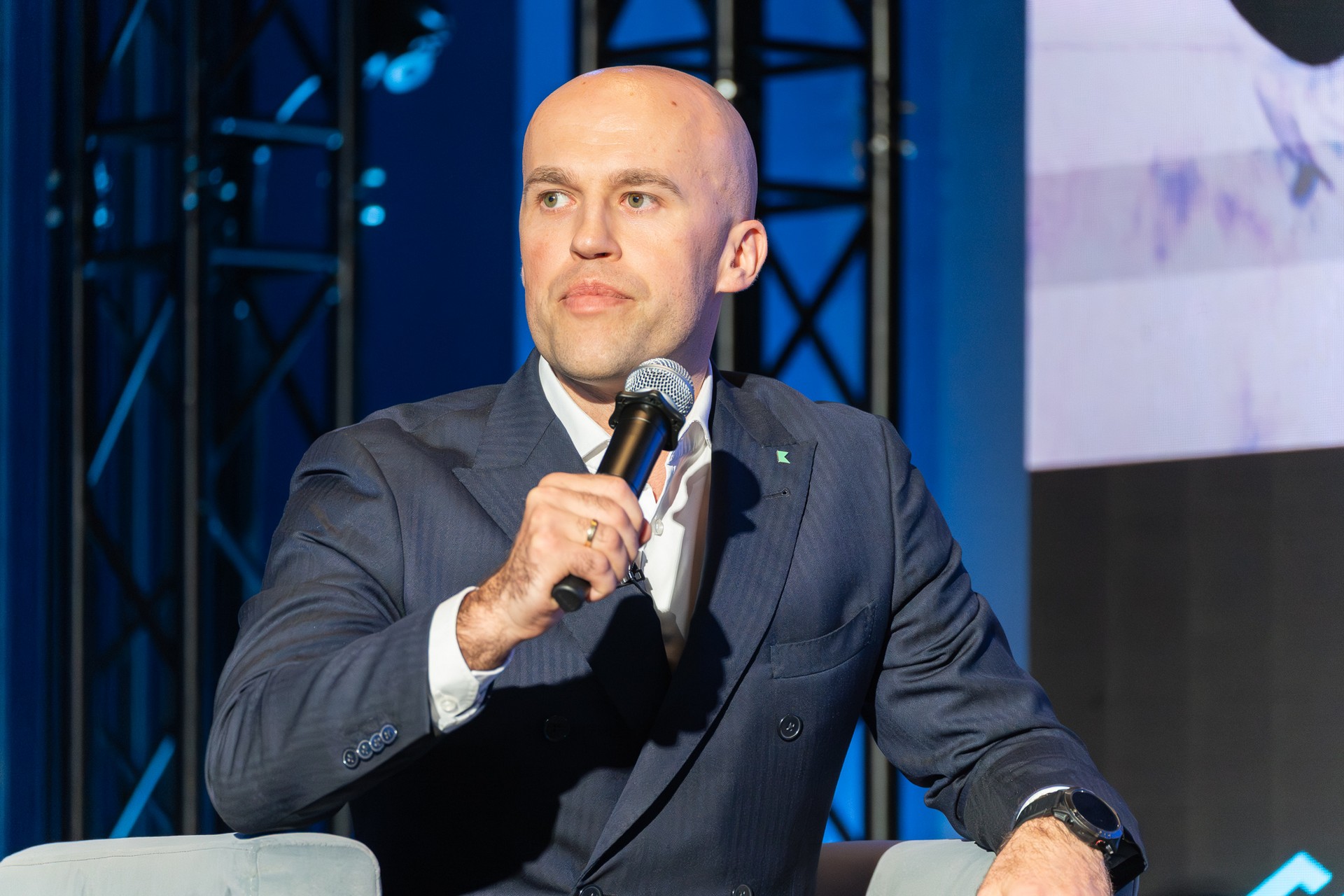
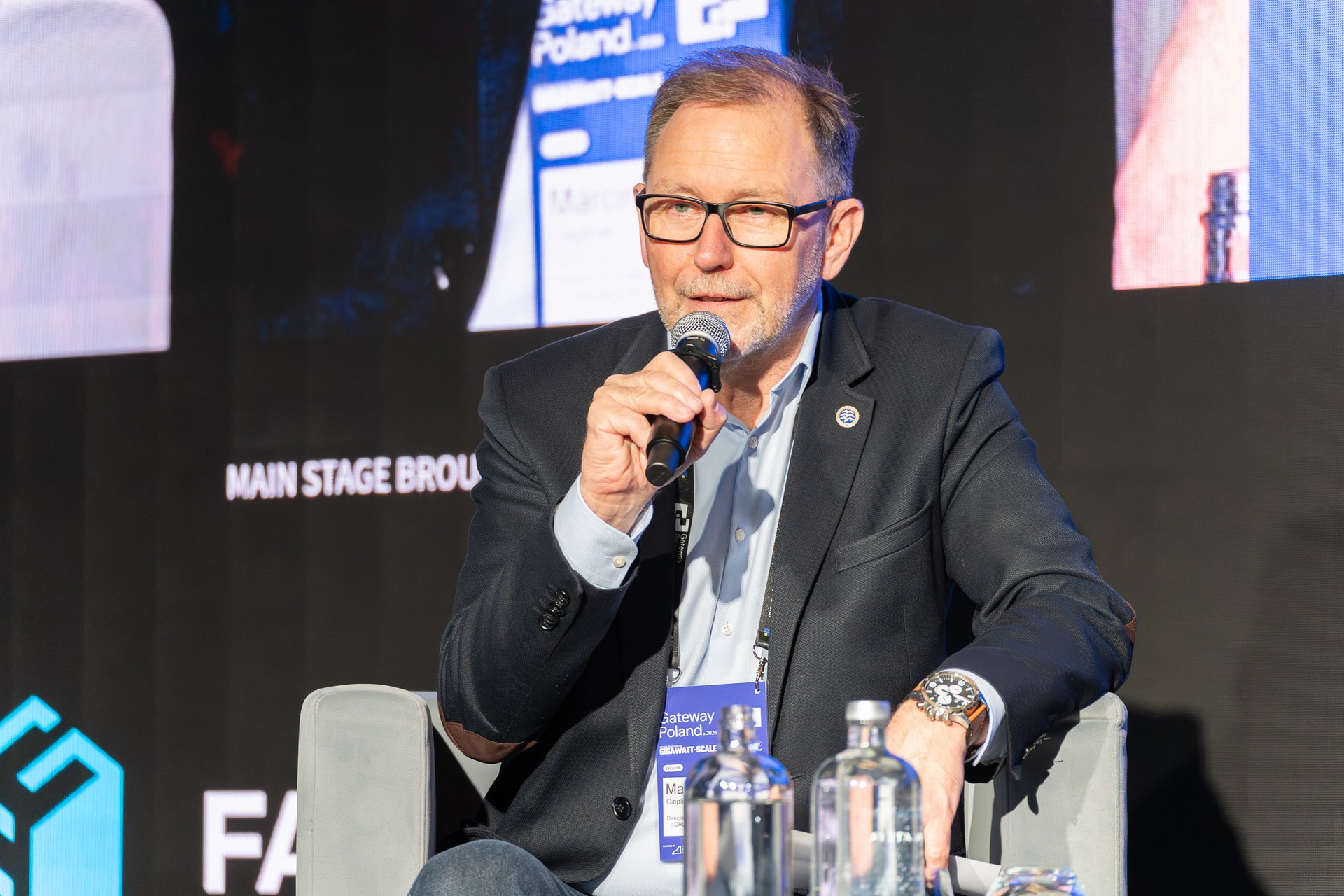
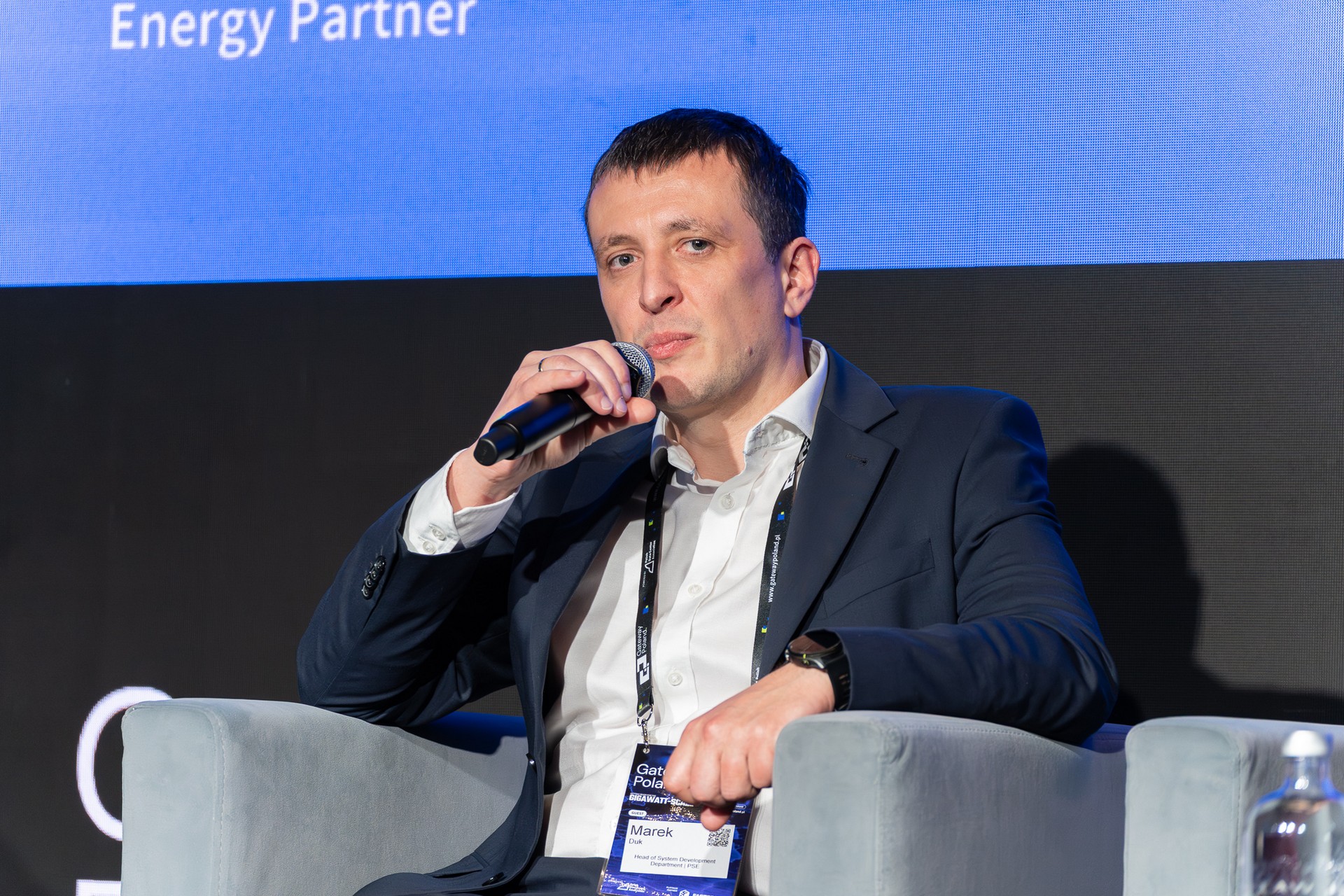

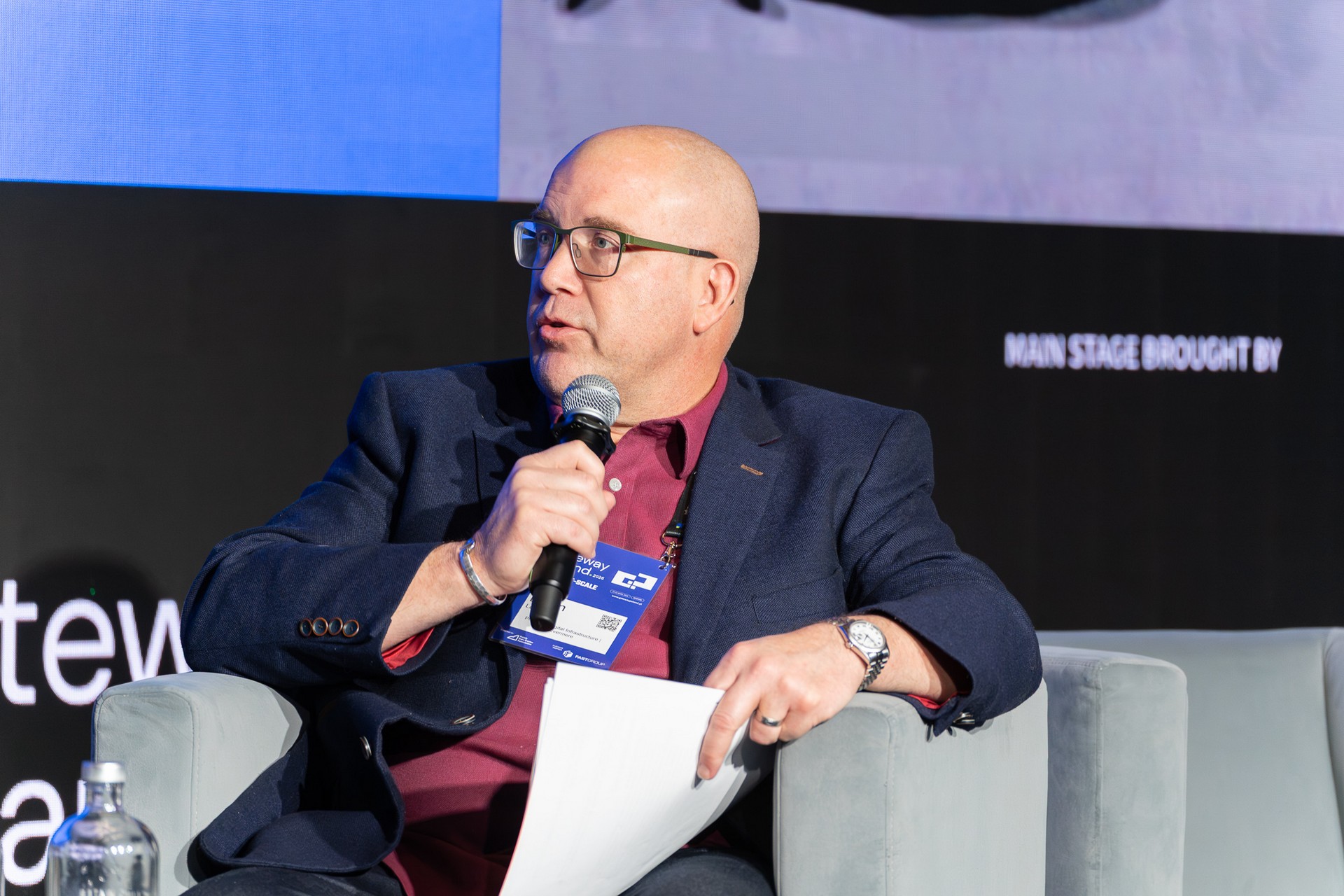

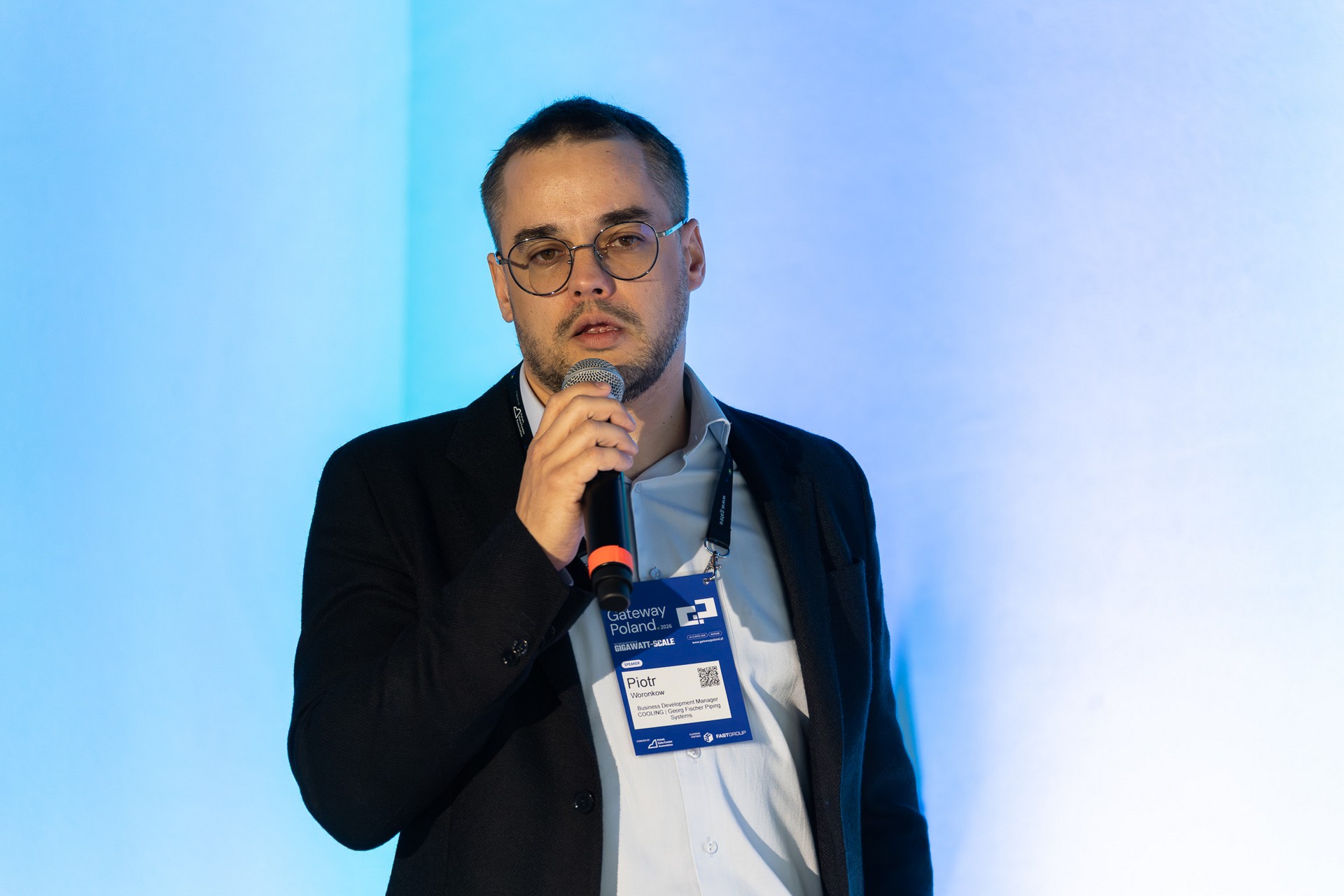
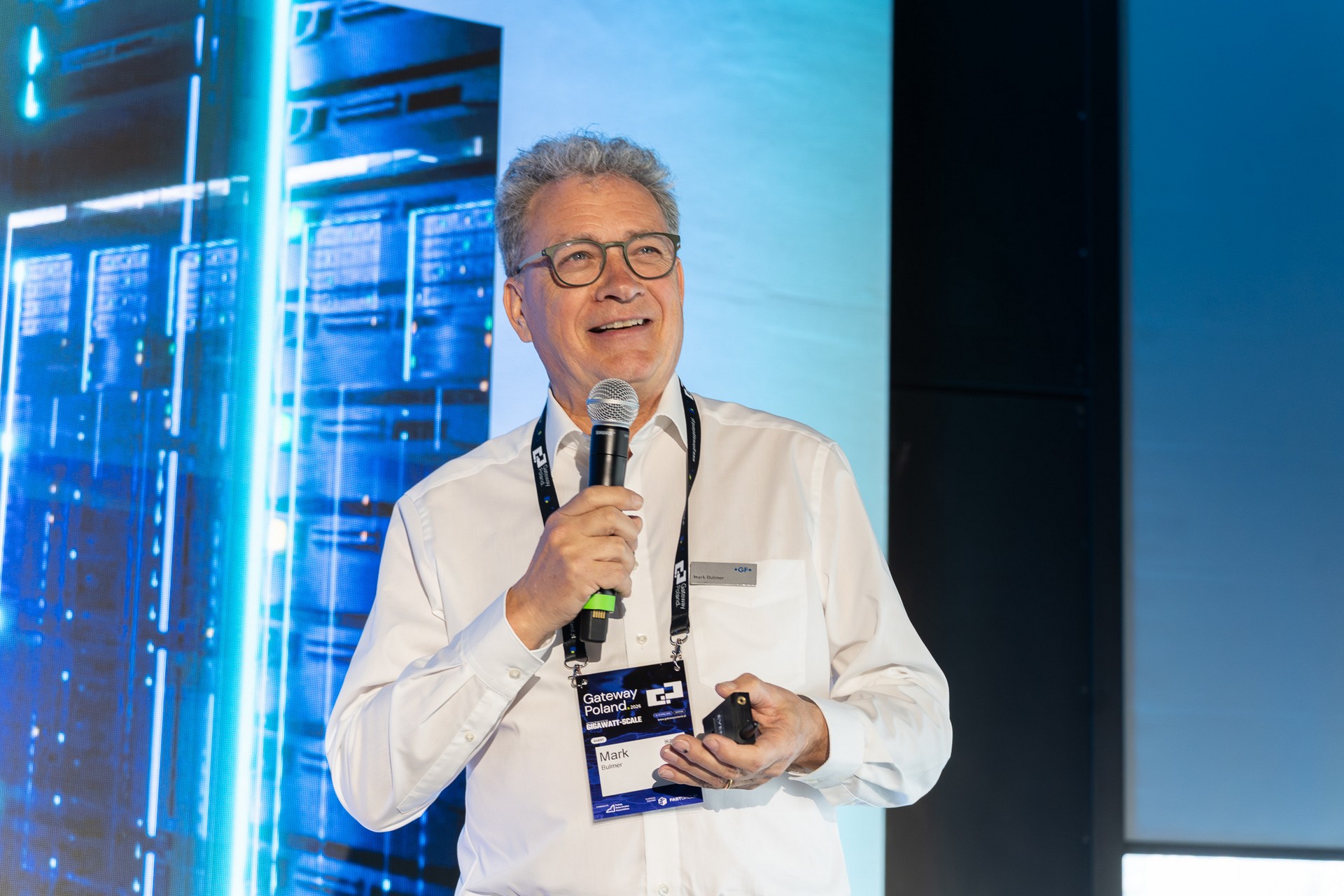
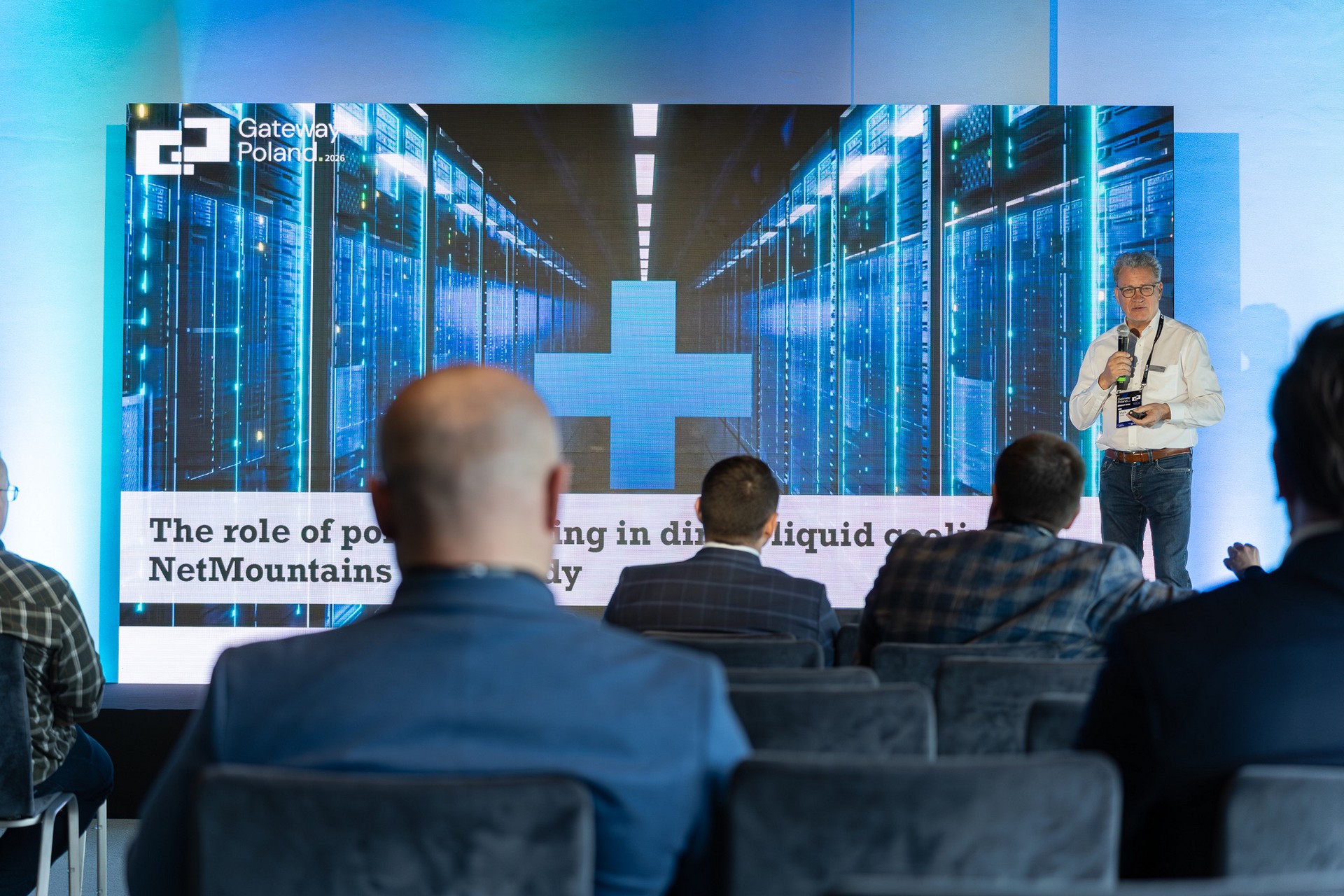

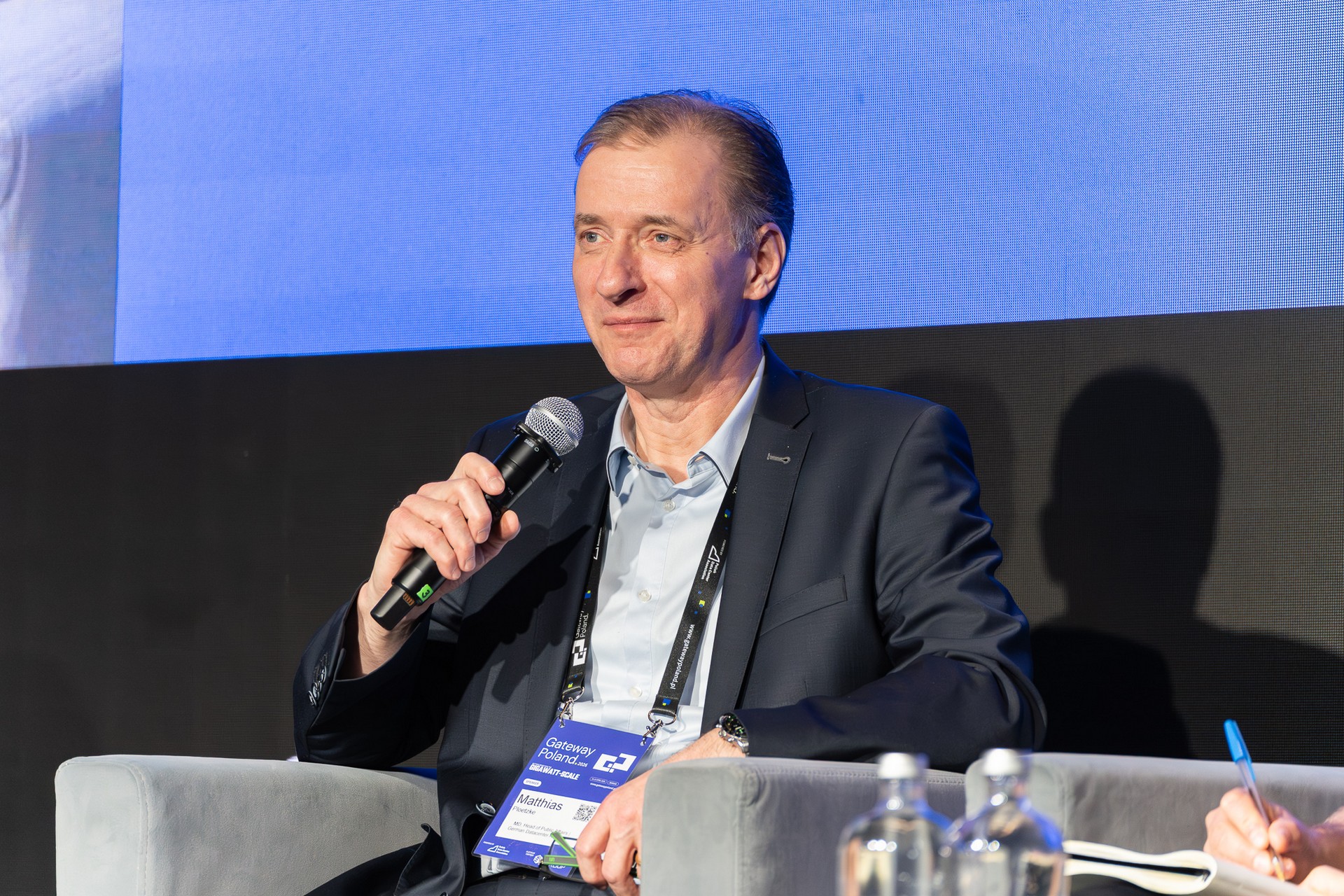
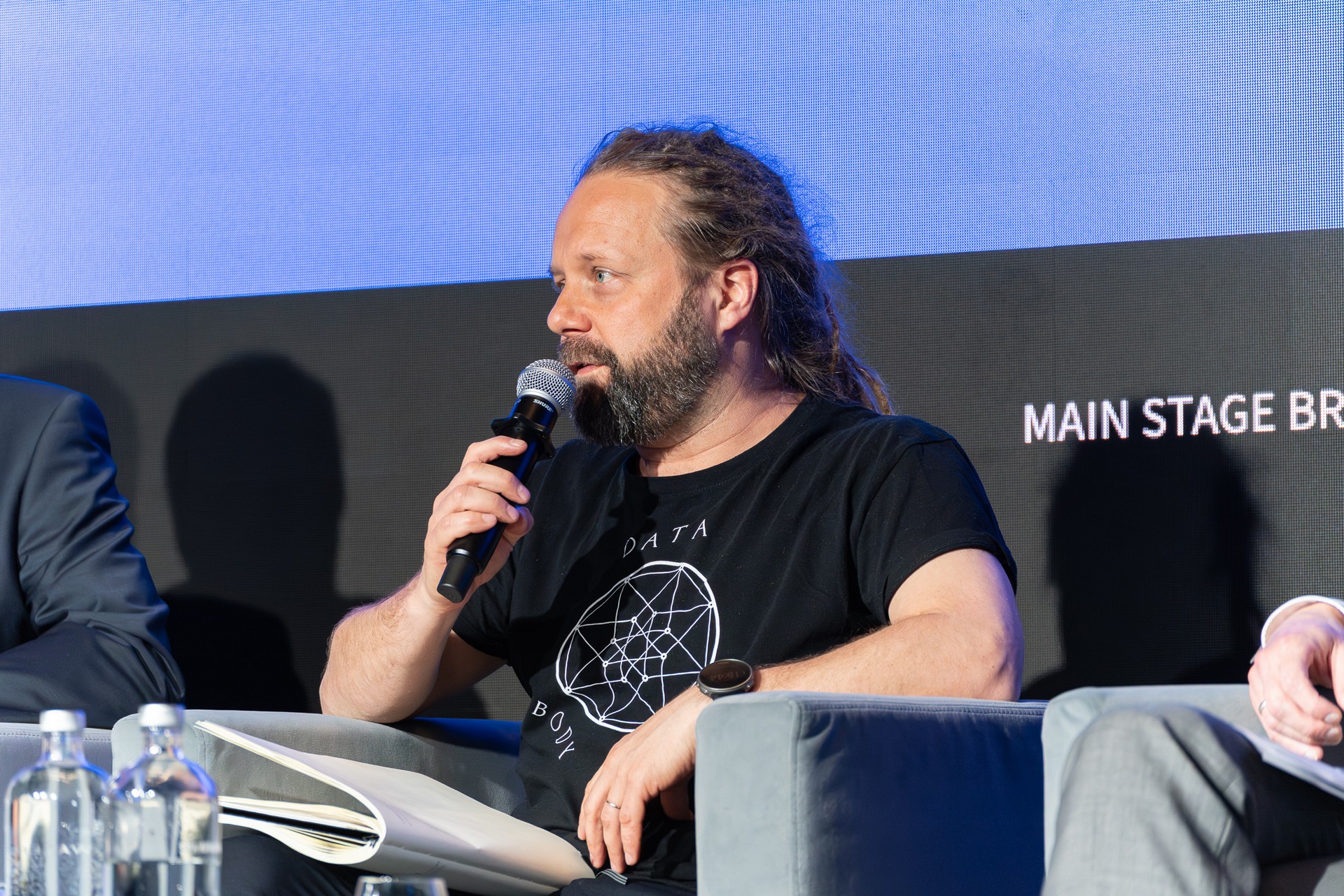

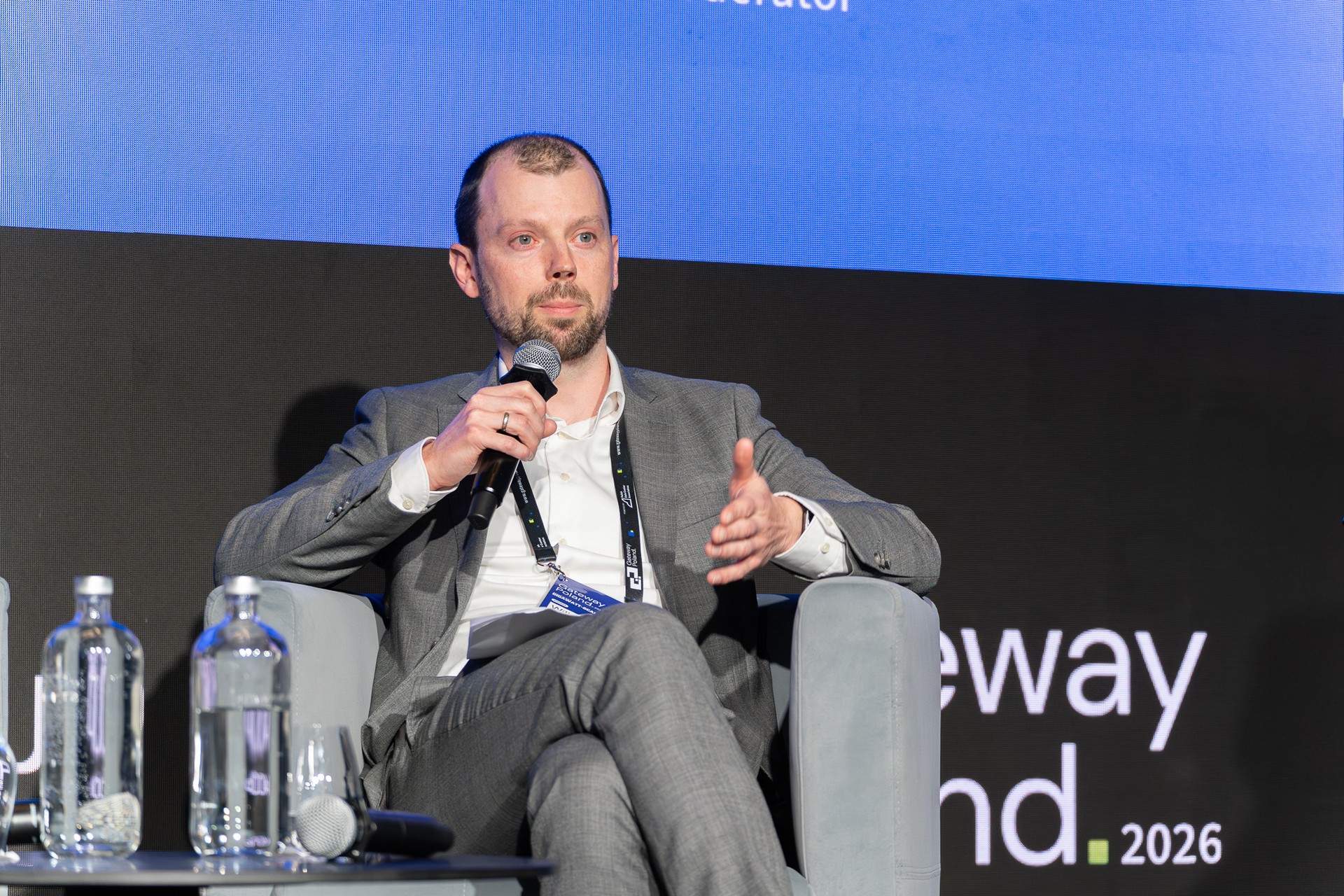

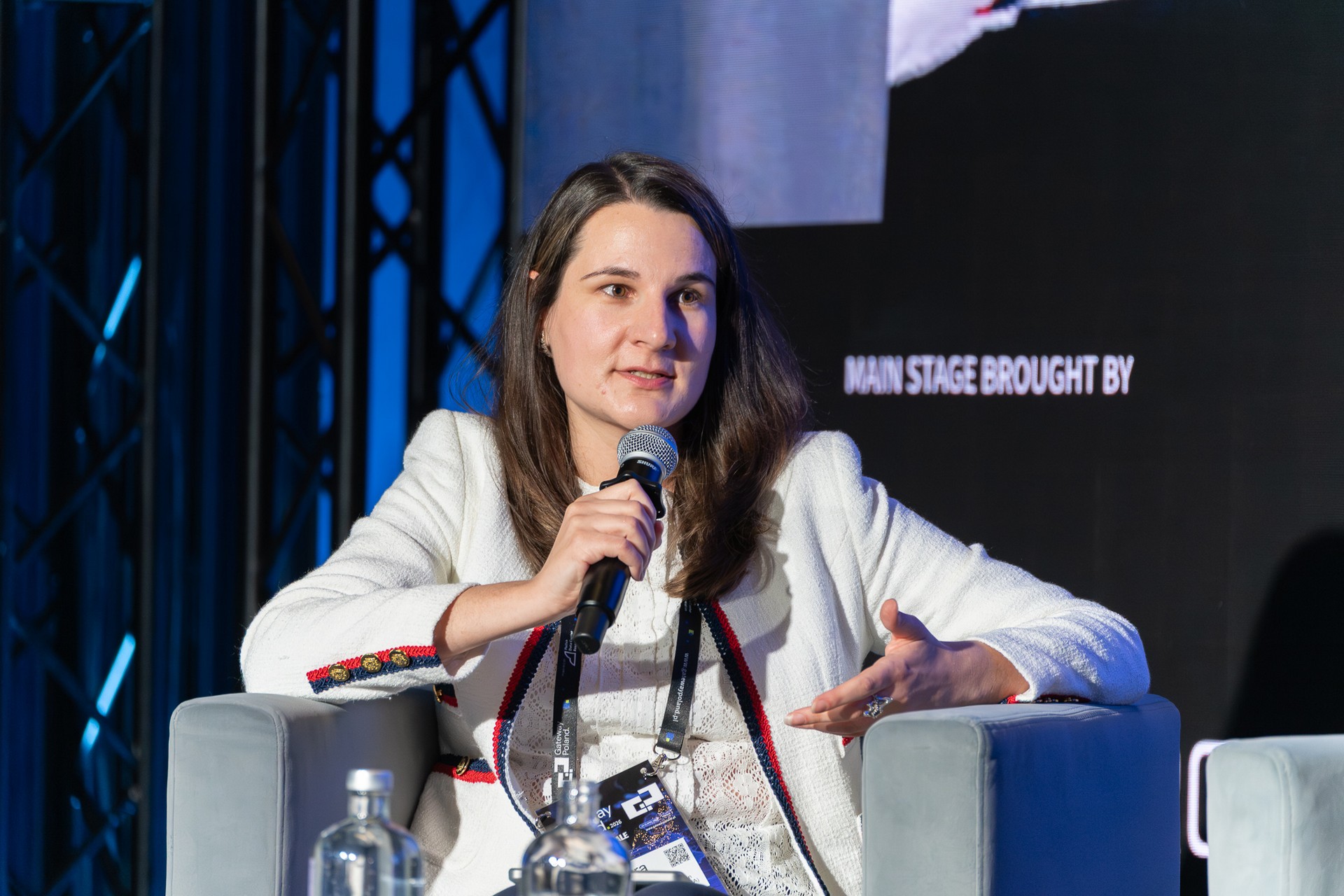

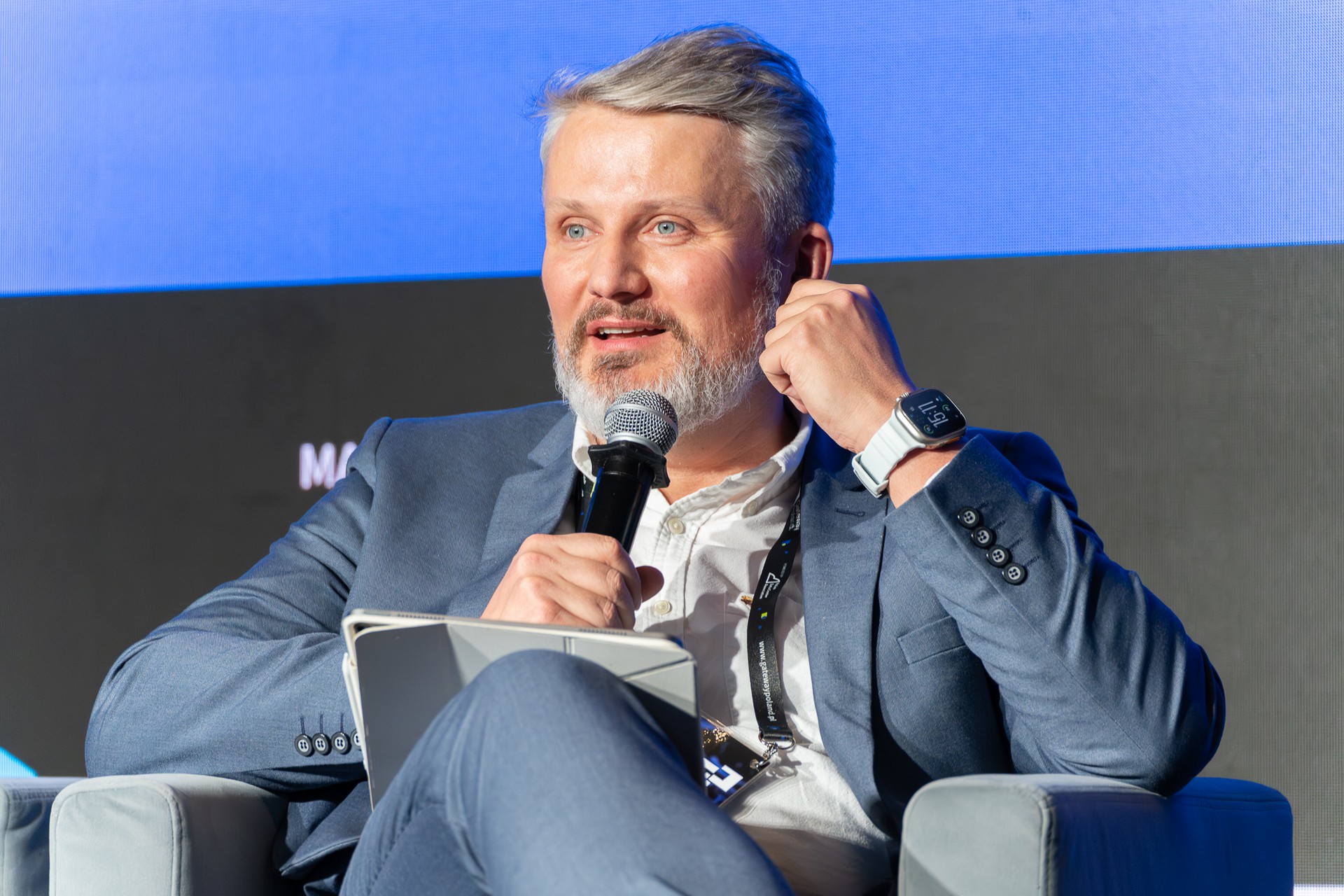





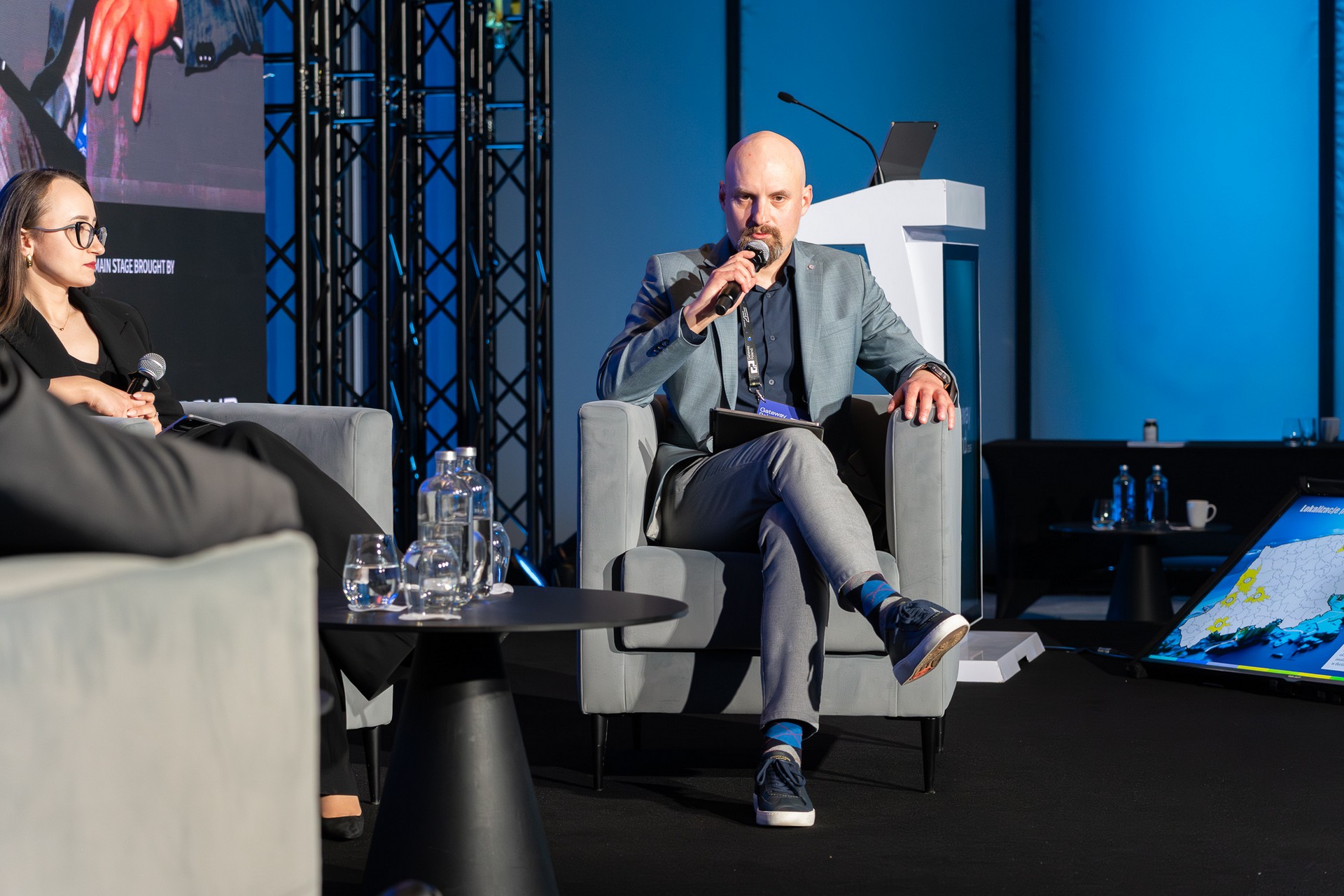
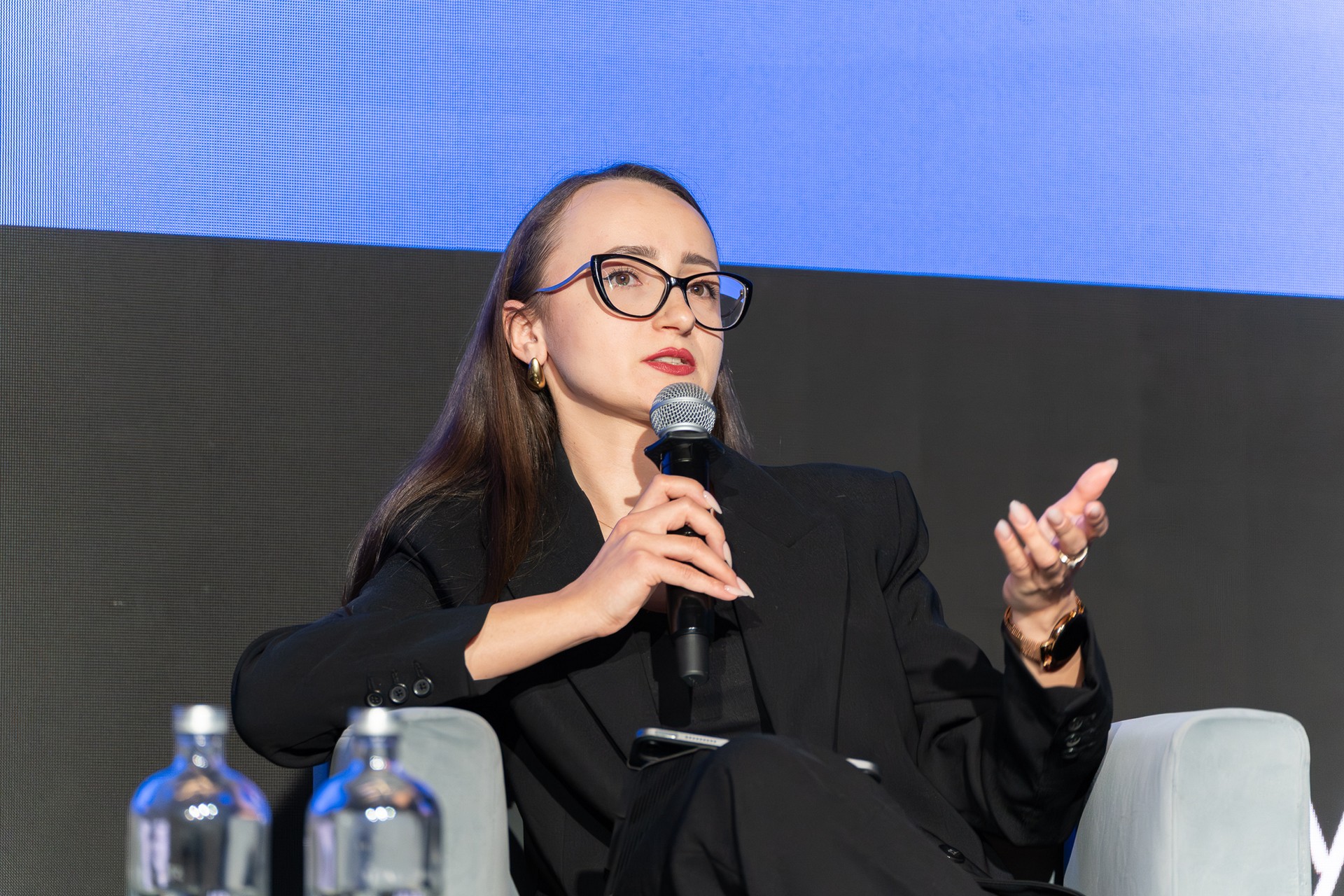
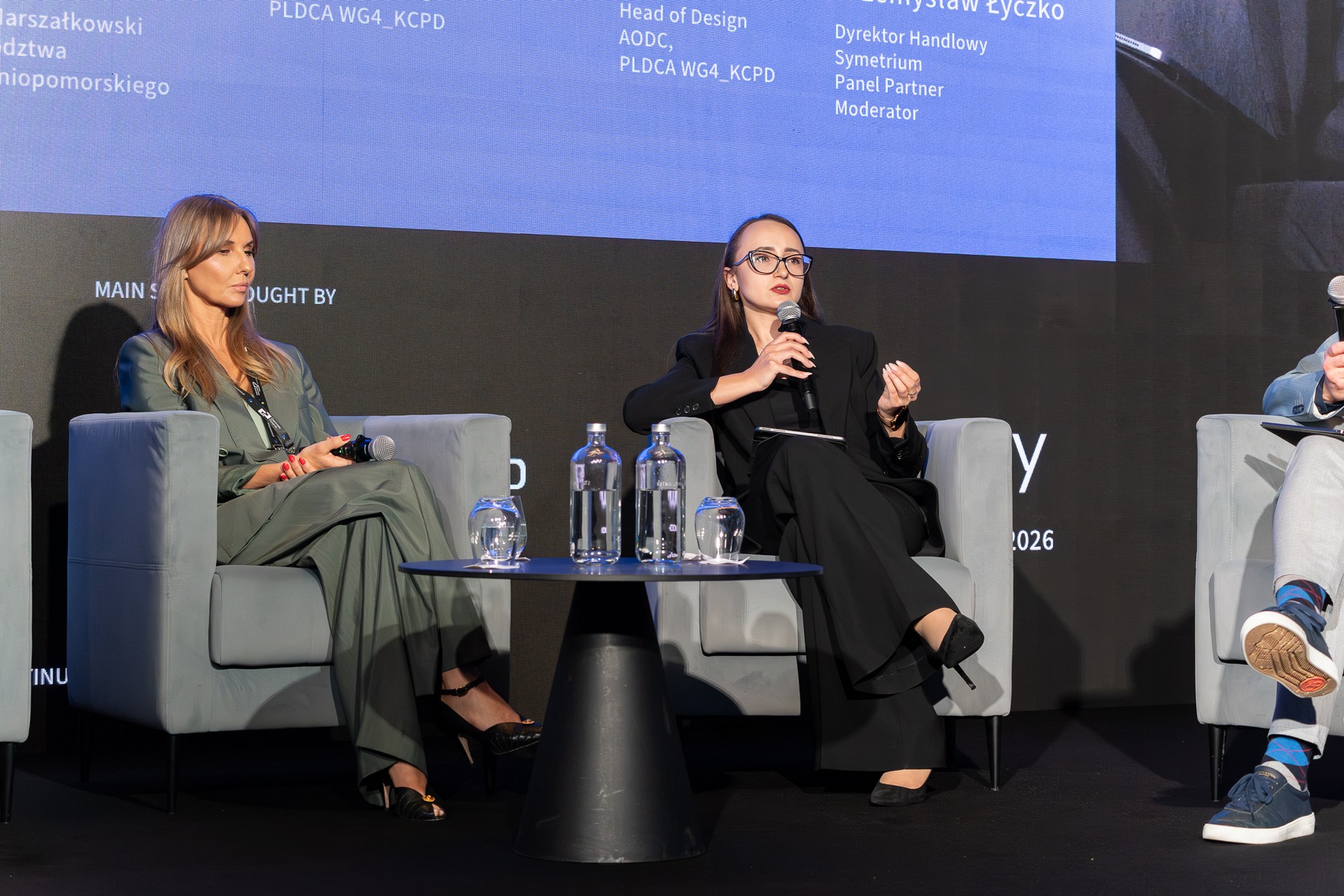

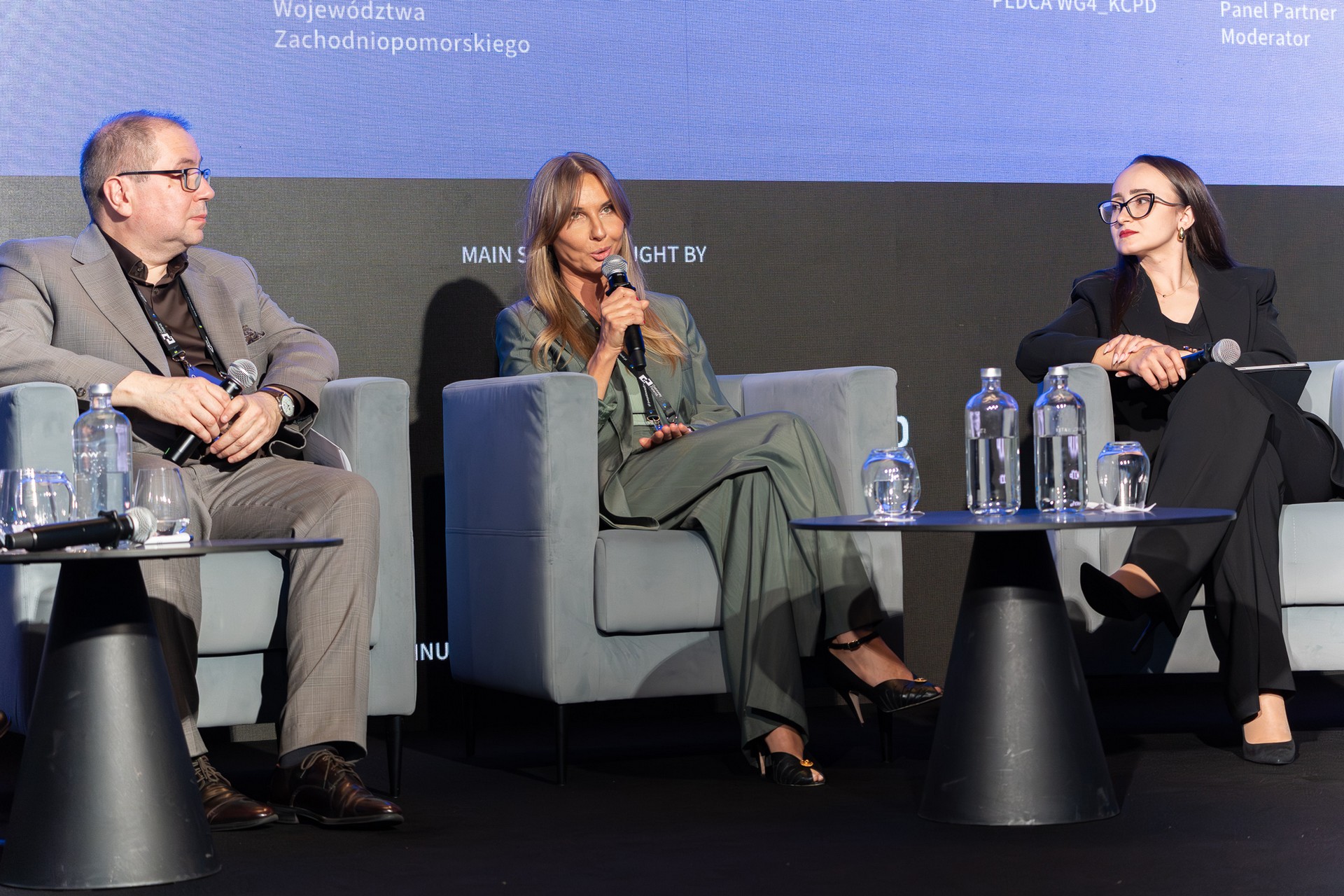

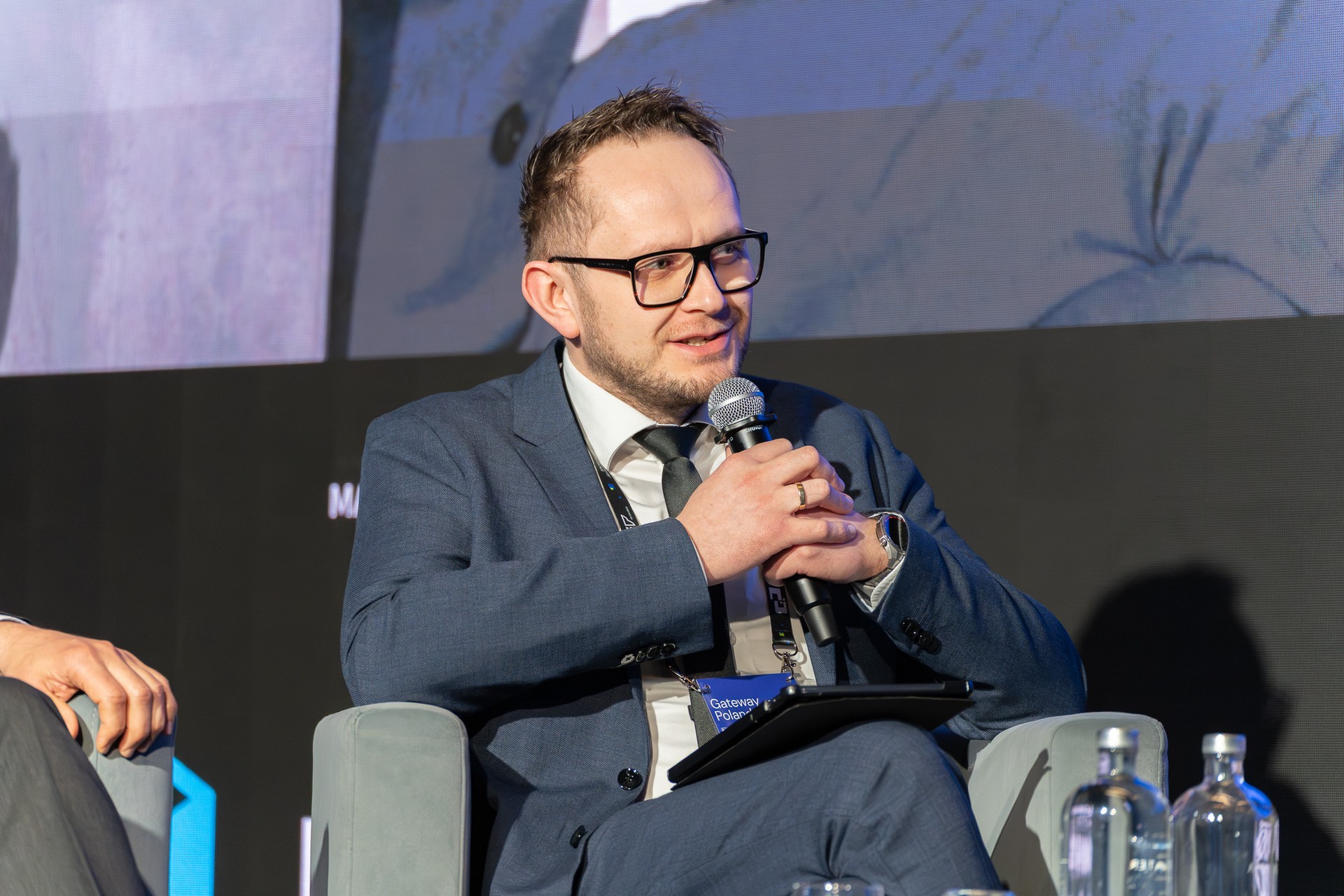
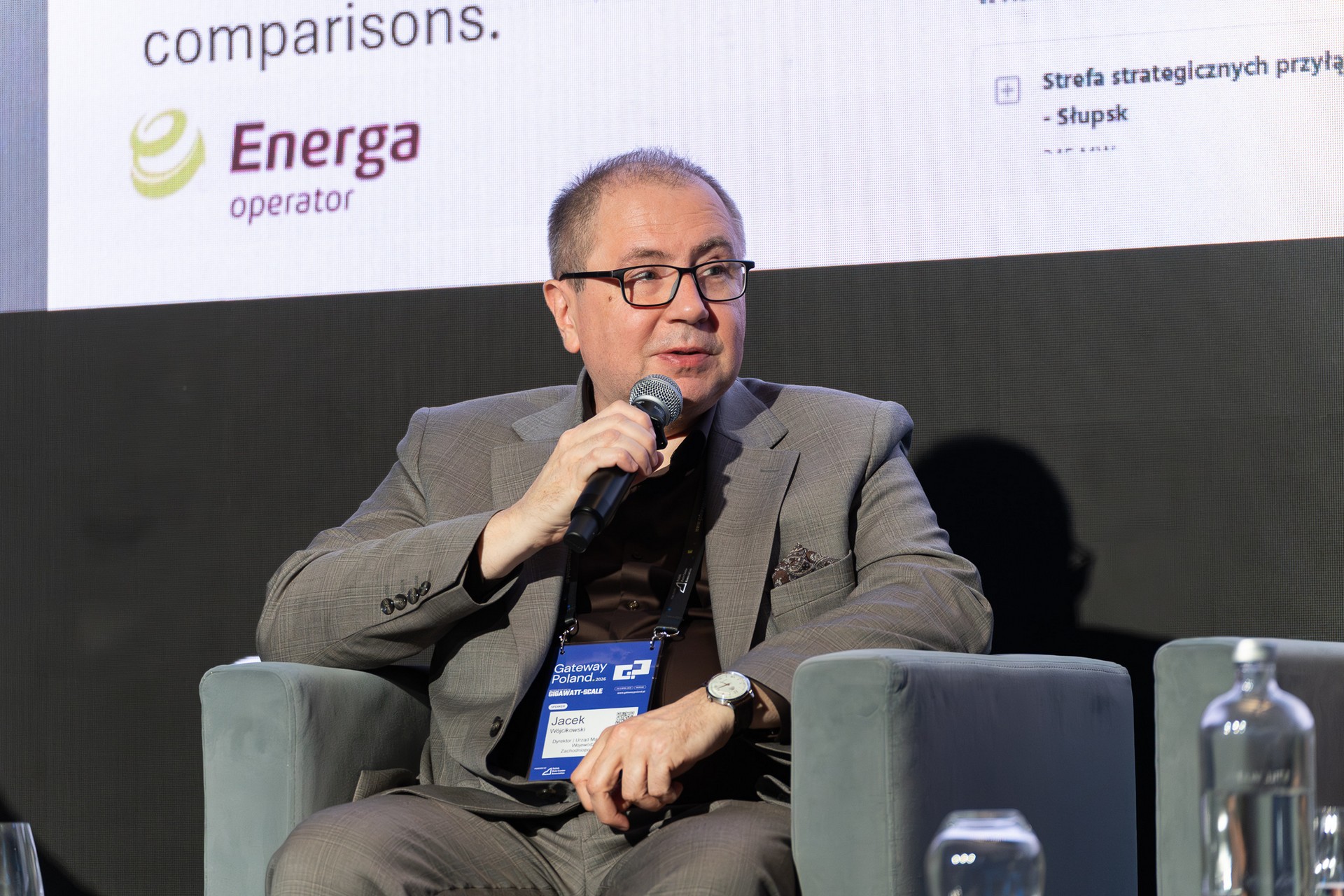
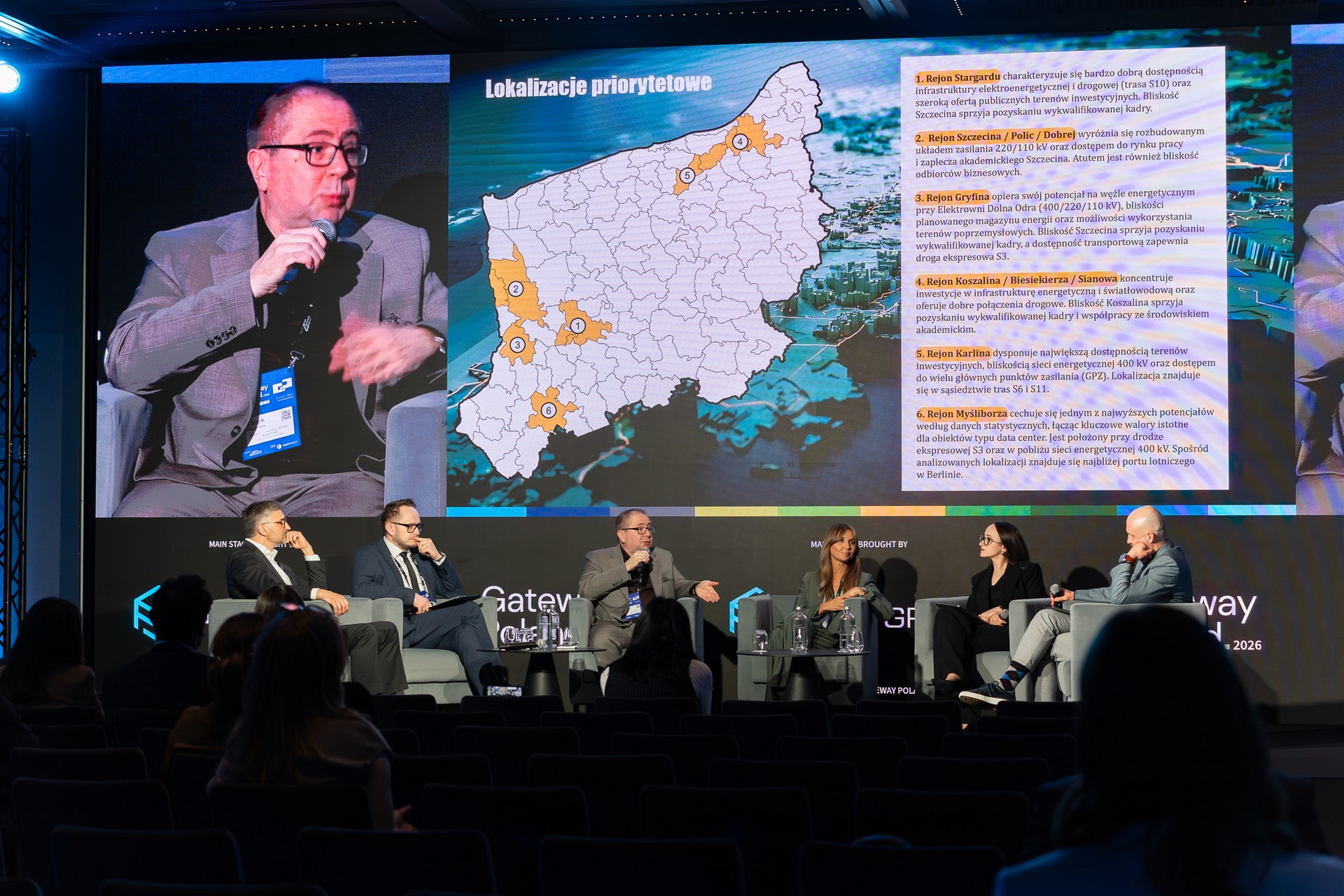
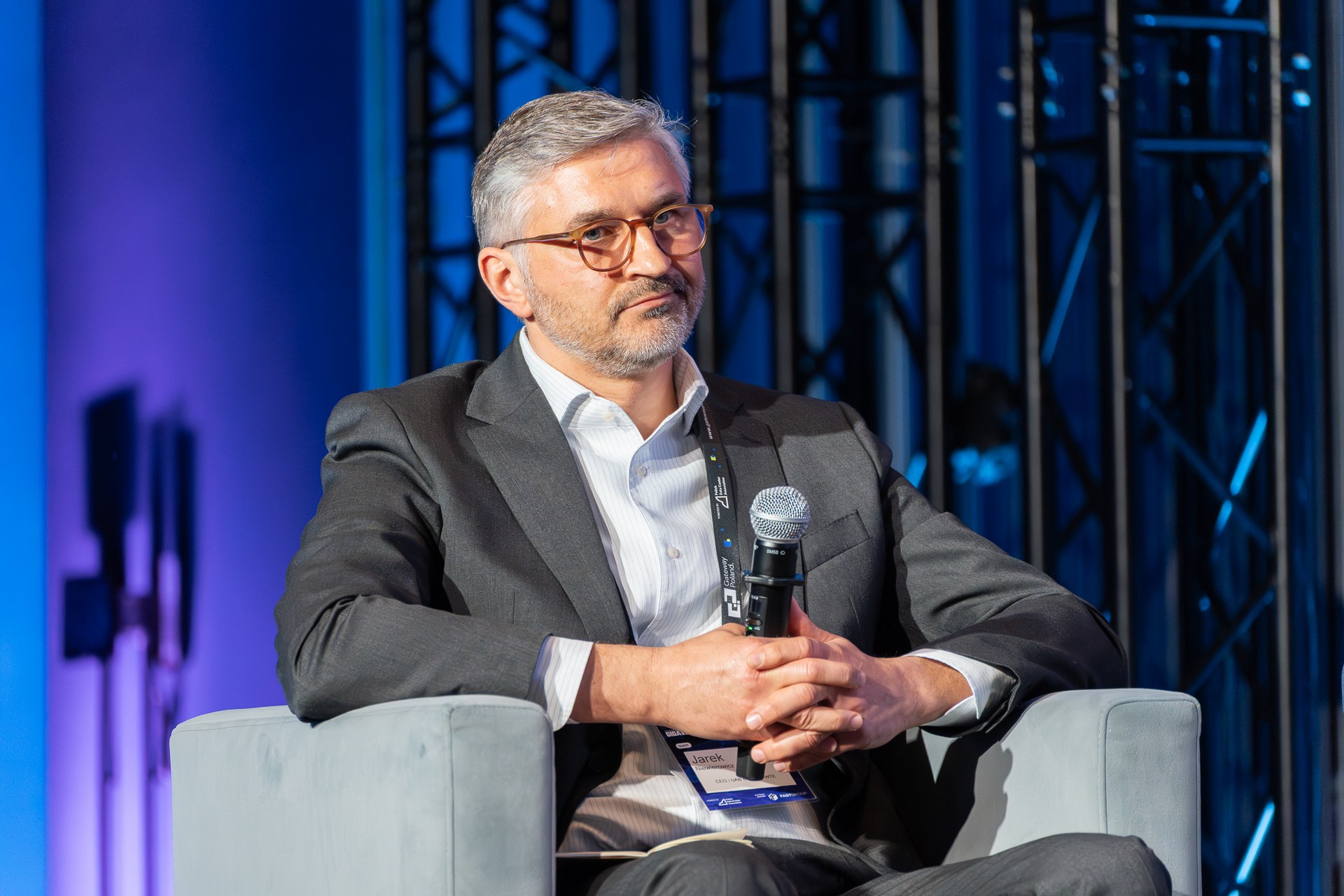

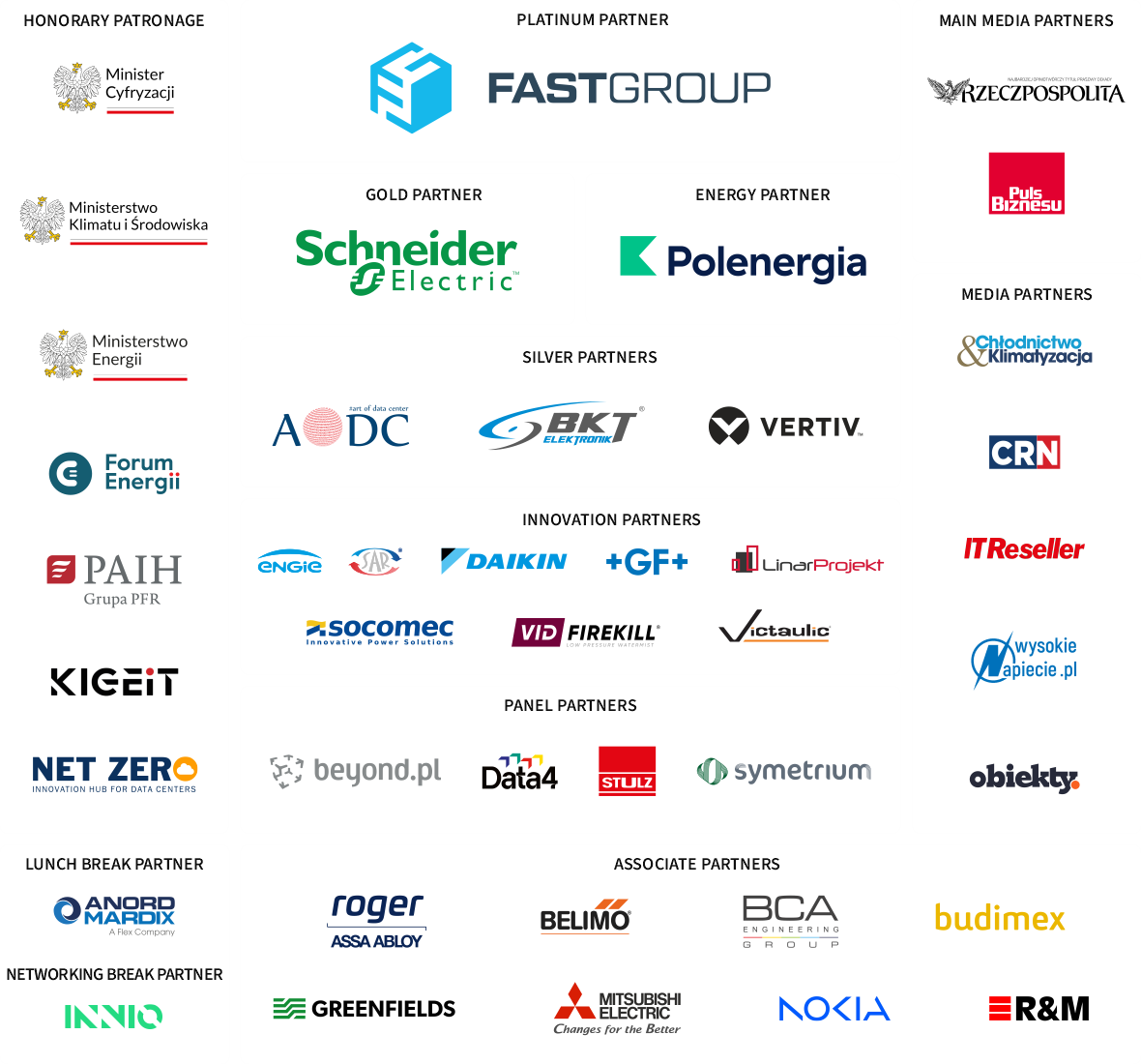
Thanks to our Partners and Sponsors

Gateway Poland 2026: podsumowanie wydarzenia
14 kwietnia, podczas Gala Dinner, po raz pierwszy wręczono PLDCA Industry Awards – wyróżnienia przyznawane przez Polish Data Center Association firmom, projektom i liderom, którzy w istotny sposób kształtują rozwój rynku infrastruktury cyfrowej w Polsce i Europie. Wieczór połączył element uroczystego uhonorowania branży z programem wystąpień o wysokiej wartości merytorycznej, nadając ton dalszym dyskusjom.
Część konferencyjna, która odbyła się 15 kwietnia, objęła rozbudowany program paneli i prezentacji. Na scenie wystąpili przedstawiciele administracji publicznej, liderzy europejskich organizacji branżowych z Finlandii, Niemiec, Holandii, Czech i Słowacji, a także kadra zarządzająca i eksperci reprezentujący polskie i międzynarodowe firmy działające w całym ekosystemie data center. Skala i jakość dialogu wyraźnie pokazały, że sektor wchodzi w nową fazę rozwoju.
Najważniejsze wnioski z tegorocznej edycji:
📈 Polska wchodzi w etap przyspieszonego wzrostu
Dostępna moc IT wzrosła z około 70 MW w 2020 roku do ponad 200 MW obecnie. Prognozy rynkowe wskazują na możliwość osiągnięcia poziomu 500–600 MW do 2030 roku. Jednocześnie dane publikowane przez Polskie Sieci Elektroenergetyczne wskazują na znacznie większy potencjał w dłuższej perspektywie – nawet do 3 GW do 2035 roku oraz 5 GW do 2040 roku. Sytuuje to sektor wśród najbardziej dynamicznie rozwijających się obszarów infrastruktury.
💶 Skalowanie sektora wymaga skoordynowanych inwestycji na dużą skalę
Dalszy rozwój będzie uzależniony od dostępu do kapitału, sprawnych procedur administracyjnych, lepszej koordynacji działań instytucji publicznych oraz przyspieszenia transformacji energetycznej. Otoczenie inwestycyjne będzie kluczowe dla tempa rozwoju rynku.
🔐 Centra danych stają się infrastrukturą strategiczną
Ich rola wykracza poza świadczenie usług cyfrowych. Coraz wyraźniej są postrzegane jako kluczowy element odporności gospodarczej, suwerenności technologicznej oraz bezpieczeństwa państwa.
♻️ Polska dysponuje istotnymi przewagami rozwojowymi
Tereny poprzemysłowe, dostęp do infrastruktury sieciowej, rozwinięty system ciepłowniczy oraz możliwość budowy zintegrowanych, bardziej zrównoważonych ekosystemów energetyczno-cyfrowych tworzą solidne fundamenty dla dalszego wzrostu.
Gateway Poland wypełniło swoją rolę jako platforma merytorycznego, międzysektorowego dialogu. Dyskusje pokazały wyraźnie, że rozwój infrastruktury cyfrowej wymaga ścisłej współpracy pomiędzy biznesem, sektorem energetycznym i administracją publiczną.
Dziękujemy wszystkim uczestnikom, prelegentom, partnerom i patronom za obecność, zaangażowanie i wkład w poziom tej dyskusji. Jej jakość potwierdza, że sektor jest gotowy na przejście z etapu wzrostu do etapu skali.
Dziękujemy naszym Partnerom
Webinar: Direct Liquid Cooling (DLC) Solutions – AI Next-Generation Data Centers

The power consumption of the AI generation of chips now requires use of direct liquid cooling to cold plates. The DLC closed loop in the white space, using usually presently MPG25% must be designed to supply enough coolant for the row and individual rack densities ❄️
However development of these chips is ongoing and power consumption will only increase. The piping for the DLC is mission critical to the performance of the AI chip the design of the piping layout must account for redundancy to ensure complete security and peace-of-mind for the end clients.
So how do we design a physical infrastructure to cope with these forthcoming designs for the next 4-6 years?
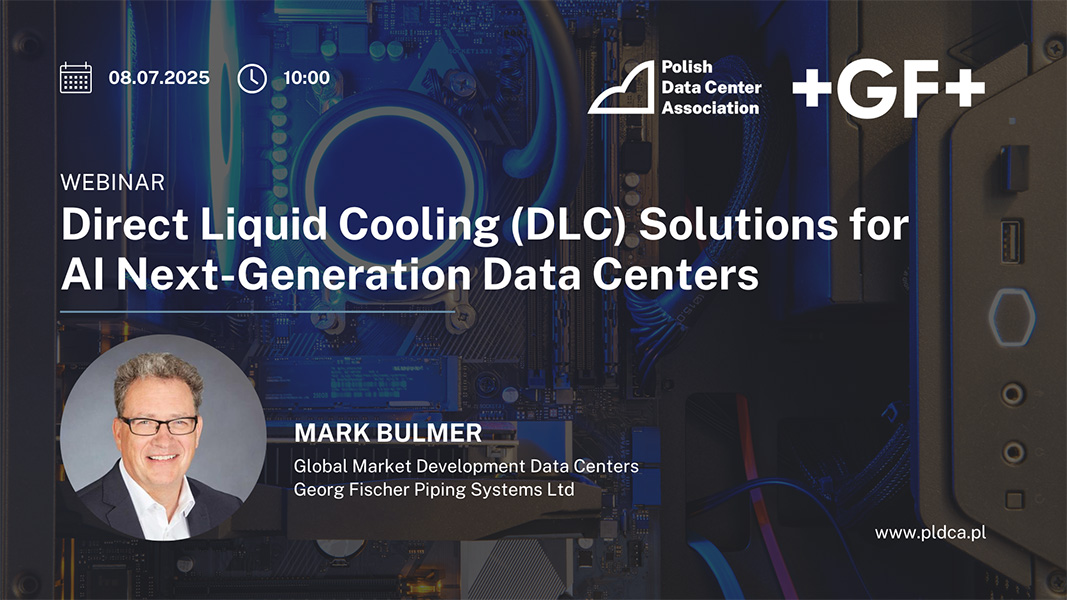
📅 Together with Georg Fischer we are pleased to invite you to a webinar titled "Direct Liquid Cooling (DLC) Solutions for AI Next-Generation Data Centers", which will take place on July 8, 2025
Join us to explore the practical aspects of DLC design that ensure performance, reliability, and readiness for the upcoming AI challenges 🧊🛠️
🎤 Presenter: Mark Bulmer, Global Market Development Data Centers - GF Piping Systems
Mark Bulmer is responsible for the global market development of Georg Fischer Piping Systems within the mission critical vertical. Mark has a BSc in Mechanical Engineering and has been employed by GF for more than 25 years in many varied positions, from production, plant engineering, R&D and product management. He is a bi-lingual dual German UK citizen, living in Germany with his office at the headquarters of GF Piping Systems Ltd in Schaffhausen, Switzerland, 40km north of Zürich. His expertise lies in the design of cooling and refrigeration plants, especially secondary coolant closed loops, replacing traditional metal pipes with non-corroding, safe ,high performance polymer piping 🌡️⬇️
📅 Date: 08.07.2025
🕒 Time: 10:00 AM
📌 Online
Piotr Woronkow thank you very much for your initiative and organizational support!
📝 Register now: https://events.teams.microsoft.com/event/d4b89449-1d8d-4f01-a830-c75a6bb72f2d@112865d4-1c61-487b-a64a-d87bae05dba4
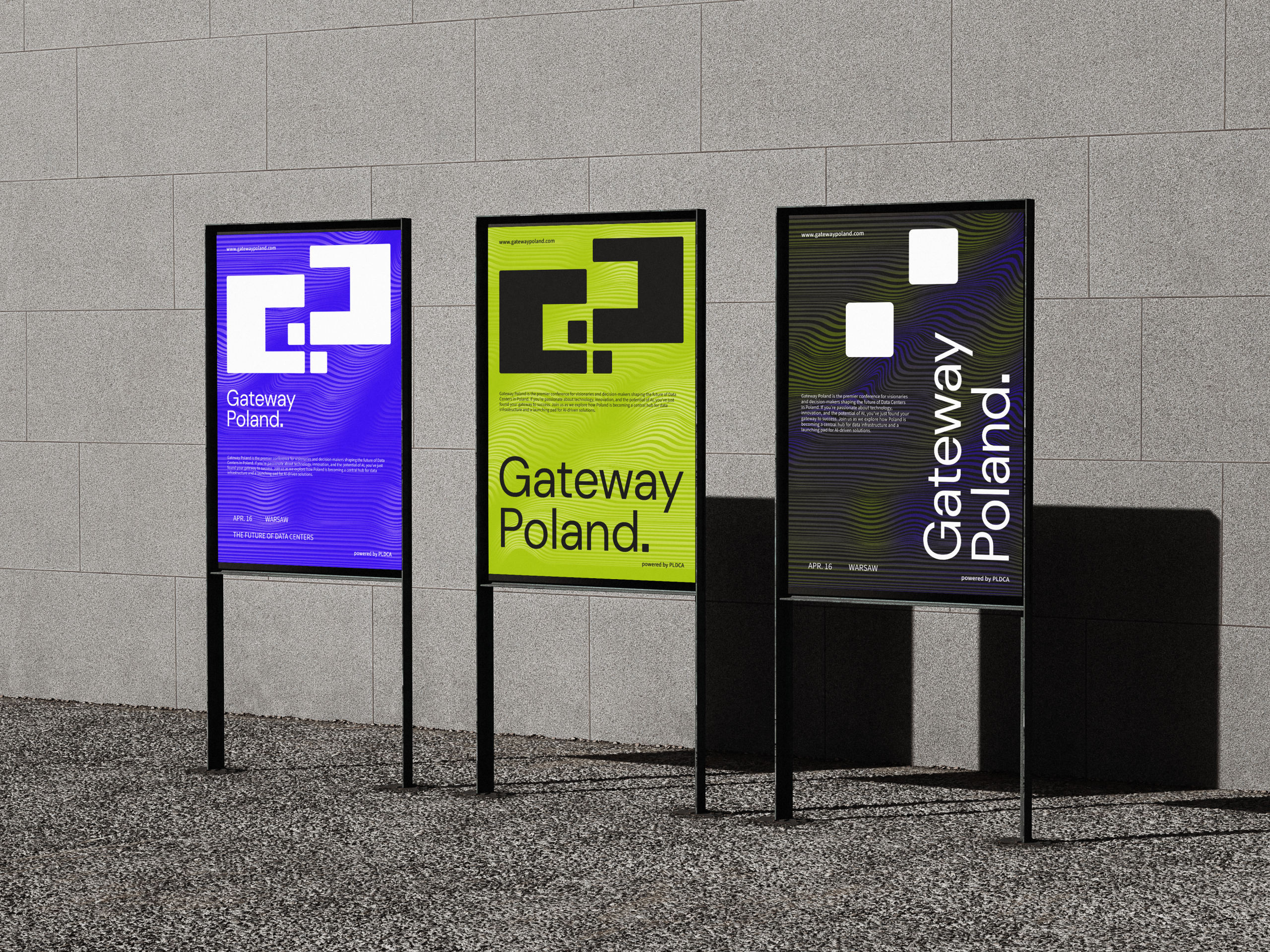
Gateway Poland 2025 - welcome to the conference!
Cyfryzacja jest wyzwaniem cywilizacyjnym, przed którym stoją zarówno rządy poszczególnych krajów, jak i zwykli obywatele. Nie ulega wątpliwości, że kluczową rolę w budowaniu cyfrowej wartości dodanej oraz w wyścigu technologicznym związanym ze sztuczną inteligencją, odgrywać będą centra przetwarzania danych.
Czołowe gospodarki świata zabiegają o lokalizację centrów na swoim terenie. Jest to zrozumiałe zarówno z punktu widzenia wzrostu bezpieczeństwa przetwarzania danych, atrakcyjności inwestycyjnej danego kraju, udostępniającego nowoczesną infrastrukturę cyfrową, jak również ze względu na możliwość tworzenia nowych miejsc pracy.
Polska gospodarka, która od lat rozwija się niezmiennie dynamicznie oraz transformacja cyfrowa, mogą nie tylko przyspieszyć ten trend, ale sprawić, że Polska jako kraj awansuje do grona 20 najsilniejszych gospodarek na świecie. Aby było to możliwe, konieczne jest zwiększenie znaczenia Polski jako regionalnego centrum obliczeniowego poprzez zbudowanie nowoczesnego ekosystemu przetwarzania danych.
Konferencja Gateway Poland 2025 to pierwsza z cyklicznych konferencji organizowanych przez Stowarzyszenie Polish Data Center Association, podczas której wyzwania stojące przed Polską i Europą w zakresie budowy infrastruktury przetwarzania danych będą dyskutowane w trzech aspektach. Pierwszym – strategicznej perspektywy rozwoju cyfryzacji w Polsce, drugim – omawiającym warunki rozwoju technologii związanych ze sztuczną inteligencją oraz trzecim, który dotyczyć będzie uwarunkowań energetycznych rozwoju infrastruktury przetwarzania danych.
To całodniowe spotkanie zgromadzi blisko 200 uczestników, w tym ekspertów, decydentów oraz przedstawicieli firm zaangażowanych w budowę i eksploatację infrastruktury cyfrowej, zapewniającej bezpieczne i efektywne energetycznie przetwarzanie danych.
Jako Członek Wspierający PLDCA serdecznie zachęcamy do rejestracji i czynnego uczestniczenia w Gateway Poland 2025!
Data: 8 kwietnia 2025 r.
Miejsce: CIC Warsaw, Varso Tower
Link do rejestracji: www.gatewaypoland.pl
#GatewayPoland2025 #PLDCA #datacenter #DCindustry #DigitalTransformation #DCInfrastructure #DCnetwork
[/fusion_text][/fusion_builder_column][/fusion_builder_row][/fusion_builder_container]
PLDCA is the patron of the Data Center conference
We are pleased to announce that PLDCA has taken patronage of the upcoming data centre conference organised by GigaCon - IT and business conferences.
The programme includes many interesting speeches about:
- how to ensure security in the data centre
- how the development of hashtag#AI technology affects the process of data centre design and construction
- what is the state of implementation of hashtag#NIS2 in Poland, on whom and what requirements it will impose in terms of hashtag#cyber security
📅 The conference will take place on 7 November at 9:30am online - pre-registration is required.
Link to full agenda and registration: https://lnkd.in/ddgzaRW6
We look forward to your participation!
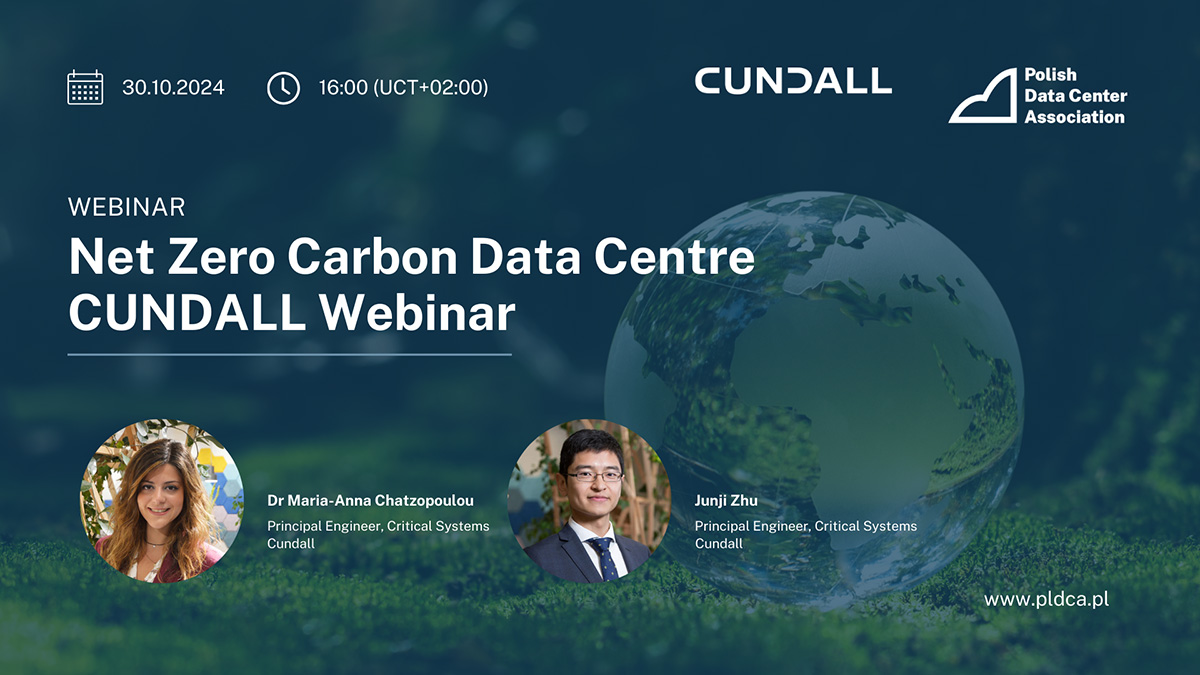
Net Zero Carbon Data Centre CUNDALL webinar
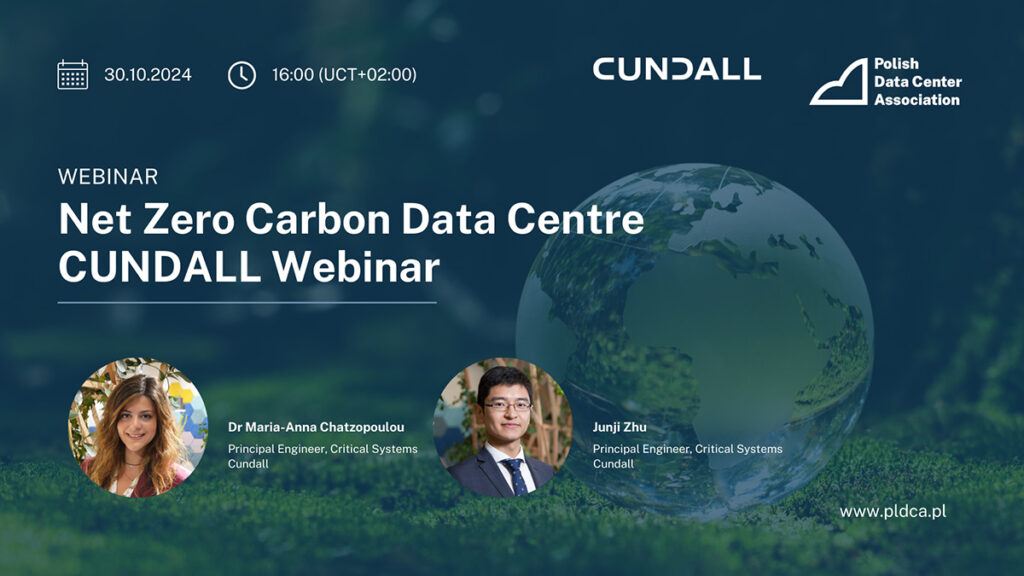
We are pleased to invite the #datacentre community to the first PLDCA-hosted Net Zero Carbon Data Centre ♻ webinar with the Association Partner, Cundall.
Cundall experts Maria Anna Chatzopoulou PhD CEng and JUNJI ZHU will discuss the necessary steps towards net zero carbon data centre designs, addressing the Scope 1 -3 emissions aspects and highlighting the main challenges faced by the industry while meeting those goals. The webinar will also include an extremely interesting #heatrecovery case study of the Odense #hyperscale Data Centre in Denmark, using waste heat from data processing to warm residential buildings through district heating network.
Join us on October 30, 2024 to gain valuable insights about the future of green data centres designs
October 30, 2024
16:00 (UCT+ 02:00)
registration link: https://events.teams.microsoft.com/event/036ff0d5-61fc-4930-a574-fc05291d711e@112865d4-1c61-487b-a64a-d87bae05dba4
Webinar will be held in English and is open to all registered participants.

STULZ joins PLDCA members
With more than 50 years of experience, STULZ is a leading pioneer in cooling solutions for mission-critical applications and data centres.
As a company with subsidiaries and partners worldwide, Stulz offers the cooling technology needed in the highly dynamic world of information technology - from hardware to software, from planning to production and assembly. Stulz is present in 150 countries. It is constantly developing new technologies, particularly to increase energy efficiency, reduce CO2 emissions and use alternative refrigerants.
EED Directive - the clock is ticking
On 15 May 2024, the requirements of the European Energy Efficiency Directive (EED) became mandatory for all 27 members of the European Union. For the data center industry, this means specific annual reporting obligations, with the first deadline already falling on 15 September 2024. The obligation will apply to all owners and operators of data centers with the capacity of installed IT infrastructure above 500kW, i.e. colocation server room operators, telecommunications operators, banks, university supercomputing centers and other large enterprises with their own on-prem model data processing centers, excluding defense facilities. Dodatkowo, krajowe organy ustawodawcze mają możliwość dalszego obniżenia tej granicy wymaganego raportowania, jak to się stało np. w przypadku przepisów niemieckich (>300kW).
One of the goals of the PLDCA is to coordinate and support local organizations in ensuring compliance with the requirements of the Directive through active communication and cooperation with the European Data Center Association (EUDCA) and other national industry associations. The following study aims to provide an overview of EED requirements for data centers and the broader context within which these activities are undertaken.
The Directive predicts that raising the EU's 2030 energy efficiency target is expected to lower energy prices and have a decisive impact on reducing greenhouse gases, accompanied by the development and spread of electrification, the use of hydrogen, e-fuels and other technologies necessary for the green transition. Greater energy efficiency is also particularly important for the EU's energy supply security, by reducing dependence on fossil fuel imports from third countries, a particularly important aspect in the context of current geopolitical developments in our region.
The three sectors with the highest estimated potential for energy savings outside of industry are transportation, buildings (especially public buildings) and the information and communications technology (ICT) sector.
Article 12 of the Directive refers directly to data centers - according to Annex A, sec. 2.6.3.16 of Regulation (EC) No. 1099/2008,[i]defined as a structure or group of structures used to house, connect and operate computer systems/servers and related equipment used to store, process or distribute data and similar activities.
By 15/05/2024 (deadline now postponed to 15/09/2024), and annually thereafter, Member States must require the owners and operators of each DC located on their territory with an installed electricity demand of 500kW or more to make public the information specified in Annex VII, except for information subject to EU and national laws protecting trade and business secrets and confidentiality.
The European Commission will create an EU database on data centers, publicly available at the aggregate level, and will evaluate available data on the energy efficiency of data centers and report to the European Parliament and Council with potential legislative proposals containing further measures to improve energy efficiency.
One feasible measure is to establish minimum performance standards and assess the feasibility of transitioning to a net-zero-emission DC sector, in close consultation with relevant stakeholders - highlighting the important role of cooperation at the local level under the aegis of industry associations. Such proposals may specify a timeframe within which existing data centers are to be required to achieve minimum efficiency.
In addition, Member States are to encourage owners and operators of any DC located on their territory with an installed IT infrastructure electricity demand of at least 1MW to take into account the best practices referred to in the latest version of the European Code of Conduct on Data Center Energy Efficiency [ii][ii]
Annex VII to the Directive sets out the minimum requirements for monitoring and publishing the energy performance of data centers:
- the name of the data center, the name of the owner and operators of the data center, the date on which the data center started its operations and the municipality where the data center is based;
- the floor area of the data center, the installed power, the annual incoming and outgoing data traffic, and the amount of data stored and processed within the data center;
- the performance, during the last full calendar year, of the data center in accordance with key performance indicators about, inter alia, energy consumption, power utilization, temperature set points, waste heat utilization, water usage and use of renewable energy, using as a basis, where applicable, the CEN/CENELEC EN 50600-4 ‘Information technology – Data center facilities and infrastructures’, until the entry into force of the delegated act adopted pursuant to Article 33 (3) ( delegated acts - under a common EU system, a definition of DC sustainability indicators will be established and key performance indicators and their measurement method are set).
The detailed requirements are outlined in a delegated act dated 14/03/2024. [iii]
Size categories of data centers were be based on the data center’s information technology installed power according to the following breakdown included in Annex IV[iv] of the delegated act
- a) very small data center: 100 – 500 kW;
- b) small data center: 500 –1000 kW;
- c) medium size data center: 1 – 2 MW;
- d) large data center: 2 –10 MW;
- e) very large data center: >10 MW.
According to Article 32 EED, Member States shall lay down the rules on penalties applicable to infringements of national provisions adopted pursuant to this Directive and shall take all measures necessary to ensure that they are implemented. The penalties provided for shall be effective, proportionate and dissuasive. Member States shall by 11 October 2025 notify the Commission of those rules and of those measures and shall notify it without delay of any subsequent amendment affecting them.
Another article of the Directive that may indirectly affect DC is Article 11 – Energy management systems and energy audits. It requires enterprises with an average annual consumption higher than 85 TJ (~23,6GWh) of energy over the previous three years to implement an energy management system certified by an independent body, in accordance with the relevant European or international standards. This requirement takes effect by 11/10/2027.
Additionally, enterprises with an average annual consumption higher than 10 TJ of energy (taking all energy carriers together) over the previous three years, taking all energy carriers together, which do not implement an energy management system are subject to an energy audit - carried out in an independent and cost-effective manner by qualified or accredited expert and implemented and supervised by independent authorities under national legislation.
An audit of enterprises with energy consumption above 85TJ must be carried out by 11/10/2026. The enterprises concerned must draw up a concrete and feasible Action Plan on the basis of the audit which will be submitted to the management of the enterprise.
Although this article does not directly refer to data centers, the limits for individual energy consumption criteria (10TJ / 85TJ) will be reached by facilities with an installed IT infrastructure electricity demand of about 230kW / 1900kW.
Enterprises subject to the requirement to implement energy management systems or energy audits will be encouraged to report annual energy consumption in kWh, annual water consumption in cubic meters, and energy and water consumption compared to previous years.
The EED requirements also impose a number of decarbonization requirements on other industries, including the power and heating industries. This raises a number of opportunities for cooperation and synergy between these industries and the data center industry, and will be one of the important areas of further activity for the PLDCA.
Useful links:
- - EED_PL directive document:
https://eur-lex.europa.eu/legal-content/PL/TXT/PDF/?uri=CELEX:32023L1791
- EED_EN directive document:
https://eur-lex.europa.eu/legal-content/EN/TXT/PDF/?uri=CELEX:32023L1791
- - delegated act dated 14/03/2024:
- annexes to the delegated act dated 14/03/2024:
- EUDCA Knowledge Hub:
https://www.eudca.org/eed-knowledge-hub
[i] https://eur-lex.europa.eu/legal-content/PL/TXT/PDF/?uri=CELEX:02008R1099-20240207
[ii] https://e3p.jrc.ec.europa.eu/publications/2024-best-practice-guidelines-eu-code-conduct-data-centre-energy-efficiency
[iii] https://eur-lex.europa.eu/resource.html?uri=cellar:655e9a55-e225-11ee-8b2b-01aa75ed71a1.0007.02/DOC_1&format=PDF
[iv] https://eur-lex.europa.eu/resource.html?uri=cellar:655e9a55-e225-11ee-8b2b-01aa75ed71a1.0007.02/DOC_2&format=PDF
STULZ joins PLDCA members
With more than 50 years of experience, STULZ is a leading pioneer in cooling solutions for mission-critical applications and data centres.
As a company with subsidiaries and partners worldwide, Stulz offers the cooling technology needed in the highly dynamic world of information technology - from hardware to software, from planning to production and assembly. Stulz is present in 150 countries. It is constantly developing new technologies, particularly to increase energy efficiency, reduce CO2 emissions and use alternative refrigerants.

Piotr Kowalski New Managing Director of PLDCA
We are pleased to announce that Piotr Kowalski has joined our team as Managing Director of the Polish Data Center Association (PLDCA).
His extensive experience in the industry - both on the Polish and international markets - will be an invaluable asset in further development of our organization. PLDCA has been growing organically through acquisition of new members and establishing relationships with other industry associations in Europe. Our action plans, including the activation of newly acquired members in PLDCA activities, the development of educational activities, the building of a media presence and the intensification of cooperation with partner Associations, including the EUDCA, require active management.
Therefore, the Board of Directors decided to entrust the operational management of the Association to Piotr Kowalski. 一 "I am convinced that Piotr's commitment and his vision for the Association's development will contribute to the achievement of its statutory goals and strengthen PLDCA's position as a partner institution in the data centre industry in Poland and Europe" 一 commented Slawomir Koszolko, President of the PLDCA Board.
"The Polish data center market faces a tremendous growth opportunity as a safe, westernmost gateway to Central and Eastern Europe, by participating in the wave of increasing demand for cloud and artificial intelligence (AI). Through my involvement in PLDCA I would like to strengthen the awareness of Polish market and its competitive position on the international level, as well as support the local industry organizations in adhering to the new legal demands of the European Commission Energy Efficiency Directive - those directly impacting the data centers and by fostering cooperation and synergies with other industries bound by the EED" - added Piotr Kowalski, Managing Director of PLDCA.
On behalf of the entire PLDCA team, we extend a warm welcome to Piotr and are confident that together we will achieve many successes. Join us in this exciting stage of our development!