



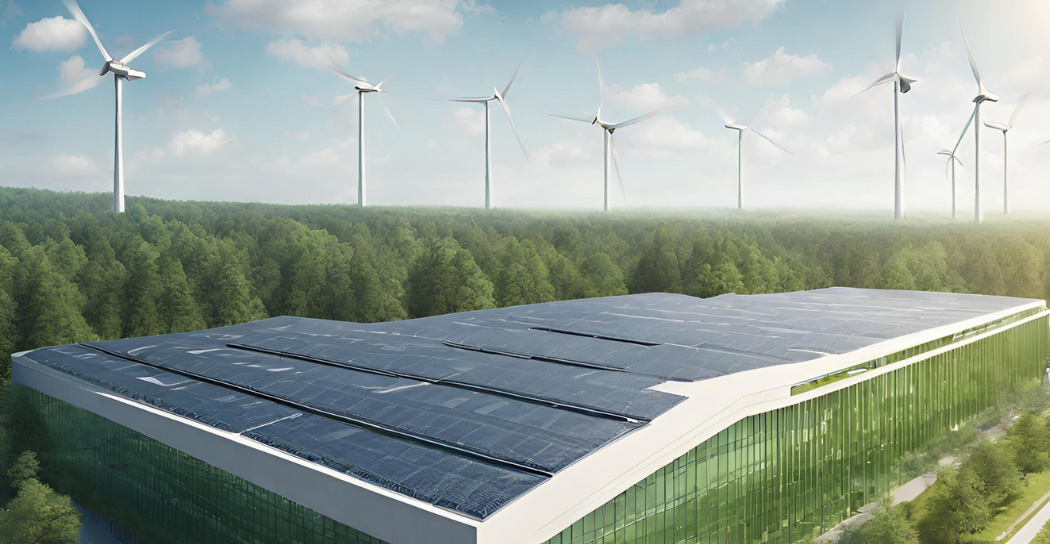
Directive on energy efficiency
[fusion_builder_container type="flex" hundred_percent="no" hundred_percent_height="no" min_height_medium="" min_height_small="" min_height="" hundred_percent_height_scroll="no" align_content="stretch" flex_align_items="flex-start" flex_justify_content="flex-start" flex_wrap_medium="" flex_wrap_small="" flex_wrap="wrap" flex_column_spacing="" hundred_percent_height_center_content="yes" equal_height_columns="no" container_tag="div" menu_anchor="" hide_on_mobile="small-visibility,medium-visibility,large-visibility" status="published" publish_date="" class="" id="" spacing_medium="" margin_top_medium="" margin_bottom_medium="" spacing_small="" margin_top_small="" margin_bottom_small="" margin_top="" margin_bottom="" padding_dimensions_medium="" padding_top_medium="" padding_right_medium="" padding_bottom_medium="" padding_left_medium="" padding_dimensions_small="" padding_top_small="" padding_right_small="" padding_bottom_small="" padding_left_small="" padding_top="" padding_right="" padding_bottom="" padding_left="" link_hover_color="" link_color="" border_sizes="" border_sizes_top="" border_sizes_right="" border_sizes_bottom="" border_sizes_left="" border_color="" border_style="solid" border_radius_top_left="" border_radius_top_right="" border_radius_bottom_right="" border_radius_bottom_left="" box_shadow="no" box_shadow_vertical="" box_shadow_horizontal="" box_shadow_blur="0" box_shadow_spread="0" box_shadow_color="" box_shadow_style="" z_index="" overflow="" gradient_start_color="" gradient_end_color="" gradient_start_position="0" gradient_end_position="100" gradient_type="linear" radial_direction="center center" linear_angle="180" background_color_medium="" background_color_small="" background_color="" background_image_medium="" background_image_small="" background_image="" skip_lazy_load="" background_position_medium="" background_position_small="" background_position="center center" background_repeat_medium="" background_repeat_small="" background_repeat="no-repeat" background_size_medium="" background_size_small="" background_size="" background_custom_size="" background_custom_size_medium="" background_custom_size_small="" fade="no" background_parallax="none" enable_mobile="no" parallax_speed="0.3" background_blend_mode_medium="" background_blend_mode_small="" background_blend_mode="none" video_mp4="" video_webm="" video_ogv="" video_url="" video_aspect_ratio="16:9" video_loop="yes" video_mute="yes" video_preview_image="" pattern_bg="none" pattern_custom_bg="" pattern_bg_color="" pattern_bg_style="default" pattern_bg_opacity="100" pattern_bg_size="" pattern_bg_blend_mode="normal" mask_bg="none" mask_custom_bg="" mask_bg_color="" mask_bg_accent_color="" mask_bg_style="default" mask_bg_opacity="100" mask_bg_transform="left" mask_bg_blend_mode="normal" render_logics="" logics="" absolute="off" absolute_devices="small,medium,large" sticky="off" sticky_devices="small-visibility,medium-visibility,large-visibility" sticky_background_color="" sticky_height="" sticky_offset="" sticky_transition_offset="0" scroll_offset="0" animation_type="" animation_direction="left" animation_color="" animation_speed="0.3" animation_delay="0" animation_offset="" filter_hue="0" filter_saturation="100" filter_brightness="100" filter_contrast="100" filter_invert="0" filter_sepia="0" filter_opacity="100" filter_blur="0" filter_hue_hover="0" filter_saturation_hover="100" filter_brightness_hover="100" filter_contrast_hover="100" filter_invert_hover="0" filter_sepia_hover="0" filter_opacity_hover="100" filter_blur_hover="0"][fusion_builder_row][fusion_builder_column type="1_1" layout="1_1" align_self="auto" content_layout="column" align_content="flex-start" valign_content="flex-start" content_wrap="wrap" spacing="" center_content="no" column_tag="div" link="" target="_self" link_description="" min_height="" hide_on_mobile="small-visibility,medium-visibility,large-visibility" sticky_display="normal,sticky" class="" id="" type_medium="" type_small="" flex_grow_medium="" flex_grow_small="" flex_grow="" flex_shrink_medium="" flex_shrink_small="" flex_shrink="" order_medium="0" order_small="0" dimension_spacing_medium="" dimension_spacing_small="" dimension_spacing="" dimension_margin_medium="" dimension_margin_small="" margin_top="" margin_bottom="" padding_medium="" padding_small="" padding_top="" padding_right="" padding_bottom="" padding_left="" hover_type="none" border_sizes="" border_color_hover="" border_color="" border_style="solid" border_radius="" box_shadow="no" dimension_box_shadow="" box_shadow_blur="0" box_shadow_spread="0" box_shadow_color="" box_shadow_style="" z_index_hover="" z_index="" overflow="" background_type="single" gradient_start_color="" gradient_end_color="" gradient_start_position="0" gradient_end_position="100" gradient_type="linear" radial_direction="center center" linear_angle="180" background_color_medium="" background_color_small="" background_color_medium_hover="" background_color_small_hover="" background_color_hover="" background_color="" background_image_medium="" background_image_small="" background_image="" background_image_id_medium="" background_image_id_small="" background_image_id="" lazy_load="avada" skip_lazy_load="" background_position_medium="" background_position_small="" background_position="left top" background_repeat_medium="" background_repeat_small="" background_repeat="no-repeat" background_size_medium="" background_size_small="" background_size="" background_custom_size="" background_custom_size_medium="" background_custom_size_small="" background_blend_mode_medium="" background_blend_mode_small="" background_blend_mode="none" render_logics="" sticky="off" sticky_devices="small-visibility,medium-visibility,large-visibility" sticky_offset="" absolute="off" absolute_props="" filter_type="regular" filter_hover_element="self" filter_hue="0" filter_saturation="100" filter_brightness="100" filter_contrast="100" filter_invert="0" filter_sepia="0" filter_opacity="100" filter_blur="0" filter_hue_hover="0" filter_saturation_hover="100" filter_brightness_hover="100" filter_contrast_hover="100" filter_invert_hover="0" filter_sepia_hover="0" filter_opacity_hover="100" filter_blur_hover="0" transform_type="regular" transform_hover_element="self" transform_scale_x="1" transform_scale_y="1" transform_translate_x="0" transform_translate_y="0" transform_rotate="0" transform_skew_x="0" transform_skew_y="0" transform_scale_x_hover="1" transform_scale_y_hover="1" transform_translate_x_hover="0" transform_translate_y_hover="0" transform_rotate_hover="0" transform_skew_x_hover="0" transform_skew_y_hover="0" transform_origin="" transition_duration="300" transition_easing="ease" transition_custom_easing="" motion_effects="" scroll_motion_devices="small-visibility,medium-visibility,large-visibility" animation_type="" animation_direction="left" animation_color="" animation_speed="0.3" animation_delay="0" animation_offset="" last="true" border_position="all" first="true"][fusion_text columns="" column_min_width="" column_spacing="" rule_style="" rule_size="" rule_color="" hue="" saturation="" lightness="" alpha="" content_alignment_medium="" content_alignment_small="" content_alignment="" hide_on_mobile="small-visibility,medium-visibility,large-visibility" sticky_display="normal,sticky" class="" id="" margin_top="" margin_right="" margin_bottom="" margin_left="" fusion_font_family_text_font="" fusion_font_variant_text_font="" font_size="" line_height="" letter_spacing="" text_transform="" text_color="" animation_type="" animation_direction="left" animation_color="" animation_speed="0.3" animation_delay="0" animation_offset="" logics=""]The changes will affect the data center sector
Data center service providers will have to report on CO2 emissions, energy, and water consumption and consider the environmental impact of operations in planned investments. These are the obligations imposed on data center operators by the new Energy Efficiency Directive (EED) adopted by the European Parliament and the Council. The new legislation came into force on 10 October. EU member states have 2 years to adapt their national laws to the new requirements.
The EED contains several recommendations for many market sectors, including the ICT market, which accounts for 5-9% of global energy consumption and more than 2% of greenhouse gas emissions. Data from the International Energy Agency shows that the data center is responsible for 1-1.5% of total global electricity consumption. However, this is forecast to rise to as much as 8% by 2030. The European Digital Strategy taken note of the need to focus on energy-efficient and sustainable data processing and maintenance, hence the recommendation for transparent operations in the sector.
The obligation of reporting by data centers
The new directive suggests that all member states must collect and report data on emissions generated by data centers. But not only that. Newly built facilities must be designed to minimize energy and water consumption, use technologies that support low carbon emissions and consume recycled heat. Based on these recommendations, member states should create detailed regulations to set out individual requirements. They have 2 years to do so.
– The new EU directive aims to reduce energy consumption by 11.7% by 2030. The obligation to report on energy and water consumption and emissions, as well as the implementation of green investments, will be required of all operating data centers with more than 500 kW capacity. Small, edge data centers typically have energy capacities of around 1 MW, while traditional facilities have capacities totaling tens of megawatts (MW). This means that the vast majority of both already-built facilities and those planned will be subject to regulation. However, national regulations may be even more restrictive, with Germany being the best example. In the principles introduced there, they want to impose a reporting cap on all data centers above 300 kW capacity.
Data centers are expected to be energy-efficient
The new law aims to reduce EU energy consumption by 11.7% by 2030. Each member state will have to estimate its indicative national contribution. In addition, annual energy savings are to increase steadily: from the current 0.8% to 1.3% (in 2024-2025), then 1.5% (2026-2027) and 1.9% from 2028.
The new directive introduces a number of measures to support the acceleration of ‘green’ transformation. This includes adopting the general principle of ‘energy efficiency first’, to be applied to energy policy and general. Recommendations for both public and construction sectors are specified, and green mobility and infrastructure development for electric vehicles are among the solutions promoted. For the ITC and data center sector, the recommendations include, for example, reporting on installed capacity, data processing volumes, energy consumption, PUE (i.e., the energy efficiency index), use of waste heat, water consumption, and use of renewable energy.
These provisions are very much needed, as they force operators to act in a certain way and introduce the necessary transparency to our industry; conversely, they benefit customers and society in general. Understanding energy parameters of data centers, will allow customers to choose operators that consume less energy, energy which is green, and hence pay less for colocation services. However, reporting can be challenging for operators, especially those who have not analyzed their environmental indicators to date.[/fusion_text][/fusion_builder_column][/fusion_builder_row][/fusion_builder_container]

A day without data centers: How would the absence of digital infrastructure affect society and economy?
[fusion_builder_container type="flex" hundred_percent="no" equal_height_columns="no" menu_anchor="" hide_on_mobile="small-visibility,medium-visibility,large-visibility" class="" id="" background_color="" background_image="" background_position="center center" background_repeat="no-repeat" fade="no" background_parallax="none" parallax_speed="0.3" video_mp4="" video_webm="" video_ogv="" video_url="" video_aspect_ratio="16:9" video_loop="yes" video_mute="yes" overlay_color="" video_preview_image="" border_color="" border_style="solid" padding_top="" padding_bottom="" padding_left="" padding_right=""][fusion_builder_row][fusion_builder_column type="1_1" layout="1_1" background_position="left top" background_color="" border_color="" border_style="solid" border_position="all" spacing="yes" background_image="" background_repeat="no-repeat" padding_top="" padding_right="" padding_bottom="" padding_left="" margin_top="0px" margin_bottom="0px" class="" id="" animation_type="" animation_speed="0.3" animation_direction="left" hide_on_mobile="small-visibility,medium-visibility,large-visibility" center_content="no" last="true" min_height="" hover_type="none" link="" border_sizes_top="" border_sizes_bottom="" border_sizes_left="" border_sizes_right="" first="true"][fusion_text columns="" column_min_width="" column_spacing="" rule_style="" rule_size="" rule_color="" hue="" saturation="" lightness="" alpha="" content_alignment_medium="" content_alignment_small="" content_alignment="" hide_on_mobile="small-visibility,medium-visibility,large-visibility" sticky_display="normal,sticky" class="" id="" margin_top="" margin_right="" margin_bottom="" margin_left="" fusion_font_family_text_font="" fusion_font_variant_text_font="" font_size="" line_height="" letter_spacing="" text_transform="" text_color="" animation_type="" animation_direction="left" animation_color="" animation_speed="0.3" animation_delay="0" animation_offset="" logics=""]
For majority of humans the concept of a data center seems completely irrelevant to our lives. We understand there is a lot of data stored somewhere in certain conditions but where, why and how seems abstract and unimportant.
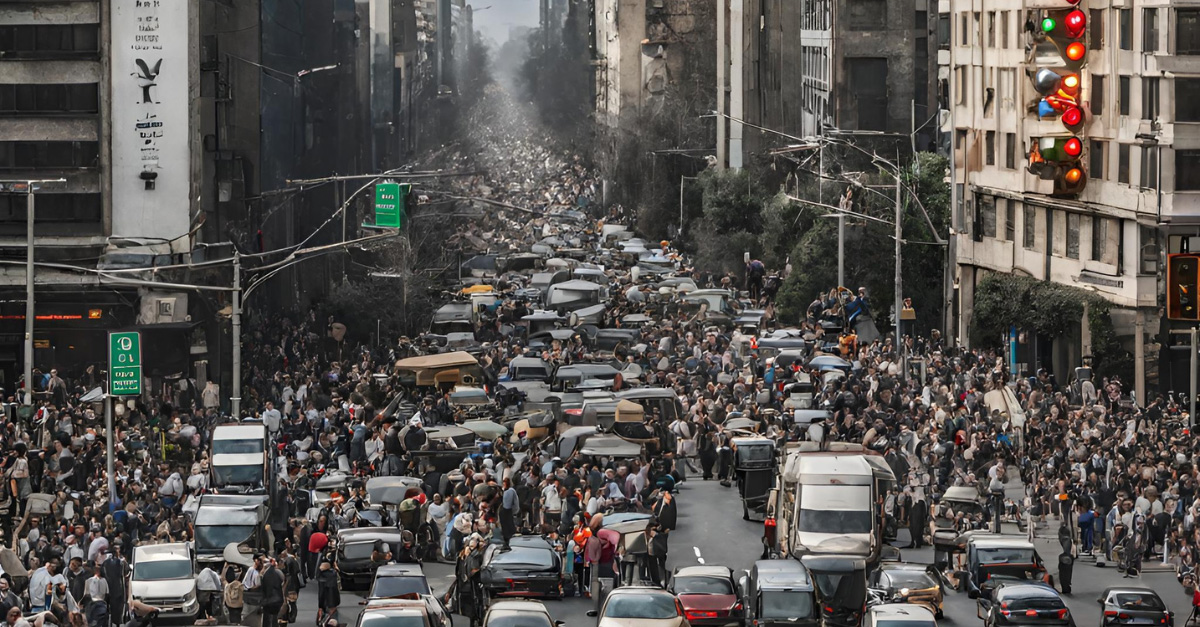
So imagine one day without a data center: You wake up, reach out for your telephone to check the weather for the day but the weather app is not working. Neither do your email, electronic calendar or even your telephone apps. You wanted to order some food online but online purchases are off too. You were planning to work remotely from home and have an online meeting first thing in the morning but neither Zoom nor Teams seem to work. So you go to the office hoping to meet people directly. Unfortunately the traffic lights in the whole city are off and the traffic jam is horrid with multiple car accidents on your way. It takes you 3 hours to get to the office, 2.5 hours longer than usually. Unfortunately the gate for the underground parking is not working as well so you need to park 1 km away in the street. The office lifts are down so you just climb the stairs for the 13th floor. And it is just the beginning of the disastrous day- a day without data centers.
Many aspects of our lives are strongly dependent on the internet, on data stored in clouds (liken the data in our smartphones) and data centers form the foundation of this digital infrastructure. The recent analyses by PMR company bring important conclusions regarding the dynamic development of data centers in Poland. The projected maximum power growth of over 400 MW is a clear indicator of the increasing significance of data centers in the national economy. This growth represents a significant leap compared to the approximately 120 MW registered in 2022, which demonstrates the growing demand for services provided by data centers. Therefore, without data centers, many services could not be delivered. Let's imagine just a few hours or a day without data centers – a day when the digital infrastructure that supports more and more aspects of our lives suddenly disappears.
Data center management has undergone enormous changes over the past two decades. Initially focused on hardware maintenance and ensuring adequate infrastructure, it has evolved into modern, integrated ecosystems. Cloud technologies, automation and artificial intelligence play now a crucial role, helping to optimize management and minimize downtime risks.
If a digital infrastructure were in crisis
Companies from various industries, public institutions and medical care – all rely on data centers for storing their data. Digital ecosystems enable businesses to collaborate with partners, service providers and clients. If this infrastructure were to suddenly vanish, it would completely paralyze the operational capacity of all involved entities.
In the case of a complete lack of digital infrastructure, these losses would multiply, reaching multi-billion levels, adversely impacting the financial results of many companies. Furthermore, lack of data centers would affect process efficiency and access to crucial data, potentially leading to extended response times to changing market conditions. In the era of digitalization, many businesses rely on e-commerce, so the absence of digital infrastructure would also affect consumers.
A world without data centers would mean the loss of stored resources which could have serious consequences for the security and reputation of companies. They base their production processes, distribution and customer service on data access capabilities. If these resources are unavailable, it affects the entire supply chain, leading to delays, shortages of goods, and higher costs that ultimately burden consumers.
If a daily life came to a standstill
A world without data centers would mean no access to social media, online payments, online shopping, and the loss of customer data access, leading to halted deliveries. Modern technologies like artificial intelligence would also cease to function, putting a stop to many sectors of the economy that increasingly rely on these solutions. Imagine the automotive industry not receiving data from vehicles – this would hinder the further development of autonomous cars. Hospitals lose access to medical data, impacting patient care quality. Electricity producers can't access energy consumption data, potentially causing supply shortages. These are just a few examples illustrating how the absence of data centers would affect our daily lives.
Underestimated value of data centers
The importance of data centers in daily life is fundamental. They house the data that powers our applications, social media and financial services. They form the backbone of the digital world on which more and more aspects of our lives rely. A day without this crucial infrastructure would equate to a serious crisis for people from different backgrounds and for the entire economy. Imagining a day without data centers highlights just how much we depend on this invisible yet vital technology.
[/fusion_text][/fusion_builder_column][/fusion_builder_row][/fusion_builder_container]
Leading Polish service providers will join the Polish Data Center Association
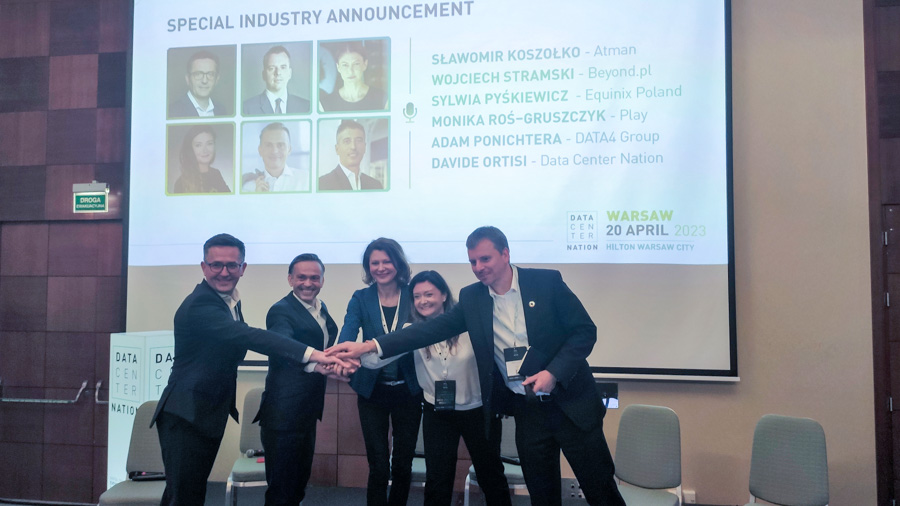
Atman, Beyond.pl, Data4, Equinix, and 3S, the owners and operators of the largest data centers in Poland, have joined forces to strengthen the potential of the Polish data center industry, educate the market, and create new jobs through cooperation with authorities, legislative changes, and leveraging the experience of similar organizations in Europe.
Data centers are the foundation of the functioning of the modern digital world, not only due to the processing of increasing amounts of data from various sectors of the economy, but also due to the digital processes, payment transactions, and advanced computational tasks carried out within them. The ongoing digital transformation offers unprecedented opportunities for the data center industry while also presenting challenges in areas such as cybersecurity, protection of critical IT infrastructure, business continuity, energy efficiency, and climate change mitigation.
"Whatever happens online happens in data centers and also has a physical dimension related to IT infrastructure, from which we now require not only reliability and scalability but also minimal impact on climate change. This is a challenge for the entire data center industry in Poland, and therefore, by leveraging economies of scale, we are uniting our efforts to achieve better performance in our facilities, which is impossible to achieve in smaller, dispersed colocation facilities," says Sławomir Koszołko, CEO of Atman.
Maintaining the continuity of any company or institution is intrinsically linked to the uninterrupted operation of the entire IT environment, which includes either their own data centers or, increasingly, server rooms provided by verified and certified suppliers. Among the goals of the newly formed Association is to maintain uncompromising quality of data center services in Poland and to build industry standards commonly practiced in foreign markets.
"Digital transformation has redefined how IT is perceived by businesses. Today, IT is the foundation on which competitive advantages are built, market changes are adapted to, and customer needs are met. However, this also generates responsibility. Business security now depends more than ever on IT, both at the application and infrastructure layers. As data center service providers, we address issues related to the secure maintenance of the technology environments necessary for efficient access to data and systems. Therefore, one of our cooperation goals is the standardization of services across the industry and continuously improving their quality. We want to support the business continuity of companies using the services of Polish data center providers," says Wojciech Stramski, CEO of Beyond.pl.
By creating the policy for the so-called "Digital Decade," the EU is preparing Europeans and enterprises for a sustainable and human-centered digital future. Data centers occupy an important place at the intersection of several areas: digital transformation of enterprises, digital skills of society, digitization of public services, and secure digital infrastructure. The Association aims to support the digitization process in Poland and help leverage the opportunities associated with digital acceleration.
"Digitization is the future that will encompass many areas of life for each of us. Data centers, as critical infrastructure, will enable the digital transformation of businesses and administration while simultaneously serving as 'green' and secure data and computing power repositories. As the Data Center Association in Poland, we aim to support the development of the local data center market, share experience and expert knowledge, and accelerate the digitization process in our country," emphasizes Adam Ponichtera, director of the Polish branch of Data4.
"In today's world, changes are happening quickly and unpredictably. To meet them, continuous digital transformation based on data analytics and digital infrastructure enabling efficient implementation of business strategies is needed. Our mission is to develop the Polish economy through the expansion of data centers, and our goal is to fully exploit market opportunities for digital Poland and meet customer needs in a rapidly developing market. We want to create infrastructural conditions that enable businesses to implement strategic ideas, attract investors, and, by continuously improving processes, education, and the implementation of modern, environmentally focused solutions, we also support Polish companies in their quest for sustainable development," comments Sylwia Pyśkiewicz, Managing Director of Equinix Poland.
The Association's activities as an industry organization serve not only business purposes but also market education in the direction of improving physical and digital security, training future staff in the face of the current deficit of specialized maintenance workers for colocation facilities. Close cooperation with local authorities at all levels should translate into legislative changes favorable to the industry and the supply of new jobs.
"Our goal is to connect—literally and figuratively. To connect the industry environment to continuously improve the quality of offered services, to connect companies with Data Center-based technologies to optimize their operational activities, and to connect people with technology through education that will show the great possibilities that data processing center-based services offer today and in the future," adds Monika Roś-Gruszczyk, CEO of 3S Data Center.
According to analysts, in 2021 the value of the Polish data processing center services market was 2.58 billion PLN, and the supply of power in the commercial data center services market increased by 20%. In the long term, the target power of currently planned data centers in Poland will be 300 MW. The unflagging pace of growth in the local market has already attracted the attention of the largest global IT service providers who have located their regions in Poland. The activities of the Association aim to promote Poland as a new, dynamically developing data center hub, supplementing the stabilized FLAP-D markets and attracting the interest of international customers.